
Blooming
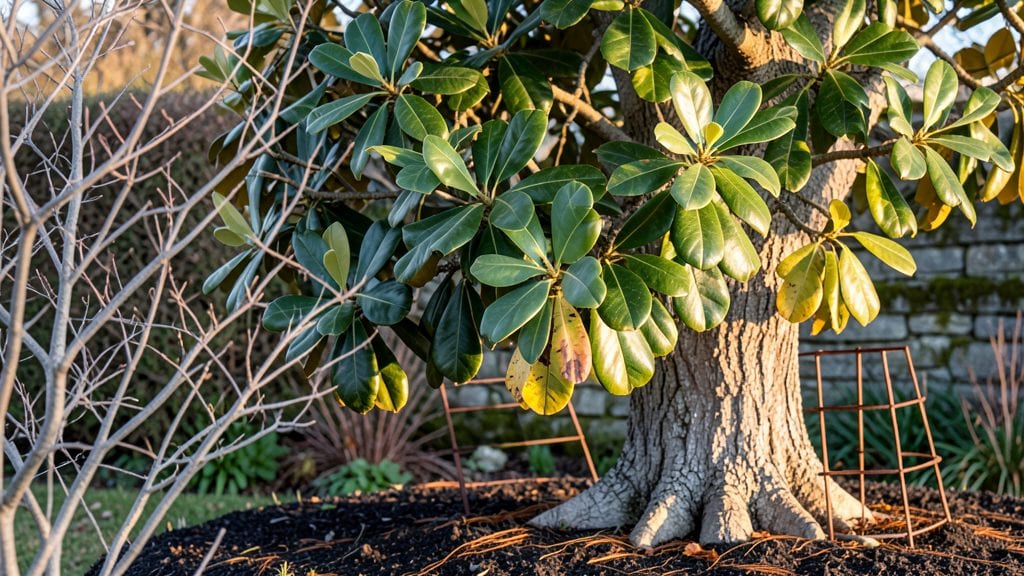
If you’re wondering why my magnolia tree doesn’t bloom this spring, you’re not alone—this happens to more gardeners than you’d think. 🌸 The good news? Most non-blooming magnolias are fixable with simple adjustments to light, pruning, or nutrition.
I’ve diagnosed all five common culprits after years of trial and error, and I’ll walk you through how to spot yours.
First, check the basics: age matters. Young magnolias (under 5 years) focus on root growth, not flowers. Then look at your pruning habits—cutting at the wrong time or too aggressively starves the tree of next year’s buds.
Even soil pH or nutrient imbalances can trick the tree into skipping blooms. I’ll show you how to audit each factor in under an hour.
By the end, you’ll know exactly what’s holding back your magnolia—whether it’s shady spot placement, over-pruning, or a hidden pest issue. The fixes are straightforward: adjust sunlight, prune at the right time, or feed with the right fertilizer.
My tree went from zero blooms to dozens of fragrant flowers in just one season after making these changes.
This works for both large Southern magnolias and compact varieties like ‘Little Gem’. Let’s troubleshoot yours step by step—your tree’s waiting for the right signal to bloom again.
Common Culprits Behind Blooming Failures
Magnolia trees are prized for their stunning, fragrant blooms—but when those flowers refuse to appear, it’s often due to specific, fixable issues. Understanding the root causes (literally and figuratively) is the first step to coaxing your tree back to life. Here’s why your magnolia might be playing hard to bloom:
Magnolias are slow growers, and their blooming timeline is tied to maturity.
Most magnolias won’t produce flowers until they’re 3 to 10 years old, depending on the species: - **Southern Magnolias (Magnolia grandiflora): Often bloom at 5–10 years. - Saucer Magnolias (Magnolia × soulangeana): May start flowering as early as 3–4 years. - Star Magnolias (Magnolia stellata): Can bloom as young as 5 years.
The science: Magnolias require a critical mass of energy reserves stored in their roots and trunk. Young trees prioritize root and canopy growth over flowering. If your tree is still in its "teenage years," it’s simply not ready—yet. 🌱
Pro tip: 💡 If your tree is past the typical blooming window (e.g., 10+ years old), it may be over-mature or stressed. Prune lightly to encourage new growth, but avoid heavy cuts, which can delay flowering further.
Magnolias are sun-worshippers, and insufficient light is a top reason they skip blooming. Most varieties need:
- Full sun (6–8+ hours of direct sunlight daily) for optimal flowering.
- Partial shade (3–6 hours of sun)** may suffice for some species (like Magnolia virginiana), but blooms will be sparser.
The science: Photosynthesis fuels flower production. In low-light conditions, your magnolia diverts energy to leaf growth instead of blooms. Additionally, etiolated growth (long, weak stems) occurs when trees stretch toward light, further draining resources from potential flowers.
Actionable fix:
- Check your tree’s spot: Use a sunlight tracker app (like Sun Surveyor) to measure daily light exposure.
- Prune overhanging branches from nearby trees or structures blocking sunlight.
- Consider relocating young magnolias if they’re permanently shaded (though mature trees may struggle to adapt).
Magnolias are drought-sensitive but hate soggy roots. Watering and soil issues can stall blooming by stressing the tree or disrupting nutrient uptake.
🔥 Overwatering or Poor Drainage
Symptoms: Yellowing leaves, root rot, or a tree that looks wilting despite wet soil. The science: Magnolias prefer well-draining, slightly acidic soil (pH 5.0–6.5).
Waterlogged roots suffocate roots, preventing them from accessing nutrients needed for flowering. Overwatering also promotes fungal diseases like Phytophthora, which weakens the tree.
🥵 Underwatering or Drought Stress
Symptoms: Crispy leaf edges, drooping foliage, or premature leaf drop. The science: Drought stress triggers the tree’s survival mode, prioritizing root and leaf health over energy-intensive blooms.
Magnolias have shallow but extensive root systems, making them vulnerable to dry spells.
Soil test tip: 🌡️ Use a soil moisture meter (or the "squeeze test"—grab a handful of soil; if it crumbles easily, it’s too dry; if it stays clumped, it’s too wet).
Fixes:
- Improve drainage: Amend clay soil with compost or sand to create air pockets.
- Water deeply but infrequently: Aim for 1–1.5 inches of water per week (more in extreme heat). Use drip irrigation to deliver water slowly to the root zone.
- Mulch properly: Apply 2–4 inches of organic mulch (like pine bark) around the base, but keep it 6 inches away from the trunk to prevent rot.
Magnolias need specific nutrients to produce blooms. Deficiencies in phosphorus, nitrogen, or micronutrients can halt flowering.
| Nutrient | Role in Blooming | Deficiency Signs | Fix |
|---|---|---|---|
| Phosphorus (P) | Boosts flower and root development | Dark green leaves, purple stems, slow growth | Apply bone meal or rock phosphate in early spring |
| Nitrogen (N) | Supports leafy growth (indirectly helps blooms) | Yellowing leaves (chlorosis), stunted growth | Use a balanced fertilizer (10-10-10) in early spring |
| Potassium (K) | Regulates water and nutrient uptake | Weak stems, yellow leaf edges, poor bloom quality | Add wood ash or greensand to soil |
| Magnesium (Mg) | Essential for chlorophyll production | Yellowing between leaf veins (interveinal chlorosis) | Sprinkle Epsom salt (1 tbsp/gal water) as a foliar spray |
Pro tip: ✨ Avoid over-fertilizing with nitrogen-heavy formulas (like lawn fertilizers). Too much N promotes leafy growth at the expense of flowers. Instead, opt for a low-N, high-P fertilizer (like 5-10-5) in late winter or early spring to encourage blooming.
Magnolias hate being pruned after they’ve set buds (usually in late summer or fall). Poor timing or aggressive pruning can remove next year’s flowers before they even form.
The science: Magnolia buds form 6–12 months before blooming. Pruning in late spring or summer can sever these buds, leaving your tree with no flowers the following season.
When to prune:
- Best time: Late winter to early spring (just before new growth starts).
- Avoid: Pruning after June (for most species) or when buds are visible.
What to avoid:
- Topping or shearing: This creates an unsightly shape and stresses the tree.
- Removing more than 20% of the canopy in one go: This can shock the tree into prioritizing recovery over blooming.
Pro tip: 🎯 If you must prune later in the year, wait until after flowering and only remove dead or diseased branches. Never prune for shape—magnolias have a natural, elegant form that should be preserved.
Hidden invaders can drain your magnolia’s energy, leaving it too weak to bloom. Common culprits:
- Magnolia Scale: A sap-sucking insect that coats leaves/stems with a waxy shield, weakening the tree. Signs: Sticky residue (honeydew), yellowing leaves, sooty mold.
- Webworms: Larvae strip leaves, reducing the tree’s ability to photosynthesize.
- Fungal diseases (like anthracnose or powdery mildew): Cause leaf spots or blight, further stressing the tree.
The science: Pests and diseases disrupt nutrient flow, forcing the tree to allocate energy to repair and defense instead of flowering.
Fixes:
- Inspect leaves regularly for eggs, webbing, or unusual spots.
- Spray with horticultural oil (for scale) or neem oil (for fungal issues) in early spring.
- Remove heavily infested branches and dispose of them in the trash (not compost).
Magnolias are temperature-sensitive, and extreme conditions can delay or prevent blooming.
- Late frosts: Many magnolias (like saucer magnolias) bloom early spring.
A sudden freeze can kill flower buds before they open. - Heatwaves: Prolonged heat (above 90°F) can stress the tree, causing it to drop buds or skip flowering entirely. - Winter chill requirements: Some magnolias (like Magnolia stellata) need **100–300
Quick Fixes for Non-Blooming Magnolia
Now that you know the likely reasons your magnolia tree isn’t blooming, let’s tackle them with practical, step-by-step solutions. Each cause has a specific fix—plus prevention tips to keep your tree thriving for years. Ready to turn those bare branches into a floral masterpiece? Let’s go!
Problem: Your magnolia is either too young to bloom or isn’t getting the sunlight it craves. Solution:
- For young trees (🔥🌱): Patience is key! Most magnolias take 3–5 years to bloom after planting. Focus on nurturing strong growth with:
- Balanced fertilizer (10-10-10 or similar) in early spring.
- Mulch (2–3 inches) around the base to retain moisture and regulate soil temp.
- Pruning (if needed) to encourage airflow and sunlight penetration.
- For mature trees (☀️🌿): Move it to a sunnier spot if possible. Magnolias need 6+ hours of direct sunlight daily. If relocating isn’t an option:
- Thin out nearby trees/shrubs blocking light.
- Use reflective surfaces (like white walls or mirrors) to bounce extra light onto the tree.
💡 Pro Tip: If your tree is in partial shade, try a light-colored mulch (like pine straw) to reflect warmth onto the roots.
Problem: Your magnolia is in a zone it can’t tolerate, or extreme temps are shocking it. Solution:
- Check your hardiness zone (📊🌡️): Most magnolias thrive in Zones 4–9, but varieties differ. If you’re on the edge (e.g., Zone 3 or 10), consider:
- Cold-hardy varieties like Magnolia stellata (star magnolia) for colder climates.
- Heat-tolerant picks like Magnolia grandiflora (southern magnolia) for warmer zones.
- Protect from extremes (❄️☀️):
- Winter: Wrap the trunk in burlap if temps drop below 10°F. Add a thick mulch layer (4–6 inches) to insulate roots.
- Summer: Provide afternoon shade (e.g., with a sheer cloth or nearby tree) if your area hits 90°F+.
- Frost-sensitive blooms? Prune late winter (after frost risk passes) to avoid damaging buds.
✨ Bonus: Group magnolias with other shade-loving plants (like azaleas or hydrangeas) to create a microclimate that buffers temperature swings.
Problem: Soggy roots or compacted soil are suffocating your tree. Solution:
- Test your soil (🧪💧):
- Dig a 6-inch hole near the roots. If water pools after 30 minutes, you’ve got poor drainage.
- Fix it: Amend the soil with compost or sand to improve aeration. For heavy clay soils, consider a French drain or raised bed.
- Watering routine (🌧️🔥):
- Deep water 1–2 times per week (1–1.5 inches total) during dry spells.
- Avoid wetting the leaves (especially in humid climates) to prevent fungal issues.
- Mulch properly: Keep mulch 3–4 inches deep but 6 inches away from the trunk to prevent rot.
🎯 Prevention: Install a soil moisture sensor to monitor water levels without guesswork.
Problem: Your magnolia is either starving or burning from too many nutrients. Solution:
- Soil test first (📊🌱): Use a DIY test kit or send a sample to your local extension office. Magnolias prefer slightly acidic soil (pH 5.0–6.5).
- Fertilizer plan (💪🌿):
- Spring feeding (🌸): Use a slow-release, acid-loving plant fertilizer (like for azaleas). Follow package rates—half is often enough!
- Avoid summer fertilizing (⏰): This encourages new growth that can’t harden off before winter.
- Organic boost (🍄): Mix in pine needles, peat moss, or coffee grounds to lower pH naturally.
🔥 Warning: Never use lime—it raises pH and can kill magnolias!
Problem: Hidden invaders are sapping your tree’s energy. Solution: - Identify the culprit (🔍🐛): - Scale insects or spider mites? Wipe leaves with neem oil or insecticidal soap (repeat every 7–10 days). - Magnolia scale? Prune and destroy heavily infested branches.
Apply horticultural oil in late winter/early spring. - Fungal issues (like powdery mildew)? Improve airflow, avoid overhead watering, and spray with copper fungicide if needed.
- Prevent future attacks (🛡️):
- Inspect trees monthly (especially undersides of leaves).
- Encourage beneficial insects (like ladybugs) with native plants (e.g., dill, yarrow).
- Clean up fallen leaves/debris to reduce fungal spores.
Before you call it a day, run through this quick checklist:
- Age? If under 5 years, give it time (or check sunlight).
- Sun? Move or prune to ensure 6+ hours of sun.
- Soil? Test pH and drainage—amend if needed.
- Water? Deep but infrequent—no soggy roots!
- Food? Fertilize once in spring (lightly!).
- Pests? Scan for sticky leaves, webs, or strange spots.
💡 Remember: Magnolias are slow growers—don’t rush them! With patience and these fixes, you’ll be admiring show-stopping blooms in no time. Happy gardening! 🌸✨
Frequently asked questions
How do I know if my magnolia tree is too young to bloom?
Most magnolia varieties need 3–10 years to produce flowers, depending on the species. Southern magnolias typically bloom at 5–10 years, while saucer magnolias may start as early as 3–4 years. Check your tree’s age—if it’s under 5 years, it’s likely still focusing on root and leaf growth.
Can I prune my magnolia tree if it’s not blooming?
Yes, but timing is critical! Prune in late winter to early spring (before buds form) to avoid removing next year’s flowers. Never prune after June—this can cut off flower buds that form 6–12 months before blooming. Always remove no more than 20% of the canopy at once.
What should I do if my magnolia tree gets too much shade?
Magnolias need 6–8 hours of sunlight daily for optimal blooming. If your tree is shaded, try thinning nearby branches or relocating it to a sunnier spot. For established trees, use reflective surfaces (like white walls) to bounce extra light onto the canopy. If moving isn’t an option, prune to open the center for better light penetration.
How often should I fertilize a non-blooming magnolia?
Apply a balanced, acid-loving fertilizer (10-10-10) in early spring only—once per year is enough! Avoid nitrogen-heavy fertilizers, which promote leafy growth at the expense of flowers. For extra phosphorus (which boosts blooms), use a low-N, high-P formula (like 5-10-5) in late winter.
Are there any quick fixes for a mature magnolia that suddenly stops blooming?
Check for hidden pests (like magnolia scale), soil drainage issues, or nutrient deficiencies. Start with a soil test and adjust pH if needed (magnolias prefer 5.0–6.5). If pests are the issue, spray with neem oil or horticultural oil in early spring. For immediate results, move the tree to a sunnier spot and water deeply but infrequently.