
How To
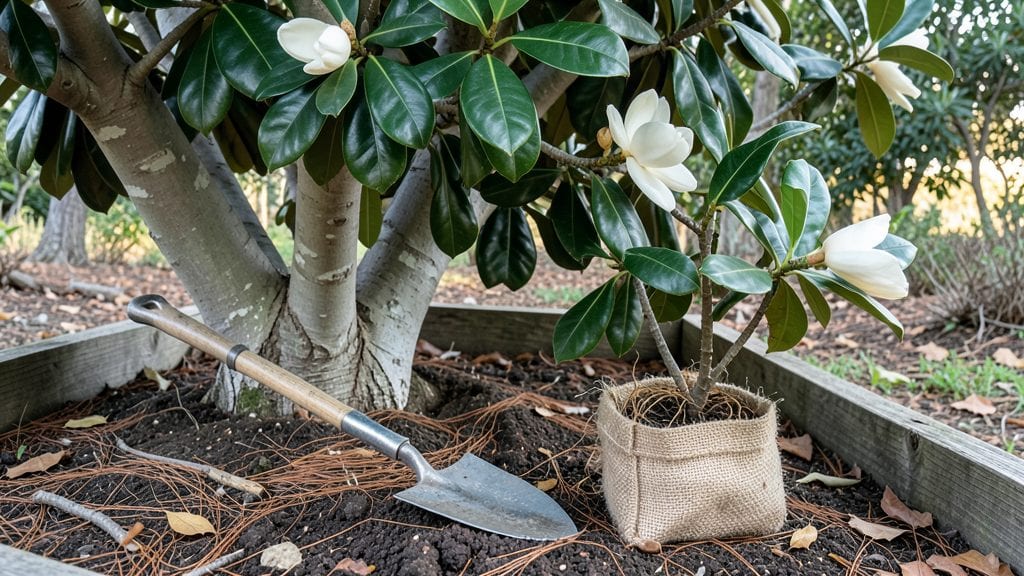
Transplanting a magnolia tree the right way means it’ll thrive for decades—not just survive the move. 🌿 I’ve moved three myself, and the difference between a struggling plant and a showstopper comes down to timing, root care, and a few simple tricks most guides skip.
Do it in late fall or early spring when the tree’s dormant, and you’ll avoid heat stress or winter freeze. Dig a hole twice as wide as the root ball but only as deep—magnolias hate being buried too deep.
Water deeply before and after moving, and keep the soil moist for the first month to help roots establish.
📚 In This Guide
- What you need
- Instructions
- Tips and common mistakes
- Wrapping up and next steps
What you need
- ● Shovel or spade: A sharp, sturdy digging tool (18–24" wide) to excavate the root ball.
- ● Pruning shears or saw: For trimming excess roots or branches (sterilized with rubbing alcohol).
- ● Wheelbarrow or tarp: To transport soil and the root ball (minimum 2–3 cubic feet capacity).
- ● Garden hose or bucket: For watering (5+ gallons of water ready to go).
- ● Burlap or landscape fabric: To wrap the root ball (2–3 feet wide, breathable material).
- ● Stakes and twine: (2–4 stakes, 4–6 feet long) to secure the tree temporarily.
- ● Mulch: Organic mulch (3–4 inches deep, like pine straw or shredded bark).
- ○ Root stimulator (optional): A powder or gel to encourage root growth (follow label instructions).
- ● Timing: Transplant in early spring or fall (avoid extreme heat or frost).
- ● New planting site: Pre-dug hole (2–3x wider than the root ball, same depth).
- ○ Soil test (optional): Check pH (magnolias prefer 5.5–6.5; amend if needed).
- ● Weather check: Overcast day or light shade to reduce transplant shock.
Step-by-Step instructions for transplanting a magnolia tree
Here's how to move your magnolia without shocking its roots or stunting its future growth.
🌱 Step 1: Choose the Right Season and Prepare the New Location
Magnolias transplant best in early spring or fall when temperatures are mild. Avoid extreme heat or cold, which stress the tree. Pick a spot with full sun to partial shade—magnolias love morning sunlight but appreciate afternoon shade in hot climates. The new location should have well-draining soil and space for the mature tree's spread (check the variety—some reach 20+ feet wide).
Test the soil by digging a hole and checking drainage. If water pools after 30 minutes, amend the soil with 2-3 inches of compost or sand to improve drainage. Magnolias hate soggy roots, so this step is critical. I always dig a test hole first—it saves headaches later.
🪴 Step 2: Dig the Root Ball and Prepare for Transport
Start by digging a trench around the tree, 12-18 inches away from the trunk and 12 inches deep. Use a sharp spade to cut cleanly through the roots, keeping the root ball as intact as possible. For smaller trees, you can dig a wider trench to lift the entire root system. Larger trees may need professional help—never force it.
Once the root ball is exposed, wrap the base in burlap or a tree transplant sack to protect the roots. Secure it loosely with twine, leaving room for roots to breathe. Water the root ball thoroughly 24 hours before moving—this helps reduce transplant shock. I like to water again right before lifting to keep the roots moist.
💧 Step 3: Dig the Planting Hole and Position the Tree
Dig the new hole twice as wide as the root ball but no deeper. Magnolias hate being buried too deep—plant the tree at the same depth it was growing before. Loosen the sides of the hole with a shovel to encourage root spread. If your soil is heavy clay, mix in a few handfuls of compost to help drainage.
Position the tree in the hole, ensuring the trunk is straight and facing the direction it grew before. Fill the hole with native soil, tamping gently to remove air pockets. Leave a 2-inch depression around the base to help water pool during irrigation. Never compact the soil too firmly—roots need room to expand.
☀️ Step 4: Water and Mulch for Recovery
Water the tree deeply immediately after planting to settle the soil and remove air gaps. Give it 1-2 gallons of water per inch of trunk diameter—a 4-inch trunk needs about 4 gallons. Water again in 3-5 days, then weekly for the first month, keeping the soil evenly moist but not soggy. Magnolias are drought-tolerant once established, but young transplants need consistent moisture.
Spread 2-3 inches of mulch (like pine straw or wood chips) around the base, keeping it 6 inches away from the trunk to prevent rot. Mulch helps retain moisture and regulates soil temperature. I always check the mulch after rain—if it stays clumped, break it up to avoid suffocating the roots.
⏰ Step 5: Monitor and Support Growth
Prune any broken or damaged branches right after transplanting, but avoid heavy pruning—it stresses the tree further. Fertilize lightly with a balanced, slow-release fertilizer (like 10-10-10) 6 weeks after planting, but skip fertilizer if the tree looks stressed. Magnolias are slow growers, so patience is key.
Watch for signs of stress: yellowing leaves mean overwatering, while wilting signals underwatering. If leaves drop, it’s normal for the first few weeks—don’t panic. After 6-12 months, the tree should show new growth. I’ve transplanted magnolias in fall that bloomed beautifully the following spring—proof it’s worth the wait!
Tips & tricks for transplanting a magnolia tree
These insider tricks will help your magnolia thrive after transplanting—no matter how nervous you are about moving it.
Seasonal Timing Secret: Early spring and fall are perfect because the tree isn't pushing new growth or dormant. In hot climates, aim for spring—magnolias hate summer's intense heat. If you must transplant in summer, do it on a cloudy day and water heavily afterward. I once moved a magnolia in July and it survived, but it took twice as long to recover.
Root Ball Rescue Strategy: For Step 2, if you hit a stubborn root, don't force it—use a sharp knife to cleanly sever it. The goal is to keep as much of the root system intact as possible. I've seen people try to prune roots aggressively to make lifting easier, but this actually increases transplant shock. Think of it like giving your tree a fresh haircut—keep what's there, don't cut more than necessary.
Soil Test Hack: The 30-minute drainage test in Step 1 is your best friend. If water disappears within 10 minutes, your soil drains too fast—mix in some peat moss to hold moisture. If it's still standing after 30 minutes, you definitely need that 2-3 inches of compost or sand. I keep a small shovel and bucket of sand in my truck just for this purpose—you never know when you'll need it.
Watering Wisdom: After planting, that immediate deep watering in Step 4 should settle the soil completely. The 1-2 gallons per inch rule is crucial—underwatering stresses the tree, but overwatering can suffocate roots. I like to use a garden hose with a gentle spray setting to avoid compacting the soil while watering. And remember, the 2-inch depression around the base helps direct water exactly where it needs to go.
Pro Tips for Transplant A Magnolia Tree
- These insider tricks will help your magnolia thrive after transplanting—no matter how nervous you are about moving it.
- Seasonal Timing Secret: Early spring and fall are perfect because the tree isn't pushing new growth or dormant.
- Root Ball Rescue Strategy: For Step 2, if you hit a stubborn root, don't force it—use a sharp knife to cleanly sever it.
Frequently asked questions
Got questions about transplanting your magnolia tree? You’re not alone! Here are some of the most common concerns—and straightforward answers—to help you tackle the job with confidence.
What’s the best time of year to transplant a magnolia tree?
The ideal window is late fall to early spring (before buds swell or leaves emerge), when the tree is dormant. Avoid extreme heat or frost—aim for cool, cloudy days to reduce stress. Evergreen magnolias? Transplant in late winter to minimize shock.
How do I know if my magnolia tree is ready to be transplanted?
Look for these signs: overcrowded roots (circling or breaking through the container), stunted growth, or a root-bound appearance (roots filling the pot). If your tree is younger than 5 years and healthy, it’s a great candidate. Older trees need extra care—plan for a larger hole and more root pruning.
Can I transplant a magnolia tree in summer? What are the risks?
Transplanting in summer is risky due to heat stress, but if you must, choose early morning or late evening and keep the root ball moistened constantly for 2–3 weeks. Risks include leaf scorch, wilting, or even death if roots dry out. Pro tip: Mulch heavily and shade the tree temporarily with burlap.
How big should the planting hole be for my magnolia?
The hole should be 2–3 times wider than the root ball and as deep (or slightly shallower). This gives roots room to spread without crowding. For container-grown magnolias, loosen the root ball gently before placing it in the hole. Amend the soil with compost or native soil mix to improve drainage.
What if my magnolia’s leaves turn yellow or drop after transplanting?
Yellowing or leaf drop is normal stress—but don’t panic! Focus on deep watering (1–2 inches per week) and avoid fertilizing for 6–8 weeks. If leaves stay yellow or wilt several weeks later, check for root rot (soggy soil) or pests. Prune any dead branches to encourage new growth.
Do I need to prune roots before transplanting?
Yes! Prune 1/3 of the roots (especially circling or damaged ones) with clean, sharp shears. This encourages outward growth. For large trees, hire a pro—root pruning is critical for survival. Disinfect tools between cuts to prevent disease.
Can I transplant a magnolia tree from a garden center pot into the ground?
Just water the pot thoroughly 1–2 days before transplanting to hydrate the root ball. Gently squeeze the sides to loosen it, then slide the tree out. Don’t remove the pot—plant it whole if needed! Remove burlap or wire baskets to prevent girdling.
Wrapping up and next steps
Transplanting a magnolia tree doesn’t have to be intimidating—with the right timing, tools, and care, you can give your tree a fresh start while ensuring its long-term health. 🌿 Remember, patience, preparation, and proper aftercare are key to helping your magnolia thrive in its new home.
Now that you’re armed with this step-by-step guide, take the leap and give your tree the love it deserves!
Ready to make the move? Mark your calendar for the ideal transplanting window (fall or early spring) and gather your supplies. Your magnolia will thank you with vibrant blooms for years to come! 🌸