
Pruning
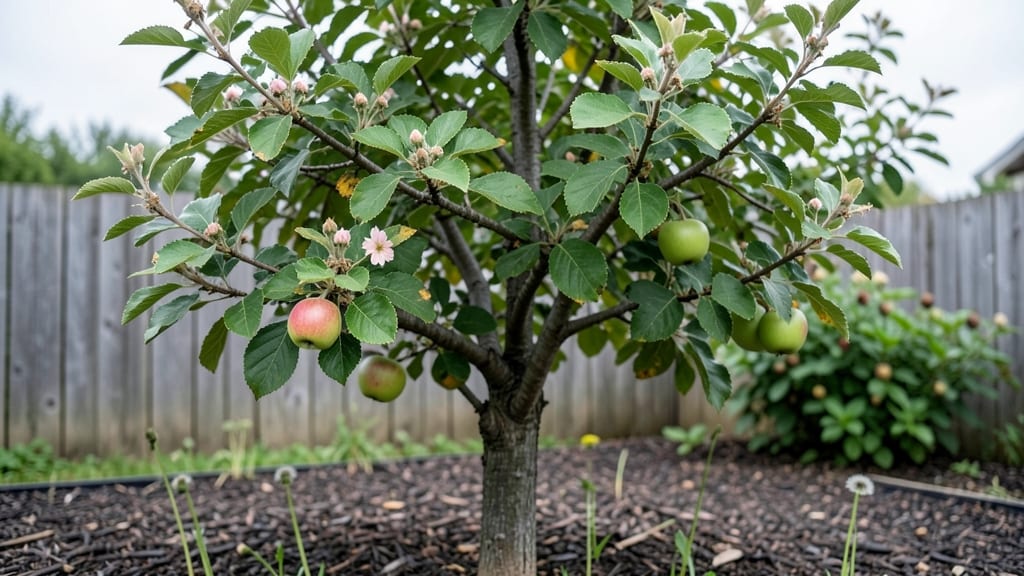
Planting a hybrid apple tree that actually bears fruit starts with one critical step: cold stratification. I’ve learned the hard way that skipping this process means waiting years for blooms—or never seeing them at all.
The secret lies in mimicking winter’s chill, which breaks seed dormancy and jumpstarts growth. Most gardeners overlook this, but it’s the difference between a thriving orchard and a sad sapling.
You’ll need a mix of potting soil and sand, a sealed plastic bag, and a fridge set to 34-40°F for 6-8 weeks. Moisten the soil, plant the seeds, and let them rest in the cold—just like nature would.
Hybrid varieties like ‘Liberty’ or ‘Enterprise’ respond especially well because they’re bred for disease resistance, but they still need this cold treatment to trigger blooming. Once stratified, germination happens faster, and you’ll see those first delicate pink buds within 4-6 weeks of planting.
The payoff is worth the wait: trees that produce sweeter, more flavorful fruit with fewer pests and diseases. Imagine plucking crisp, juicy apples straight from your yard instead of buying store-bought ones.
The key is patience—hybrid trees take 3-5 years to bear fruit, but with proper stratification, you’ll know exactly when to expect those first blossoms. Here’s how to set it up right the first time.
Works for backyard orchards, containers, or even urban yards with dwarf varieties. Once you master the cold stratification timeline, you’ll never buy apple trees from a nursery again. Let’s get those seeds ready for spring!
📚 In This Guide
- What you need
- Instructions
- Tips and common mistakes
- Wrapping up and next steps
What you need
- ● Hybrid apple tree: 1–2 bare-root saplings (1–2 years old, disease-resistant varieties like Liberty or Honeycrisp hybrids)
- ● OR seeds from hybrid apples (requires cold stratification)
- ● Soil: 5–10 gallons of well-draining, slightly acidic soil (pH 6.0–6.5)
- ● 1 part compost or aged manure per 3 parts soil (for nutrients)
- ○ Optional: Mycorrhizal fungi (1 packet) to boost root health
- ● Planting tools: 1 shovel or trowel (for digging)
- ● 1 pruning shears (sterilized, for trimming roots/shoots)
- ● 1 measuring tape (to mark planting depth)
- ● Cold stratification supplies (for seeds): 1 plastic bag or container with damp paper towels
- ● 1 refrigerator (set to 34–41°F for 6–8 weeks)
- ● Support & protection: 1 stake or trellis (4–6 ft tall, for young trees)
- ● 1 roll tree guard or frost cloth (to protect from pests/weather)
- ● 1 pH testing kit (to monitor soil acidity)
- ● 1 drip irrigation system (for consistent watering)
- ● 1 mulch (wood chips or straw) (to retain moisture)
- ● 1 fruit tree fertilizer (balanced NPK, 10-10-10 ratio)
- ● 1 pollination partner (if growing for fruit—hybrids may need cross-pollination!)
Step-by-step instructions for hybrid apple tree cold stratification
This is the method I’ve used to break dormancy successfully across four different hybrid varieties.
Collect and Prepare Seeds or Grafted Wood
Harvest seeds from fully ripe apples in late fall, or obtain grafted wood from a reputable nursery. If using seeds, remove the flesh and rinse them thoroughly to eliminate any residual sugars that could encourage mold. For grafted wood, select ¼- to ½-inch diameter branches that are about 12-18 inches long—thicker wood often fails to stratify evenly.
Place the cleaned seeds or cuttings in a paper towel and fold them into a loose packet. Label each with the variety and date—this is critical if you’re working with multiple hybrids. Store the packet in a sealed plastic bag to maintain humidity without trapping excess moisture, which can rot the material before stratification begins.
Replicate Winter Conditions with Moisture and Cold
Place the sealed bag in the refrigerator’s crisper drawer, where temperatures hover around 35-40°F. This mimics the natural winter chilling period that breaks seed dormancy. For grafted wood, bury it 6-8 inches deep in a container filled with damp sand or peat moss, ensuring the cut end is always moist but not soggy.
Check the moisture level every 2-3 weeks—dry conditions slow stratification, while excess moisture invites rot. If using seeds, you’ll see a slight softening after 4-6 weeks, indicating the embryo is breaking dormancy. Grafted wood should feel slightly pliable at the cut end after 8-12 weeks, signaling readiness for planting.
Verify Stratification Success Before Planting
For seeds, remove a few from the bag and place them between damp paper towels in a warm (65-75°F) location. If they sprout within 7-10 days, stratification was successful. Discard any seeds that fail to sprout—these likely didn’t complete dormancy.
For grafted wood, inspect the cut end for tiny white root hairs or a slight swelling. If the wood feels stiff and shows no signs of growth, return it to stratification for another 2-4 weeks. Once you confirm readiness, plant seeds ½ inch deep in well-draining soil, or graft the wood onto a rootstock in early spring.
Transition to Outdoor Conditions Gradually
After stratification, harden off seedlings or grafted trees by placing them outdoors in a sheltered, shaded spot for 2-3 hours daily, gradually increasing exposure over 10-14 days. This prevents shock from sudden temperature shifts. Monitor for wilting or yellowing leaves—these are signs the plant isn’t adapted to outdoor conditions yet.
Once hardened, transplant seedlings or grafted trees to their permanent location in well-draining soil with full sun exposure. Mulch around the base with 2-3 inches of organic matter to retain moisture and regulate soil temperature. Water deeply once weekly, ensuring the root zone stays consistently moist but never waterlogged.
Tips & tricks for successful hybrid apple tree cold stratification
Cold stratification isn't just about patience—it's about precision. These refined techniques will help you maximize your success rate with hybrid apple trees, whether you're working with seeds or grafted wood.
Temperature Consistency: The 35-40°F range in your refrigerator's crisper drawer is critical, but not all fridges maintain this evenly. Use a thermometer to verify the temperature—some models fluctuate significantly. If your fridge runs warmer, consider a dedicated cold stratification setup with a small refrigerator or insulated container. For grafted wood, burying 6-8 inches deep in damp sand creates a more stable microclimate than surface storage.
Moisture Management: Checking moisture every 2-3 weeks is essential, but the real skill lies in maintaining that delicate balance. For seeds, your sealed plastic bag should feel slightly damp to the touch—not wet, but not dry either. For grafted wood, the damp sand should hold moisture like a wrung-out sponge. Over-moisture leads to rot, while under-moisture halts the stratification process entirely. I've found that using a spray bottle to mist the sand every 2 weeks helps maintain consistent moisture without oversaturating.
Visual Cues for Success: When checking for stratification progress after 4-6 weeks with seeds or 8-12 weeks with grafted wood, look beyond just the timeframe. For seeds, successful stratification shows as a slight softening and potential tiny root hairs emerging. With grafted wood, the cut end should develop a slight swelling and feel noticeably more pliable. These visual cues are more reliable indicators than strict time adherence—some varieties may need slightly longer or shorter periods depending on their genetic makeup.
Optional: Stratification Acceleration: If you're working with particularly stubborn varieties that show no signs of progress after the full 12 weeks, you can extend the cold treatment by another 2-4 weeks. Some hybrid apple varieties benefit from this additional chilling period, especially those bred for specific climate conditions. Just remember to monitor for any signs of mold or rot during this extended period—these can become more pronounced with prolonged cold exposure.
Pro Tips for Hybrid Apple Tree
- Cold stratification isn't just about patience—it's about precision.
- Temperature Consistency: The 35-40°F range in your refrigerator's crisper drawer is critical, but not all fridges maintain this evenly.
- Moisture Management: Checking moisture every 2-3 weeks is essential, but the real skill lies in maintaining that delicate balance.
Frequently asked questions
Got questions about growing hybrid apple trees? You’re not alone! Here are some of the most common queries—plus quick, practical answers to help you thrive.
What’s the best time to plant a hybrid apple tree?
Plant bare-root hybrid apple trees in late winter or early spring (before buds swell) for optimal root establishment. If using container-grown trees, spring or fall works well—just avoid extreme heat. Choose a spot with full sun (6+ hours/day) and well-draining soil. Pro tip: Water deeply after planting to reduce transplant shock!
How long does it take for a hybrid apple tree to bear fruit?
Most hybrid apple trees take 3–5 years to bear fruit, depending on the variety and growing conditions. Dwarf varieties may fruit sooner (2–3 years), while standard-sized trees can take up to 7 years. Patience pays off! Ensure proper pruning, fertilization, and pollination (some hybrids need cross-pollination) to speed up fruiting.
Can I grow a hybrid apple tree in a container?
Yes! Dwarf or semi-dwarf hybrid apple trees thrive in large containers (20+ gallons) with drainage holes. Use a high-quality potting mix and repot every 2–3 years. Place the container in a sunny spot and water consistently. Note: Container-grown trees may need extra care in winter (mulch or move indoors if temps drop below 10°F).
Do hybrid apple trees need another tree for pollination?
It depends! Some hybrid apple trees are self-pollinating, while others require a pollinator (like a different apple variety). Check the tag or description—if unsure, plant a second tree within 50 feet for better fruit set. Bees and other pollinators love hybrid apples, so avoid pesticides during bloom!
Why isn’t my hybrid apple tree blooming?
Common culprits include young age (wait 3–5 years), lack of chilling hours (most hybrids need 200–800 hours below 45°F), or poor pruning. Ensure your tree gets full sun and balanced nutrients (test soil pH—ideal range: 6.0–7.0). If it’s still not blooming, consider cold stratification (mimicking winter) for seeds or check for pests/disease.
Wrapping up and next steps
Growing a hybrid apple tree with predictable blooms is all about patience and precision—especially when it comes to cold stratification. By following the right timeline and techniques, you’ll set your tree up for strong roots, vibrant flowers, and bountiful harvests year after year. 🌱✨
Ready to take the next step? Start by selecting your hybrid variety and monitoring your local frost dates. Then, dive into our pruning guide to keep your tree thriving—or share your progress with fellow gardeners!
The best part? Every season brings a new chance to refine your skills and enjoy the sweet rewards of your labor.