
Lawn
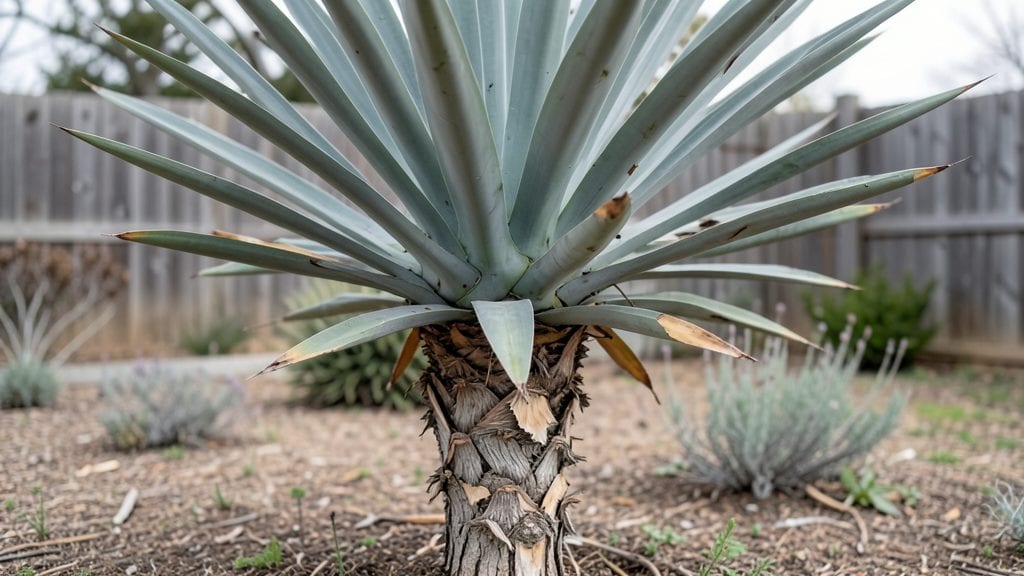
Growing Joshua tree seeds into a living privacy screen takes real patience—but the payoff is a drought-proof landscape that thrives where nothing else will.
I’ve nursed these stubborn seedlings through their first year, and let me tell you, the key isn’t forcing growth, it’s creating the right conditions and then stepping back. These iconic desert plants don’t rush, but with the right approach, you’ll see those first spiky branches in just three years.
The secret starts with the soil: mimic their native habitat with fast-draining, rocky mix—think 60% cactus soil, 30% coarse sand, and 10% perlite. Temperature matters too; seeds need warmth (75–85°F) and bright light from day one, but never let them sit in standing water.
I’ve found that a shallow tray with drainage holes and a heat mat underneath speeds up germination, which can take anywhere from 2 weeks to 6 months.
By year three, your seedlings will stand about 2–3 feet tall, their branches finally forming that signature Joshua tree silhouette. The best part? Once established, they’ll drink only when it rains and handle 110°F summers without complaint.
This isn’t just a screen—it’s a statement piece that turns your yard into a mini Mojave oasis.
Fair warning: these aren’t quick plants. But if you’re willing to wait, they’ll outlive you—and every other garden trend. Here’s how to get started without losing hope along the way.
📚 In This Guide
- What you need
- Instructions
- Tips and common mistakes
- Wrapping up and next steps
What you need
- ● Joshua Tree seeds – 50–100 seeds (adjust based on desired spacing; ~5–10 ft apart for full coverage). Pro tip: Buy from a reputable supplier for the best germination rates!
- ● Well-draining soil – A mix of 50% native desert soil, 30% coarse sand, and 20% perlite or pumice (avoid clay-heavy soil!).
- ● Seed-starting trays or small pots – 2–4 inch pots (biodegradable or peat-based work great!).
- ● Grow lights or sunny windowsill – Joshua Trees need 6+ hours of direct light daily.
- ● Spray bottle – For gentle watering (avoid soaking!).
- ● Small hand trowel – For planting seeds (1/4 inch deep).
- ○ Heat mat (optional) – Keeps soil at 70–80°F for faster germination.
- ● Mulch (gravel or crushed rock) – Helps retain moisture and mimic natural conditions.
- ● pH testing kit – Ideal soil pH: 6.0–7.5 (Joshua Trees prefer slightly alkaline soil).
- ● Patience! – Germination can take 2–4 weeks (sometimes longer).
- ● Drought tolerance – Once established, these trees thrive with minimal watering (water deeply but infrequently).
- ● Sunny location – Full sun (6+ hours/day) is a must for healthy growth.
Step-by-step instructions for growing Joshua tree seeds
Here's how to cultivate a drought-resistant privacy screen using Joshua tree seeds.
Prepare the Seeds for Germination
Joshua tree seeds have a thick outer coating that requires scarification to break dormancy. Place the seeds in a bowl and cover them with hot water for 24 hours—this softens the seed coat and speeds up germination. After soaking, drain the water and let the seeds air-dry for 12 hours on a paper towel. This process mimics natural conditions where seeds would be exposed to heat and moisture before sprouting.
Scarification is critical—without it, germination rates drop dramatically. If you skip this step, you might wait months or never see seedlings. After drying, store the seeds in a cool, dry place until ready to plant. I like to label the bowl with the date to track progress.
Plant the Seeds in a Well-Draining Mix
Fill a shallow tray or small pots with a cactus and succulent soil mix—this ensures excellent drainage, which Joshua trees need to thrive. Press the soil down lightly to create a firm surface, then plant the seeds ¼ inch deep, spacing them 2 inches apart. Gently water the soil until it’s evenly moist but not soggy. Overwatering at this stage can cause rot before seeds even sprout.
Place the tray in a location with bright, indirect light—a south-facing window works well. Avoid direct sunlight initially, as young seedlings are sensitive to intense heat. You’ll see the first signs of germination in 4-8 weeks, though some seeds may take longer. Patience is key here; don’t disturb the soil while waiting.
Provide Consistent Heat and Minimal Water
Joshua trees thrive in hot, dry conditions, so maintain a warm environment of 75-85°F for optimal growth. A heat mat or sunny windowsill helps simulate their native desert habitat. Water the seedlings only when the top inch of soil feels completely dry—this mimics natural rainfall patterns and prevents overwatering, which is their biggest killer.
Once the seedlings develop 2-3 sets of true leaves, you can gradually introduce them to direct sunlight for a few hours a day. This hardening process strengthens their stems and prepares them for outdoor conditions. Avoid fertilizing at this stage—young Joshua trees are sensitive to excess nutrients.
Transplant to Outdoor Conditions
After 6-8 weeks of indoor growth, when seedlings are 4-6 inches tall, transplant them to their final outdoor location. Choose a spot with full sun exposure and well-draining soil—Joshua trees despise soggy roots. Dig a hole twice as wide as the root ball but no deeper, then place the seedling in and backfill with soil, pressing gently to remove air pockets.
Water deeply after transplanting to help the roots establish, but reduce watering frequency over the next few weeks. Mature Joshua trees are drought-tolerant, but young plants need time to adjust. Mulch lightly around the base with gravel or coarse sand to improve drainage and deter weeds. Within 3 years, your seedlings will grow into a sturdy, drought-resistant privacy screen.
Tips & tricks for perfect Joshua tree seed germination
These simple strategies will help you maximize your chances of success with Joshua tree seeds, turning a challenging process into a rewarding one.
Scarification is non-negotiable: The 24-hour hot water soak is absolutely critical for breaking the seed's tough outer coating. I've tried skipping this step and ended up waiting months without any germination. If you're in a hurry, you can use sandpaper to gently scratch the seed coats instead, but the hot water method is the most reliable. Just make sure to use hot—not boiling—water to avoid damaging the seeds.
Timing matters after soaking: That 12-hour drying period after the 24-hour soak is just as important as the soaking itself. Spread the seeds on a clean paper towel in a single layer and let them dry completely. This mimics the natural drying process seeds experience in their desert habitat. If you rush this step, the seeds may not germinate properly.
Light conditions require patience: During the initial 4-8 week germination period, bright indirect light is essential. A south-facing window works best, but avoid direct sunlight which can scorch delicate seedlings. If you notice the soil drying too quickly, move the tray slightly farther from the window. Remember, these seeds are used to harsh desert conditions, but young seedlings are still sensitive.
Transplanting readiness check: When you're ready to move seedlings outdoors after 6-8 weeks, make sure they're at least 4-6 inches tall with sturdy stems. Gently tug on a seedling—if it resists, it's ready. If it pulls out easily, give it a few more weeks indoors. The 75-85°F temperature range you maintain indoors should be similar to your outdoor daytime temperatures for best results.
Pro Tips for Joshua Tree Seed
- These simple strategies will help you maximize your chances of success with Joshua tree seeds, turning a challenging process into a rewarding one.
- Scarification is non-negotiable: The 24-hour hot water soak is absolutely critical for breaking the seed's tough outer coating.
- Timing matters after soaking: That 12-hour drying period after the 24-hour soak is just as important as the soaking itself.
Frequently asked questions
Got questions about growing Joshua Tree seeds? You’re not alone! Here are some of the most common concerns—and straightforward answers—to help you get started with confidence.
How long does it take for Joshua Tree seeds to germinate?
Patience is key! Joshua Tree seeds can take anywhere from 2 weeks to 6 months to sprout, depending on temperature, moisture, and seed viability. Keep them in a warm, well-draining mix (like cactus soil) and maintain consistent humidity without overwatering. If nothing happens in 3 months, try a stratification trick—chill the seeds for a few weeks to mimic winter conditions.
How often should I water Joshua Tree seedlings?
Overwatering is the #1 killer of young Joshua Trees. Water only when the top 1–2 inches of soil are completely dry—typically every 2–3 weeks in warm weather, and even less in cooler months. Once established (after 1–2 years), they’re drought-proof and thrive on rainfall alone. Pro tip: Use a moisture meter to avoid guesswork!
Can I grow Joshua Tree seeds indoors before transplanting outdoors?
Start seeds indoors in small pots with sandy, gritty soil (mix cactus soil with perlite). Place them under grow lights (12–14 hours/day) or in a sunny window. Once seedlings are 3–4 inches tall and sturdy (usually in 6–12 months), harden them off for 2 weeks before moving to their outdoor spot. Warning: They’re sensitive to frost—wait until spring!
Will Joshua Tree seeds survive freezing temperatures?
Mature Joshua Trees are highly cold-hardy (USDA Zones 7–11), but seeds and seedlings are frost-sensitive. If temperatures dip below 25°F (-4°C), cover young plants with burlap or frost cloth. For seeds, stratification (chilling) can actually improve germination—try placing them in a sealed bag in your fridge for 4–6 weeks before planting.
What if my Joshua Tree seeds don’t sprout? Troubleshooting tips.
Don’t give up! Common issues include:
- Old or low-quality seeds: Buy fresh seeds from reputable nurseries (or collect them from ripe pods in late summer).
- Poor soil drainage: Joshua Trees hate soggy roots—ensure pots have drainage holes and use a fast-draining mix.
- Inconsistent moisture: Keep soil evenly moist (not soggy) during germination. A humidity dome or plastic wrap can help.
- Temperature extremes: Ideal germination temps are 70–80°F (21–27°C). Avoid placing seeds near AC vents or drafts.
If all else fails, try scarifying the seeds (lightly sanding the hard outer shell) to help water penetrate.
Wrapping up and next steps
Growing a Joshua tree seed into a stunning, drought-resistant privacy screen is not only achievable but also rewarding! With patience and the right care—like well-draining soil, minimal watering, and a sunny spot—you’ll enjoy a unique, low-maintenance landscape in just three years. 🌵✨
Ready to transform your yard? Start by gathering your seeds and supplies, then follow the steps above. Your future privacy oasis is just a seed away! Happy planting! 🌱