
Diseases
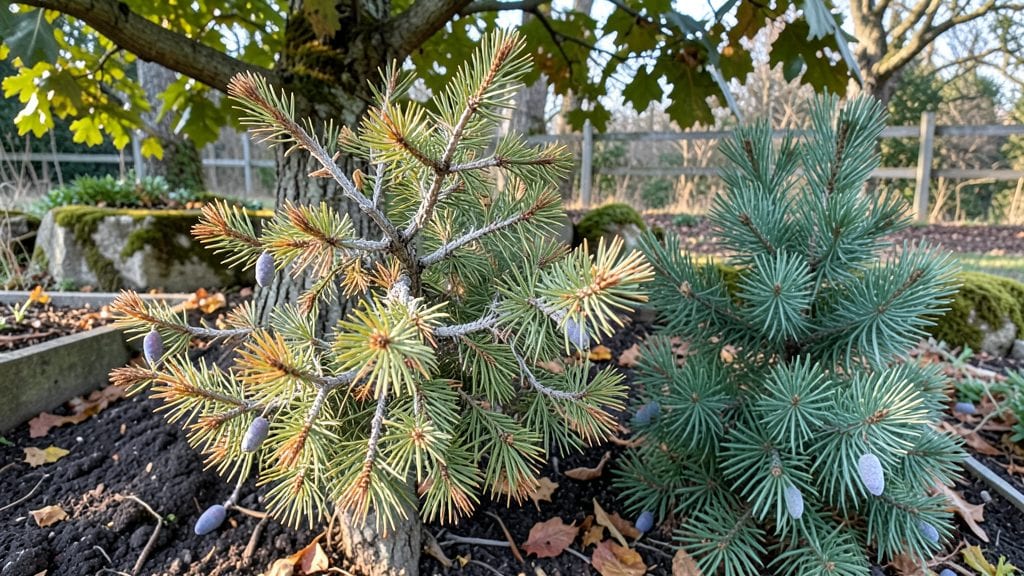
Identifying juniper tree diseases early—especially with the right juniper tree diseases pictures—can stop blight from turning your shrubs’ lush green foliage brown in just weeks. These visual clues are your first warning.
The most common culprits are juniper blight (those dark, sunken patches) and root rot (mushy stems and foul smells). Needle blight starts as faint brown streaks before spreading like ink on paper.
The good news? Catching these early means you can prune infected branches, improve drainage, or even save the tree with the right care.
You’ll learn to identify each disease by its unique pattern—whether it’s the powdery mildew coating or the web-like growth of spider mites. With these visual guides, you’ll know exactly which treatment to use: fungicide sprays, copper-based solutions, or simply better airflow around your junipers.
This works for any juniper variety, from the upright ‘Blue Rug’ to sprawling ‘Sargentii.’ Once you recognize the symptoms, your trees will stay healthy for years. Let’s get started with the visual clues that matter most.
Root Causes of Juniper Tree Struggles
Juniper trees, while hardy, aren’t immune to stress or pathogens. Understanding why these diseases take hold is the first step to prevention and treatment. Below, we break down the key factors that create the perfect storm for juniper tree diseases—from environmental triggers to biological invaders.
Fungi are the most common culprits behind juniper tree diseases, thriving in moist, shaded conditions. These microscopic organisms latch onto weak spots—like damaged bark or overcrowded foliage—and spread rapidly. Here’s how they exploit your tree:
- Spores in the Air: Fungal spores (e.g., from Phomopsis juniperovora, which causes juniper blight) float on wind or rain, landing on leaves and needles. Once conditions are right—like prolonged dampness—they germinate and infect the plant.
- Warm, Wet Weather: Fungi love humidity (60%+ air moisture) and temperatures between 60–80°F (15–27°C). Heavy dew, poor drainage, or overhead watering create ideal breeding grounds.
- Weakened Defenses: Stressed junipers (due to drought, poor soil, or pest damage) have thinner cuticles, making it easier for fungi to penetrate.
💡 Pro Tip: Prune junipers in dry weather to avoid spreading fungal spores. Remove infected branches immediately and disinfect tools with a 10% bleach solution.
Insects and mites don’t just nibble on junipers—they open doors for diseases. By damaging bark, needles, or roots, pests create entry points for fungi and bacteria. Here’s how they set the stage:
- Sap-Sucking Insects (e.g., spider mites, scale): These pests inject toxins into the tree, weakening its ability to fight off infections. Their sticky honeydew also attracts sooty mold, which smothers foliage.
- Bark-Boring Beetles: Species like the juniper bark beetle tunnel into the cambium layer (the tree’s growth tissue), disrupting nutrient flow. This stress makes the tree vulnerable to canker diseases.
- Root Feeders (e.g., grubs, nematodes): Underground pests degrade root health, reducing the tree’s water and nutrient uptake. Weak roots can’t support foliage, leading to needle blight or tip blight.
🔥 Action Step: Monitor junipers for webbed foliage (mites) or sawdust-like frass (beetles). Use horticultural oil in early spring to smother eggs and young pests before they mature.
Juniper trees are drought-tolerant, but extreme or inconsistent conditions can cripple their immune system. These factors create stress that invites disease:
| Stressor | How It Weakens the Tree | Diseases It Invites |
|---|---|---|
| 💦 Overwatering | Waterlogged soil suffocates roots, leading to root rot (Phytophthora) and fungal growth. | Canker, needle cast |
| ☀️ Drought + Heatwaves | Thickens resin, clogging stomata (pores) and preventing gas exchange. Needles dry out, becoming entry points for Phomopsis. | Tip blight, needle blight |
| ❄️ Freeze Damage | Cracks bark, exposing inner tissue to bacterial canker (Pseudomonas). | Canker, dieback |
| 🌿 Poor Air Circulation | Trapped moisture on foliage (from dense planting or mulch piles) encourages Botrytis (gray mold). | Foliage blight, powdery mildew |
✨ Smart Fix: Space junipers 3–5 feet apart for airflow. Use drip irrigation (not sprinklers) to keep foliage dry, and mulch 3 inches deep to regulate soil moisture.
Even with ideal growing conditions, gardening habits can accidentally invite problems. These common oversights create vulnerabilities:
- Over-Fertilizing: Excess nitrogen promotes lush, soft growth that fungi love. Junipers prefer low-nitrogen, acidic soil (pH 5.0–7.0).
- Improper Pruning: Cutting too late in the season (fall/winter) or using dirty tools spreads fungal spores. Always prune in early spring.
- Planting in Low Spots: Junipers hate "wet feet." Planting them where water pools after rain or irrigation invites root rot.
- Ignoring Soil Health: Compacted or alkaline soil (pH >7.0) starves junipers of nutrients, making them susceptible to nutritional deficiencies that mimic disease.
🎯 Prevention Checklist:
- Test soil pH—amend with sulfur if too alkaline.
- Use sharp, sterilized pruners and seal cuts with pruning paint.
- Avoid heavy mulch piles against the trunk (keep it 2–3 inches away).
How to Treat and Prevent Juniper Tree Ailments
Juniper trees are hardy, but when diseases strike, quick action can mean the difference between recovery and loss. Below, we’ve mapped out practical solutions for common juniper diseases, paired with prevention tips to keep your trees thriving.
Think of this as your step-by-step guide to diagnosing and fixing the problem—before it spreads!
🔥 Remove Infected Foliage Immediately
- How: Snip off and dispose of (not compost!) any branches, needles, or berries showing signs of mold, rust, or blight.
Use sterilized pruners (wipe with rubbing alcohol between cuts) to avoid cross-contamination. - When: Early morning (when fungi are least active) or on dry days. - Pro Tip: 💡 Bag the debris in a sealed plastic bag and trash it—fungi can survive in compost!
🍳 Apply Fungicidal Sprays (Organic or Chemical)
- For mild cases: Mix 1 tbsp baking soda + 1 tsp dish soap + 1 gallon water in a spray bottle.
Apply to both sides of needles and trunk cracks. - For severe infections: Use a copper-based fungicide (like Copper Soap) or neem oil spray (1% concentration). Reapply every 7–10 days until symptoms fade. - Prevention: Spray preventatively in spring and fall (when fungi spores are most active).
🌡️ Improve Airflow and Drainage
- Thin the canopy by pruning 10–20% of dense growth to reduce humidity.
- Aerate the soil around the base with a garden fork if compacted.
- Mulch properly: Use 2–3 inches of wood chips, keeping it 6 inches away from the trunk to prevent rot.
👨🍳 Handpick or Bagworm Banding
- For bagworms: Tie burlap bands around the trunk in early summer—larvae will crawl up and get trapped. Remove and burn or soak in soapy water.
- For spider mites: Blast off mites with a strong hose spray (disrupts their webs).
Follow up with insecticidal soap (1 tbsp per gallon of water).
🥘 Introduce Beneficial Insects
- Ladybugs (for aphids) or parasitic wasps (for bagworms) can be purchased online or attracted with native flowering plants (like dill or yarrow).
- Neem oil (2.5% concentration) deters pests—spray weekly during outbreaks.
✨ Prune Strategically
- Remove heavily infested branches (especially those with white webbing or black sooty mold).
- Seal pruning cuts with pruning sealant to prevent secondary infections.
💧 Adjust Watering Habits
- Drought stress? Water deeply 1–2 times per week (soak the root zone, not just the surface).
- Overwatering? Let the soil dry 2–3 inches deep between waterings. Improve drainage with sand or gravel in heavy clay soils.
🌿 Provide Shade Cloth (Temporary Fix)
- If new growth is bleached or scorched, drape 50% shade cloth over the tree for 2–4 weeks while it recovers.
🎯 Fertilize Smartly
- Avoid high-nitrogen fertilizers (they encourage soft, pest-prone growth). Instead, use a balanced 10-10-10 or organic compost in early spring.
- Test soil pH—juniper prefers slightly acidic (6.0–7.0). Adjust with sulfur (to lower pH) or lime (to raise pH) if needed.
- Inspect monthly for early signs (yellowing, spots, webs).
- Clean up fallen needles/berries to remove fungal spores.
- Avoid overhead watering (use drip irrigation to keep foliage dry).
- Plant junipers in full sun (they’re drought-tolerant but hate soggy roots).
- Choose disease-resistant varieties like ‘Blue Rug’ or ‘Sargentii’ if your area has fungal issues.
Remember: Most juniper diseases are preventable with proactive care. The key? Act fast at the first sign of trouble—and your tree will bounce back stronger than ever! 🌱
Frequently asked questions
What do juniper blight spots look like up close?
Juniper blight spots appear as dark brown to black, sunken patches on needles, often with a white or gray fuzzy edge. Think of them like tiny, irregularly shaped bruises that spread quickly—especially in wet conditions. Use a magnifying glass to spot the fuzzy fungal growth that confirms infection.
Can I save my juniper if half the branches are already brown?
Yes, but act fast! Prune out all infected branches (including 1–2 inches of healthy tissue below the browning) and dispose of them in sealed bags. Apply a copper fungicide to remaining branches, then focus on improving airflow and drainage. If the root system is healthy, new growth can sprout from the base.
Why does my juniper have white webbing between branches?
That’s likely bagworms—caterpillars that spin protective silk cocoons while feeding on needles. The webbing traps moisture, creating ideal conditions for fungal growth. Handpick bags in early summer or wrap trunks with burlap bands to trap larvae. Neem oil also disrupts their life cycle.
How can I tell if my juniper’s problems are disease-related or just drought stress?
Drought stress shows as uniform browning from the tip inward (like a sun-bleached fringe), while diseases create irregular patches with fuzzy edges or spots. Press a needle—if it snaps dry, it’s drought. If it’s soft or mushy, check for fungal growth. Junipers recover from drought faster than from fungal infections.
Are there juniper varieties that resist diseases better?
‘Blue Rug’ junipers (low-growing) and ‘Sargentii’ (upright) are among the hardiest, with natural resistance to many fungal issues. For wet climates, choose ‘Skyrocket’—its dense growth discourages pests. Always buy from reputable nurseries to avoid introducing pathogens.