
Lawn
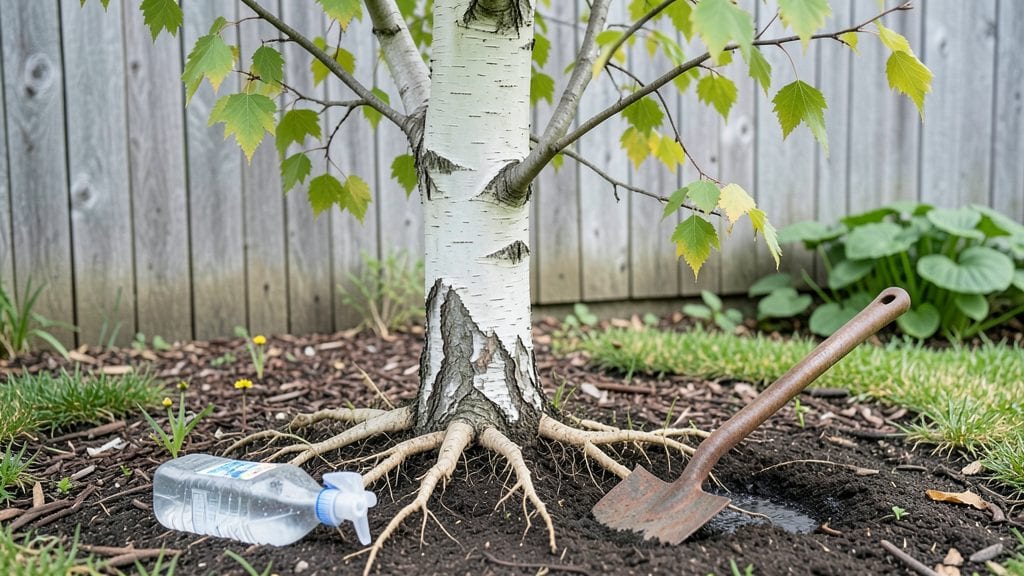
Killing tree roots in lawn may seem daunting, but these stubborn invaders still strangle your grass’s health, leaving stubborn brown patches that no fertilizer can revive.
I’ve battled this exact problem with my mature oak—until I discovered mechanical barriers and organic methods that actually work without killing the tree or poisoning the soil. The key is targeting the roots where they cross into lawn space while preserving what’s already thriving above ground.
You don’t need harsh chemicals to reclaim your grass. Instead, I’ll show you how to use deep trench barriers, root pruning techniques, and competitive ground covers to redirect those roots naturally.
The tools are simple—a shovel, landscape fabric, and maybe a few gallons of vinegar for stubborn spots—but the results are dramatic. Within a season, you’ll see grass fill in where it was once impossible.
What you’ll end up with is a lawn that stays lush and even, free from the gnarled roots that once choked it. The tree stays happy, your soil stays healthy, and you avoid the long-term damage of herbicides.
Best of all, these methods work whether you’ve got a young sapling or a century-old giant in your yard.
Fair warning: This isn’t a quick fix—roots are persistent—but with patience and the right approach, you’ll transform that struggling lawn into something neighbor-jealousy levels of green. Let’s get started with the tools that’ll actually work for your space.
📚 In This Guide
- What you need
- Instructions
- Tips and common mistakes
- Wrapping up and next steps
What you need
- ● Handheld pruning shears or loppers – For trimming roots close to the tree trunk (choose bypass pruners for cleaner cuts).
- ● Shovel or spade – A flat-edged shovel (16–20 inches wide) works best for digging trenches.
- ● Garden hose or watering can – For keeping the soil moist during the process.
- ● Heavy-duty gloves – Garden-grade, cut-resistant gloves to protect your hands from sharp roots and debris.
- ● Rake or cultivator – A bow rake (for larger areas) or a hand cultivator (for precision).
- ○ Mulch (optional but recommended) – Shredded hardwood mulch (2–4 inches deep) to suppress regrowth and protect the lawn.
- ○ Barrier material (optional) – Landscape fabric (3–4 feet wide) – To block new roots from infiltrating the lawn.
- ● Corrugated metal or plastic root barriers – For long-term prevention (install at least 12 inches deep).
- ● Check local regulations – Some areas restrict tree root removal or require permits, especially for large trees.
- ● Mark utility lines – Call 811 (USA) or your local utility locator service to avoid striking underground pipes or wires.
- ● Choose the right timing – Early spring or fall is ideal when trees are dormant but soil is workable.
- ● Assess the tree’s health – If the tree is young, diseased, or a protected species, consider alternative solutions like root pruning or mulching.
Step-by-Step guide to removing tree roots from lawns without chemicals
Here’s how to reclaim your lawn while keeping your tree alive and your grass thriving.
Identify and Map the Root Zone
Before you dig, trace the tree’s root spread using a sharp spade or root finder. Most roots extend 2-3 times the tree’s canopy width, but the most aggressive growth occurs in the top 12 inches of soil. Mark the boundaries with stakes—this helps avoid accidentally severing critical roots that supply water and nutrients.
Look for suckers (thin, vertical roots) and lateral roots (horizontal spreaders). Suckers are easier to remove, while lateral roots require more strategic cutting. If you see roots less than ½ inch thick, you can safely trim them without harming the tree.
Use Physical Barriers to Redirect Growth
Install root barriers (made of galvanized metal or heavy-duty plastic) 18-24 inches deep along the lawn’s edge where roots are encroaching. These barriers force roots to grow upward or around the obstacle rather than spreading into your grass. For small trees, a 2-foot-deep barrier works well; larger trees may need 3 feet to contain lateral spread.
Bury the barrier 6 inches below the soil line and extend it 6 inches above ground to prevent roots from growing over the top. Water the area thoroughly after installation to encourage roots to seek the barrier’s edge.
Prune Roots Strategically During Dormancy
Wait until late fall or early winter (when the tree is dormant) to prune roots. Use a sharp shovel or root saw to cut roots 6-12 inches from the trunk—never closer, as this can girdle the tree. For roots thicker than 2 inches, make clean, angled cuts to minimize damage and reduce the risk of disease.
After cutting, mulch the area heavily (3-4 inches deep) with wood chips or shredded bark to smother emerging suckers and improve soil health. Avoid piling mulch against the trunk—keep it 6 inches away to prevent rot.
Aerate and Overseed Problem Areas
Once roots are contained, aerate the lawn in late summer or early fall using a core aerator to relieve compaction from root competition. Remove the soil plugs and overseed with shade-tolerant grass varieties like fine fescue or creeping red fescue, which thrive in low-light conditions.
Apply ½ pound of slow-release fertilizer per 1,000 square feet to strengthen grass roots and outcompete weeds. Water deeply twice weekly for the first month to help new grass establish before tree roots reclaim dominance.
Monitor and Maintain Long-Term
Check the barrier and root zone twice yearly (spring and fall) for new growth. If suckers appear, dig them out immediately—they spread quickly and can overtake grass. For persistent lateral roots, reapply the barrier if needed or consider soil solarization in hot climates (covering the area with clear plastic for 4-6 weeks to kill roots with heat).
Mulch annually to suppress weeds and improve soil structure, which helps grass roots grow deeper and stronger. Over time, your lawn will recover its density while the tree remains healthy—no chemicals required.
Tips & tricks for removing tree roots without harming grass
These targeted strategies will help you reclaim your lawn while preserving your tree's health and ensuring long-term success.
Precision in Step 1: When mapping the root zone, use a garden hose to trace the tree's canopy width before calculating the 2-3 times extension. This visual method helps avoid underestimating the spread, especially for fast-growing species like willows or maples. For accuracy, measure from the trunk's base outward—not from the tree's edge. A tape measure or wheel barrow with marked increments works best for larger properties.
Barrier Placement Strategy: In Step 2, position root barriers at least 6 inches beyond the current root edge to account for future growth. For mature trees, consider a staggered barrier system—install one barrier now and plan to add a second line 12-18 months later as roots push against the first. This phased approach prevents sudden stress on the tree while maintaining containment. Always angle barriers at 45 degrees where they meet corners to prevent root growth around the edges.
Timing is Everything: The late fall to early winter window in Step 3 isn't just about dormancy—it's when trees allocate stored nutrients to root systems. Prune roots during this period to minimize stress on the tree's nutrient reserves. If you must work outside this window, choose days with temperatures between 40-60°F to reduce shock. For tropical trees, prune during their natural dry season instead.
Mulch Application Technique: When applying the 3-4 inch mulch layer in Step 3, use a rake to create a slight depression around the trunk before adding mulch. This creates a natural moisture barrier that prevents water from pooling against the bark. For large trees, consider using a mulch volcano tool to build the layer evenly without piling against the trunk. The key is maintaining that 6-inch clearance—any closer increases rot risk by trapping moisture.
Pro Tips for Killing Tree Roots In Lawn
- These targeted strategies will help you reclaim your lawn while preserving your tree's health and ensuring long-term success.
- Precision in Step 1: When mapping the root zone, use a garden hose to trace the tree's canopy width before calculating the 2-3 times extension.
- Barrier Placement Strategy: In Step 2, position root barriers at least 6 inches beyond the current root edge to account for future growth.
Frequently asked questions
Got questions about safely killing tree roots without harming your lawn? You’re not alone! Here are answers to the most common concerns—so you can tackle this project with confidence.
What’s the safest way to kill tree roots without damaging my grass?
Opt for herbicide-free methods like vinegar or salt solutions (for small roots) or manual removal with a shovel or root saw. For larger trees, deep soil drenching with undiluted vinegar (20%+ acetic acid) works best. Always test a small patch first to avoid grass burn.
How long does it take for tree roots to die after treatment?
Timing varies! Vinegar or salt may show results in 24–72 hours for exposed roots, but deeper roots can take 1–4 weeks to fully decompose. Manual cutting provides immediate relief, while smothering with cardboard/mulch takes 3–6 months for full root death.
Will killing tree roots harm my lawn long-term?
Not if done right! Herbicide-free methods (like vinegar or physical removal) won’t leave toxic residue. However, over-salting can harm grass—stick to 1 cup salt per gallon of water for spot treatment. After removing roots, reseeding bare spots helps restore your lawn.
Can I kill tree roots in winter or summer?
Best timing is spring or fall
—roots are active but not at peak growth. Avoid extreme heat (summer) or frost (winter), as these can reduce effectiveness. If treating in summer, water deeply before applying solutions to protect grass.
What if the roots keep growing back?
Persistent roots mean you may need repeat treatments or a barrier method. Try installing a physical root barrier (plastic or metal) around the tree’s drip line to block regrowth. For stubborn cases, professional stump grinding (if the tree is dead) eliminates the source.
Still stumped? Drop your question in the comments—we’re happy to help!
Wrapping up and next steps
Killing tree roots in your lawn doesn’t have to mean harsh chemicals or damaging your grass—you now have natural, effective alternatives at your fingertips! Whether you choose manual methods like trenching, smothering, or organic herbicides, the key is consistency and patience.
Your lawn will thank you for a healthier, root-free space without the guesswork.
Ready to take action? Start small—pick one method that fits your yard and timeline, then monitor progress. With the right approach, you’ll soon enjoy a lush lawn and peace of mind. 🌱 Grab your tools and get started today!