
Diseases
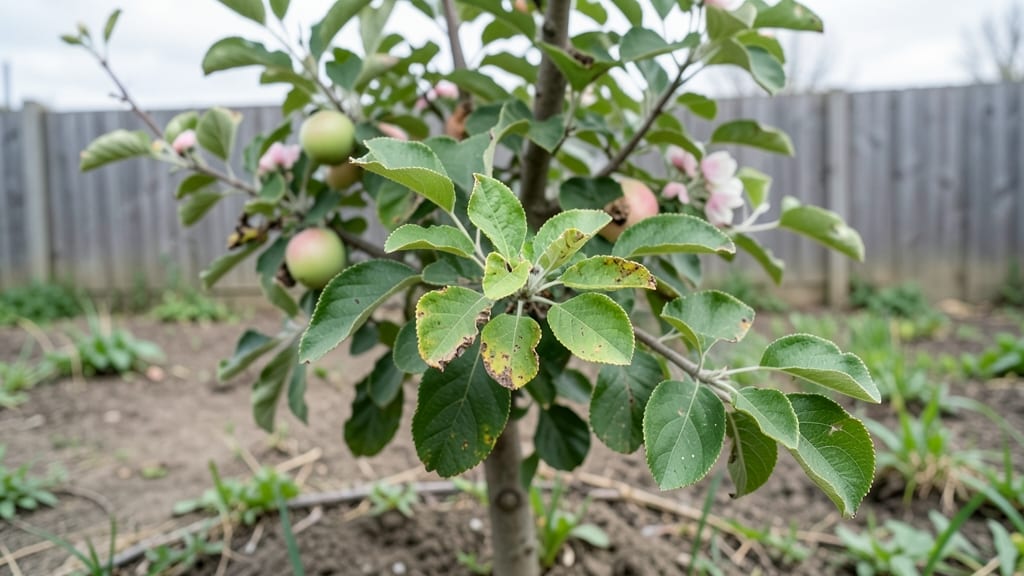
Leaf curl apple tree diseases turn your prized orchard into a crumpled mess of distorted leaves and stunted growth. 🌿 I’ve watched this disease transform healthy trees into sad, skeletal shadows in just a few weeks—and I’ll show you how to stop it before it spreads.
The key is catching it early, when the curled, puckered leaves first appear in spring.
This isn’t just about spraying something on the tree. The real fix starts with understanding why it happens—fungal spores overwintering in buds, then exploding when conditions get damp and cool.
Most gardeners waste time on the wrong treatments because they don’t realize the disease needs both preventive pruning and targeted sprays at the right time. I’ll break down the exact steps that actually work, from organic copper sprays to strategic fungicide applications.
You’ll learn to spot the difference between leaf curl and other problems (like aphids or environmental stress) so you don’t waste time on the wrong fixes.
Within weeks, your tree will start pushing out fresh, smooth leaves again—and with the right long-term care, you’ll keep those crisp, disease-free apples coming back every season. The first step? Don’t wait until the damage is done.
This works for backyard trees, orchards, and even container-grown apple varieties. Whether you’re dealing with a single infected branch or a whole grove, the principles stay the same. Let’s get your tree back to producing those sweet, unblemished fruits you planted it for in the first place.
Root Causes Of Leaf Curl
Apple trees develop leaf curl diseases when a mix of pathogens, environmental stress, and weak tree defenses align. Understanding these triggers helps you protect your orchard or backyard fruit tree. Here’s why it happens—and what’s really behind the damage.
Leaf curl in apple trees is primarily caused by fungal infections, with Venturia inaequalis (apple scab) and Venturia spp. being the most notorious.
These fungi thrive in damp, cool conditions and spread via: - Windborne spores 🌬️: Fungal spores travel from infected trees, landing on healthy leaves and fruit. - Rain splash 🌧️: Water droplets carry spores to new surfaces, accelerating infection. - Infected plant debris 🍂: Old leaves, twigs, or fallen fruit harbor overwintering spores, ready to reinfect in spring.
💡 Pro Tip: Fungal spores can survive up to 2 years in organic matter. Cleaning up fallen leaves and pruning infected branches reduces future outbreaks.
Leaf curl flares up when temperature and moisture create ideal conditions for fungal growth.
Key triggers include: - Cool, wet springs 🌧️🌡️: Temperatures between 50–70°F (10–21°C) with high humidity (75%+) encourage spore germination. - Frequent rainfall 💦: Prolonged leaf wetness (over 9 hours) keeps spores active and spreads infection. - Late frosts ❄️: Damaged new growth from frost stress makes trees more susceptible to fungal entry points.
🔥 Warning: If your region has mild, rainy springs, leaf curl risks skyrocket. Monitor forecasts and act early!
A healthy apple tree resists leaf curl, but stress from poor care, pests, or environmental factors weakens its natural defenses.
Common stressors: - Nutrient deficiencies 🌱: Lack of nitrogen, zinc, or boron reduces leaf toughness and immune response. - Overwatering or drought 💧: Both extremes disrupt root health, making trees vulnerable. - Physical damage ⚔️: Pruning wounds, hail, or pest bites (like apple maggot larvae) create entry points for fungi. - Crowded planting 🌳: Poor airflow in dense orchards traps moisture, promoting fungal spread.
🎯 Actionable Fix: Test your soil (pH 6.0–7.0 is ideal) and mulch properly (2–4 inches of organic mulch) to retain moisture without suffocating roots.
Some insects worsen leaf curl by:
- Feeding damage 🐜: Aphids, mites, or scale insects weaken leaves, making them prime targets for fungi.
- Transmitting spores 🦟: Certain pests carry fungal spores on their bodies, spreading them as they move between trees.
🔪 Prevention Tip: Use horticultural oil sprays in dormant season to smother overwintering pests before they cause harm.
Not all apple varieties react the same. Highly susceptible types (like McIntosh, Red Delicious, or Golden Delicious) show severe symptoms faster than resistant varieties (e.g., Liberty, Enterprise, or Akane). Even grafted trees can struggle if the rootstock is weak.
📊 Quick Guide:
| High Risk | Moderate Risk | Resistant |
|---|---|---|
| McIntosh | Fuji | Liberty |
| Red Delicious | Gala | Akane |
| Golden Delicious | Honeycrisp | Enterprise |
Leaf curl doesn’t disappear—it reinfects yearly through this cycle:
- Overwintering ❄️: Spores survive in fallen leaves or cankers.
- Spring germination 🌱: Warm, wet conditions activate spores.
- Infection 🍃: Spores land on new leaves, forming dark, velvety growth (the hallmark curl).
- Secondary spread 🌪️: Infected leaves release more spores, repeating the cycle.
✨ Break the Cycle: Remove and destroy infected leaves before autumn to starve the fungus.
Fixing Leaf Curl in Apple Trees
Leaf curl may sound like a hopeless battle, but with the right approach, you can nurse your apple tree back to health—or even prevent future outbreaks. Below, we’ve mapped out practical solutions for each cause, along with preventive tips to keep your tree thriving.
Let’s roll up our sleeves and get to work! 🍏🌿
If your tree’s leaves are curling and covered in dark, olive-green spots, apple scab (a fungal disease) is likely the culprit. Here’s how to tackle it:
🍳 Step 1: Prune Infected Branches
- 🔪 Remove any leaves, branches, or fruit showing signs of scab.
- ⏰ Do this in late winter or early spring before buds swell—sterilize pruners with rubbing alcohol to avoid spreading spores.
- 🗑️ Dispose of infected debris in the trash (not the compost!).
🌡️ Step 2: Apply Fungicides at the Right Time
- 💡 Early prevention is key: Spray a copper-based fungicide (like copper sulfate) or a sulfur-based fungicide before buds open in early spring.
- 🎯 Follow up with applications every 10–14 days during wet or rainy periods (fungi love moisture!).
- ✨ Organic option: Neem oil (mixed with water and a drop of dish soap) can help, but it’s less effective than copper for severe cases.
🌿 Step 3: Improve Air Circulation
- 🌳 Thin out dense branches to allow sunlight and air to reach the center of the tree.
- 💧 Avoid overhead watering—water at the base instead to keep leaves dry.
If leaf curl is paired with stunted growth, yellowing, or oozing cankers, a virus (like apple mosaic virus) or bacteria (like fire blight) may be at fault. These are trickier to treat but not impossible to manage.
👨🍳 Step 1: Remove and Destroy Infected Parts
- 🔪 Cut out infected branches at least 6 inches below the visible damage.
- 🔥 Burn or trash the removed parts—do not compost them.
- 🌡️ For fire blight: Prune in dry weather and sterilize tools between cuts.
💊 Step 2: Use Antibacterial or Antiviral Treatments (Limited Success)
- 🌿 Copper fungicides (like Bordeaux mixture) can help with fire blight by reducing bacterial spread.
- 💡 Viruses have no cure, but you can slow progression by keeping the tree healthy (see prevention tips below).
🌱 Step 3: Strengthen Tree Health
- 💪 Fertilize with a balanced, organic fertilizer (like 10-10-10) in early spring.
- 🍎 Avoid stress—don’t overwater or underwater; mulch to retain moisture.
- 🌡️ Monitor for pests (like aphids), which can spread viruses.
If leaf curl appears suddenly with no spots or oozing, your tree might just be struggling with stress. Here’s how to help it recover:
🌳 Step 1: Adjust Watering Habits
- 💧 Water deeply but infrequently—apple trees hate soggy roots but also dry soil.
- 🌡️ Mulch with wood chips or straw (2–4 inches deep) to regulate soil temperature and moisture.
🍂 Step 2: Protect from Extreme Weather
- ☀️ For heat stress: Provide shade cloth during extreme heatwaves.
- ❄️ For cold stress: Wrap the trunk with tree wrap in winter to prevent cracking.
🌱 Step 3: Test and Amend Soil
- 📊 Get a soil test to check pH and nutrient levels—apple trees prefer slightly acidic soil (6.0–6.5).
- 💪 Add compost or aged manure to improve drainage and fertility.
Once you’ve treated the issue, prevention is your best defense! Here’s how to stop leaf curl before it starts:
✅ 🌿 Sanitize tools between cuts with rubbing alcohol or bleach solution (1 part bleach to 9 parts water). ✅ 🍎 Plant disease-resistant varieties like ‘Liberty,’ ‘Enterprise,’ or ‘Akane’ if fungal diseases are common in your area. ✅ 🌳 Space trees properly (15–20 feet apart) for better airflow—fungi and bacteria thrive in crowded, damp conditions. ✅ 🍂 Clean up fallen leaves and fruit in fall to remove overwintering spores. ✅ 💧 Water in the morning so leaves dry quickly, reducing fungal growth. ✅ 🌱 Monitor for pests (like mites or aphids) and treat early with neem oil or insecticidal soap.
Final Thought: While some causes (like viruses) can’t be cured, most leaf curl issues are manageable with early action and good tree care. Stay vigilant, and your apple tree will reward you with healthy leaves—and delicious fruit! 🍏🌟
Frequently asked questions
What’s the difference between leaf curl and apple scab?
Leaf curl is the physical distortion of leaves (puckered, curled edges), while apple scab shows as dark, olive-green spots on leaf surfaces. Both are fungal diseases, but scab causes visible discoloration, whereas curl primarily affects leaf shape. If you see spots and curling, you’re likely dealing with apple scab.
Can I still harvest apples from a tree with leaf curl?
Yes, but monitor fruit closely. If leaves are curling from apple scab, wash fruit thoroughly before eating—fungal spores can contaminate the skin. For severe cases, harvest earlier than usual. If the issue is fire blight (blackened branches), remove infected fruit immediately to prevent spread.
How do I know if my tree has leaf curl from a virus or fungus?
Fungal leaf curl (like apple scab) appears with dark spots on curled leaves, while viral infections (e.g., apple mosaic) show yellow mottling or stunted growth without spots. Test with a soil pH kit—fungal diseases thrive in acidic soil (pH <6.0), while viruses often follow pest damage.
Will pruning alone fix leaf curl?
No—pruning reduces spread but won’t cure the disease. Pair it with fungicide sprays (copper-based) in early spring and cleanup of fallen leaves to break the fungal cycle. Prune before buds swell to prevent spore dispersal.
Are there organic treatments for leaf curl?
Yes! Neem oil (mixed with water) or baking soda spray (1 tbsp baking soda + 1 quart water + soap) can help mild cases. For severe infections, use copper fungicide (like copper sulfate) or potassium bicarbonate. Apply every 7–10 days during wet springs.