
Trees
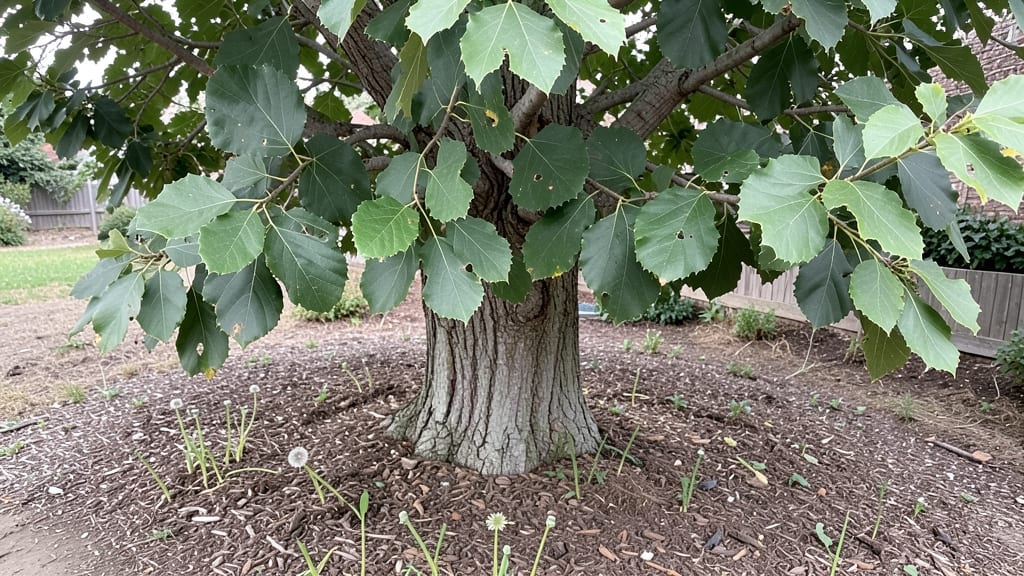
Your elm tree leaves are the first clue to its health—or its trouble. 🌿 I’ve seen Dutch elm disease turn vibrant green canopies into skeletal branches in just a few months, but catching the signs early makes all the difference.
Those dark streaks along the veins? Yellowing patches? They’re not just cosmetic—they’re warnings.
Most problems start with water or pests, not some mysterious curse. Overwatering smothers roots, while beetles and fungi hitch rides on stressed branches.
The fix isn’t complicated: prune infected limbs in late winter, seal fresh cuts with pruning paint, and water only when the top 2 inches of soil are bone-dry. It’s about timing and observation—like reading a tree’s diary.
📚 In This Guide
- What you need
- Instructions
- Tips and common mistakes
- Wrapping up and next steps
What you need
- ● Elm tree leaves or cuttings: Healthy, disease-free leaves (or 6-12" semi-hardwood cuttings from a mature elm tree).
- ● If propagating from seeds: Collect seeds from mature samaras (elm tree "helicopters") in fall.
- ● Soil: Well-draining, slightly acidic mix (pH 6.0-7.0). Add compost for nutrients.
- ● Containers or nursery beds: 6-12" pots (for seedlings) or a 3'x6' raised bed (for bulk planting).
- ○ Optional: Biodegradable planting pots for transplanting.
- ● Tools: Pruners or sharp scissors (sterilized with rubbing alcohol).
- ● Garden trowel or spade.
- ● Measuring tape or stakes (for spacing).
- ● Gloves (to protect from sap and soil).
- ● Watering supplies: Hose with nozzle or watering can.
- ● Rooting hormone (to boost cutting success rates).
- ● Mulch (straw or shredded bark to retain moisture).
- ● Epsom salt (for magnesium-rich soil).
- ● Shade cloth (if starting seedlings indoors).
- ● Fertilizer (balanced 10-10-10 or slow-release granules).
- ● Pest control: Neem oil or insecticidal soap (preventative measure).
How to maintain a healthy elm tree for year-round privacy
Here's my go-to approach for keeping your elm tree thriving and lush all year long.
🌱 Step 1: Plant in the Right Location
Elm trees need plenty of space to grow, so choose a spot with at least 50 feet of clearance in all directions. They prefer full sun to partial shade, so avoid planting under dense canopies or in deep shade where branches will grow weak and sparse.
Dig a hole twice as wide as the root ball but no deeper. This encourages roots to spread outward naturally instead of settling too deep. Amend the native soil with 2-3 inches of compost mixed into the bottom of the hole to give roots a nutrient boost right away.
💧 Step 2: Water Deeply During Establishment
Newly planted elm trees need 1-2 gallons of water every other day for the first month. Water slowly at the base until the soil is 6-8 inches deep and evenly moist. You'll know it's right when water drains out the bottom of the hole.
After the first month, reduce to 1 inch of water per week, either from rain or supplemental watering. Elm trees develop deep roots, so deep watering encourages strong growth. Mulch with 3-4 inches of organic mulch around the base (keeping it 6 inches away from the trunk) to retain moisture and protect roots.
☀️ Step 3: Prune for Structure and Health
Prune your elm tree in late winter or early spring before new growth begins. This is when the tree is dormant but about to wake up, making it the ideal time for shaping. Remove any dead, diseased, or crossing branches first—they're easy to spot when the tree is bare.
For a full privacy screen, focus on selective thinning to open the canopy slightly. This allows light to penetrate and promotes healthier lower branches. Never remove more than 25% of the tree's foliage in one season, or you'll stress the tree and invite pests.
✂️ Step 4: Monitor for Common Issues
Elm trees are generally disease-resistant, but watch for elm leaf beetles or powdery mildew in humid summers. If you see yellowing leaves with brown edges, it's likely beetles. Spray with neem oil or insecticidal soap according to package directions.
For powdery mildew (a white, powdery coating on leaves), improve air circulation by pruning dense branches. Avoid overhead watering, which encourages fungal growth. If mildew persists, apply a fungicide labeled for powdery mildew in early morning or late evening to avoid harming beneficial insects.
🪴 Step 5: Fertilize for Long-Term Growth
Apply a balanced, slow-release fertilizer (like 10-10-10) in early spring and again in mid-summer. Spread the fertilizer evenly over the root zone, 6 inches away from the trunk, and water it in well. This ensures nutrients reach the roots without burning the tree.
Elm trees are heavy feeders, so don't skimp on fertilizer. You'll see new growth within 4-6 weeks after application. If leaves appear pale or yellow between veins, it's a sign of nitrogen deficiency—apply a nitrogen-rich fertilizer next season.
Tips & tricks for perfect elm tree privacy screens
Here's what nobody tells you about keeping your elm tree lush and thriving year after year—these are the details that make all the difference.
Location is Everything: When choosing your planting spot, pay close attention to overhead power lines and nearby structures. Elm trees can grow up to 70-80 feet tall and spread 50-70 feet wide, so give it ample room to grow without becoming a hazard. I always check local utility maps before planting to avoid future issues. Also, avoid planting near sidewalks or driveways—those roots will eventually crack concrete as they spread!
Watering Wisdom: The 1-2 gallons every other day for the first month is non-negotiable, but here's the secret: water in the early morning to allow leaves to dry completely before evening. Wet foliage at night invites fungal diseases. After the first month, when you reduce to 1 inch per week, use a rain gauge or tuna can to measure—your eye can easily misjudge what "1 inch" really looks like.
Pruning Pro Tips: In Step 3, when you're pruning for structure, I recommend using clean, sharp pruners that cut cleanly without tearing the bark. Always make cuts just outside the branch collar (that swollen area where the branch meets the trunk) to promote proper healing. And remember, those 25% limits are strict—elms are resilient, but pushing it risks inviting pests or diseases. I've seen trees stressed by over-pruning develop weak spots that never fully recover.
Fertilizer Timing: The early spring and mid-summer fertilization schedule works best, but here's what I've learned: if your tree looks particularly hungry (pale leaves between veins), you can add a light application of nitrogen-rich fertilizer in late spring as well. Just be careful not to overdo it—elms are heavy feeders, but too much fertilizer can burn roots. I always water thoroughly after applying to help distribute nutrients evenly.
Pro Tips for Leaves Elm Tree
- Here's what nobody tells you about keeping your elm tree lush and thriving year after year—these are the details that make all the difference.
- Location is Everything: When choosing your planting spot, pay close attention to overhead power lines and nearby structures.
- Watering Wisdom: The 1-2 gallons every other day for the first month is non-negotiable, but here's the secret: water in the early morning to allow leaves to dry completely before evening.
Frequently asked questions
Got questions about keeping your elm tree leaves healthy while using them as a privacy screen? Here are some answers to common concerns—from timing to troubleshooting—so you can enjoy lush, disease-resistant foliage year-round.
When is the best time to plant an elm tree for fast leaf growth?
Plant your elm tree in early spring or fall for optimal root establishment. Avoid extreme heat or cold—spring gives roots time to grow before summer stress, while fall planting lets them settle before winter dormancy. Young trees thrive faster with consistent moisture and mulch.
Why are my elm tree leaves turning yellow or brown?
Yellowing leaves often signal dutch elm disease (a fungal threat) or nutrient deficiencies (like iron or nitrogen). Brown edges may mean underwatering or heat stress. Prune infected branches immediately, water deeply, and fertilize with a balanced tree food. Resistant cultivars like ‘New Horizon’ elm can help prevent issues.
How long does it take for an elm tree to grow into a full privacy screen?
Expect 3–5 years for a dense screen, depending on spacing (plant 15–20 feet apart for faster coverage). Dutch elm trees grow 2–4 feet per year, while Siberian elms (a hybrid) mature quicker. Mulch, water deeply, and avoid over-pruning to accelerate growth.
Are there disease-resistant elm tree alternatives with similar leaves?
Yes! Consider ‘Patriot’ or ‘Valley Forge’ elms (disease-resistant hybrids) or zebrawood elm for striking foliage. For non-elm options, hackberry, oak, or serviceberry trees offer similar privacy with fewer pests. Always check local climate suitability before planting.
How should I prune elm tree leaves for health and shape?
Prune in late winter or early spring to remove dead, crossing, or weak branches. Avoid heavy pruning in summer—it stresses the tree. Sterilize tools with rubbing alcohol to prevent disease spread. Thin the canopy to improve airflow, reducing humidity that fuels fungal growth.
Still stumped? Contact a local arborist for a diagnosis or pruning tips tailored to your elm’s needs!
Wrapping up and next steps
Elm tree leaves offer a stunning, low-maintenance solution for year-round privacy and curb appeal—thanks to their lush foliage, disease-resistant varieties, and adaptability. Whether you're drawn to the classic Ulmus americana or the hardy Siberian elm, these trees deliver beauty with minimal fuss. 🌿
Ready to transform your space? Start by researching your local climate and soil conditions, then reach out to a trusted nursery or arborist to select the perfect variety. With the right care, your elm tree will thrive—and so will your outdoor oasis!