
Pruning
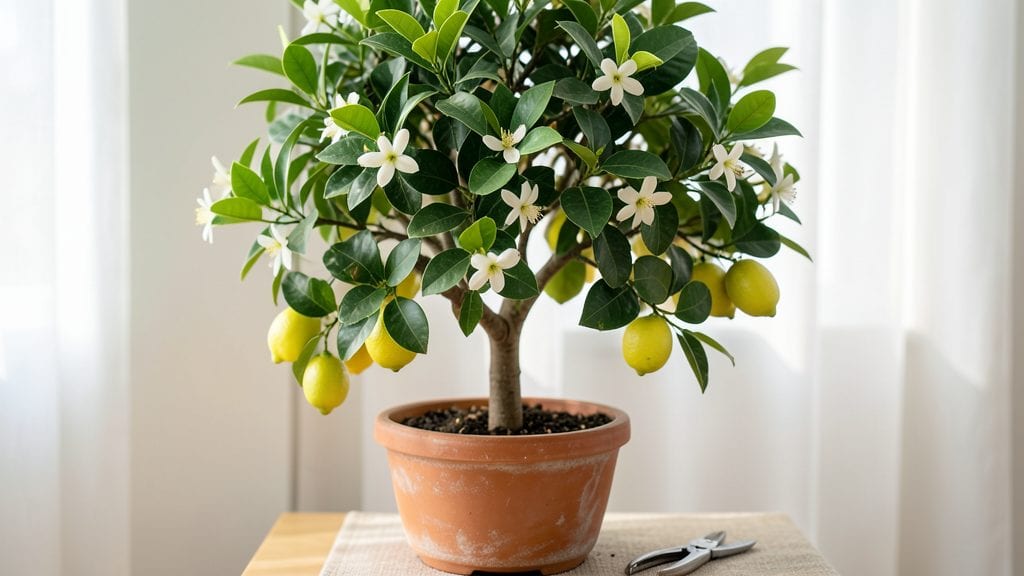
Growing a lemon tree inside isn’t just possible—it’s the secret to fresh, fragrant fruit year-round. 🌿 I’ve watched my Meyer lemon tree go from a sad nursery sapling to a productive, flowering powerhouse, and the key was understanding its light and pruning needs.
Most people assume citrus trees need a greenhouse, but with the right setup, you’ll have glossy leaves and even small lemons by year two.
The trick starts with light: a south-facing window or a 12-14 hour grow light daily keeps it thriving. Too little light means leggy growth and no fruit—something I learned after my first tree stretched toward a dim corner.
You’ll also need well-draining soil (a mix of potting soil and perlite works) and a 10-12 inch pot with drainage holes to prevent root rot. Watering’s simple: keep the soil lightly moist but never soggy, and use filtered water if your tap water has chlorine.
Pruning isn’t just about shaping—it’s about encouraging fruit production. Cut back leggy branches in early spring to promote bushier growth, and remove any dead or crossing limbs. Within weeks, you’ll see fresh green shoots and tiny white blossoms that’ll turn into fruit.
The smell of those first lemons is worth every pinch of patience, and the tree stays compact enough for a sunny kitchen or bright living room.
Common challenges like yellow leaves or pests are easy to fix once you know the signs. Aphids? Spray with soapy water. Nutrient deficiencies? Feed with citrus-specific fertilizer in spring. Even leaf drop can be managed by adjusting watering or light.
With the right care, your indoor lemon tree will reward you with harvests for decades—and the pride of growing something so vibrant indoors.
📚 In This Guide
- What you need
- Instructions
- Tips and common mistakes
- Wrapping up and next steps
What you need
- ● Lemon tree (Citrus × limon) – Choose a dwarf variety (like Meyer lemon) for indoor growth. Ensure it’s healthy, with no signs of pests or disease.
- ● Large, well-draining pot – Minimum 12-inch diameter (or larger for mature trees). Opt for terracotta or ceramic with drainage holes.
- ● High-quality potting mix – A blend of 60% cactus/succulent mix, 30% perlite or pumice, and 10% compost for aeration and drainage.
- ● Grow lights (LED or fluorescent) – A full-spectrum bulb (5000K-6500K) or a 12-16 inch grow light fixture for 12-16 hours of light daily.
- ● Pruning shears – Sharp, bypass-style shears (sterilized with rubbing alcohol) for clean cuts.
- ○ Pruning sealant (optional) – Pruning wax to prevent sap loss and disease after cuts.
- ● Humidity tray or humidifier – To maintain 40-60% humidity, especially in dry climates.
- ● Misting bottle – For occasional leaf misting (avoid over-saturating soil).
- ● Citrus fertilizer – A balanced, slow-release fertilizer (10-10-10 or 8-3-9) or organic options like fish emulsion.
- ○ Support stake or trellis (optional) – For larger trees to encourage upright growth.
- ● Space – A sunny spot near a south- or west-facing window (or dedicated grow light setup).
- ● Temperature control – Keep between 60-75°F (15-24°C); avoid drafts or sudden temperature swings.
- ● Patience – Indoor lemon trees may take 2-5 years to bear fruit, depending on care and variety.
- ● Pest monitoring – Check regularly for spider mites, aphids, or scale (use neem oil if needed).
Step-by-Step instructions for growing a lemon tree indoors
Here’s how I keep my lemon tree thriving year-round with simple light and pruning tricks.
🪴 Step 1: Choose the Right Pot and Soil Mix
Start with a 5-7 gallon pot—large enough to support root growth but not so big it holds excess moisture. Drainage holes are non-negotiable; I add a 1-inch layer of gravel at the bottom to prevent root rot. Use a well-draining citrus potting mix (or blend equal parts potting soil, perlite, and coarse sand). The mix should feel light and airy when moistened.
Fill the pot halfway, then place your lemon tree in the center. Gently spread the roots outward if they’re circling. The top of the root ball should sit just below the pot’s rim—this ensures stability and easy watering. I always tap the pot lightly to settle the soil around the roots without compacting it.
☀️ Step 2: Position for Maximum Light Exposure
Lemon trees crave 6-8 hours of direct sunlight daily. A south-facing window is ideal, but east or west works too. If your space lacks natural light, supplement with a 24-inch LED grow light positioned 6 inches above the tree. Move the light closer as the tree grows to maintain that distance.
Watch for signs of insufficient light: yellowing leaves, leggy growth, or stems stretching toward the window. Rotate the pot quarter-turn weekly so the tree grows evenly. In winter, when daylight shortens, extend light exposure to 12-14 hours to prevent dormancy.
💧 Step 3: Water Deeply and Maintain Consistent Moisture
Water when the top 2 inches of soil feel dry—stick your finger in to check. Pour water slowly until it drains freely from the bottom. Empty the saucer after 10 minutes to avoid soggy roots. Overwatering is the #1 killer of indoor citrus; I’ve lost three trees to root rot.
Mist the leaves weekly to mimic humidity, especially in dry climates. In winter, reduce watering to every 10-14 days as growth slows. Yellowing leaves often signal overwatering, while crispy edges mean the air is too dry. Adjust based on what you see.
✂️ Step 4: Prune for Shape and Airflow
Prune in late winter or early spring before new growth starts. Use sterilized pruning shears to cut just above a leaf node at a 45-degree angle. Remove dead, crossing, or crowded branches first. Thin out overcrowded areas to improve airflow—this prevents fungal diseases.
Shape the tree by trimming back leggy growth to encourage bushier growth. Never cut more than 25% of the tree at once. After pruning, wipe the shears with rubbing alcohol to prevent spreading bacteria. You’ll see fresh new leaves within 4-6 weeks—that’s your reward for a job well done.
🌿 Step 5: Fertilize for Fruit Production
Feed every 4-6 weeks during spring and summer with a balanced citrus fertilizer (10-10-10 or 8-3-9). Dilute to half-strength to avoid burning roots. Stop fertilizing in fall and winter when growth slows. I always water the tree first to prevent fertilizer burn on dry soil.
Watch for signs of nutrient deficiency: purple stems (phosphorus), yellow leaves (nitrogen), or weak growth (potassium). Adjust your fertilizer blend accordingly. With consistent care, your tree will reward you with fragrant white blossoms and—eventually—juicy lemons.
Tips & tricks for thriving indoor lemon trees
These simple tricks will help you avoid common mistakes and keep your citrus tree healthy and productive all year.
Soil Depth Matters: When repotting or planting your lemon tree, ensure the root ball sits just below the pot's rim—this prevents instability and makes watering easier. I learned this the hard way after watching my first tree topple during watering! The extra inch of space between the root ball and rim also prevents soil from spilling out when you water deeply.
Light Rotation Strategy: That quarter-turn weekly rotation in Step 2 isn't just about even growth—it's also a great way to spot problems early. If one side consistently grows faster, it's getting more light. Adjust your tree's position or supplement with your grow light on that side for balanced development. In winter, when you extend light to 12-14 hours, split the time between morning and evening to mimic natural daylight patterns.
Watering Wisdom: The 10-minute drain time after watering in Step 3 is crucial, but don't rush it. I've seen people skip this and end up with root rot within weeks. Place your pot in a shallow tray during watering to catch excess water, then empty it completely after 10 minutes. This prevents the saucer from becoming a breeding ground for fungus while still allowing proper drainage.
Pruning Payoff: Those 4-6 weeks after pruning in Step 4 are your reward window—new leaves should appear within that time. If you don't see fresh growth, you might have cut too aggressively. Remember, you can always prune more later, but you can't un-prune! For best results, make your cuts just above a leaf node at a 45-degree angle—this encourages new growth from that exact spot.
Pro Tips for Lemon Tree Inside
- These simple tricks will help you avoid common mistakes and keep your citrus tree healthy and productive all year.
- Soil Depth Matters: When repotting or planting your lemon tree, ensure the root ball sits just below the pot's rim—this prevents instability and makes watering easier.
- Light Rotation Strategy: That quarter-turn weekly rotation in Step 2 isn't just about even growth—it's also a great way to spot problems early.
Frequently asked questions
Got questions about keeping a lemon tree thriving indoors? Here are some of the most common concerns—and their solutions—to help you grow your own citrus year-round!
How much light does an indoor lemon tree really need?
A lemon tree loves sunlight—at least 6-8 hours daily. Place it near a south- or west-facing window, or supplement with a grow light (12+ inches away) if natural light is weak. Yellowing leaves? It’s likely begging for more light!
When and how should I prune my indoor lemon tree?
Prune in late winter or early spring (before new growth) to shape the tree and encourage fruit production. Use sterilized shears to trim dead, crossing, or overcrowded branches. Cut just above a leaf node at a 45-degree angle for best results.
Why are my lemon tree’s leaves turning yellow?
Yellow leaves usually mean overwatering, underwatering, or nutrient deficiency. Check soil moisture—it should be slightly dry before watering. Also, ensure proper drainage and fertilize every 2-3 months with citrus-specific food.
How long does it take for an indoor lemon tree to bear fruit?
Patience is key! Dwarf varieties may produce lemons in 3-5 years, while standard trees take 5-10 years. Ensure it gets enough light, water, and nutrients, and avoid moving it frequently. With care, you’ll soon be harvesting homegrown lemons!
Can I grow a lemon tree from a store-bought lemon?
Yes! Save a seed, dry it, and plant it in well-draining soil. Germination takes 2-4 weeks, but be warned—seed-grown trees may take decades to fruit and won’t match grocery store varieties. For faster results, buy a grafted dwarf tree instead!
Wrapping up and next steps
Growing a lemon tree inside is a rewarding journey that brings fresh citrus to your kitchen year-round—with the right light, pruning, and care! 🌱 By mastering these techniques, you’ll not only keep your tree healthy but also encourage abundant fruit production.
Whether you’re a beginner or a seasoned plant parent, the key is patience and consistency.
Ready to take the next step? Start small: pick one branch to prune this week, adjust your grow light schedule, or even propagate a cutting to expand your citrus family. Your indoor oasis—and delicious lemons—are just around the corner! 🍋✨