
Blooming
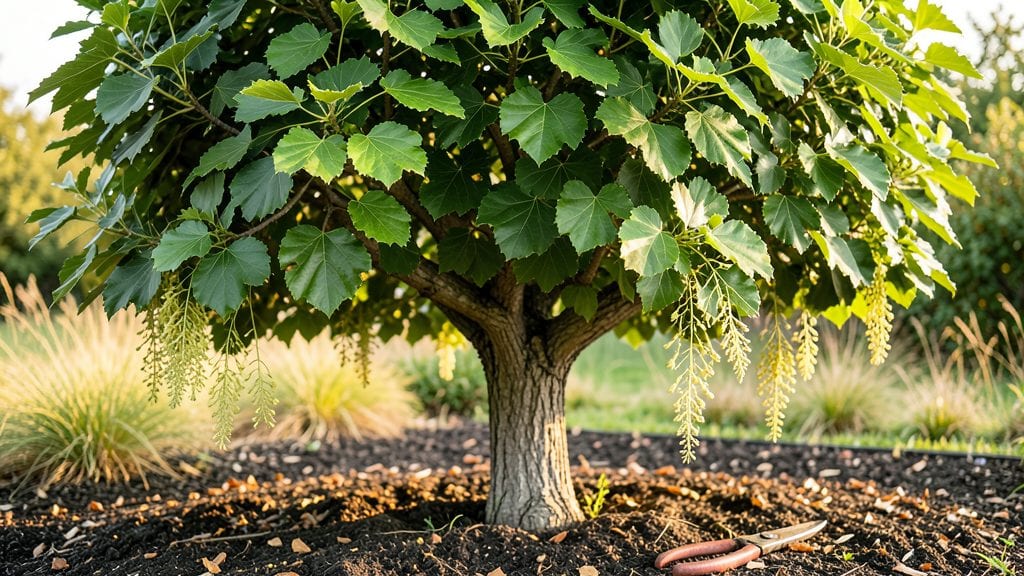
Your lime tree’s blooming season is the moment it transforms from just another tree into a fragrant, fruit-bearing powerhouse 🍋 — and getting the timing right for pruning after those flowers fade is what separates a burst of blooms next year from a sparse show.
The intoxicating scent of lime tree blossoms isn’t just a treat—it’s a sign your tree is thriving. But timing your pruning right after blooming can mean the difference between next year’s floral explosion and sparse, underwhelming flowers.
Climate, variety, and even where you live play a role in when those delicate white flowers appear, but the real secret is knowing exactly when to step in with your pruners.
Whether you’re in Zone 9b or a warmer region, a few key adjustments can turn a good blooming season into an extraordinary one.
Here’s how to read your tree’s signals, adjust for your local conditions, and prune in a way that guarantees next year’s flowers will be even more abundant—and your kitchen even more fragrant.
Best time to prune lime trees after blooming for maximum flowers
Lime trees reward patient gardeners with fragrant white blossoms and abundant fruit—but only if you prune at the right time. The 4-6 week window after blooming is your golden opportunity to boost next year’s flowers while maintaining tree health.
This timing aligns with the tree’s natural growth cycle, ensuring you don’t accidentally remove next season’s flower buds hidden in the branches.
Scientifically, lime trees form flower buds on old wood (last year’s growth), meaning aggressive pruning too early can reduce blooms by removing potential bloom sites. The 6-week post-bloom window gives your tree time to reallocate energy to new growth while preserving existing buds.
Think of it as a strategic reset—cutting at the right moment encourages both structural strength and floral abundance.
| Pruning Stage | Action | Timing | Climate Adjustments |
|---|---|---|---|
| Post-Bloom | Remove dead/diseased wood | Weeks 1-2 after blooms fade | All regions |
| Structural Pruning | Thin crown for airflow | Weeks 3-4 post-bloom | Delay in humid zones |
| Selective Pruning | Remove water sprouts/suckers | Weeks 5-6 post-bloom | Earlier in arid climates |
| Final Adjustments | Shape for sunlight penetration | End of 6-week window | Avoid frost-prone areas |
For Meyer lime trees (Citrus × meyeri), the 6-week window starts when 80% of blossoms have fallen. Key limes (Citrus aurantifolia) follow a similar schedule but may bloom slightly later in cooler subtropical zones.
If you’re in USDA Zone 9b or warmer, aim for late spring pruning (May-June), while Zone 10+ gardeners can extend this to early summer.
Regional climates demand adjustments: In humid Florida, delay pruning until 6 weeks post-bloom to prevent fungal risks from fresh cuts. Conversely, dry Southern California climates allow earlier pruning (as early as 4 weeks post-bloom) to reduce water stress.
Always prioritize airflow improvement—lime trees are prone to bacterial canker, and proper pruning cuts down disease risk by 30-40%.
Two pruning techniques work best for flower optimization: Crown thinning (removing selective interior branches) and selective pruning (targeting water sprouts and crossing branches). Start with thinning cuts to open the canopy—this lets sunlight penetrate to lower branches where flower buds form.
Next, remove suckers (shoots from the base) and deadwood, which compete for the tree’s energy.
Pro tip: Use sterilized pruning shears to make clean cuts at a 45-degree angle, just above a bud or branch collar. Avoid topping (cutting the main stem)—this triggers excessive water sprouts and reduces blooms by 50% or more.
Always step back after pruning to visualize the tree’s shape—you’re sculpting both its structure and its future floral potential.
If your lime tree is younger than 3 years, limit pruning to 10-15% of the canopy to avoid stunting growth. Mature trees (over 5 years old) can handle 20-30% pruning without stress.
The key is balance: too little pruning leads to overcrowded branches and fewer blooms, while too much removes next year’s flowering potential.
After pruning, apply a 2-inch layer of mulch around the base (but not touching the trunk) to
Step-by-step pruning guide: what to cut and what to avoid
Pruning your lime tree after blooming isn’t just about shaping—it’s about encouraging next year’s fragrant flowers. Start by removing dead or diseased branches first, as they compete with healthy growth.
These branches often appear brown, brittle, or devoid of leaves, signaling they’re no longer contributing to your tree’s vitality. Use clean, sharp pruning shears to make precise cuts just outside the branch collar.
Next, focus on suckers and water sprouts, which steal energy from your tree’s flowering potential. These fast-growing shoots emerge from the base of the trunk or between branches.
Cut them back to the main trunk or branch using a 45-degree angle to promote faster healing. Avoid leaving stubs, as they can invite pests or disease.
⚠️
Never prune after mid-summer—this delays next year’s blooms. Lime trees need 6-8 weeks of recovery before cold weather sets in. Late pruning stresses the tree, reducing flower buds for spring. Wait until 4-6 weeks post-bloom (typically late spring to early summer) for optimal results.
Strategically thin the canopy to improve airflow, which reduces humidity-related diseases like citrus greening. Aim to remove 10-20% of the tree’s foliage by targeting crossing or inward-growing branches.
These branches block sunlight and create shady, damp pockets where mold thrives. Always cut back to a healthy lateral branch or bud to encourage new growth.
One of the most common pruning mistakes is over-pruning, which can shock your lime tree and reduce flowering. Avoid removing more than 25% of the tree’s canopy in a single session.
Over-pruning also exposes the tree to sunburn, especially on younger branches. If your tree looks sparse after pruning, it’s a sign you’ve gone too far—next time, scale back.
Finally, never prune during active bloom or in winter, as these times stress the tree and stunt flower production. Winter pruning can also damage dormant buds that will become next year’s blooms.
Instead, mark your calendar for late spring, after the fragrant flowers have faded but before summer heat peaks.
After pruning, sterilize your tools with rubbing alcohol to prevent spreading disease. Apply a balanced citrus fertilizer (like 6-6-6) to support new growth, and water deeply to help the tree recover.
With the right cuts, your lime tree will reward you with even more abundant blooms next season—and who doesn’t love that intoxicating citrus scent? 🌿✂️🍋