
Diseases
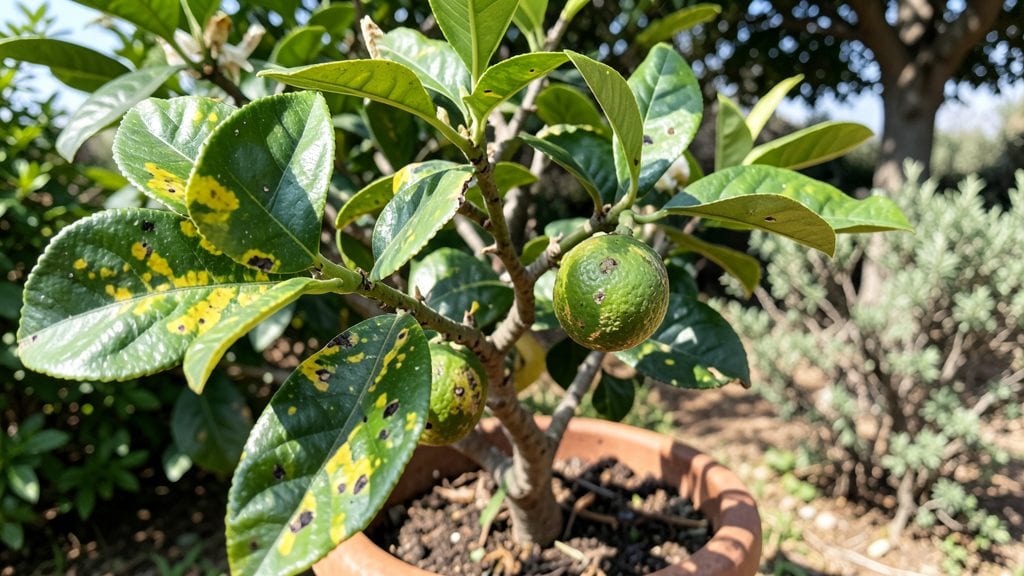
These lime tree diseases pictures reveal the shocking signs you must spot before fungal blights turn your tree into a sad, spotted shadow—but here’s how to catch them early.
The key is recognizing the subtle signs: yellowing leaves, strange spots, or weird growths on branches that look like they belong in a horror movie.
Most of these diseases start with moisture—too much rain, poor drainage, or overhead watering. My first mistake was ignoring the tiny black specks on leaves until they covered every branch.
By then, it was too late for quick fixes. The good news? Many can be stopped with proper pruning, fungicides, or adjusting how you water your tree.
You’ll learn to identify each disease by its unique markings—some look like freckles, others like moldy fur. Once you spot them, we’ll cover the exact steps to treat them, from cleaning up debris to applying the right spray. Your tree can bounce back, but only if you act fast.
This guide works for both backyard lime trees and larger orchards. Whether you’re dealing with a single branch or a full canopy, the same principles apply. Let’s get your tree healthy again—before the next rainstorm makes things worse.
Root Causes Of Lime Tree Illnesses
Understanding why lime trees develop diseases is key to preventing and treating them effectively. These issues often stem from a mix of environmental stressors, pathogen activity, and poor tree health. Below, we break down the primary triggers for lime tree diseases, backed by science and actionable insights.
Fungal diseases are the #1 culprit behind lime tree decline, thriving when conditions are moist and warm.
Common fungal invaders include: - Phytophthora – A water-mold that attacks roots, causing root rot by blocking nutrient uptake. - Anthracnose – Fungal spores splash onto leaves, creating dark, sunken lesions that spread rapidly in wet weather. - Powdery Mildew – A white, powdery fungus that clogs leaf pores, reducing photosynthesis.
Why it happens: Fungi spread via spores carried by wind, rain, or contaminated tools. They exploit stressed trees—those with poor drainage, compacted soil, or nutrient deficiencies—making them easier targets.
Lime trees hate soggy feet. Excess moisture creates the perfect breeding ground for root-rotting fungi like Phytophthora and Pythium. Signs include:
- Yellowing leaves (chlorosis)
- Mushroom-like growths at the base
- Stunted growth despite regular watering
Why it happens:
- Clay or compacted soil traps water, suffocating roots.
- Overhead irrigation keeps foliage damp, encouraging fungal spores to land and germinate.
- Lack of mulch leads to soil crusting, preventing water absorption.
Insects like scale, aphids, and mites don’t just feed—they damage bark and leaves, leaving wounds where fungi can enter. For example:
- Scale insects secrete honeydew, fostering sooty mold (a secondary fungal growth).
- Borers tunnel into wood, weakening structural integrity and inviting decay.
Why it happens:
- Drought stress weakens trees, making them more susceptible to pest attacks.
- Lack of beneficial insects (like ladybugs) allows pests to multiply unchecked.
- Monoculture plantings reduce biodiversity, increasing pest pressure.
Lime trees are tropical/subtropical natives, so sudden cold snaps or heatwaves shock their systems. Diseases like canker (from Botryosphaeria) thrive when:
- Freezing temps damage bark, creating entry points for pathogens.
- Heat stress weakens leaves, making them vulnerable to sun scorch and fungal infections.
Why it happens:
- Poor acclimation in newly planted trees (e.g., moving a lime tree from a greenhouse to a cold climate).
- Late frosts after buds swell, causing bacterial blight or leaf spot.
- Drought followed by heavy rain shocks roots, inviting fungal infections.
Lime trees need balanced nutrients—especially nitrogen, phosphorus, and potassium—to fight off diseases. Deficiencies lead to:
- Yellowing leaves (nitrogen deficiency) → weaker immune response.
- Purple stems (phosphorus deficiency) → reduced root vigor.
- Brown leaf edges (potassium deficiency) → increased susceptibility to blight.
Why it happens:
- Over-fertilizing with nitrogen promotes lush growth but weakens structural defenses.
- Soil pH imbalances (too acidic or alkaline) lock out essential nutrients.
- No organic matter in soil reduces beneficial microbes that suppress pathogens.
Improper pruning opens doors for diseases. Common mistakes include:
- Cutting too close to the trunk (leaving stubs that rot).
- Using contaminated tools (spreading fungal spores between cuts).
- Pruning during wet weather (increasing infection risk).
Why it happens:
- Jagged cuts don’t heal properly, inviting canker fungi.
- Removing too much foliage stresses the tree, lowering disease resistance.
- Not sterilizing pruners between cuts spreads pathogens like Venturia (cause of scab disease).
Tools, mulch, and even bird droppings can spread diseases. For example:
- Sawing an infected branch then using the same saw on a healthy tree transfers spores.
- Reusing infested mulch introduces pathogens like Armillaria (root rot).
Why it happens:
- Lack of tool sanitation (bleach or rubbing alcohol wipes help).
- Using untreated wood chips from diseased trees as mulch.
- Ignoring quarantine protocols when introducing new plants.
Most lime tree diseases don’t happen in isolation—they’re the result of multiple stressors (fungi + poor care + weather). The good news? Prevention is possible with proper watering, pruning, and soil management.
Stay tuned for our next section on early warning signs and how to treat these issues before they spread!
Quick Fixes for Lime Tree Ailments
Reviving a sick lime tree starts with identifying the issue—but once you know the enemy, action is your best defense. Below are targeted solutions for common lime tree diseases, broken down by cause.
We’ve included step-by-step fixes, prevention tips, and even a few pro tricks to keep your tree thriving. Let’s get to work! 🌿🔧
Fungi like anthracnose, citrus canker, or powdery mildew thrive in damp, warm conditions. Here’s how to treat and prevent them:
🔥 Prune Infected Branches
- Step 1: Use sterilized pruners (wipe with rubbing alcohol or bleach solution) to cut off yellowing, spotted, or mushy leaves/branches—at least 6 inches below the damage to remove spores.
- Step 2: Bag and dispose of infected clippings in the trash (not compost).
- Pro Tip: 💡 Prune in dry weather (morning is best) to avoid spreading spores via moisture.
🍳 Apply Fungicide (The Right Way)
- Step 1: Choose a copper-based fungicide (like Copper Sulfate) or a neem oil solution (1 tbsp neem oil + 1 tsp mild soap per quart of water).
- Step 2: Spray thoroughly (under leaves, too!) every 7–14 days during wet seasons.
- Step 3: Reapply after rain—fungicides wash off quickly.
- ⚠️ Warning: Avoid chemical fungicides (like chlorothalonil) near fruit-bearing trees—they can leave residues.
🌡️ Improve Airflow & Light
- Thin out dense foliage to allow sunlight and air circulation.
- Space trees 8–10 feet apart if replanting.
- Water at the base (not overhead) to keep leaves dry.
Citrus pests like aphids, scale, or citrus leaf miners weaken trees by sucking sap. Smother them fast with these moves:
👨🍳 Blast Off Pests with Soap Spray
- Mix: 1 tbsp mild liquid soap (like Castile) + 1 quart water.
- Spray: Coat all leaf surfaces (especially undersides) every 5–7 days until pests vanish.
- Bonus: Add 1 tsp horticultural oil for extra power against scale.
🔪 Introduce Beneficial Insects
- Ladybugs, lacewings, or parasitic wasps love aphids. Buy them online or attract them with dill or fennel plants nearby.
- Pro Tip: 🌿 Release them at dusk when they’re most active.
🍎 Quarantine & Clean Up
- Isolate infested trees until pests are gone.
- Remove fallen leaves/debris (burn or trash them)—they’re pest hotels!
- Wash tools between trees to avoid cross-contamination.
Yellowing leaves or stunted growth? Your lime tree might be hungry for key nutrients. Fix it organically:
📊 Soil Test First (Critical Step!)
- Buy a DIY test kit (or send a sample to a local extension office).
- Common fixes:
- Iron deficiency (yellow leaves with green veins)? → Apply chelated iron (follow package rates).
- Zinc deficiency (small leaves, stunted growth)? → Sprinkle zinc sulfate around the base.
- Low nitrogen (pale green leaves)? → Use compost or a balanced fertilizer (like 6-6-6).
🥗 Boost with Organic Matter
- Top-dress with well-rotted compost or aged manure in spring.
- Mulch with wood chips (keep 2–3 inches away from the trunk to prevent rot).
- Pro Tip: ✨ Avoid over-fertilizing—lime trees prefer lean soil over rich, heavy mixes.
Too much water, too little sun, or extreme temps? Tweak your routine to help your tree bounce back:
⏰ Water Wisely (Less Is More!)
- Water deeply 1–2 times per week (check soil moisture—top 2 inches should be dry before watering).
- Use drip irrigation to avoid wetting leaves (prevents fungal growth).
- Drainage check: If water pools, amend soil with sand or perlite.
☀️ Shield from Harsh Conditions
- Young trees? Use shade cloth (30–50%) in peak summer heat.
- Frost-prone areas? Wrap the trunk with burlap in winter and mulch heavily.
- Salt damage? Flush soil with clean water to leach out excess salts.
An ounce of prevention saves gallons of fungicide. Follow this year-round checklist:
| Season | Task | Why It Works |
|---|---|---|
| Spring | Prune & sterilize tools | Removes winter-damaged wood; stops spore spread. |
| Summer | Monitor for pests daily | Catches infestations before they explode. |
| Fall | Rake & destroy fallen leaves | Eliminates fungal overwintering sites. |
| Winter | Apply copper fungicide | Prevents dormant-season fungal growth. |
Final Pro Tip: 🎯 Healthy lime trees are resilient—focus on proper spacing, airflow, and balanced care, and you’ll minimize diseases naturally. If in doubt, snapshot the symptoms and consult your local cooperative extension service for a second opinion!
Frequently asked questions
What are the most common lime tree diseases I should watch for?
Look for anthracnose (dark sunken leaf spots), citrus canker (raised warty bumps), and powdery mildew (white fuzzy coatings). Root rot (mushroom-like growths at the base) and sooty mold (black crusty patches) are also frequent troublemakers.
Can I use regular garden fungicides on my lime tree?
Not all fungicides work safely on citrus trees. Stick to copper-based sprays or neem oil solutions (1 tbsp neem + 1 tsp soap per quart of water). Avoid chemical options like chlorothalonil near fruit-bearing trees—they can leave harmful residues.
How do I know if my lime tree has root rot?
Check for yellowing leaves, mushroom-like growths at the base, and stunted growth despite regular watering. Dig carefully around the roots—healthy roots are firm and white, while rotten ones are brown, mushy, and smell foul.
Will pruning help stop the spread of disease?
Prune infected branches 6 inches below the damage using sterilized tools (wipe with rubbing alcohol). Remove all infected leaves and dispose of them in the trash (not compost). Prune in dry weather to prevent spreading spores.
How often should I inspect my lime tree for diseases?
Check your tree weekly during growing seasons (spring-fall) and monthly in winter. Focus on new leaves, branches, and the trunk for unusual spots, growths, or discoloration. Early detection is key to preventing outbreaks!