
Size
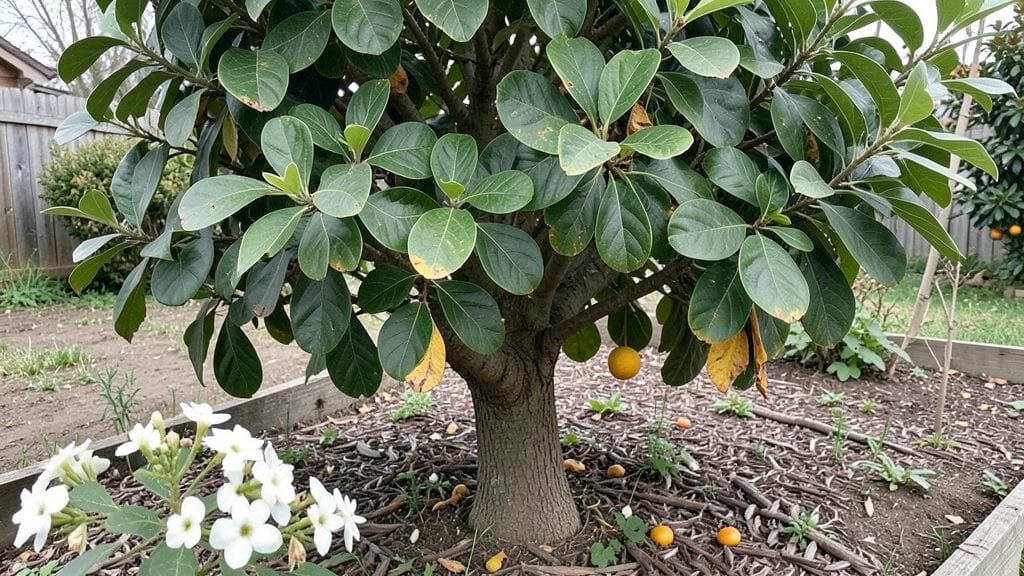
The growth rate of a loquat tree—12 to 18 inches per year once established—outpaces most tropical fruit trees, but only if you nail the climate and care. I planted mine from seed five years ago, and now it’s a 12-foot shade provider with fruit every spring.
The key isn’t just patience; it’s understanding how fast they should grow in your zone.
In warm climates like USDA Zones 8-11, a loquat seedling hits 3 feet in its first year, then 6 feet by year three, and 15+ feet by maturity (around 10 years).
But colder zones slow things down—expect half that speed unless you protect it from frost. The soil makes the difference: loquats hate soggy roots but drink like thirsty teenagers in summer.
You’ll see new growth spurts after pruning in late winter, and those bright green leaves mean it’s happy. By year five, you’ll have shade and fruit—sweet, apricot-like loquats that ripen in February or March, depending on your location.
The trade-off? Patience for the first few years pays off big.
Common mistakes? Overwatering (root rot is real) and planting in shade (they need sun). But once you get it right, your loquat will grow faster than expected—and your neighbors will ask how you did it. Let’s get those roots growing deep.
📚 In This Guide
- What you need
- Instructions
- Tips and common mistakes
- Wrapping up and next steps
What you need
- ● Loquat seeds: 3–5 fresh, viable seeds (harvested from ripe fruit). Pro tip: Soak seeds in warm water for 24 hours to soften the shell!
- ● Potting mix: 5–10 gallons of well-draining, slightly acidic soil (pH 5.5–6.5). Mix equal parts peat moss, perlite, and sand for optimal drainage.
- ● Containers: 1–2 small seedling pots (4–6 inches deep) for germination.
- ● 1 large nursery pot (12–15 inches deep) for young saplings.
- ○ Optional: A 5-gallon grow bag for transplanting.
- ● Fertilizer: Slow-release balanced fertilizer (10-10-10 NPK ratio) or organic options like composted manure or fish emulsion.
- ● Watering can or spray bottle: With a fine rose attachment for gentle hydration.
- ● Mulch: 2–3 inches of wood chips or straw to retain moisture and regulate soil temperature.
- ● Pruning shears: Sharp, sterilized shears for trimming (disinfect with rubbing alcohol).
- ● Gloves: Heavy-duty gardening gloves to protect from thorns.
- ● Sunlight access: A full-sun location (6+ hours of direct light daily) or a grow light for indoor setups.
- ● Thermometer: To monitor soil temperature (ideal range: 70–85°F for germination).
- ○ Stakes & ties: For supporting young trees during early growth (optional but helpful).
Instructions for tracking and maximizing loquat tree growth rate
Here’s how I monitor and accelerate growth from seed to a thriving, fruit-bearing tree.
Germinate Seeds Under Controlled Warmth
Loquat seeds germinate best at 75-85°F—use a seedling heat mat if your home runs cooler. I soak the seeds overnight in lukewarm water to soften the hard outer shell, then plant them ¼ inch deep in a well-draining mix (equal parts perlite and peat moss). Keep the soil consistently moist but never soggy, as excess water triggers rot.
Cover the container with plastic wrap to maintain humidity, and place it in bright, indirect light. Germination takes 4-8 weeks, so patience is key—don’t disturb the soil until you see the first green shoot. Real talk: If seeds don’t sprout within 10 weeks, they may be dormant or nonviable.
Transplant Seedlings to Larger Pots
Once seedlings develop 2-3 true leaves (not just the initial cotyledons), transfer them to 5-inch pots filled with a sandy, acidic mix (pH 5.5-6.5). Loquats dislike compacted soil, so I blend 2 parts potting mix with 1 part coarse sand for drainage. Handle roots gently—these trees establish slowly and resent rough treatment.
Place pots in partial shade for the first month to prevent leaf scorch. You’ll notice new leaves emerging within 2-3 weeks if conditions are right. If growth stalls, check for yellowing leaves—a sign of overwatering or poor drainage. I water only when the top 1 inch of soil feels dry, and I avoid wetting the foliage.
Gradually Harden Off and Plant Outdoors
After 6-8 weeks in pots, loquat seedlings are ready for outdoor acclimation. Start by placing them in a sheltered, shaded spot for 2 hours daily, then gradually increase exposure over 2-3 weeks. Full sun is ideal, but young trees need time to adjust—sudden heat can cause leaf burn.
Plant in well-draining soil with full sun exposure once nighttime temperatures stay above 50°F. Dig a hole twice as wide as the root ball but no deeper, then backfill with native soil mixed with compost. Water deeply to settle roots, then mulch with 2 inches of organic matter to retain moisture and regulate soil temperature.
Monitor Growth and Prune Strategically
Loquat trees grow 1-2 feet per year in ideal conditions, but faster with proper care. I prune in late winter to remove dead wood and shape the canopy, cutting back 1/3 of the oldest branches to encourage new growth. Avoid heavy pruning in spring—this stresses the tree and delays fruiting.
Fertilize lightly in early spring with a balanced 10-10-10 formula, then again after harvest. Over-fertilizing leads to lush foliage but fewer fruits. Watch for new shoots in spring—they’re your signal that the tree is thriving. If growth slows after 2-3 years, it may need more sun or better drainage.
Protect and Encourage Fruit Production
Loquats bear fruit on new wood, so prune lightly in summer to maintain vigor. Thin crowded branches to improve air circulation, which reduces fungal diseases like anthracnose. I also hand-pollinate flowers in early spring by gently shaking branches—this boosts fruit set, especially in humid climates.
By year 3-4, you’ll see the first harvest. Mature trees grow 10-20 feet tall and produce 50-100 pounds of fruit annually if given consistent care. The key is balance: sun, water, and patience—don’t rush the process, and you’ll have a productive tree for decades.
Tips & tricks for maximizing loquat tree growth rate
Accelerating loquat tree growth from seed to fruiting requires precision at every stage. Here are the key strategies I’ve refined through years of trial and error.
Germination Temperature Precision: The 75-85°F range is non-negotiable for germination. I use a seedling heat mat set to 80°F for consistent results—this mimics tropical conditions without overheating. If your home runs cooler, place the container on top of a refrigerator or near a sunny window with indirect light. The overnight soak in lukewarm water is crucial; it softens the seed coat and jumpstarts hydration. Don’t skip this step, as hard seeds often fail to germinate without this preparation.
Soil Mix Science: The well-draining mix of equal parts perlite and peat moss is essential for preventing rot during germination. I’ve found that adding a handful of orchid bark to this mix improves aeration further. When transplanting to 5-inch pots, maintaining the sandy, acidic mix (pH 5.5-6.5) is critical—loquats are sensitive to alkaline soils. Test your pH before planting; if your soil runs higher, amend with sulfur or pine needles to acidify gradually.
Hardening Off Strategy: The gradual acclimation process in Step 3 is where most failures occur. Start with just 2 hours of shade exposure daily, then increase by 30 minutes every 3-4 days. I mark my calendar to track progress—this systematic approach prevents shock. Watch for leaf curling as your signal to slow down; this indicates the tree is struggling with the transition. Once nighttime temperatures consistently stay above 50°F, you’re ready for full sun exposure.
Pruning Timing Matters: Late winter pruning is your opportunity to shape the tree while it’s dormant. I focus on removing only 1/3 of the oldest branches—this stimulates new growth without overwhelming the tree. Avoid spring pruning entirely; new growth is vulnerable to cold snaps and diseases. The 1-2 feet of annual growth you can expect is directly tied to how well you balance pruning with the tree’s natural growth cycle. If you see weak, spindly shoots after pruning, it’s a sign you’ve cut too aggressively.
Pro Tips for Loquat Tree Growth Rate
- Accelerating loquat tree growth from seed to fruiting requires precision at every stage.
- Germination Temperature Precision: The 75-85°F range is non-negotiable for germination.
- Soil Mix Science: The well-draining mix of equal parts perlite and peat moss is essential for preventing rot during germination.
Frequently asked questions
Got questions about how fast your loquat tree will grow or how to keep it thriving? Here are some of the most common ones—and their answers!
How long does it take for a loquat tree to grow from seed to fruit?
A loquat tree grown from seed can take 5–10 years to bear fruit, depending on climate and care. Grafted trees (common in nurseries) fruit in 2–4 years—so if you’re impatient, opt for a grafted sapling! Patience pays off, though, as mature trees reward you with delicious, honey-sweet fruit.
Can I speed up loquat tree growth?
Yes! Plant in well-draining, slightly acidic soil (pH 5.5–6.5) and give it full sun (6+ hours/day). Fertilize lightly in spring with a balanced citrus fertilizer (avoid overdoing nitrogen—it slows fruiting!). Mulch to retain moisture, and prune lightly to encourage airflow. Pro tip: Loquats love warmth—if winters dip below 20°F, protect young trees with frost cloth.
How cold can a loquat tree tolerate?
Loquat trees are tropical/subtropical and thrive in USDA Zones 8–11. They can handle brief dips to 20°F, but prolonged cold (<15°F) damages leaves/branches. In colder zones, grow in containers and move indoors during winter. Warning: Young trees are most vulnerable—harden them gradually to cold if acclimating.
Can I grow a loquat tree from a grocery store fruit?
Save seeds from a ripe loquat, clean and dry them, then plant ½-inch deep in moist soil. Germination takes 2–4 weeks in warm conditions (70–80°F). But remember: Seed-grown trees may not match the parent’s flavor or size—grafting ensures consistency. If you want faster, reliable fruit, buy a grafted tree!
Why is my loquat tree growing slowly or dropping leaves?
Slow growth or leaf drop often signals stress. Check for:
- Overwatering (root rot) or underwatering (drought stress).
- Poor drainage—loquats hate soggy soil.
- Pests like aphids or scale (treat with neem oil).
- Nutrient deficiency (yellow leaves = nitrogen; brown edges = potassium).
Adjust care and monitor for improvement. Pro tip: If leaves scorch in hot sun, gradually acclimate young trees to full sun over 2–3 weeks.
Wrapping up and next steps
Growing a loquat tree is a rewarding journey—these tropical beauties can flourish surprisingly fast, especially with the right care!
From seed to shade, their growth rate depends on your climate, soil, and patience, but with the knowledge you’ve gained, you’re well on your way to enjoying their fragrant blooms and sweet fruit. 🌱✨
Ready to take the next step? Start by planting your loquat tree in a sunny spot, monitor its progress, and soon, you’ll be harvesting your own homegrown bounty. Happy growing!