
Trees
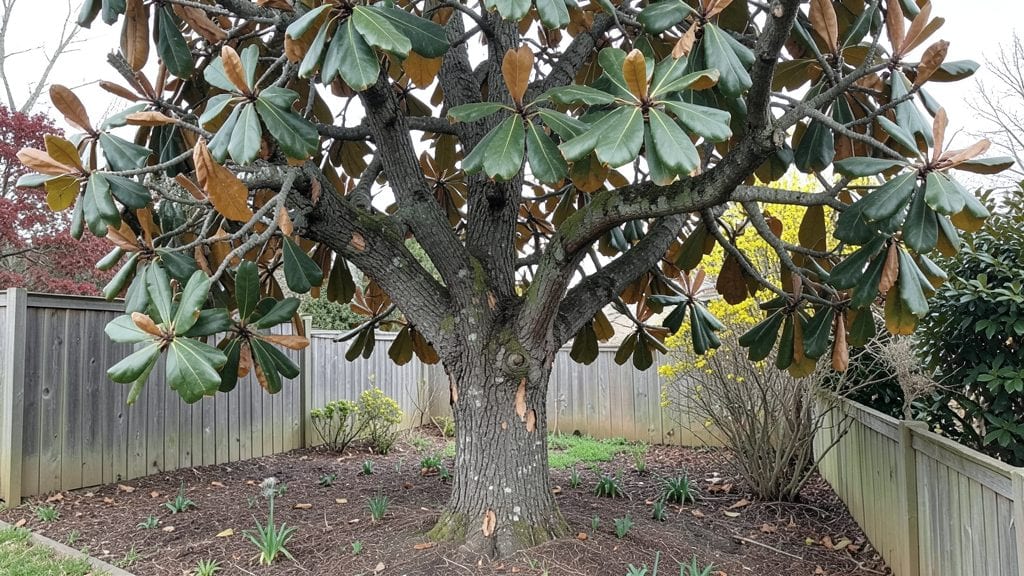
My magnolia tree’s brown leaves once made me panic—until I learned the real culprits behind that sad, crispy look. 🌿 Whether it’s fungal infections like anthracnose, nutrient starvation, or just too much summer heat, the fix starts with identifying the problem before it spreads.
I’ve seen trees go from ragged to lush again in just a few weeks with the right approach.
The good news? Most brown leaf issues are fixable without harsh chemicals. Start by checking for fungal spots, wilting patterns, or pests hiding on the undersides of leaves. A simple pruning of affected branches, paired with targeted treatments, can save your tree before the problem worsens.
I’ve even revived trees that looked hopeless with just consistent watering and a balanced fertilizer.
You’ll notice fresh green growth within 4-6 weeks if you catch it early. The key is acting fast—whether it’s trimming dead branches, applying fungicide, or adjusting watering habits. Your magnolia’s glossy, deep green leaves will return, and you’ll be back to admiring its stunning blooms instead of stressing over browning.
This works for all magnolia varieties, from Southern magnolias to saucer magnolias. The same principles apply whether you’re dealing with a young tree or a mature giant. Let’s get your magnolia thriving again—step by step.
Root Causes Behind Browning Leaves
When your once-lush magnolia tree starts showing brown leaves, it’s often a cry for help from the tree itself. Understanding the underlying causes is the first step toward restoring its health.
Below, we break down the most common reasons why magnolia leaves turn brown—and what each clue reveals about your tree’s needs.
Magnolias thrive in humid, well-drained soil but struggle when exposed to prolonged heat or drought. When temperatures soar or rainfall dwindles, leaves lose moisture faster than roots can replenish it, leading to browning edges or crispy, papery textures.
- How to spot it: Leaves may feel dry to the touch, with brown patches starting at the tips or along the edges. Severe cases can cause entire leaves to curl or drop prematurely.
- Why it happens:
- ✅ Transpiration overload: In hot, dry conditions, magnolias lose water through leaf pores (stomata) faster than their shallow root systems can absorb it.
- ✅ Root zone drying: Surface roots (common in magnolias) dry out quickly, starving the canopy of hydration.
- Actionable fix:
- 💡 Deep watering: Water at the drip line (not just the base) to encourage deeper root growth. Aim for 1–2 inches of water per week during dry spells.
- 🌡️ Mulch like a pro: Apply 3–4 inches of organic mulch (like pine straw or shredded bark) to retain moisture and regulate soil temperature.
- 🌧️ Morning watering: Water before 10 AM to reduce evaporation loss.
Fungal diseases like anthracnose, powdery mildew, or leaf spot are notorious for turning magnolia leaves brown—often with a speckled, blotchy, or velvety texture. These pathogens thrive in humid, stagnant conditions and can spread rapidly if left unchecked.
- How to spot it:
- ✅ Anthracnose: Dark, sunken spots with yellow halos (common in wet springs).
- ✅ Powdery mildew: White, powdery coating on leaves that later turns brown and crispy.
- ✅ Leaf spot: Circular brown patches with irregular edges, often surrounded by yellowing.
- Why it happens:
- 🌧️ Poor air circulation: Dense foliage or overcrowded planting traps moisture, creating a fungal paradise.
- 🍄 Wet leaf surfaces: Fungi spores germinate when leaves stay wet for 6+ hours (e.g., from overhead watering or rain).
- 🌱 Stressed trees: Weakened magnolias (due to drought, poor soil, or nutrient deficiencies) are prime targets.
- Actionable fix:
- 🍄 Fungicide treatment: Apply a copper-based or neem oil fungicide at the first sign of spots. Reapply every 7–14 days during wet seasons.
- 🌬️ Prune for airflow: Thin out 10–20% of dense branches to improve circulation. Remove infected leaves and dispose of them in the trash (not compost).
- 💦 Water at the base: Avoid overhead sprinkling. Use drip irrigation or soaker hoses to keep foliage dry.
Brown leaves can also signal that your magnolia isn’t getting the right nutrients. While yellowing often indicates nitrogen deficiency, browning—especially between leaf veins—may point to issues with iron, magnesium, or potassium.
| Symptom | Likely Deficiency | Why It Happens | Quick Fix |
|---|---|---|---|
| Brown patches between veins (with green veins) | Magnesium or potassium | Poor soil drainage or alkaline soil locks out nutrients. Magnolias prefer acidic soil (pH 5.0–6.5). | Apply Epsom salt (magnesium sulfate) or a balanced fertilizer (10-10-10) in early spring. |
| Yellowing with brown edges | Nitrogen or iron | Compacted soil or poor root aeration limits nutrient uptake. Iron chlorosis (common in alkaline soils) causes yellow leaves with brown veins. | Test soil pH and amend with sulfur or chelated iron. Top-dress with compost to improve soil structure. |
| Purple or reddish-brown leaves | Phosphorus | Slow root growth or cold soil limits phosphorus absorption, crucial for energy transfer. | Use a phosphorus-rich fertilizer (e.g., bone meal) in early spring. |
Pro tip: 🌡️ If your soil is alkaline (pH >7.0), avoid lime—it’ll make deficiencies worse. Instead, focus on organic matter (like peat moss) to acidify naturally.
Magnolias are shade-tolerant, but sudden exposure to intense sunlight, pollution, or salt spray can cause leaves to brown and crisp—a condition called sun scorch. This is especially common in urban areas or after transplanting.
- How to spot it:
- ✅ Sun scorch: Brown patches on south- or west-facing leaves, often with a leathery texture.
- ✅ Pollution damage: Generalized browning with no distinct pattern, common near roads or industrial areas.
- ✅ Salt burn: Brown, curled edges on leaves near de-iced driveways or coastal areas.
- Why it happens:
- 🔥 Oxidative stress: Excess sunlight damages chlorophyll, leading to cell death.
- 🚗
Revive Your Magnolia’s Health
Now that you know the root causes behind your magnolia tree’s brown leaves—whether it’s environmental stress, pests, disease, or nutrient deficiencies—it’s time to take action. Below are practical, step-by-step solutions tailored to each issue, plus prevention tips to keep your tree thriving long-term.
Let’s get your magnolia back to its lush, leafy glory! 🌿✨
---
If your magnolia’s leaves are browning due to drought, overwatering, sunburn, or poor soil, these fixes will restore balance.
#### 💧 Adjust Watering Practices Magnolias prefer consistent moisture but hate soggy roots. Here’s how to get it right: - 🔥 Check soil moisture before watering: Stick your finger 2–3 inches into the soil. If it’s dry, water deeply until it drains out the bottom.
If it’s still damp, wait a few days. - 🍳 Water at the base, not the leaves, to prevent fungal issues.
Use a soaker hose or drip irrigation for slow, even absorption. - 👨🍳 Mulch like a pro: Apply 2–4 inches of organic mulch (wood chips, pine straw) around the base (but not touching the trunk).
This locks in moisture and regulates temperature. - ⏰ Water in the morning to reduce evaporation and fungal risks.
💡 Pro Tip: If your magnolia is in a container, ensure it has drainage holes and water when the top inch of soil feels dry.
#### ☀️ Shield from Harsh Sun or Wind - 🌡️ Sunburned leaves? Move young or newly planted magnolias to partial shade (especially in hot afternoons).
Mature trees can handle more sun but may need afternoon relief in extreme climates. - 🎯 Wind damage? Plant magnolias sheltered from strong winds or use burlap screens as temporary protection during storms.
#### 🔄 Improve Soil Drainage and Nutrition - 📊 Test your soil: A simple DIY test kit (or lab analysis) will reveal pH and nutrient levels. Magnolias thrive in slightly acidic soil (pH 5.0–6.5). - ✨ Amend heavy clay soil with compost, sand, or perlite to improve drainage.
For sandy soil, mix in peat moss or aged compost. - 💪 Fertilize wisely: Use a balanced, slow-release fertilizer (like 10-10-10) in early spring. Avoid high-nitrogen fertilizers—they can stress magnolias.
---
If insects like spider mites, scale, or magnolia scale are to blame, act fast with these organic and chemical-free methods.
#### 🔥 Manual Removal (Best for Early Infestations) - 🍳 Scrape off scale insects with a plastic scraper or stiff brush (wear gloves!). Drop them into soapy water to kill them. - 👨🍳 Prune heavily infested branches and dispose of them in sealed bags (not your compost).
#### 🥘 Natural Sprays for Pests - 🌡️ Neem oil spray: Mix 1 tbsp neem oil + 1 tsp mild soap + 1 quart water.
Spray leaves and stems (including undersides) every 7–10 days until pests vanish. - 🎯 Horticultural oil: Apply in early spring (before buds swell) to smother overwintering pests like scale. - ✨ Beneficial insects: Release ladybugs or lacewings (available at garden centers) to prey on mites and aphids.
#### 🔪 Chemical Last Resort If infestations persist, use systemic insecticides like imidacloprid (follow label instructions carefully). Reapply as needed, but prioritize natural methods first.
💡 Pro Tip: Prune in dry weather to avoid spreading pests. Clean pruners with rubbing alcohol between cuts.
---
Brown leaves caused by powdery mildew, anthracnose, or bacterial leaf spot need prompt action to prevent spread.
#### 🍳 Fungicide Applications - 🔥 Copper fungicide: Effective against bacterial leaf spot. Spray every 10–14 days during wet seasons. - 👨🍳 Sulfur or potassium bicarbonate: Treat powdery mildew with these organic fungicides (follow package rates). - ⏰ Apply in the morning to avoid fungal growth overnight.
#### 🔄 Improve Air Circulation - ✨ Thin out dense branches to allow sunlight and airflow. - 🎯 Space trees properly (15–25 feet apart, depending on the variety) to reduce humidity around leaves.
#### 💪 Strengthen the Tree’s Defenses - 📊 Avoid overhead watering (use drip irrigation instead). - 💪 Mulch heavily to prevent soil splashing onto leaves.
---
Yellowing or brown leaves with visible veins (iron deficiency) or weak growth (nitrogen deficiency) need targeted fixes.
Deficiency Symptoms Solution Iron (Chlorosis) Yellow leaves with green veins Apply chelated iron (like Ironite) in early spring. Acidify soil with sulfur if pH is too high. Nitrogen Pale green or yellow leaves Use a low-nitrogen fertilizer (like 5-10-10) in early spring. Add compost to soil. Magnesium Yellow patches between veins Apply Epsom salt (1 tbsp per gallon of water) as a foliar spray or soil drench. Potassium Brown leaf edges, weak stems Use a potassium-rich fertilizer (like 0-0-50) or wood ash (sparingly). 💡 Pro Tip: Avoid over-fertilizing—magnolias are sensitive to excess salts. Water thoroughly after applying fertilizers.
---
1. 🌡️ Plant in the right spot: Choose a location with morning sun and afternoon shade (adjust based on your climate). 2. 💧 Water deeply but infrequently: Let soil dry slightly between waterings to encourage deep root growth.
3. 🍳 Mulch annually: Refresh mulch in late winter to protect roots and retain moisture. 4. 🔄 Prune properly: Remove dead, diseased, or crossing branches in late winter or early spring.
5. 📊 Monitor regularly: Check leaves monthly for early signs of pests or disease. 6. ✨ Avoid stress: Don’t transplant mature magnolias—they hate root disturbance.
Your magnolia’s brown leaves don’t have to be permanent! With these targeted fixes, your tree should bounce back to its glossy, vibrant green in no time. 🌿💚 Start with one solution at a time, monitor progress, and adjust as needed. Happy gardening!
Frequently asked questions
1Why are my magnolia leaves turning brown in patches but staying attached?
This is often a sign of fungal infection like anthracnose or leaf spot. Check for dark spots with yellow halos or powdery white coatings. Prune affected branches immediately and apply a copper-based fungicide every 7–14 days during wet seasons. Improve airflow by thinning dense foliage.
2Can I save my magnolia if half the leaves are already brown?
Yes! Start by identifying the cause—whether it's drought stress, nutrient deficiency, or disease. Prune all brown leaves (they won’t recover) and focus on fixing the root issue. With proper care, new growth should emerge within 4–6 weeks. Young trees often bounce back faster than mature ones.
3Is it safe to use Epsom salt for brown leaves caused by magnesium deficiency?
Mix 1 tablespoon of Epsom salt per gallon of water and spray it directly on leaves (early morning or late afternoon). For soil application, work 2 tablespoons per square foot into the top inch of soil. Repeat every 4–6 weeks during growing season. Test soil pH first—magnolias prefer 5.0–6.5.
4Why do my magnolia leaves turn brown in winter?
Winter browning is usually normal stress from cold winds or dry air, not a disease. Protect young trees with burlap wraps during harsh winters. Mulch heavily (3–4 inches) to insulate roots. Avoid fertilizing in winter—magnolias are dormant and can’t process nutrients. Brown leaves will often flush out with spring growth.
5How do I know if my magnolia has spider mites causing brown spots?
Look for tiny webs on leaf undersides and stippled brown patches (like pepper sprinkled on leaves). Hold a white sheet under branches and shake—if tiny red/orange mites drop, it’s spider mites. Treat immediately with neem oil spray (1 tbsp per quart of water) or a strong spray of water to dislodge them.