
Pruning
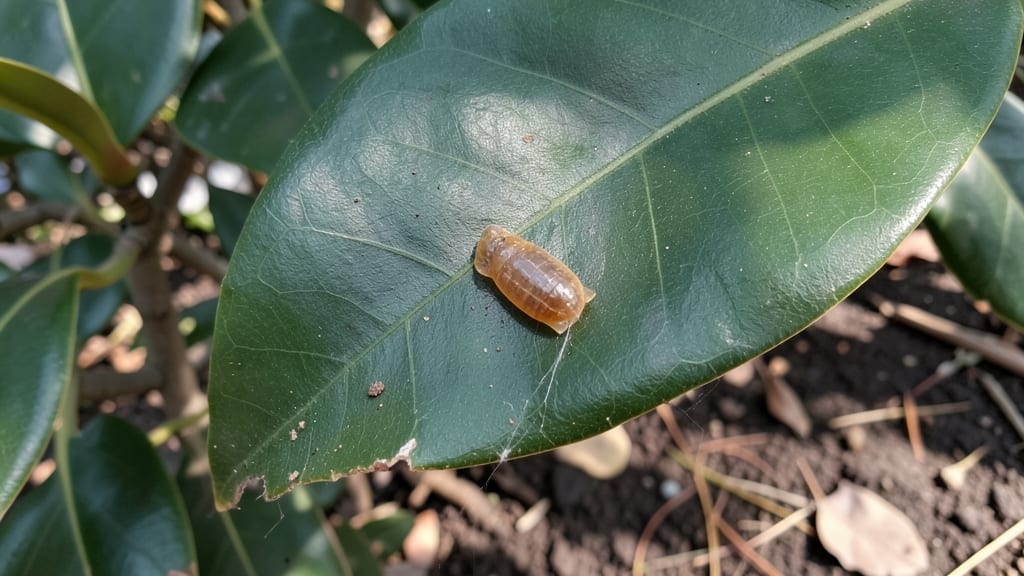
Magnolia tree droppings turn your lawn into a seed bomb waiting to explode. ✨ The glossy green pods and thick leaves create a mess that chokes grass, feeds slugs, and starts unwanted saplings—unless you act fast.
I’ve battled this every spring, and the right cleanup routine saves hours of weeding later.
The problem starts in late summer when those seed pods form. Left unchecked, they carpet the ground, smothering grass and attracting pests like slugs and earwigs. Magnolia seeds aren’t invasive, but they will sprout wherever they land—often in flower beds or sidewalks—if you don’t stop them.
The key is a two-step attack: remove the pods before they split open, then smother any stray seedlings before they take root.
Here’s the game-changer: a weekly rake-and-bag routine in fall, followed by a thick layer of straw mulch in spring to block sunlight from new sprouts. I’ve cut my weeding time by 80% using this method—no chemicals, just elbow grease and timing.
The lawn stays thick, the pests stay away, and those pesky seedlings never get a foothold.
Works for both small yards and large properties, and it’s just as effective for southern magnolias as it is for saucer magnolias. The secret? Stay one step ahead of the seed pods. Let’s make cleanup part of your routine instead of a springtime battle.
The Real Culprits Behind Falling Magnolia Leaves
Magnolia trees are stunning year-round, but their droppings—whether leaves, flowers, or seed pods—can turn your lawn into a seasonal cleanup challenge. Understanding the science behind why these parts fall when (and why they don’t) helps you manage the mess more effectively.
Here’s a breakdown of the key reasons your magnolia tree sheds so much—and what triggers it.
🌿 Seasonal Leaf Shedding: Nature’s Pruning Cycle
Magnolias are deciduous (or sometimes evergreen, depending on the variety), and their leaves follow a predictable lifecycle. In late summer or early fall, magnolias prepare for winter by:
- Photosynthesis slowdown: As daylight shortens, trees reduce chlorophyll production, causing leaves to lose their green pigment. This process weakens the leaf’s connection to the branch.
- Abscission layer formation: A specialized layer of cells (the abscission zone) forms at the leaf stem. Enzymes like polygalacturonase break down cell walls, creating a clean separation point. 🔪 Think of it as the tree’s natural "scissors."
- Nutrient recycling: Before dropping, leaves transport stored nutrients (like nitrogen and phosphorus) back into the tree’s roots and branches—a survival tactic for harsh winters.
Actionable insight: If your magnolia sheds leaves all year, it may signal stress (drought, pests, or disease). Healthy trees shed 90% of their leaves in 2–4 weeks during their natural cycle.
🌸 Flower and Seed Pod Drop: Post-Bloom Cleanup
Magnolias are famous for their showy spring blooms, but those flowers don’t last forever—and neither do their seed pods. Here’s why they fall:
- Pollination failure: Magnolias rely on beetles (not bees) for pollination. If pollinators are scarce, flowers may drop early without forming seed pods. 🐞💔
- Seed maturation: Once fertilized, flowers develop into conical seed pods (agnmonias). These pods contain red, fleshy arils that attract birds and animals for dispersal. When mature (late summer/fall), the pods split open, releasing seeds and leaving behind empty husks.
- Disease or pests: Fungal infections (like anthracnose) or borers can cause premature flower or pod drop. Look for black spots, wilting, or sawdust-like frass near the base.
Actionable insight: If pods don’t split or stay green past fall, your tree may be nutrient-deficient (try a balanced fertilizer in early spring).
🌪️ Environmental Stressors: Wind, Drought, and More
Magnolias are resilient, but extreme conditions can trigger unseasonal shedding. Common triggers include:
| Stressor | How It Affects the Tree | Signs to Watch For |
|---|---|---|
| Drought | Leaves curl and drop to reduce water loss via transpiration. Roots struggle to absorb moisture, causing wilting. | Brown leaf edges, dry soil 3+ inches deep, premature fall color. |
| Wind or Hail | Physical damage severs branches or tears leaves. Trees may abort leaves to conserve energy. | Torn leaves, exposed branch scars, or sudden large leaf clusters on the ground. |
| Temperature Swings | Late frosts (<32°F) can burn blooms, while heatwaves (>90°F) cause leaf scorch (brown, crispy edges). | Blackened flower buds, yellowing leaves in summer, or premature fall shedding. |
| Poor Soil Drainage | Root rot (Phytophthora) or anaerobic conditions starve roots of oxygen, leading to leaf drop. | Mushrooms at the base, soggy soil, or yellowing leaves even with water. |
Actionable insight: Mulch 3–4 inches deep (but keep it 6 inches from the trunk) to retain moisture and regulate soil temperature. For wind-prone areas, consider staking young trees or choosing smaller varieties like Magnolia ‘Little Gem’.
🐛 Pests and Diseases: Silent Leaf Thieves
Not all shedding is natural. Pests and pathogens can accelerate leaf drop by damaging foliage or disrupting nutrient flow. Common culprits:
- Magnolia Scale: These sap-sucking insects (like Neolecanium cornuparvum) excrete sticky honeydew, attracting sooty mold. Infested leaves yellow and drop prematurely.
- Webworms: Caterpillars skeletonize leaves (eat only the soft tissue), leaving a lacy pattern before defoliation.
- Root-Knot Nematodes: Microscopic worms damage roots, reducing water/nutrient uptake. Leaves wilt and drop even when soil is moist.
- Fungal Diseases:
- Anthracnose: Causes dark, sunken lesions on leaves, leading to early drop.
- Powdery Mildew: White, fluffy coatings block sunlight, weakening leaves.
Actionable insight: Inspect leaves undersides for pests (use a 10x magnifying glass) and treat with neem oil or horticultural oil in early spring (before buds open). For fungal issues, prune infected branches and apply copper fungicide.
Fixing Fallen Magnolia Debris
Now that you understand why your lawn is covered in magnolia tree droppings, it’s time to tackle the cleanup—and prevent future messes. Below are practical, step-by-step solutions tailored to the most common causes, along with prevention tips to keep your yard looking pristine. Let’s get started!
If your magnolia’s flowers or seed pods are dropping prematurely, the tree may be overburdened or stressed. Here’s how to fix it:
🔥 Remove the Debris Promptly
- 🍳 Collect fallen blooms and seed pods using a rake, leaf blower, or garden gloves. Work in small sections to avoid missing spots.
- 🗑️ Dispose of the debris in a compost bin (if organic) or trash bin (if diseased).
Avoid leaving it on the lawn, as it can attract pests or mold.
🌡️ Prune for Better Airflow
- ✂️ Trim dense branches to improve airflow, reducing stress on the tree.
Focus on: - Crossing or rubbing branches (cut at the branch collar). - Dead or diseased limbs (remove entirely to prevent spread). - 🌞 Ensure sunlight reaches the center—magnolias thrive with dappled shade but hate suffocation.
💡 Prevention Tip:
- 🌱 Mulch around the base (2–4 inches of organic mulch) to retain moisture and reduce stress. Keep mulch 6 inches away from the trunk to prevent rot.
If storms are the culprit, your cleanup strategy should focus on quick removal and structural support.
👨🍳 Sweep Up Debris After Storms
- 🌧️ Check your yard post-storm and remove fallen flowers or seed pods before they decompose and stain the lawn.
- 🧹 Use a stiff broom or leaf vacuum for tight spaces (like near fences or driveways).
🌳 Strengthen the Tree’s Structure
- 🪵 Stake young or weak magnolias during high-wind seasons to prevent excessive swaying.
- 🌿 Plant windbreak shrubs (like boxwoods or hydrangeas) on the windward side to act as a natural barrier.
💡 Prevention Tip:
- 🌿 Choose a wind-resistant variety if replanting—some magnolias (like Magnolia grandiflora) handle wind better than others.
If pests or fungal issues are causing premature dropping, treatment is key—but act fast!
🔪 Treat for Pests
- 🐜 Identify the pest (aphids, scale, or borers are common). Use:
- 💧 Horticultural oil spray (for soft-bodied insects like aphids).
- 🪰 Beneficial nematodes (for grubs in the soil).
- 🌿 Prune and destroy infested branches immediately to stop the spread.
🍄 Address Fungal Issues
- 🍄 Apply a fungicide (like copper-based or neem oil treatments) if you spot powdery mildew or leaf spot.
- 🌿 Improve drainage—magnolias hate soggy roots. Amend clay soil with compost or install a French drain if needed.
💡 Prevention Tip:
- 🌡️ Water at the base (not overhead) to keep foliage dry and discourage fungal growth.
- 🌿 Space trees properly (15–20 feet apart) to reduce humidity and disease risk.
If your magnolia is struggling with soggy roots, adjust your watering habits and soil structure.
⏰ Adjust Watering Schedule
- 💧 Water deeply but infrequently—magnolias prefer 1–2 inches of water per week (including rain).
- 🌧️ Avoid overhead watering, which can cause leaf diseases and fruit rot.
🔧 Improve Soil Drainage
- 🏗️ Test your soil’s drainage—dig a 12-inch hole, fill it with water, and time how long it takes to drain.
If it’s slower than 4 hours, amend the soil with: - 🪨 Sand or perlite (for clay-heavy soil). - 🍂 Compost or pine bark fines (for sandy soil). - 🌿 Consider raised beds if your yard is particularly wet.
💡 Prevention Tip:
- 🌿 Plant on a slight mound (6–12 inches high) to encourage runoff and prevent water pooling.
Keep your magnolia healthy with this simple upkeep routine:
| Season | Task | Why It Helps |
|---|---|---|
| Spring | Prune dead wood, fertilize lightly | Encourages strong new growth. |
| Summer | Mulch, water deeply, watch for pests | Prevents stress and disease. |
| Fall | Rake up debris, apply winter mulch | Protects roots from freezing temps. |
| Winter | Inspect for damage, avoid pruning | Prevents disease entry through fresh cuts. |
Final Thought: A little regular maintenance goes a long way in keeping your magnolia’s droppings under control. By addressing the root cause (literally!) and staying proactive, you’ll enjoy a cleaner lawn and a healthier tree—without the constant cleanup battle. 🌳✨
Frequently asked questions
Why do magnolia seed pods split open and scatter seeds everywhere?
Magnolia seed pods split open naturally when mature (usually in late summer or fall) to release seeds for dispersal by birds and animals. The pods contain fleshy red arils that attract wildlife. If you want to prevent unwanted seedlings, remove the pods before they split open—typically when they turn brown and papery. This is your best defense against a sudden "seed bomb" explosion!
Are magnolia seeds invasive or harmful if they sprout in my yard?
Magnolia seeds aren't invasive, but they will sprout wherever they land if conditions are right. Young seedlings can compete with grass or flowers for nutrients, so it's best to remove them early. The good news? They're easy to pull when small. For stubborn sprouts, apply a thick layer of mulch or use a spot treatment of vinegar (50/50 vinegar/water) to kill them without harming nearby plants.
How often should I clean up magnolia leaves and seed pods?
For minimal mess, aim to remove seed pods weekly in fall once they start turning brown. Leaves can be raked up every 2-3 weeks during peak shedding (late summer to early winter). If you're short on time, focus on high-traffic areas first. Pro tip: Use a leaf blower for quick cleanup, then compost the healthy debris to reduce waste.
Can I compost magnolia leaves and seed pods?
Yes, but with caution. Healthy leaves and empty seed pods can go in compost, but avoid diseased or pest-infested debris. If your pods contain seeds, composting them may still produce unwanted seedlings—so remove seeds first. For a cleaner compost, shred leaves first to speed up decomposition.
What's the best way to prevent slugs and earwigs from being attracted to fallen magnolia debris?
These pests love damp, decaying organic matter. To deter them, remove fallen debris promptly and keep your lawn dry. Spread dried sand or diatomaceous earth around the base of your magnolia (but avoid direct contact with the trunk). For slugs, set up beer traps or use iron phosphate-based baits. A clean yard equals fewer pests!