
Plants
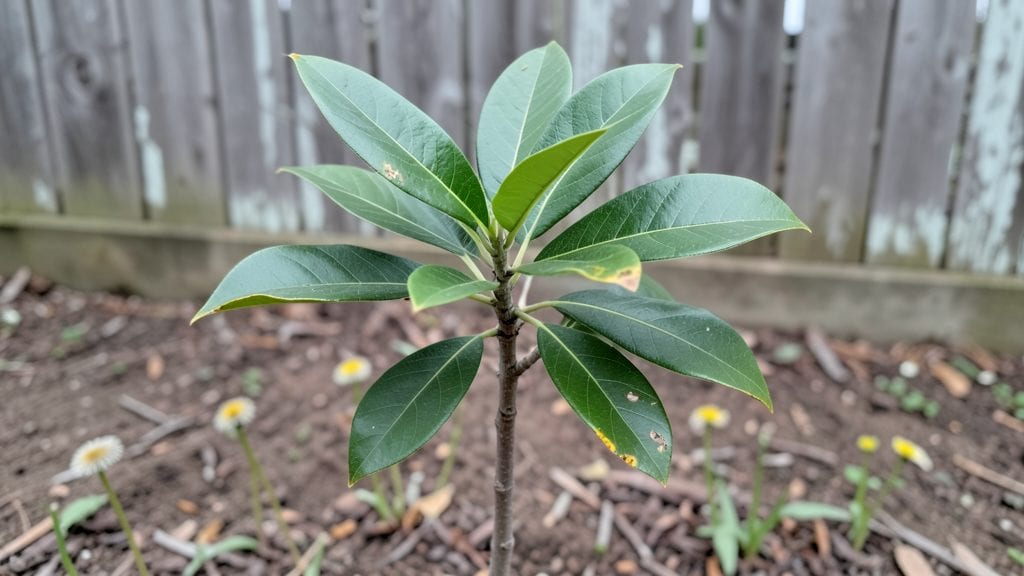
A young magnolia tree starts as a delicate, velvety shoot that looks nothing like its grand, flowering self. 🌱 The first leaves are oval, glossy, and cupped slightly at the edges, often with a faint downy fuzz underneath—like tiny green spoons just unfurling.
You’ll spot them in late spring or early summer, when most trees are still bare or leafing out clumsily.
What sets magnolia sprouts apart is their slow, upright growth habit—they don’t sprawl like willows or shoot up like aspens. The bark on young stems is smooth and pale gray, almost silvery, while the branches form a neat, pyramid shape.
If you’re at a nursery, look for these clues: leaves that smell faintly sweet when crushed and a habit of growing in clusters rather than singly.
By year three or four, you might catch the first hint of what’s to come: tiny, cup-shaped buds forming along the branches. These won’t bloom for years, but they’re your first real confirmation.
The tree’s dark green, leathery leaves will thicken, and the trunk will start developing those signature ridges that magnolias are known for.
Here’s the kicker: magnolias thrive in partial shade, so if you’re spotting these traits in a shady corner of your yard or a woodland edge, you’re likely looking at a young magnolia.
The key to keeping one happy? Moist, well-draining soil and protection from harsh winds—once you’ve got that down, you’re set for decades of those iconic blooms.
Understanding Young Magnolia Growth
Magnolia trees undergo dramatic transformations from seedling to mature beauty, and their early stages can look surprisingly different from what you might expect.
If you’re wondering why a young magnolia tree resembles a tiny, leafy shrub rather than a grand, flowering giant, the answer lies in its natural growth patterns and environmental interactions. Let’s break down the key reasons behind these early-stage characteristics.
Young magnolia trees prioritize root and leaf development over flower production because their genetic makeup is hardwired for survival. Here’s why: - Energy Allocation: Magnolias, like many trees, follow a priority system where roots and foliage take precedence.
Flowers are energy-intensive, so the tree conserves resources for establishing a stable foundation. This is especially true in the first 2–5 years of growth. - Slow Maturation: Unlike fast-growing species, magnolias are slow to mature.
Their seeds contain dormancy mechanisms that delay rapid growth until conditions (like soil quality, sunlight, and moisture) are ideal.
This ensures the young tree isn’t overwhelmed by environmental stressors. - Leaf Structure: The large, glossy leaves of young magnolias aren’t just for show—they’re adapted to maximize photosynthesis in low-light conditions (common in their native understory habitats).
These leaves are thicker and more leathery than mature magnolia foliage, helping them retain moisture and resist pests.
Pro Tip: 💡 If your young magnolia has small, sparse leaves, it might be struggling with nutrient deficiency (like nitrogen or phosphorus). A balanced fertilizer can help, but avoid over-fertilizing—magnolias prefer acidic, well-draining soil.
A young magnolia’s appearance can also be shaped by its surroundings. If it looks stunted, leggy, or unusually dense, the issue is likely environmental. Here’s what’s happening:
| Stressor | Effect on Young Magnolia | Solution |
|---|---|---|
| Insufficient Sunlight | Leaves grow larger and paler; stems stretch (etiolation). | Plant in partial shade to full sun (6+ hours of sunlight daily). Avoid dense shade, which mimics its natural understory but stunts growth. |
| Poor Soil Drainage | Roots suffocate; leaves yellow or wilt. | Amend soil with compost or sand to improve aeration. Magnolias hate soggy roots! |
| Competition | Nearby plants steal nutrients/water; slow growth. | Mulch with wood chips (2–3 inches) and remove invasive weeds within a 3-foot radius. |
| Extreme Temperatures | Cold snaps cause leaf scorch or bud damage. | Protect young trees with burlap wraps in winter if in a marginal climate zone (USDA Zones 4–9). |
Key Insight: 🌡️ Magnolias are sensitive to transplant shock. If you’re growing one from a nursery, its early appearance may reflect root disturbance. Water deeply 2–3 times per week for the first month after planting to encourage recovery.
Pests and pathogens can drastically alter a young magnolia’s growth trajectory. Here’s how they interfere:
- Scale Insects & Spider Mites: These sap-suckers cause sticky residue (honeydew) and yellowing leaves. They thrive in dry conditions, so consistent watering (1 inch per week) deters them. - Fungal Infections (e.g., Powdery Mildew): White, powdery coatings on leaves block sunlight, weakening photosynthesis.
This often happens in humid, shaded conditions. Improve airflow by pruning nearby branches and applying neem oil as a preventive spray. - Root Rot (From Overwatering): If the soil stays waterlogged, roots suffocate, leading to blackened stems and leaf drop.
Magnolias prefer moist but well-draining soil—never let them sit in puddles.
Pro Tip: ✨ Inspect leaves regularly for early signs of pests (e.g., tiny webs, chewed edges). A strong stream of water can dislodge soft-bodied insects like aphids without chemicals.
If your young magnolia looks bushy, uneven, or overly dense, it might be reacting to pruning mistakes or lack of guidance. Here’s how human intervention plays a role:
- Over-Pruning: Cutting too aggressively in early stages stimulates excessive branching, making the tree look like a shrub.
Magnolias develop strong central leaders naturally—avoid heavy pruning until the tree is 3–5 years old. - Incorrect Planting Depth: Burying the root flare (the bulge at the base of the trunk) too deep strangles the tree, leading to weak growth.
Always plant so the flare is visible above soil level. - Lack of Support: Young magnolias can flop over in windy conditions. Stake them gently (using soft ties) if they’re in an exposed area, but remove stakes after 1–2 years to avoid girdling.
Actionable Fix: 🔪 If your magnolia has multiple weak leaders, choose the strongest central stem and prune others back to just above a bud. This encourages a single, sturdy trunk.
Reviving and Caring for Young Magnolias
If your young magnolia isn’t thriving—or if you’re struggling to spot one in its early stages—don’t worry! With the right care, you can help it grow into a stunning, healthy tree.
Below are practical solutions tailored to common issues, from identification struggles to growth challenges, plus prevention tips to keep your magnolia on the right path.
If you’re unsure whether a small tree is a magnolia, start by examining its leaves, buds, and bark.
🔍 Step 1: Check the Leaves
- Shape: Young magnolia leaves are large, glossy, and oval-shaped (3–8 inches long), often with a leathery texture.
- Arrangement: They grow alternately (one leaf per node) along the stem, not in clusters.
- Color: New leaves may appear deep green or reddish-purple (especially in Magnolia grandiflora or Magnolia stellata).
🌸 Step 2: Look for Buds or Flowers
- Bud Shape: Magnolia buds are conical or egg-shaped, often fuzzy or scaly.
- Flowers: If present, they’re large, fragrant, and showy (white, pink, or purple), with many petal-like tepals.
- Timing: Some magnolias bloom early spring (before leaves fully emerge), while others flower in late spring or summer.
🌲 Step 3: Inspect the Bark and Branches
- Bark: Smooth and grayish-brown when young, developing ridges or furrows as it matures.
- Branches: Upright growth habit with stout, sturdy branches (not weak or sprawling like willows).
💡 Pro Tip: If you’re still unsure, snap a photo and compare it to a magnolia identification guide (like the USDA Plant Database).
If your magnolia is small, leggy, or not growing, the issue is likely light, soil, or water-related.
☀️ Problem: Not Enough Sunlight
Magnolias need full sun to partial shade (6+ hours of sunlight daily).
- Fix: Move it to a sunnier spot (but avoid harsh afternoon sun in hot climates).
- Prevention: Plant in a location with morning sun and afternoon shade if summers are intense.
💧 Problem: Overwatering or Poor Drainage
Magnolias hate soggy roots—this can cause root rot or yellowing leaves.
- Fix:
- Check soil moisture before watering (stick your finger 2 inches deep—if dry, water).
- Improve drainage by amending soil with compost or perlite.
- Water deeply but infrequently (1–2 times per week, depending on climate).
- Prevention: Plant in well-draining soil (avoid clay-heavy areas unless amended).
🌱 Problem: Nutrient Deficiency (Yellow Leaves, Weak Growth)
Magnolias need acidic, fertile soil (pH 4.5–6.0).
- Fix:
- Test soil pH (use a home kit or send a sample to a lab).
- Add organic matter: Mix in compost, peat moss, or pine bark fines.
- Fertilize lightly in early spring with an acid-loving plant fertilizer (like 8-3-9 or 10-10-10).
- Prevention: Mulch annually (2–3 inches of pine straw or shredded bark) to retain moisture and nutrients.
Young magnolias are vulnerable to pests and fungal issues—here’s how to tackle them.
🐜 Problem: Magnolia Scale or Spider Mites
- Signs: Sticky residue (honeydew), yellowing leaves, or tiny webs.
- Fix:
- Spray with horticultural oil (in early spring or fall).
- Blast off pests with a strong water spray (disrupts their life cycle).
- Introduce beneficial insects (like ladybugs or lacewings).
- Prevention: Keep the tree healthy (proper watering/fertilizing deters pests).
🍄 Problem: Powdery Mildew or Leaf Spot
- Signs: White powdery coating or brown/black spots on leaves.
- Fix:
- Remove infected leaves and destroy them.
- Spray with neem oil or a fungicide (like copper fungicide).
- Improve airflow by pruning dense branches.
- Prevention: Water at the base (avoid wetting leaves) and prune for airflow.
When to Prune: Late winter or early spring (before new growth starts). How to Prune:
- Remove dead, diseased, or crossing branches with clean, sharp pruners.
- Thin out crowded branches to improve airflow.
- Avoid heavy pruning—magnolias bloom on old wood, so prune lightly.
✨ Pro Tip: If your magnolia is too leggy, prune just above a bud or leaf node to encourage bushier growth.
Final Thought: With the right care, your young magnolia will thrive and reward you with stunning blooms for decades. Start with proper identification, then focus on sunlight, soil, and pest control—and you’ll be on your way to a healthy, beautiful tree! 🌿💚
Frequently asked questions
How can I tell if a small tree is a young magnolia?
Look for large, glossy oval leaves (3–8 inches) with a leathery texture and a faint sweet smell when crushed. The bark is smooth and grayish, and the tree grows upright with sturdy branches—not sprawling like willows. Young magnolias also develop conical, fuzzy buds by year 3 or 4, which are a key identifier.
Why does my young magnolia have small, sparse leaves?
This usually means nutrient deficiency (like nitrogen or phosphorus) or poor soil drainage. Test your soil pH—magnolias thrive in acidic soil (4.5–6.0). Add compost or pine bark fines and fertilize lightly in early spring with an acid-loving plant formula. Overwatering can also cause root rot, leading to weak growth.
Can I grow a young magnolia from seed?
Yes, but it takes 1–2 years for seeds to germinate—patience is key! Plant seeds in moist, well-draining soil and keep them in partial shade. Stratification (mimicking winter) by refrigerating seeds for 6–8 weeks before planting can improve germination rates. Seedlings grow slowly but are hardier than nursery-bought saplings.
How fast does a young magnolia grow?
Magnolias are slow growers—expect 12–24 inches per year in ideal conditions. Dwarf varieties like Magnolia stellata grow 6–12 inches yearly, while larger species like Magnolia grandiflora can reach 2 feet per year. Growth slows in shady or nutrient-poor soil, so ensure proper sunlight and acidic, well-draining soil.
Will my young magnolia bloom in its first year?
Almost never! Most magnolias take 3–7 years to produce flowers, depending on the species. Focus on establishing a strong root system first. Early blooms (if they happen) are usually weak and may not survive harsh weather. Patience pays off—healthy young trees bloom more reliably as they mature.