
Fertilization
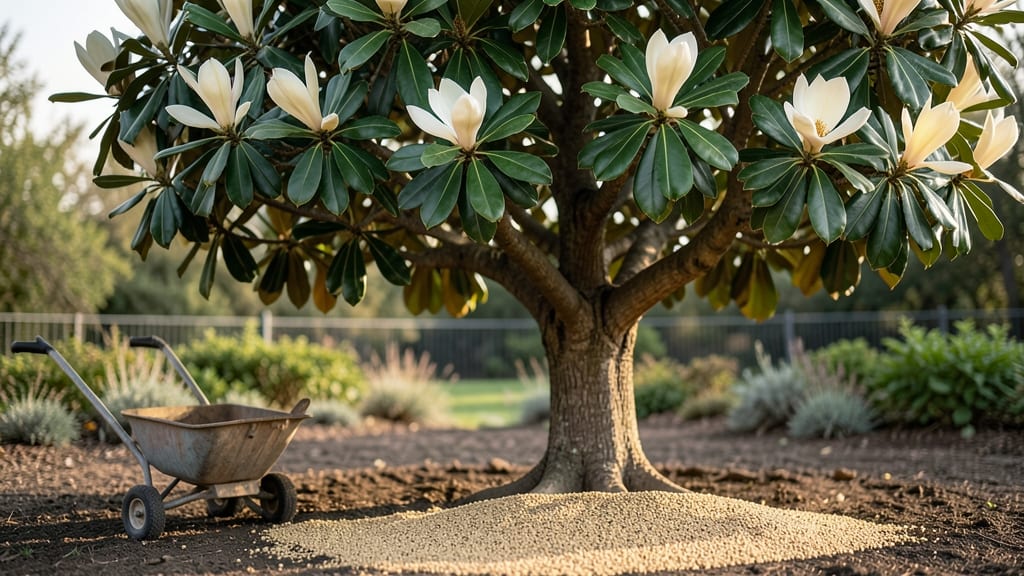
Proper magnolia tree fertilization unlocks the secret to those breathtaking blooms and thriving foliage you’ve been longing for.
Struggling to get your magnolia tree to bloom spectacularly or grow faster? The secret isn’t just water or sunlight—it’s a strategic fertilization schedule tailored to its seasonal needs. Learn how to feed your magnolia tree the right way to unlock vibrant flowers and robust growth year after year.
Most gardeners overlook the fact that magnolias thrive on a balanced approach—too much fertilizer can burn roots, while too little leaves them lacking in nutrients.
The timing matters just as much as the type, and a few simple adjustments can make all the difference between a lackluster tree and one that steals the show.
In this guide, I’ll walk you through the best fertilizers, the perfect application schedule, and how to avoid common mistakes that could stunt your tree’s growth. Ready to give your magnolia the care it deserves?
Best fertilizers for magnolia trees: organic vs synthetic options
Choosing the right fertilizer for magnolia trees can make the difference between vibrant blooms and stunted growth. Magnolias thrive on a balanced diet, but their needs vary by age, soil type, and climate.
Organic options like compost or fish emulsion build soil health over time, while synthetic fertilizers deliver quick nutrient boosts. Let’s break down the best choices for your magnolia tree fertilization strategy.
For young magnolias (1–3 years old), focus on nitrogen-rich fertilizers to fuel leaf and stem growth. Mature trees (over 5 years old) need more phosphorus and potassium to support blooming and root strength.
Soil tests are your best friend—knowing your pH (ideal: 5.0–6.5) helps tailor your fertilizer mix for optimal absorption.
If your magnolia’s soil is sandy or fast-draining, opt for slow-release granules like Osmocote. These fertilizers dissolve gradually, preventing nutrient runoff. For clay-heavy soils, organic matter like well-aged compost or worm castings improves aeration and moisture retention.
Always water thoroughly after applying granular fertilizers to activate nutrients and reduce root burn risk.
Avoid high-nitrogen fertilizers (NPK ratios like 30-0-0) unless your tree shows yellowing leaves or poor growth. Too much nitrogen can lead to excessive foliage at the expense of flowering.
Instead, aim for a balanced 5-10-10 or 10-10-10 ratio to encourage both growth and blooms. For container-grown magnolias, use a half-strength liquid fertilizer every 4–6 weeks during the growing season.
My go-to organic option is a mix of composted manure and kelp meal. The manure adds nitrogen for leafy growth, while kelp provides trace minerals like iron and magnesium, which are critical for magnolia tree health.
For synthetic lovers, Espoma Tree Tone is a slow-release favorite that won’t overwhelm your tree’s roots. Always follow package instructions—over-fertilizing is a common mistake that leads to leaf scorch or root damage.
For newly planted magnolias, hold off on heavy fertilization for the first 6–12 months. Focus on watering deeply and mulching to reduce stress.
Seasonal fertilization schedule for magnolia trees: when and how to apply
Magnolia trees thrive when fertilized at the right times with the right nutrients. Unlike many plants, they don’t need frequent feeding—just timely, balanced applications to encourage strong blooms and steady growth.
The key is understanding seasonal needs: heavy feeding in spring, light maintenance in summer, and complete rest in fall and winter. For newly planted trees, the approach differs slightly to avoid root burn or stress.
Your magnolia’s fertilization schedule should align with its natural growth cycles. Spring is prime time for nutrient uptake, summer requires gentle support, and fall/winter demand zero intervention.
Below, I’ll break down the exact when, what, and how of fertilizing, plus how to spot over- or under-fertilization signs so you can adjust quickly.
🌱 Seasonal Fertilization Guide for Magnolias
- 🌿 Early Spring (March–April): Apply balanced fertilizer (5-10-10) when soil thaws. Use 1–2 lbs per 100 sqft for mature trees; halve for new plantings. Water deeply after application.
- ☀️ Late Spring (May): Repeat with half-strength fertilizer if new growth appears vigorous. Focus on organic options (compost or slow-release granules) to avoid salt buildup.
- 🌞 Summer (June–August): Skip heavy feeding. Instead, use liquid fertilizer (diluted) every 6–8 weeks if leaves look pale. Prioritize mulching to retain moisture and nutrients.
- 🍂 Fall (September–October): No fertilization. Let the tree store energy for winter. Remove old mulch and replace with fresh organic matter.
- ❄️ Winter (November–February): Dormant period. Avoid fertilizing—roots are inactive. Focus on protecting roots with mulch in cold climates.
For application methods, granular fertilizers are ideal for mature trees—simply spread evenly around the drip line (not the trunk) and water in. Liquid fertilizers work well for container-grown magnolias; dilute to half-strength to prevent root damage.
Always water before and after applying fertilizer to flush excess salts from the soil.
Watch for signs of over-fertilization, like yellowing leaves, leaf burn, or stunted growth. Under-fertilized trees may show pale foliage, fewer blooms, or weak stems. Adjust your schedule based on these cues—magnolias are sensitive to nutrient imbalances but reward patience with show-stopping flowers.
Remember, soil testing is your best friend. If your soil is already rich in nutrients, you may only need a light feeding in spring. For poor soils, consider organic amendments like compost or aged manure to build fertility naturally over time.
With the right approach, your magnolia will reward you with healthier growth and more abundant blooms every season. 🌸