
Trees
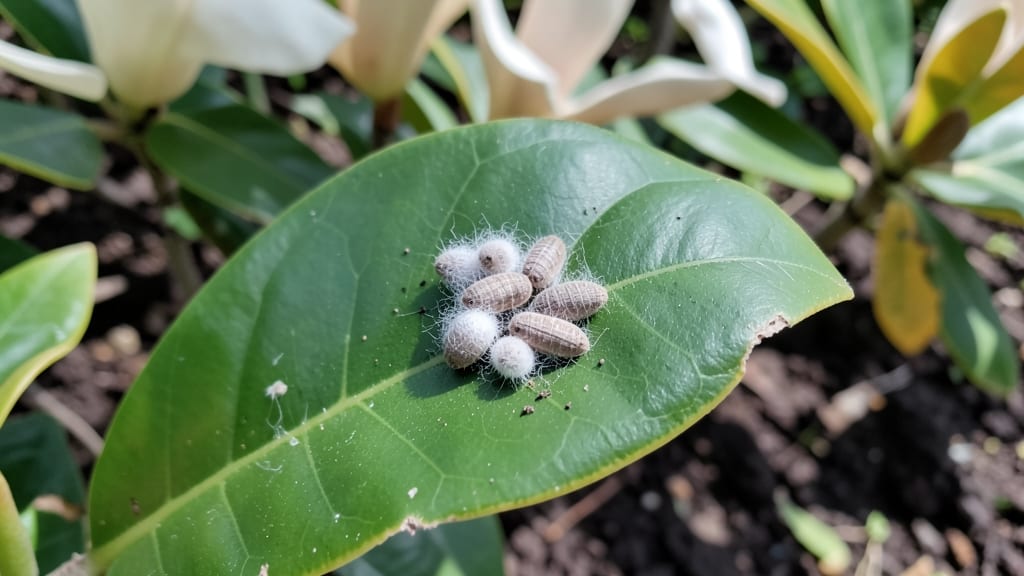
Magnolia trees attract insects like scale, lace bugs, and webworms—each leaving telltale signs that ruin their showy blooms. 🌿 I’ve battled these pests myself, and the key is catching them early before they strip leaves or ooze sap down the bark.
The damage starts small: yellowing spots, sticky residue, or fine webs between branches.
Most problems begin with stress—drought, poor soil, or overcrowded branches make trees vulnerable. Scale insects cling like tiny bumps, lace bugs hide under leaves, and webworms spin silk tents. The good news?
You don’t need harsh chemicals to win. Pruning out infested branches, applying neem oil, or inviting ladybugs and lacewing larvae can turn the tide in just a few weeks.
By the time you spot the first signs, you’ll already know exactly what to do: scrub off scale with soapy water, blast lace bugs with a strong spray, or tear apart webworm nests by hand. The goal isn’t perfection—it’s keeping your magnolia healthy enough to bounce back stronger every season.
This works for both young trees and mature giants, whether you’re in the South’s humid climate or a cooler zone. The secret is consistency: check monthly during growing season, and you’ll protect those iconic blooms year after year.
Root Causes Of Magnolia Pests
Understanding why insects target your magnolia tree starts with recognizing the plant’s natural appeal—and the environmental factors that make it a prime buffet. Magnolias are lush, nutrient-rich, and often stressed in ways that invite pests. Here’s why these insects show up in the first place:
Magnolias produce broad, tender leaves packed with sugars and oils—an all-you-can-eat buffet for hungry insects. Why it matters:
- High moisture content makes leaves soft and easy to chew.
- Volatile organic compounds (VOCs) in magnolia foliage can attract pests like scale, aphids, and webworms.
- Slow decomposition of fallen leaves creates a damp, fertile ground layer where larvae thrive.
Actionable insight: Prune to improve airflow—thin out dense branches to reduce humidity pockets where pests hide.
Stressed trees are like open invitations for pests.
Magnolias often face: - Drought or overwatering → Weakens roots, reducing the tree’s ability to fight off attackers. - Poor soil drainage → Roots suffocate, making the tree vulnerable to borers and bark beetles. - Extreme heat or cold → Shocked trees produce more sap, a sweet magnet for insects like lace bugs.
Pro tip: 💡 Mulch properly (2–4 inches of organic mulch) to regulate soil moisture and temperature, reducing stress signals that attract pests.
Insects like magnolia scale and sawfly larvae thrive when their natural predators (like ladybugs or parasitic wasps) are scarce. Common triggers:
- Overuse of broad-spectrum pesticides → Kills beneficial insects faster than pests.
- Urban or suburban isolation → Fewer wild predators (e.g., birds, spiders) to keep populations in check.
- Seasonal timing → Some pests (like webworms) emerge in waves when their predators are still dormant.
Key takeaway: Avoid chemical sprays in early spring—wait until pests are actively feeding to preserve predator populations.
Insects often follow fungal or bacterial infections, which create entry points and weaken the tree’s defenses. Examples:
- Anthracnose fungus → Causes leaf spots, making trees more attractive to sap-sucking insects.
- Root rot → Compromises the tree’s ability to transport nutrients, stressing it further.
- Bacterial leaf spot → Creates wounds where borers or beetles can burrow in.
Prevention tip: 🌡️ Monitor for early signs of disease (e.g., discolored leaves, oozing sap) and treat with copper fungicides or neem oil before pests arrive.
Improper pruning can create perfect hiding spots and entry points for insects. Red flags:
- Over-pruning → Removes protective bark layers, exposing the tree to bark beetles.
- Ragged cuts → Leave jagged edges where borers can tunnel in.
- Removing too many leaves → Reduces the tree’s ability to photosynthesize, weakening its immune response.
How to fix it: ✂️ Prune in late winter/early spring (before pests are active) and use clean, sharp tools to make smooth cuts just outside the branch collar.
Too much nitrogen or phosphorus can make magnolias grow too fast, producing weak, susceptible tissue. Signs of over-fertilization:
- Dark green, glossy leaves (a sign of excess nitrogen).
- Stunted growth (phosphorus imbalance).
- Soft, tender new growth (loved by caterpillars and sawflies).
Balance tip: 🎯 Use a slow-release, balanced fertilizer (e.g., 10-10-10) in early spring, and avoid high-nitrogen lawn fertilizers near the tree’s drip line.
New constructions, compacted soil, or even nearby pesticide use can disrupt a magnolia’s ecosystem. Common disruptors:
- Construction debris or mulch buildup → Traps moisture, encouraging fungal growth and pest habitats.
- Compacted soil from foot traffic → Restricts root growth, making the tree more vulnerable.
- Neighbor’s pesticide drift → Kills off local predators, tipping the balance in favor of pests.
Solution: 🏗️ If you’re landscaping near a magnolia, aerate the soil annually and use organic mulch to maintain a healthy root zone.
Quick Fixes for Tree Pests
When pests invade your magnolia tree, acting fast is key to preventing long-term damage. Below are practical, step-by-step solutions tailored to common infestations—from chewed leaves to sticky sap and wilting branches. Each fix includes prevention tips to keep your tree thriving long after the problem is gone.
Scale insects cling to branches, sucking sap and leaving behind a sticky residue (honeydew). Here’s how to evict them:
🍳 Step 1: Prune Infested Branches
- Use sterilized pruners to trim heavily infested branches (especially in early spring or late fall).
- Dispose of clippings in a sealed bag—do not compost them!
👨🍳 Step 2: Blast Them Off
- Mix 1 tablespoon of dish soap (like Dawn) with 1 quart of water in a spray bottle.
- Spray directly on infested areas, focusing on crevices where scales hide.
- Repeat every 7–10 days until no more crawlers appear.
🥘 Step 3: Introduce Natural Predators
- Ladybugs and parasitic wasps love scale insects. Buy them online or attract them with neighborhood-friendly plants like dill or fennel.
- Horticultural oil (applied in dormant season) smothers eggs and adults—just avoid spraying when temps are above 85°F.
✨ Prevention Tip:
- Inspect trees monthly during growing seasons. Early detection = easier removal!
- Encourage ants (they hate scale insects). Ants farm aphids/scale, but if you disrupt their colonies, the pests scatter.
Tiny caterpillars munch on leaves, leaving a lacy pattern or silky webs. Trapping and manual removal work best:
🔪 Step 1: Shake Out the Nest
- Early morning, when webs are damp, shake branches over a large tarp or bucket.
- Drown or dispose of caterpillars immediately.
⏰ Step 2: Set Up Pheromone Traps
- Pheromone traps (available at garden centers) lure male moths away from females.
- Place traps before peak season (late spring) for best results.
🌡️ Step 3: Apply Bacillus thuringiensis (Bt)
- Bt is a natural bacteria that kills caterpillars but harms nothing else.
- Spray every 7–10 days during outbreaks (follow label instructions).
💡 Pro Tip:
- Avoid broad-spectrum pesticides—they kill beneficial insects like praying mantises and green lacewings, which eat webworms naturally.
These larvae tunnel into new growth, causing blackened, dying branches. Act fast:
🔥 Step 1: Cut Out the Infested Wood
- Sterilize pruners with rubbing alcohol.
- Cut 6–12 inches below the damaged area (larvae may be hidden deeper).
- Burn or seal cuttings in a trash bag.
🍳 Step 2: Inject Systemic Treatment
- Imidacloprid (systemic pesticide) can be injected into the trunk (hire a pro if unsure).
- Alternative: Neem oil (spray weekly during emergence season—late spring).
🎯 Step 3: Wrap Trunks for Early Detection
- Wrap lower trunks with sticky tree band traps (available at garden stores) to catch emerging adults.
✨ Prevention Tip:
- Keep grass and debris cleared from the base of the tree—borers love hiding there.
- Plant resistant varieties like Magnolia grandiflora (southern magnolia), which borers avoid more often.
A few low-effort habits can dramatically reduce future infestations:
- 🌿 Mulch properly: Use 3–4 inches of organic mulch (wood chips) but keep it 6 inches away from the trunk to deter burrowing pests. - 💦 Water deeply but less often: Overwatering stresses trees, making them more vulnerable.
Water early morning to let foliage dry quickly (fungus + pests = bad combo). - 🐝 Support pollinators: Bees, birds, and bats all help control pests naturally. Plant native flowers nearby! - 🧹 Clean up fallen leaves: Pests overwinter in leaf litter—rake up debris in fall.
Final Reminder: Most magnolia pests are manageable with patience and natural methods. If an infestation seems too severe, consult a certified arborist—they can assess whether your tree needs professional intervention.
Now grab your gloves, spray bottle, and get that tree back to glory! 🌳💚
Frequently asked questions about magnolia tree pests
What are the most common insects that attack magnolia trees?
The top culprits are magnolia scale, lace bugs, webworms, and borers. Scale insects leave sticky residue, lace bugs create speckled leaves, webworms spin silk tents, and borers tunnel into branches. Each leaves distinct damage patterns—knowing these helps you act fast.
How do I tell if my magnolia has an insect problem?
Watch for yellowing leaves, sticky sap (honeydew), fine webs, or chewed foliage. Inspect undersides of leaves for tiny bugs or eggs. Early signs include slow growth or premature leaf drop—don’t wait until branches look skeletonized!
Can I use neem oil on magnolia trees?
Yes! Neem oil is safe for magnolias and effective against scale, lace bugs, and webworms. Mix 1 tablespoon per quart of water with a drop of dish soap as a spreader. Spray in early morning on calm days, and repeat every 7–10 days until pests disappear. Just avoid temperatures above 85°F.
Will pruning help control pests?
Prune infested branches in late winter/early spring to remove hiding spots and reduce pest populations. Always sterilize tools with rubbing alcohol, and dispose of clippings in sealed bags. Thin out dense growth to improve airflow—pests love humid, crowded conditions.
Are there natural predators that can help?
Yes! Ladybugs, lacewings, and parasitic wasps eat scale and webworms. Attract them by planting dill, fennel, or yarrow nearby. Birds and bats also help—install a bat house or bird feeder to boost your tree’s pest defense team.