
Pests and Diseases
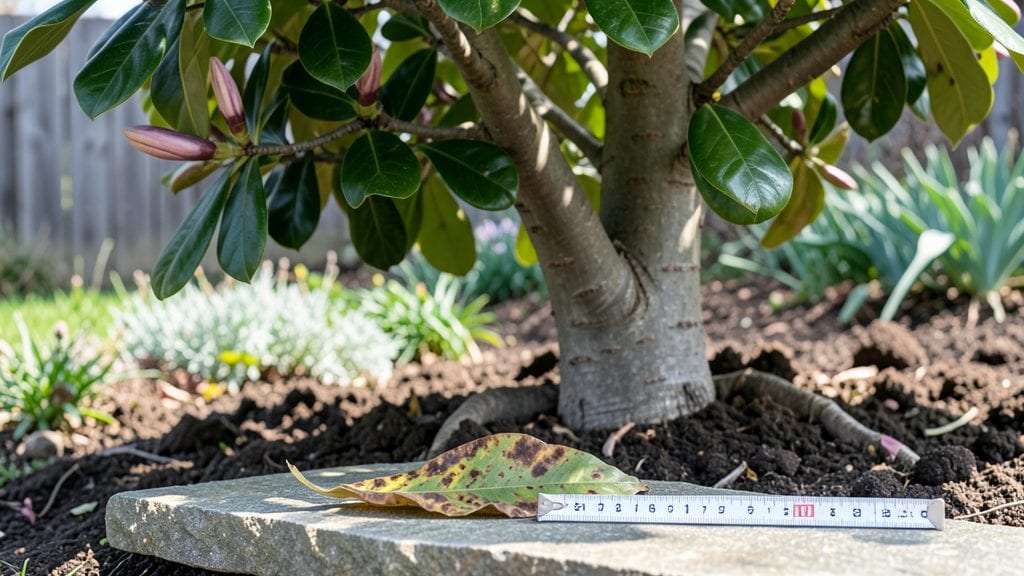
Magnolia trees with leaf disease can go from stunning to sad in weeks—if you don’t catch it early. 🌿 I’ve seen powdery white fuzz, black spots, and curling leaves ruin otherwise healthy trees, but the right diagnosis and treatment can turn things around fast.
The most common culprits are powdery mildew, anthracnose, and other fungal infections, all thriving in damp, shady conditions. The good news? Most of these issues respond well to organic sprays like neem oil or baking soda mixtures, applied before symptoms spread.
I’ve stopped outbreaks in my own magnolias by pruning infected leaves and improving airflow.
You’ll learn to spot the early warning signs—yellowing between veins, dark patches, or that telltale white powder—and how to treat them without harsh chemicals. A few simple steps now can save your tree’s foliage for next season, keeping those iconic blooms coming back stronger.
Works for both young trees and mature giants, and the methods adapt to your climate. Let’s get your magnolia looking healthy again—no guesswork, just results.
Understanding Root Causes
Magnolia trees are stunning additions to any landscape, but their leaves can fall prey to a variety of diseases that disrupt their beauty and health. To tackle these issues effectively, it’s essential to grasp the why behind them.
Below, we break down the most common culprits—from fungal invaders to environmental stressors—that turn lush green foliage into a battleground for your tree.
Fungi are the #1 cause of magnolia leaf diseases, thriving in warm, humid conditions. These microscopic organisms latch onto weak spots in leaves, stems, or bark, triggering infections like anthracnose, powdery mildew, or leaf spot diseases. Here’s how they strike:
- Overhead Watering 💦 Fungi spread via water droplets, especially when leaves stay wet for prolonged periods. Splashing from sprinklers or rain creates a perfect breeding ground for spores to land and infect healthy tissue.
- Poor Air Circulation 🌬️ Dense foliage or crowded plantings trap moisture, giving fungi a cozy environment to multiply. Magnolias with thick canopies are particularly vulnerable if airflow is restricted.
- Weakened Tree Defense 🛡️ Stress from drought, nutrient deficiencies, or physical damage (like pruning wounds) lowers a magnolia’s resistance. Fungi exploit these openings, leading to yellowing, brown spots, or premature leaf drop.
- Specific Fungal Pathogens
- Colletotrichum (anthracnose): Causes dark, sunken lesions with yellow halos.
- Microsphaera (powdery mildew): Leaves develop a white, powdery coating.
- Alternaria or Cercospora: Produce small, circular brown spots with dark edges.
Pro Tip: 💡 Fungal spores can survive in soil or fallen leaves for years—remove infected debris promptly to break the cycle!
Magnolias are resilient, but extreme or inconsistent conditions can trigger leaf disorders that mimic diseases. These abiotic (non-infectious) issues often go unnoticed until damage appears:
- Temperature Fluctuations ❄️☀️ Sudden freezes or late-season frosts can cause cold injury, leading to brown, crispy leaf edges or blackened tips. Heat stress in summer may also scorch leaves, turning them yellow or white.
- Water Imbalance 💧🔥
- Overwatering: Leads to root rot (often caused by Phytophthora), which starves leaves of nutrients, turning them yellow or dropping prematurely.
- Underwatering: Causes drought stress, making leaves curl, wilt, or develop a papery texture.
- Nutrient Deficiencies 🍃
- Iron deficiency (chlorosis): Leaves lose green pigment, turning yellow between veins (common in alkaline soils).
- Magnesium or nitrogen shortages: Stunt growth and cause yellowing or purple tinges, especially on older leaves.
- Soil pH Imbalances 📉📈 Magnolias prefer acidic soil (pH 5.0–6.5). If soil is too alkaline (pH >7), essential nutrients like iron and manganese become unavailable, leading to yellowing or necrosis.
Pro Tip: 🌡️ Use a soil test kit to check pH and nutrient levels—amending soil with sulfur or organic matter can restore balance!
While pests don’t directly cause diseases, their feeding can weaken leaves, making them susceptible to secondary infections. Common culprits include:
- Magnolia Scale 🐛 These sap-sucking insects secrete honeydew, which fosters sooty mold (a black fungal growth). Infested leaves yellow, wilt, or drop prematurely.
- Japanese Beetles 🐞 Adults chew irregular holes in leaves, reducing photosynthesis and stressing the tree. Frass (insect waste) can also clog leaf surfaces, trapping moisture.
- Spider Mites 🕷️ In dry conditions, these tiny pests suck cell sap, causing stippling (tiny white/yellow dots) and leaf bronzing. Severe infestations lead to leaf drop.
- Caterpillars 🐛 Species like the magnolia shoot borer or tussock moth larvae munch on leaves, creating large, ragged holes. This damage invites fungal infections through open wounds.
Pro Tip: ✨ Inspect leaves underneath for eggs, webbing, or pests—early intervention (neem oil, horticultural soap) prevents outbreaks!
Sometimes, well-meaning gardening practices backfire. Common missteps that invite leaf problems:
- Improper Pruning ⚔️ Cutting too late in the season (after June) or using dirty tools can introduce bacterial or fungal infections through open wounds.
- Over-Fertilizing 💥 Excess nitrogen promotes soft, succulent growth—a buffet for pests and fungi. Slow-release, balanced fertilizers are safer.
- Ignoring Mulch Depth 🌳 Mulching too close to the trunk (<2 inches) suffocates roots and traps moisture, encouraging rot and fungal growth.
- Planting in the Wrong Location 🏡 Magnolias need partial shade to full sun and well-draining soil. Poor drainage or shade from competing trees stresses leaves, making them vulnerable to disease.
Pro Tip: 🎯 Always sterilize pruning tools with rubbing alcohol and prune in early spring to minimize stress!
Fixing Foliage Fails Fast
When your magnolia’s leaves start throwing red flags—yellowing, spotting, wilting, or dropping—it’s time to act. The good news? Most leaf diseases are beatable with the right moves. Below, we map the most common culprits to their fixes, plus pro tips to keep your tree thriving.
Think of this as your magnolia’s first aid kit, tailored to each ailment.
Fungi love damp, shady conditions and often crash your magnolia’s party uninvited. Here’s how to evict them:
🔥 Target: Powdery Mildew
Signs: White, powdery coating on leaves (like dust, but itchy). Fix:
- 🍳 Spray Down: Mix 1 tsp baking soda + 1 quart water + a drop of dish soap (so it sticks). Spray both sides of leaves every 7–10 days until it’s gone. (Yes, baking soda works—science says so!)
- 👨🍳 Prune & Clean: Remove heavily infected leaves (bag and toss them!) and rake up debris under the tree. Never compost diseased plant material.
- 🌡️ Improve Airflow: Thin out dense branches so sunlight and air can circulate. Fungi hate competition!
💡 Prevention:
- Water at the base of the tree (not overhead) to keep leaves dry.
- Space new magnolias 10–15 feet apart to reduce humidity pockets.
🍳 Target: Anthracnose or Leaf Spot
Signs: Dark, sunken spots with yellow halos; leaves may drop prematurely. Fix:
- 🔪 Surgical Strike: Prune infected branches 6 inches below the last spot. Sterilize shears with rubbing alcohol between cuts.
- 🥘 Fungicide Boost: Use a copper-based fungicide (like Bonide Copper Fungicide) every 2–3 weeks until new growth appears. For organic options, try neem oil (1 tbsp per gallon of water).
- ⏰ Fall Cleanup: After leaves drop, rake and remove all debris. Fungal spores overwinter in leaf litter!
💡 Prevention:
- Avoid overhead watering, especially in late summer/fall (peak anthracnose season).
- Mulch 2–3 inches deep around the base to improve soil drainage.
Sometimes, the real villain is tiny and chewing. Here’s how to kick them out:
🍳 Target: Magnolia Scale or Spider Mites
Signs: Sticky residue (scale), webbing (mites), or leaves turning bronze and crispy. Fix:
- 👨🍳 Blast ‘Em Away: Spray leaves with a strong stream of water to dislodge scale. For mites, try insecticidal soap (1.5 tbsp per gallon of water).
- 🥘 Introduce Predators: Ladybugs and lacewings love mites. Buy them online or attract them with dill or fennel plants nearby.
- 🔪 Severe Cases: Use horticultural oil (like dormant oil) in early spring before bugs hatch.
💡 Prevention:
- 🌡️ Heat Treatment: In winter, wrap the tree in burlap and spray with dormant oil to smother overwintering pests.
- ✨ Reflector Trick: Hang aluminum foil strips around the trunk to confuse scale insects (they hate shiny surprises).
If your magnolia’s leaves look sad but there’s no obvious fungal or pest attack, the issue might be lurking below.
🍳 Target: Root Rot or Compacted Soil
Signs: Yellowing leaves, slow growth, or mushrooms sprouting near the base. Fix:
- 🔪 Dig Deep: Gently loosen soil around the roots (but don’t damage them!) with a fork. Add compost or peat moss to improve drainage.
- 🌡️ Drainage Upgrade: If your yard has clay soil, create a raised bed for the tree or install French drains nearby.
- 💧 Water Wisely: Let the top 2 inches of soil dry out between waterings. Root rot thrives in soggy conditions.
💡 Prevention:
- 🎯 Plant in the Right Spot: Magnolias need well-draining soil and 6+ hours of sunlight. Avoid low-lying areas where water pools.
- ✨ Mulch Like a Pro: Use 3–4 inches of mulch, but keep it 6 inches away from the trunk to prevent rot.
If your magnolia is suddenly shedding leaves (not just a few), it might be:
- 🌡️ Heat Stress: Move potted magnolias to shade and water deeply.
- 💨 Windburn: Wrap young trees in burlap during storms.
- 🍂 Transplant Shock: If recently planted, give it 1–2 extra gallons of water daily for 2 weeks.
Remember: The faster you act, the faster your magnolia bounces back. Most diseases are manageable with one season of vigilance. And if all else fails? A healthy magnolia will often outgrow minor issues—just give it time and TLC! 🌿
Frequently asked questions
Why do my magnolia leaves develop white powdery spots?
That’s likely powdery mildew, a fungal disease thriving in humid conditions. The white coating blocks sunlight, weakening leaves. Improve airflow by pruning dense branches and spray with a baking soda solution (1 tsp baking soda + 1 quart water + dish soap) every 7–10 days.
What causes dark sunken spots with yellow edges on magnolia leaves?
Those symptoms point to anthracnose, a fungal infection. Prune infected branches 6 inches below the spots and apply copper fungicide every 2–3 weeks. Remove fallen leaves to prevent spore spread—this disease overwinters in debris!
Can I save my magnolia if half the leaves are already infected?
Yes! Act fast: prune infected leaves immediately, improve airflow, and apply neem oil or copper fungicide. Focus on prevention—water at the base (not overhead) and space trees 10–15 feet apart to reduce humidity. Most trees recover within a season with consistent care.
Are chemical fungicides necessary, or can I use organic treatments?
Organic options work well for mild cases! Try neem oil (1 tbsp/gallon of water) or a baking soda spray for powdery mildew. For anthracnose, copper fungicides (like Bonide) are organic-approved. Start treatments at the first sign of disease—don’t wait for widespread infection.
Why do my magnolia leaves turn yellow between the veins?
This is often iron chlorosis, caused by alkaline soil (pH >7.0). Magnolias need acidic soil (pH 5.0–6.5). Test your soil and amend with sulfur or peat moss if needed. Avoid over-fertilizing—too much nitrogen worsens the issue.