
Pruning
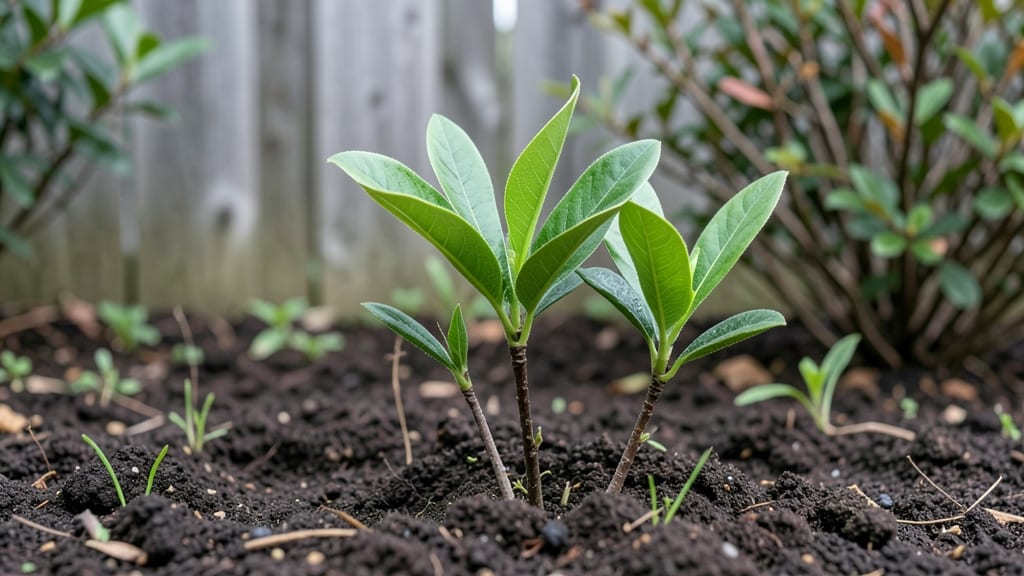
Magnolia tree sprouts demand patience and precision—especially when using the layered chill method to break dormancy and ensure strong root development. I’ve struggled with weak seedlings that bolt or fail to thrive, but this approach guarantees sturdy growth from the start.
The key lies in mimicking nature’s seasonal cues: cold stratification followed by gradual warming, which signals the seed to wake up and grow.
Start by soaking seeds in water for 24 hours to soften the tough outer shell, then place them in a damp paper towel inside a sealed plastic bag. Store this setup in your refrigerator for 60–90 days—this cold treatment mimics winter’s chill, priming the seeds for spring.
Afterward, transfer them to a well-draining potting mix (equal parts peat moss, perlite, and sand) and keep the soil consistently moist but never soggy. A clear plastic dome or humidity tray helps maintain ideal conditions while preventing rot.
Once sprouts emerge—typically within 2–4 weeks—move them to a bright, indirect light source (like an east-facing window) and reduce humidity gradually. Magnolia seedlings are sensitive to overwatering, so let the top inch of soil dry between waterings.
By month 3, you’ll see bold, dark-green leaves and a sturdy stem, signaling it’s ready for transplanting outdoors after the last frost. The layered chill method cuts germination time in half and boosts survival rates dramatically.
This technique works best for Southern magnolia (Magnolia grandiflora) and saucer magnolia (Magnolia × soulangeana), but adapt the cold period slightly for slower-germinating varieties. Early challenges like mold or damping-off?
Boost airflow with a small fan and avoid wetting the leaves. With this method, you’ll bypass the guesswork and grow a magnolia that thrives from day one.
Root Causes Of Unwanted Sprouts
Magnolia tree sprouts popping up where you don’t want them can feel like a botanical mystery—especially when you’ve already pruned or treated the area. But the truth is, these stubborn shoots almost always trace back to a few key biological triggers.
Understanding why they appear is the first step to stopping them for good. Let’s break down the science behind the chaos.
Magnolias are heavy seed producers, and their seeds are designed to spread far and wide. Once ripe, the wind (or wildlife) carries them across your yard, where they land in soil, mulch, or even cracks in pavement.
Unlike some trees that rely on water for germination, magnolia seeds often sprout when conditions are just right—moisture, warmth, and shade trigger their dormancy to break.
💡 Pro Tip: If you’ve noticed sprouts in unexpected spots, check for fallen seed pods or seed clusters near mature magnolias. A quick cleanup in late fall or early spring can prevent next year’s surprise seedlings.
Some magnolia varieties (like Magnolia grandiflora or Magnolia stellata) grow through a process called adventitious rooting. This means the tree can produce new shoots directly from its roots or even its trunk—no seeds required!
If part of the root system remains buried after pruning or if roots spread under mulch or lawn, they’ll send up shoots to reclaim territory.
🔍 Key Sign: Sprouts that emerge in a straight line from the base of the tree or along a trench are almost always root suckers. These are genetically identical to the parent tree, making them harder to kill with herbicides.
Magnolia sprouts thrive when three factors align: moisture, warmth, and organic matter. Here’s how each plays a role:
| Factor | How It Helps Sprouts | How to Counter It |
|---|---|---|
| 💧 Moisture | Seeds and roots need consistent water to activate growth. Even light rain or overwatering can wake dormant seeds. | Let soil dry slightly between waterings, especially in spring. Avoid soaker hoses near magnolia bases. |
| ☀️ Warmth | Magnolia seeds often germinate in spring when soil temps hit 60–70°F. Root suckers also surge in warm seasons. | Apply a pre-emergent herbicide in early spring (before germination) or mulch heavily to block sunlight. |
| 🍂 Organic Matter | Rich, loose soil (like compost or disturbed garden beds) gives seeds the perfect place to take root. | Remove leaf litter and mulch 3–4 feet from the tree’s drip line. Solarize bare spots with black plastic for 4–6 weeks. |
Ironically, aggressive pruning can sometimes increase sprouting. Here’s how:
- 🌿 Cutting too late in the season (after early summer) stimulates new growth from roots to replace lost foliage.
- 🔥 Over-pruning the canopy reduces shade, warming the soil and encouraging seed germination.
- 🌱 Leaving stubs or tearing bark can create wounds that sprout new shoots.
✨ Solution: Prune magnolias in late winter or early spring (before buds swell) and always use clean, sharp tools to make flush cuts just outside the branch collar.
Once you identify which of these causes is at play in your yard, you can target the right fix—whether it’s seed cleanup, root barriers, or smarter pruning habits. Stay tuned for our next section on how to stop them permanently!
Fixing Unwanted Magnolia Sprouts
When those stubborn magnolia tree sprouts pop up where you don’t want them, don’t panic—there’s a solution! Whether they’re crowding your prized plant, invading your lawn, or just looking unsightly, these steps will help you regain control.
Below, we’ve mapped out practical fixes based on the most common causes, along with prevention tips to keep your yard sprout-free long-term.
Cause: Magnolia trees often send up suckers from their roots, especially if the parent tree is stressed or overcrowded.
How to Fix It: 🔪 Pull or Dig Out Young Sprouts
- Best time: Early spring or fall when soil is moist.
- Method: Wear gloves, grip the sprout near the base, and twist gently to break the root. For stubborn ones, use a hand trowel to dig deeper.
- Pro Tip: If the sprout is thick (over ½ inch), cut it at ground level with clean pruners—but don’t leave a stub, or it’ll regrow.
🌳 Apply a Root Barrier (For Persistent Issues)
- Install a buried plastic or metal barrier (like a landscape edging) 12–18 inches deep around the tree’s drip line. This blocks new suckers from emerging.
- DIY Hack: Use cardboard soaked in vinegar as a temporary barrier—it decomposes over time.
💡 Prevention Tip:
- Water deeply but less frequently to encourage the main tree to focus on its own growth rather than sending out suckers.
- Mulch properly (2–4 inches of wood chips or pine straw) to reduce stress on the tree.
Cause: Magnolia trees produce light, winged seeds that scatter easily. If they land in favorable conditions (moisture, sunlight), they’ll sprout.
How to Fix It: 🌞 Hand-Pull or Smother Them
- For small seedlings: Simply pluck them by hand—they’re shallow-rooted.
- For larger patches: Lay down black landscape fabric or cardboard (cut holes for existing plants) to block sunlight. After 4–6 weeks, most seedlings will die.
🔥 Use a Pre-Emergent Herbicide (Spot Treatment Only)
- Apply a corn gluten meal (natural) or glyphosate-based herbicide (synthetic) before seeds germinate (early spring).
- ⚠️ Warning: Avoid spraying near your magnolia tree—herbicides can harm it too!
💡 Prevention Tip:
- Collect fallen seeds in autumn before they spread. Shake them into a bag and dispose of them far from your yard.
- Plant ground covers (like ajuga or ivy) under the tree to outcompete weeds and seedlings.
Cause: If you cut back branches improperly, the tree may send out water sprouts (fast-growing, vertical shoots) from the wound.
How to Fix It: ✂️ Prune Correctly Next Time
- Use sharp, clean pruners to make 45-degree cuts just above a bud or branch collar (the swollen area where the branch meets the trunk).
- Avoid leaving stubs—they encourage regrowth.
🌿 Apply Wound Dressing (Optional but Helpful)
- Coat large pruning cuts with pruning sealant or tree wound paint to prevent disease and reduce sprouting.
- Natural alternative: Rub beeswax over the cut to seal it.
💡 Prevention Tip:
- Prune in late winter/early spring (dormant season) to minimize stress and sprouting.
- Thin out dense branches instead of cutting back heavily—this reduces the tree’s need to regrow.
Cause: Too much moisture can stress the tree, leading to sucker growth as it tries to recover.
How to Fix It: 💧 Adjust Your Watering Routine
- Water deeply but infrequently—magnolias hate soggy roots.
- Check drainage: If your yard stays waterlogged, amend soil with compost or install a French drain.
🌳 Improve Airflow Around the Tree
- Trim nearby bushes or plants that block sunlight and airflow.
- Rake away mulch from the trunk’s base (keep it 6 inches away) to prevent rot and encourage healthy growth.
💡 Prevention Tip:
- Test your soil’s moisture before watering—stick your finger 2 inches deep. If it’s damp, wait!
- Aerate compacted soil in the root zone to help water drain properly.
If sprouts keep returning despite your efforts, a targeted herbicide (like triclopyr or 2,4-D) can help. Spot-treat only the sprouts and avoid the main tree. Always follow label instructions and wear protective gear.
✨ Monitor regularly—check for new sprouts weekly in spring and summer. 🎯 Train your dog (or kids) to report any new shoots—they grow fast! 🌡️ Keep the soil healthy with balanced fertilizer (10-10-10) in early spring to strengthen the parent tree.
With these simple, effective methods, you’ll keep your magnolia’s energy focused where you want it—on the main tree, not unwanted sprouts! 🌳✂️💪
Frequently asked questions
How long does it take for magnolia tree sprouts to appear after planting?
With the layered chill method, you’ll typically see sprouts emerge within 2–4 weeks after transferring seeds to warm, moist soil. Some varieties may take slightly longer, especially if they require an extended cold stratification period (90 days). Patience is key—don’t disturb the soil or move containers during this time.
Can I transplant magnolia tree sprouts once they’ve grown a few inches?
Yes, but wait until they have at least 2–3 sets of true leaves and a sturdy stem (about 3–4 inches tall). Transplant on a cloudy day or in early evening to reduce stress. Use a small trowel to lift seedlings gently, keeping the root ball intact. Harden them off for 1 week before moving outdoors.
Why are my magnolia sprouts turning yellow or wilting?
Yellowing or wilting usually signals overwatering or poor drainage. Magnolia sprouts prefer soil that’s consistently moist but never soggy. Let the top inch of soil dry between waterings, and ensure pots have drainage holes. If leaves curl or droop, reduce water immediately and check for root rot.
Do I need to fertilize magnolia tree sprouts right after germination?
No—wait until sprouts are 3–4 months old before applying a balanced fertilizer (10-10-10). Over-fertilizing young seedlings can burn delicate roots. Instead, focus on well-draining soil and bright, indirect light to encourage strong growth without stress.
Can I grow magnolia tree sprouts indoors until spring?
Place seedlings near a south- or east-facing window where they’ll get 6–8 hours of indirect light daily. Use a grow light if natural light is insufficient. Keep humidity high with a plastic dome or pebble tray, and maintain 65–75°F temperatures. Acclimate them outdoors gradually in late spring to avoid shock.