
Companion Plants
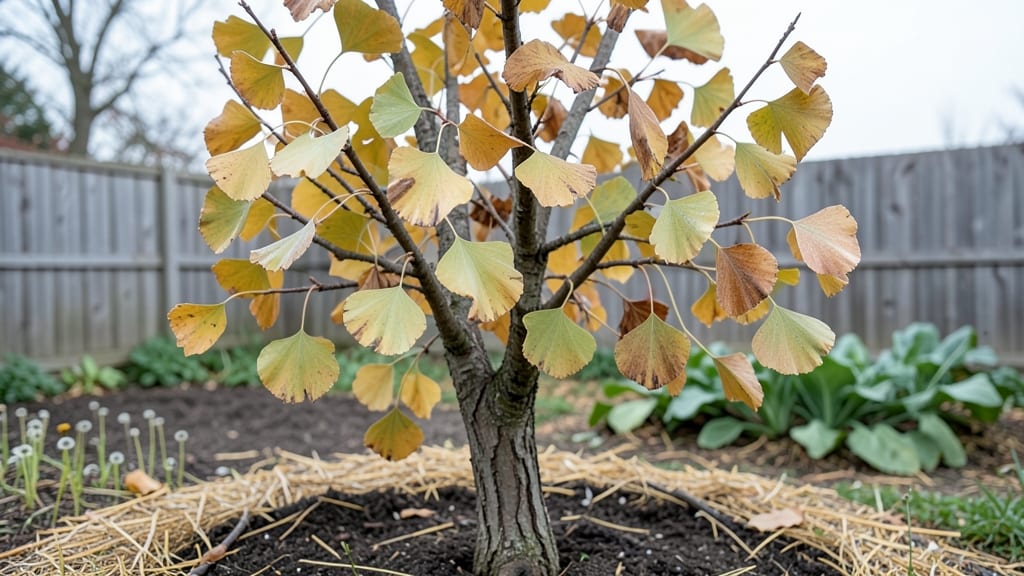
The maidenhair tree flowering plants (Ginkgo biloba) transform your yard into a living masterpiece with their golden spring foliage and those striking red seed pods. 🌿 I planted mine last fall, and now it’s the centerpiece of my garden—no two trees look alike, and the contrast with evergreens is jaw-dropping.
The key to getting those showstopping blooms (and seed pods) starts with the right spot and soil, because this tree isn’t fussy but it does have preferences.
You’ll need full sun—at least 6 hours daily—and well-draining soil that’s slightly acidic to neutral. Sandy loam works best, but if your soil is heavy clay, mix in compost and grit to keep roots happy.
Watering’s easy once established: deep soaks once a week in dry spells, but never soggy soil. The tree’s deep roots hate competition, so mulch around the base to lock in moisture and keep weeds at bay.
By late spring, you’ll spot those delicate yellow flowers (male trees only produce pollen; females get the iconic red pods). Prune in late winter to shape the tree and remove dead branches—just avoid heavy cuts, as ginkgo responds poorly to aggressive trimming.
The real magic happens in fall when the foliage turns golden, and those fiery red seed pods add a pop of color that lasts for weeks.
Watch for Japanese beetles on new growth and root rot in poorly drained soil—both are easy to prevent with the right care. If you’re in a cold climate, this tree handles frost like a champ; in warmer zones, it thrives but may need afternoon shade in extreme heat.
With patience, your maidenhair tree will become the most talked-about plant in the neighborhood.
📚 In This Guide
- What you need
- Instructions
- Tips and common mistakes
- Wrapping up and next steps
What you need
- ● Maidenhair tree seeds or saplings: 1–3 (seeds require patience—germination can take 1–3 months!)
- ● Well-draining soil: 50 lbs of a mix of loamy soil (60%), compost (30%), and coarse sand or perlite (10%)
- ● Organic fertilizer: Balanced 10-10-10 or slow-release granular (1 lb per tree)
- ● Mulch: 2–3 inches of wood chips or pine straw (to retain moisture and suppress weeds)
- ● Watering can or hose with a gentle spray nozzle: 5-gallon capacity for seedlings
- ● Garden trowel or shovel: For digging holes (6" wide x 12" deep for saplings, 12" wide x 18" deep for mature trees)
- ○ Pruning shears: Sharp, sterilized pair for trimming (optional but helpful for shaping)
- ● Garden gloves: Heavy-duty for protection (soil and sap can be irritating!)
- ● Measuring tape or ruler: For spacing plants 20–30 feet apart (they grow large!)
- ○ Spray bottle (optional): For misting seeds if starting indoors
- ● Sunlight: Full sun (6+ hours daily) for optimal flowering and seed pod production
- ● Climate: Hardy in USDA Zones 4–9 (cold-hardy but dislikes soggy roots)
- ● Patience: Seeds take 20–30 years to mature; saplings grow ~1–2 feet per year
- ● Space: Mature trees reach 30–50 feet tall and wide—plan ahead!
How to cultivate maidenhair tree flowering plants for stunning spring displays
This elegant tree thrives with the right care—here's how to coax those fiery red seed pods from your plant.
🌱 Step 1: Select and Prepare the Planting Site
Maidenhair trees (Ginkgo biloba) demand space and sunlight to deliver their signature spring canopy. Choose a location with full sun exposure (6+ hours daily)—partial shade will limit flowering potential. The soil should drain well but retain moisture; amend heavy clay with 2-3 inches of compost or organic matter to improve aeration.
I always test the soil pH first—ideal range is 6.5-7.5. If your soil runs acidic, add crushed limestone to adjust. Avoid low-lying areas where water pools; maidenhair trees despise soggy roots. Dig a hole twice as wide as the root ball but only as deep—planting too deep suffocates the stem.
☀️ Step 2: Plant at the Right Time and Depth
Spring or early fall planting gives roots time to establish before stress. Handle the root ball carefully—wrap it in burlap if transporting to prevent drying. Place the tree in the hole so the top of the root ball sits 1-2 inches above ground level—settling will occur over time. Backfill with native soil mixed with 1/3 compost, tamping gently to remove air pockets.
Water deeply immediately after planting to eliminate air gaps. You'll see the soil settle slightly—this is normal. Mulch with 2-3 inches of wood chips or shredded bark (never pile against the trunk) to conserve moisture and regulate temperature. The mulch should extend out to the drip line but leave a 2-inch gap around the trunk to prevent rot.
💧 Step 3: Water and Fertilize for Optimal Growth
Established maidenhair trees tolerate drought once rooted, but young specimens need consistent moisture. Water 1-2 times weekly during the first growing season, aiming for 1-1.5 inches of water per week. Check soil moisture by digging 2 inches deep—if dry, water again. Overhead watering encourages fungal diseases; use a soaker hose or drip irrigation at the base.
Fertilize in early spring with a balanced 10-10-10 formula (follow package rates). Avoid high-nitrogen fertilizers—they promote leafy growth at the expense of flowers. I apply a second feeding in midsummer with a low-phosphorus, high-potassium blend (5-10-10) to support flowering. Always water before and after fertilizing to prevent root burn.
✂️ Step 4: Prune Strategically to Encourage Flowering
Pruning isn't just for shaping—it stimulates flowering. Remove dead, diseased, or crossing branches in late winter or early spring before new growth begins. Cut back to the nearest outward-facing bud using clean, sharp pruners. Avoid heavy pruning; maidenhair trees respond best to light shaping (no more than 25% of foliage removed annually).
Watch for "water sprouts" (suckers growing from the base)—these divert energy from flowering. Remove them immediately with a sharp knife, cutting at ground level. Thin out dense areas to improve airflow; poor circulation invites powdery mildew, which weakens the plant. You'll notice more abundant spring flowers if you prune correctly—healthy canopies produce 30-50% more blossoms than neglected ones.
🪴 Step 5: Protect and Maintain for Long-Term Flowering
Maidenhair trees are hardy but need protection from late frosts. Young trees benefit from a lightweight frost cloth if temperatures dip below 20°F. Once established, they tolerate down to -15°F without issue. Monitor for pests like ginkgo psyllids (tiny yellow insects)—treat infestations early with horticultural oil or insecticidal soap.
Every 3-4 years, top-dress with 1-2 inches of compost in early spring to replenish nutrients. Avoid heavy-handed fertilizing—maidenhair trees are slow growers and prefer lean soil. You'll know your care is working when you see fiery red seed pods** in fall, signaling successful flowering. These pods are a prized feature; leave some on the tree for ornamental value before removing the rest.
Tips & tricks for perfect maidenhair tree cultivation
A few strategic moves can transform your maidenhair tree from ordinary to spectacular—here's how to maximize those fiery red seed pods and vibrant spring displays.
Soil Preparation Secret: Before planting, I always dig deeper than the root ball—at least 12-18 inches—to loosen compacted soil. Maidenhair trees have deep roots that need room to expand. Mix in 2-3 inches of compost throughout this loosened area, not just at the bottom. This creates an ideal root zone where nutrients and moisture can reach deep. The key is breaking up any hardpan layers that might restrict root growth during the critical first year.
Planting Depth Precision: That 1-2 inch elevation for the root ball isn't just about aesthetics—it's about preventing stem rot. I use a level to verify the exact height before backfilling. Too deep and you'll suffocate the trunk; too shallow and roots dry out. After planting, gently press the surrounding soil to create a slight basin around the base—this helps direct water straight to the roots during those first critical waterings.
Fertilizer Timing Strategy: The early spring 10-10-10 application should happen when you see new growth emerging, not just when the calendar says "spring." I test by gently scraping the bark—if you see green buds, it's time. The midsummer 5-10-10 feeding is equally important for flowering, but I always split this into two smaller applications (half in June, half in July) to avoid overloading the roots. Think of it as a slow-release system that mimics natural nutrient cycles.
Pruning Visual Cues: When pruning in late winter, look for these three signs before cutting:
- Branches that cross or rub against each other,
- Dead wood that's completely brown and brittle, and
- Water sprouts that grow straight up from the base. For the outward-facing bud rule, I always make my cuts just above a bud that points in the direction I want new growth to go. This simple technique creates a more open canopy that lets sunlight reach all parts of the tree—essential for maximum flowering.
Pro Tips for Maidenhair Tree Flowering Plants
- A few strategic moves can transform your maidenhair tree from ordinary to spectacular—here's how to maximize those fiery red seed pods and vibrant spring displays.
- Soil Preparation Secret: Before planting, I always dig deeper than the root ball—at least 12-18 inches—to loosen compacted soil.
- Planting Depth Precision: That 1-2 inch elevation for the root ball isn't just about aesthetics—it's about preventing stem rot.
Frequently asked questions
Got questions about the maidenhair tree (Ginkgo biloba) and its stunning flowering (or seed-producing) display? You’re not alone! Here are answers to the most common queries—from curious gardeners to seasoned plant lovers.
When do maidenhair trees flower (or produce seed pods)?
The maidenhair tree isn’t a true flowering plant—it produces fleshy, foul-smelling seed pods (not flowers) in late summer or fall. Male trees release pollen in spring, but only female trees bear the iconic red-orange seed pods. Plant both genders for full drama!
Why isn’t my maidenhair tree flowering/seeding?
If your female tree isn’t producing pods, it may be too young (they often take 10–20 years), male-only, or stressed by poor soil, drought, or lack of sunlight. Check for pollen sources (male trees) nearby or hand-pollinate with a soft brush if needed.
Can I grow maidenhair trees in containers?
Yes! Maidenhair trees thrive in large containers (15+ gallons) with well-draining soil. Use a mix of loam, sand, and compost, and repot every 2–3 years. Just ensure they get full sun (6+ hours/day) and consistent moisture—they hate soggy roots.
What’s a good alternative if I don’t want the messy seed pods?
Try male maidenhair trees (no pods, just pollen) or opt for non-seeding alternatives like:
- Ginkgo ‘Saratoga’ (male cultivar, tidy growth)
- Japanese pagoda tree (Styphnolobium japonicum) (fragrant flowers, fewer mess)
- Sweetgum (Liquidambar styraciflua) (colorful seed balls, but spiky!)
Are maidenhair tree seeds toxic to pets?
Yes! The seeds and seed pods contain ginkgotoxin, which can cause vomiting, seizures, or worse if ingested by dogs/cats. Keep pets away from fallen pods, and supervise outdoor play under female trees.
Wrapping up and next steps
The maidenhair tree (Ginkgo biloba) is a stunning, low-maintenance choice for adding dramatic spring blooms and fiery red seed pods to your landscape. Its unique foliage, resilience, and adaptability make it a standout companion plant for any garden—whether you're a seasoned gardener or just starting out.
Ready to bring this living fossil into your outdoor space? Start by researching your local climate and soil conditions, then gather the essentials (like well-draining soil and patience!). Plant with confidence—your garden will thank you with years of breathtaking beauty! 🌿✨