
Trees
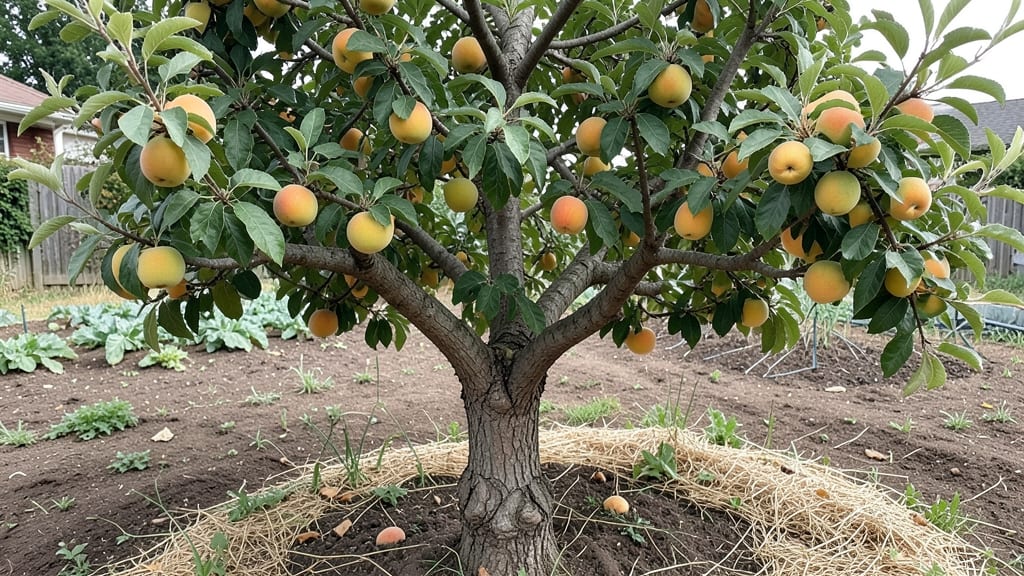
Nothing transforms a backyard like a majestic peach tree standing tall against the sky, its blossoms painting spring in soft pink and its velvety leaves rustling in summer breezes. I planted mine as a sapling, and now it’s the centerpiece of my garden—where butterflies gather and neighbors pause to admire.
The secret isn’t just the tree itself, but how you frame it: pairing it with climbing roses or low-growing lavender creates that orchard-chic look without needing acres.
Start with placement—peach trees need 6-8 hours of sun daily and room to stretch their branches (think 15-20 feet wide at maturity). A single specimen tree works as a dramatic focal point, while a small grove of dwarf varieties adds texture to mixed borders.
The key is balancing their bold presence with softer companions: ornamental grasses swaying at their feet or a trellis of clematis climbing nearby. Even the bark becomes art as seasons change, peeling to reveal golden hues in winter.
By summer, you’ll have lush canopies dripping with fruit—and if you’re lucky, the scent of ripe peaches will drift through your yard like a secret. The tree’s spring blossoms alone make it worth the wait, but the real magic happens when you harvest your own fruit straight from the branch.
It’s not just a tree; it’s a living centerpiece that turns your backyard into a postcard-worthy retreat.
Works for small urban lots (dwarf varieties) or sprawling rural properties—just adjust spacing and support. The payoff? A space that feels like a storybook orchard, where every season brings a new chapter. Let’s make yours unforgettable.
📚 In This Guide
- What you need
- Instructions
- Tips and common mistakes
- Wrapping up and next steps
What you need
- ● Peach tree saplings or bare-root trees: Choose disease-resistant varieties (e.g., Elberta, Redhaven, or J.H. Hale). Buy 2–5 trees for cross-pollination (if needed).
- ● Well-draining soil: Mix 1 part compost with 2 parts native soil (pH 6.0–7.0). Test soil moisture and fertility beforehand!
- ● Organic mulch: 3–4 inches of wood chips, straw, or pine needles to retain moisture and suppress weeds.
- ● Slow-release fertilizer: 10-10-10 or 8-3-9 NPK blend (apply ½ cup per tree at planting).
- ● Drip irrigation or soaker hose: 10–20 ft per tree for consistent watering.
- ● Shovel and trowel: For digging holes (12–18 inches wide/deep).
- ● Pruning shears: Bypass pruners (sharp, clean, and sterilized with rubbing alcohol).
- ● Garden hose with spray nozzle: For post-planting watering.
- ● Stakes and tree ties: 2–3 stakes per tree (if planting in windy areas).
- ○ Fruit tree spray (optional but recommended): Copper fungicide or neem oil to prevent pests/diseases.
- ● Sunlight: 6–8+ hours of full sun daily (peaches are sun-worshippers!).
- ● Space: 15–20 ft apart for mature trees (or dwarf varieties for smaller yards).
- ● Climate: Plant in USDA Zones 5–9 (peaches thrive in warm summers and mild winters).
- ● Water source: Access to a reliable irrigation system (peach trees need 1–2 inches of water weekly).
- ● Tree guards to protect young trunks from critters.
- ● Soil moisture meters for precision watering.
- ● Compost tea or liquid fertilizer for a nutrient boost.
- ● Beehives nearby (if you’re into pollinator gardens! 🐝).
Step-by-step instructions for planting and cultivating majestic peach trees
Here's how to establish strong, healthy peach trees that will thrive for decades.
Choose the Right Location and Prepare the Soil
Peach trees demand full sun, so pick a spot with at least 6-8 hours of direct sunlight daily. Avoid low-lying areas where cold air settles, as peaches are sensitive to late frosts. The soil should drain well—peaches hate soggy roots—but still retain moisture. If your soil is heavy clay, amend it with 2-3 inches of organic compost mixed into the top 12 inches of soil.
Test the soil pH before planting. Peaches prefer slightly acidic to neutral soil with a pH between 6.0 and 7.0. If your soil is too alkaline, work in sulfur or peat moss to lower the pH gradually over time. I always dig a 2-foot-deep hole and fill it halfway with a mix of native soil and compost to create a nutrient-rich base for the roots.
Plant Bare-Root Trees at the Right Time and Depth
Plant bare-root peach trees in late winter or early spring, just as buds begin to swell but before new growth starts. This timing ensures roots establish before the tree focuses on foliage. Soak the roots in lukewarm water for 2-3 hours before planting to rehydrate them. Handle the roots gently—don’t let them dry out or bend.
Position the tree so the graft union (the bump where the scion meets the rootstock) sits 2-3 inches above soil level. This prevents the union from being buried, which can cause disease. Spread the roots outward in the hole and backfill with the prepared soil mix, tamping lightly to remove air pockets. Water deeply to settle the soil and eliminate gaps around the roots.
Mulch and Water for Strong Establishment
Apply a 3-inch layer of organic mulch, like wood chips or straw, around the tree but keep it 6 inches away from the trunk to prevent rot. Mulch conserves moisture, regulates soil temperature, and suppresses weeds. Water the tree deeply once a week during the first growing season, providing 10-15 gallons of water per tree. You’ll know it’s enough when water drains 6-8 inches deep into the soil.
Young peach trees need consistent moisture to develop strong roots. Avoid overhead watering, which can spread disease. Instead, use a soaker hose or drip irrigation to deliver water directly to the root zone. You’ll see new leaves emerge within 3-4 weeks—that’s your signal the tree is settling in and ready for the next phase of care.
Prune and Fertilize for Long-Term Health
Prune your peach tree in late winter, before buds break, to remove dead, diseased, or crossing branches. Aim to create an open center with well-spaced limbs to allow sunlight and air circulation. Cut back any suckers (shoots growing from the rootstock below the graft) immediately—they divert energy from fruit production. Use clean, sharp pruners to make cuts just outside the branch collar.
Fertilize in early spring with a balanced 10-10-10 or 8-8-8 formula, applying ½ pound per inch of trunk diameter. Spread the fertilizer in a circle 2 feet from the trunk and water it in well. Avoid high-nitrogen fertilizers later in the season, as they promote leafy growth at the expense of fruit development. You’ll notice stronger growth and fewer pests when you strike this balance.
Monitor for Pests and Diseases Year-Round
Peach trees are prone to peach leaf curl, a fungal disease that causes puckered, distorted leaves. Prevent it by spraying a copper fungicide in late fall or early spring, before buds swell. Keep an eye out for aphids, scale, and borers—common pests that weaken trees. Remove infested branches promptly and treat with neem oil or insecticidal soap as needed.
Thin fruit in late spring, leaving 6-8 inches between peaches on the branch. This ensures larger, higher-quality fruit and reduces stress on the tree. Harvest when peaches are fully colored and slightly soft to the touch, usually in mid-to-late summer, depending on your climate. With proper care, your peach tree will reward you with decades of abundant harvests.
Tips & tricks for perfect peach tree cultivation
Here's what I've learned from years of growing thriving peach trees that produce abundant fruit year after year.
The Sunlight Factor: Those 6-8 hours of daily sunlight are non-negotiable for peach trees. I've planted in spots that seemed sunny but turned out to have afternoon shade—big mistake! Use a sun calculator or observe your yard during the summer solstice to map out the sun patterns. Even an hour less sunlight can significantly reduce fruit production and tree health.
Root Hydration Secret: The 2-3 hour soaking of bare roots before planting is crucial for rehydration, but don't let the roots dry out during this process. I keep a bucket of lukewarm water nearby and refresh it if it cools. Also, plant immediately after soaking—don't let the roots sit exposed to air for more than 15 minutes, as they can dry out quickly.
Mulching Mastery: That 3-inch layer of organic mulch is your tree's best friend, but placement matters. I've seen many gardeners pile mulch right against the trunk, which can cause rot. Always keep it 6 inches away from the trunk to maintain proper airflow. Also, refresh the mulch annually—it breaks down over time and loses its effectiveness.
Watering Wisdom: The 10-15 gallons per week might sound like a lot, but peach trees have deep root systems that need consistent moisture. I use a moisture meter to check that water reaches 6-8 inches deep—this is the real indicator of proper hydration, not just the amount of water poured. Early morning watering is best to prevent fungal diseases that thrive in damp foliage.
Pro Tips for Majestic Peach Trees
- Here's what I've learned from years of growing thriving peach trees that produce abundant fruit year after year.
- The Sunlight Factor: Those 6-8 hours of daily sunlight are non-negotiable for peach trees.
- Root Hydration Secret: The 2-3 hour soaking of bare roots before planting is crucial for rehydration, but don't let the roots dry out during this process.
Frequently asked questions
Got questions about growing your own majestic peach trees?
Here are answers to the most common queries—from planting tips to troubleshooting—so you can cultivate a thriving orchard with confidence!
When is the best time to plant peach trees?
Plant peach trees in early spring (after the last frost) or late fall (6-8 weeks before the first freeze). This gives roots time to establish before extreme heat or cold. Avoid planting in summer—heat stress can stunt growth. If you’re in a warm climate, fall planting is ideal to prevent early budding.
Why aren’t my peach tree leaves turning green?
Yellow or pale leaves often signal nutrient deficiencies (like nitrogen or magnesium) or pests (e.g., aphids). Test your soil and amend with compost or a balanced fertilizer. Check the undersides of leaves for pests—spray with neem oil if needed. Overwatering can also cause yellowing; ensure proper drainage.
How long does it take for a peach tree to bear fruit?
Dwarf varieties may produce fruit in 2–3 years, while standard trees take 4–6 years. Patience is key! Ensure full sun (6+ hours/day), well-draining soil, and consistent watering. Prune annually to encourage strong branches and airflow—this speeds up fruiting and improves harvest quality.
Can I grow peach trees in containers?
Yes! Dwarf peach trees thrive in large containers (at least 20 gallons) with drainage holes. Use a high-quality potting mix and repot every 2–3 years. Place containers in full sun and water deeply when the top inch of soil is dry. Container-grown trees need more frequent fertilizing (every 4–6 weeks in growing season).
Do peach trees need cross-pollination to produce fruit?
Most peach varieties are self-pollinating, but cross-pollination (by bees or wind) can increase yield and fruit quality. Plant a second tree of a compatible variety (check your local nursery) 30–50 feet away for better results. Avoid grafting the same variety onto different rootstocks—stick to distinct cultivars for optimal pollination.
How do I protect my peach tree from frost damage?
Peach trees are tender to late frosts (below 28°F). Cover young trees with frost blankets or row covers before cold snaps. Mulch the base with straw or wood chips to insulate roots. Avoid overhead watering before frost—wet leaves freeze faster. In extreme cold, wrap the trunk with burlap to prevent cracking.
Wrapping up and next steps
Growing majestic peach trees in your backyard isn’t just about adding beauty—it’s about nurturing a piece of nature’s bounty right at your doorstep! 🌳 With the right soil, sunlight, and care, you’ll soon be rewarded with juicy, sun-kissed peaches and a stunning centerpiece for your garden.
Whether you’re a seasoned gardener or a beginner, every step you take brings you closer to that sweet, satisfying harvest.
Ready to take the next step? Start by selecting your peach variety and preparing your soil—then watch your orchard thrive! Share your progress with fellow gardeners or even gift a few peaches to neighbors—because nothing beats the joy of homegrown goodness. 🍑✨