
Trees
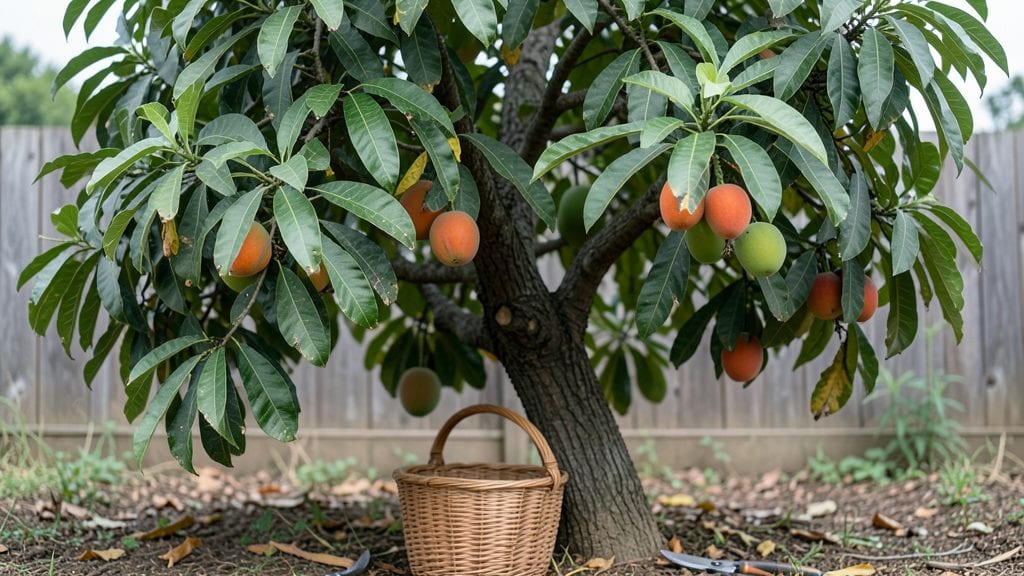
Harvesting a mango tree at the right time means the difference between bursting with tropical sweetness and a mealy, underripe mess.
There’s nothing quite like the moment your mango tree 🥭 bursts with ripe, sun-kissed fruit—but timing your harvest wrong can turn sweet victory into bitter disappointment. One week too early, and you’re left with hard, sour fruit; one week late, and the pests or birds get there first.
In General (Tropical/Subtropical Regions), where mangoes thrive year-round, the harvest window typically stretches from April to September, but the exact moment depends on color, scent, and texture cues.
Even in USDA Zones 10-11, where these trees flourish, missing these signs can mean losing that perfect balance of juicy flesh and rich flavor.
Below, I’ll walk you through the exact signals to watch for—plus how to store your harvest so it stays fresh for weeks. No more guesswork, just peak-season mangoes every time.


How to determine the perfect time to harvest mangoes for maximum sweetness
Harvesting mangoes at the right moment transforms your tropical tree into a sweetness goldmine. But timing is everything—pick too early, and you’ll get mealy, underripe fruit; wait too long, and overripe mangoes turn mushy and seedy.
The key lies in mastering visual, tactile, and scent cues while accounting for your local climate and variety. I’ve learned from years of trial (and sticky fingers) that no single trick works for every mango—so let’s break down the exact signals to watch for.
First, color isn’t the only indicator—though it’s the easiest to spot. A ripe mango’s hue shifts dramatically from bright green to deep yellow, orange, red, or purple, depending on the variety. For example, ‘Haden’ mangoes turn reddish, while ‘Keitt’ mangoes develop a golden blush.
But here’s the catch: some mangoes never fully ripen on the tree, like ‘Kent’ varieties, which must be picked green and ripened indoors. Always cross-reference color with other ripeness tests to avoid disappointment.
| Ripeness Cue | Underripe | Perfectly Ripe | Overripe |
|---|---|---|---|
| Color Change | Green or dull | Deep yellow/orange/red/purple | Dark spots, wrinkled skin |
| Texture (Gentle Squeeze) | Firm, no give | Slightly soft, yields 1/4 inch | Mushy, skin dented |
| Stem Test (Twist) | Stem holds tight | Stem snaps cleanly | Stem pulls out easily |
| Seed Firmness | Hard, no movement | Slightly loose in flesh | Seed moves freely |
| Aroma | Neutral or slight sweetness | Strong, sweet, tropical scent | Fermented or sour smell |
Your local climate dramatically shifts the harvest window. In tropical regions like Florida or Hawaii, mangoes ripen year-round, with peaks from April to September.
But in subtropical zones (USDA 9-10), like Southern California, harvests stretch from late spring to early fall, often triggered by warm spells after cooler winters.
Even in containers, mango trees follow this pattern—just be mindful that potted trees ripen slightly later due to root stress and limited nutrient access.
One of my biggest mistakes? Ignoring the seed test until it was too late. Here’s how to do it right: Gently squeeze the mango’s cheeks near the stem. If the seed moves slightly within the flesh, it’s ripe. But if you feel no movement, the mango needs more time.
Pro tip: Never judge ripeness by color alone—some varieties, like ‘Carrie’ mangoes, stay green until fully ripe. Always combine color, scent, and texture for accuracy.
Harvesting too early is a flavor crime—underripe mangoes lack the complex sweetness and juicy texture we crave. But waiting too long leads to overripe fruit that’s fermented and
Step-by-step guide to harvesting and handling mangoes like a pro
Harvesting mangoes at the right moment transforms your tropical tree into a goldmine of flavor. But one wrong move—like using the wrong tool or ignoring ripeness cues—can ruin your harvest quality.
Whether you're dealing with a 20-foot giant or a dwarf variety, these pro tips ensure you pick at peak sweetness while keeping your fruit intact.
Mangoes don’t ripen evenly on the tree, so selective harvesting is key. Start by testing just one fruit per branch to avoid overpicking. The goal? A clean break at the stem with minimal force—no tugging or tearing!
Below, I’ll walk you through the exact steps, from tool selection to post-harvest care, so your mangoes stay fresh for weeks.
🌱 Step-by-Step Mango Harvest Guide
- Step 1: Choose the right tool – Use your hand for small fruits or pruning shears for large, heavy mangoes. Shears reduce fruit bruising and make the cut cleaner.
- Step 2: Test ripeness – Press gently near the fruit’s cheek. If it yields slightly (like a ripe avocado), it’s ready. For green mangoes, wait 3–5 more days.
- Step 3: Twist and snap – Grasp the fruit’s stem and twist sharply. A ripe mango will separate cleanly without resistance. If it resists, it’s not ready yet.
- Step 4: Handle with care – Place harvested mangoes in a soft cloth-lined basket to avoid bruises. Avoid stacking to prevent ethylene damage (the gas that speeds ripening).
- Step 5: Rinse and dry – Gently wash fruits with cool water and pat dry with a clean towel. Let them air-dry in a shady, well-ventilated spot for 1–2 hours.
- Step 6: Store strategically – Keep ripe mangoes at room temperature (68–77°F) for 2–3 days or refrigerate (32–40°F) for up to 2 weeks to slow ripening.
Pro tip: If you’ve picked mangoes too early, don’t despair! Place them in a paper bag with a banana or apple to speed up ripening using ethylene gas. Check daily—they’ll soften in 2–5 days. For long-term storage, freeze peeled mangoes in airtight bags for smoothies or salsas.
One common mistake? Harvesting when the fruit is still firm or green. These mangoes won’t sweeten further off the tree and often develop mealy texture. Always prioritize the color change, stem snap test, and gentle give over speed. Patience here means peak flavor later!
For container-grown mango trees, harvest slightly earlier than in-ground varieties—their roots may not support the same weight. Use a small ladder if branches are high, and always wear gloves to avoid skin irritation from mango sap.
With these steps, you’ll turn your harvest into a tropical treasure trove that lasts all season.