
Trees
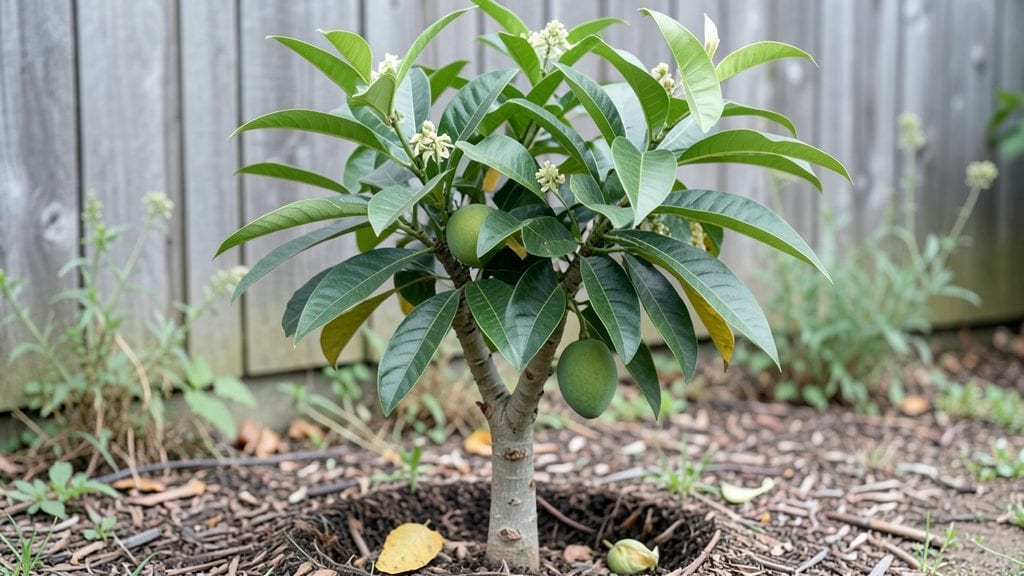
Growing a rare mango tree from seed to fruit in just three years isn’t just possible—it’s one of the most rewarding tropical adventures you’ll ever take on. 🌱 I’ve watched my own ‘Haden’ sapling go from a spindly seedling to a tree heavy with fragrant, deep-orange fruit, and the process is far more accessible than most gardeners realize.
Here’s the secret: these trees thrive in zones 10-11 but can survive short winters with the right care. You’ll need well-draining soil, full sun, and patience—especially when it comes to pollination.
Some rare varieties like ‘Keitt’ are self-pollinating, while others need a partner tree for fruit set, but the payoff is worth it.
The first harvest will feel like magic—sweet, juicy mangoes that taste nothing like the grocery store versions. My tree produced its first fruit in year two, and by year three, I was sharing baskets with neighbors.
The key? Consistent watering, strategic pruning to shape the canopy, and protecting young trees from frost.
Whether you’re in Florida, Southern California, or a warm microclimate elsewhere, this guide covers everything from seed starting to long-term care. Let’s get that rare mango tree growing—and trust me, your taste buds will thank you.
📚 In This Guide
- What you need
- Instructions
- Tips and common mistakes
- Wrapping up and next steps
What you need
- ● Mango seed – A fresh, viable seed from a rare mango variety (e.g., Haden, Keitt, or Carabao). (1 seed per tree)
- ● Biodegradable seedling pots – 4-inch diameter, with drainage holes. (2–4 pots)
- ● High-quality potting mix – Well-draining, peat-based or coconut coir blend. (1 bag, ~1 cubic foot)
- ● Spray bottle – For gentle watering of seeds.
- ● Clear plastic wrap or humidity dome – To maintain moisture during germination.
- ● Grow lights or sunny windowsill – 6–8 hours of indirect light daily.
- ● Fertilizer – Balanced, slow-release (e.g., 10-10-10) or organic options like compost tea. (Start with small doses)
- ● Pruning shears – For shaping and maintaining the tree as it grows.
- ○ Support stake (optional) – 4–6 ft tall, for stability as the tree matures.
- ● Climate – Warm, tropical/subtropical (USDA Zones 10–11). (Indoor growing is possible with grow lights!)
- ● Space – Mature trees need 20–30 ft of space (or container growing for smaller varieties).
- ● Water access – Consistent moisture (but avoid waterlogging).
- ● Patience – Rare mango trees can take 3–5 years to bear fruit from seed!
- ● 🌡️ Temperature: Keep soil between 75–85°F for germination.
- ● ✨ Soil pH: Aim for 6.0–7.5 (slightly acidic to neutral).
- ● 🔥 Transplanting: Wait until the seedling has 2–3 true leaves before moving to a larger pot.
Step-by-step instructions for growing a rare mango tree
Here’s how to cultivate a tropical mango tree from seed to fruit-bearing in just three years.
🌱 Step 1: Select and Prepare the Seed
Start with a seed from a ripe, organic mango—avoid grocery store fruit, as it’s often treated to prevent sprouting. Remove the large seed from the pit, rinse off any remaining fruit pulp, and let it dry for 24 hours at room temperature. This prevents fungal rot in the soil later.
I like to soak the seed in lukewarm water for 24 hours to soften the tough outer shell, which speeds up germination. Place the seed between two damp paper towels in a sealed plastic bag and store it in a warm spot (around 75°F) until a small root emerges—usually within 7-14 days. Watch for the first signs of a white root poking through the shell.
🪴 Step 2: Plant the Germinated Seed
Fill a 6-inch diameter pot with a well-draining potting mix (avoid garden soil—it compacts too easily). Make a small hole about 1 inch deep and place the germinated seed root-side down, covering it lightly with soil. Press gently to secure it without compacting.
Water thoroughly until moisture seeps from the drainage holes, then place the pot in bright, indirect light. Keep the soil consistently moist but never soggy—mango seeds rot quickly if overwatered. You’ll see the first true leaves (not the initial seed leaves) emerge within 2-4 weeks. This is your cue that the seedling is establishing roots.
☀️ Step 3: Transition to Outdoor Conditions
After the seedling reaches 6 inches tall with 4-5 true leaves, gradually introduce it to outdoor conditions. Start with 1-2 hours of morning sun daily, increasing exposure over 2 weeks until it tolerates full sun. Choose a location with at least 6 hours of direct sunlight—mango trees thrive in warm climates but can adapt to containers in cooler zones if brought indoors during winter.
Fertilize lightly with a balanced, water-soluble fertilizer (10-10-10) diluted to half strength every 4 weeks during the growing season. Over-fertilizing now stresses young roots. Watch for yellowing leaves—a sign of too much nitrogen or inconsistent watering. Adjust care accordingly.
✂️ Step 4: Prune and Support Growth
When the tree reaches 3 feet tall, prune back the top 1/3 of the stem to encourage bushier growth. This step is critical—mango trees grow tall and leggy without intervention. Use clean, sharp pruning shears to make cuts just above a leaf node, where new branches will form.
Support the tree with a small stake if needed, especially in windy conditions. Mango trees develop a strong root system, but young stems can bend under their own weight. Mulch the base with 2 inches of organic mulch to retain moisture and regulate soil temperature. Avoid piling mulch against the trunk to prevent rot.
🌿 Step 5: Prepare for Fruit Production
By year three, your mango tree should be ready to flower and fruit if given proper care. Ensure it receives full sun daily and fertilize with a 6-6-6 or 8-3-9 formula (higher potassium and phosphorus) to support flowering. Water deeply once a week, allowing the top 2 inches of soil to dry out between waterings—overwatering now can cause blossom drop.
If your tree flowers but no fruit sets, hand-pollinate by gently shaking branches to release pollen. Patience is key—some rare varieties take up to 4 years to bear fruit. Once fruit appears, thin excess mangoes to 3-4 per cluster to ensure larger, higher-quality harvests. Enjoy your tropical harvest in just three years!
Tips & tricks for perfect rare mango tree cultivation
Here's what I've learned from growing rare mango trees—the small details that make all the difference between a struggling seedling and a thriving fruit-bearing tree.
Seed Selection Matters: Not all mango seeds are equal! Look for seeds from rare varieties like 'Haden' or 'Kent' at specialty nurseries or tropical fruit markets. The seed's size and shape can indicate genetic potential—larger, plump seeds tend to produce stronger seedlings. I've found that seeds from organic, heirloom mangoes germinate more reliably than those from conventional grocery store fruit.
Germination Environment: Maintaining that 75°F temperature is crucial during germination. If your home runs cooler, place the seedling near a warm spot like above the fridge or under a heat lamp. I've seen germination times double when seeds are kept in cooler conditions—patience is key, but warmth speeds up the process significantly. Keep the paper towels consistently damp (not soggy) to prevent mold while encouraging root development.
Transplanting Strategy: When your seedling reaches the 6-inch mark, resist the urge to rush outdoor planting. Gradually increase sunlight exposure over those 2 weeks—sudden full sun can scorch tender leaves. I've learned to watch for leaf color as my indicator: if leaves start yellowing or curling, the plant needs more acclimation time. A small shade cloth can help during this transition period.
Pruning Technique: That 1/3 stem pruning at 3 feet is where many growers go wrong. Make your cuts just above a leaf node where you want new growth to emerge. I've found using a clean, sharp pruning shear prevents tearing the stem, which can introduce infections. After pruning, give your tree a light watering to help it recover—new growth will appear within 4-6 weeks if conditions are right.
Pro Tips for Rare Mango Tree
- Here's what I've learned from growing rare mango trees—the small details that make all the difference between a struggling seedling and a thriving fruit-bearing tree.
- Seed Selection Matters: Not all mango seeds are equal!
- Germination Environment: Maintaining that 75°F temperature is crucial during germination.
Frequently asked questions
Got questions about growing a rare mango tree? You’re not alone! Here are answers to the most common queries to help you navigate your tropical fruit journey with confidence.
How long does it really take for a rare mango tree to bear fruit?
A rare mango tree can take 2–5 years to produce fruit, depending on the variety and growing conditions. Some dwarf or grafted varieties (like the Keitt or Kent) may fruit in as little as 2 years, while heirloom or wild types can take longer. Patience is key—consistent care (sunlight, water, and soil health) speeds up the process!
What’s the best way to tell if my rare mango tree is healthy?
A thriving rare mango tree has glossy, dark green leaves, minimal yellowing or spots, and a sturdy trunk. Check for new growth (buds or flowers) in spring—this signals vitality. Warning signs: Wilting leaves (overwatering), brown edges (underwatering), or pests (aphids, scale). Adjust care and treat issues early!
Can I grow a rare mango tree indoors or in a container?
Yes, but with limits! Dwarf varieties (like Cogshall or Julie) thrive in large containers (15+ gallons) with well-draining soil and full sun (south-facing window or grow lights). Move pots outdoors in warm months for pollination. Pro tip: Use a trellis for support—rare mango trees can get top-heavy!
What if my rare mango tree flowers but no fruit develops?
Missing fruit? It’s often due to lack of pollination (hand-pollinate with a brush) or environmental stress (too much wind, extreme temps, or poor soil). Rare mango trees need 60–90°F temps and humidity to set fruit. Try fertilizing with phosphorus-rich compost or relocating to a sheltered spot.
Are there rare mango tree alternatives for colder climates?
If your zone is under 10, consider cold-hardy mango hybrids like ‘Ice Cream’ or ‘Julie’ (tolerates brief chills). Alternatively, grow similar tropical trees:
- Sapodilla (chikoo) – Sweet, creamy fruit; thrives in zones 10–11.
- Guava – Fast-growing, disease-resistant, and edible.
- Loquat – Hardy to zone 8, produces fragrant fruit.
For true mango lovers, container growing or a greenhouse lets you enjoy rare varieties year-round!
Wrapping up and next steps
Growing a rare mango tree from scratch is a rewarding journey that blends patience, care, and a touch of tropical magic! 🌱 With the right soil, sunlight, and nurturing techniques, you’ll be savoring homegrown mangoes in just three years—imagine the pride (and delicious snacks!) that’ll bring.
Whether you’re a seasoned gardener or a curious beginner, this adventure is worth every drop of water and pinch of fertilizer.
Ready to turn your backyard into a mango paradise? Start by gathering your supplies and planting that first seed today—your future tree (and taste buds) will thank you! 🌴