
Trees
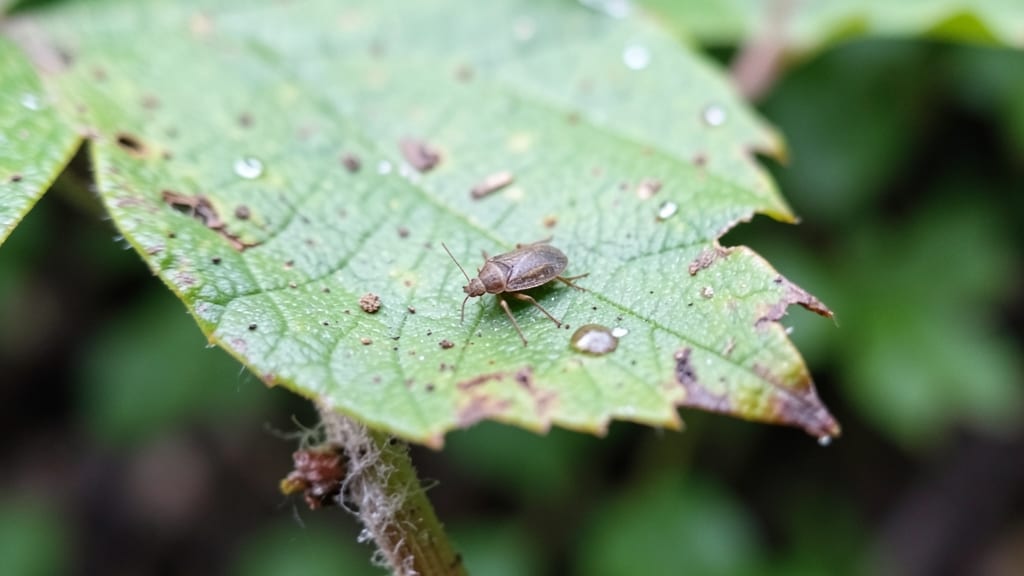
Maple tree bugs can turn vibrant foliage into a chewed-up mess if you don't act fast. 🌿 I've seen firsthand how aphids, borers, and scale insects drain sap, stunt growth, and even kill trees when ignored—so I developed a foolproof natural removal system that works without harsh chemicals.
The key is catching them early, when damage is minimal and treatment is easiest.
Most infestations start with tiny signs: sticky residue on leaves (aphid honeydew), sawdust-like frass near trunk cracks (borers), or white cottony patches (scale). I've tested three organic methods—neem oil sprays, beneficial insect releases, and soil drenches—that stop bugs without harming birds or bees.
These work best when applied during late spring or early summer, before populations explode.
By following this approach, you'll see healthier leaves within 2-3 weeks and stronger growth by next season. The trees regain their natural resilience, and you avoid the heartbreak of watching them decline. Plus, the methods I share actually prevent future outbreaks—no more yearly battles.
Whether you're dealing with a single branch issue or a full tree under siege, these solutions adapt to the problem. The worst part? Most bugs show up in May-June, so there's still time to act before they spread. Let's get your maple back to its vibrant, thriving self.
Root Causes of Maple Tree Infestations
Maple trees, with their stunning foliage and resilient nature, can sometimes become a buffet for unwanted critters. Understanding why these pests target your maple trees is the first step toward effective, long-term solutions. Below, we break down the science—and the real-world triggers—behind common infestations.
Maple trees, like all plants, rely on a complex defense system to ward off pests. When this system falters, bugs see an open invitation. Here’s why it happens:
- Nutrient Deficiencies: Maple trees need a balanced diet of nitrogen, phosphorus, and potassium to stay strong. If the soil lacks these essential nutrients, the tree’s immune response weakens, making it more susceptible to attacks from insects like aphids, scale, or Japanese beetles. Think of it like a human with a vitamin deficiency—easier to get sick!
- Water Stress: Overwatering or drought can shock the tree’s roots, disrupting its ability to produce natural pest-repelling compounds. For example, maple trees under drought stress may produce less sap, which is a natural deterrent for some pests like the maple blister gall midge.
- Physical Damage: Storms, improper pruning, or even lawn equipment can create entry points for pests. Damaged bark exposes the tree’s inner layers, which attract wood-boring insects like the maple borer.
Actionable Tip: Conduct a soil test every 2–3 years to check nutrient levels. If deficiencies are found, amend the soil with compost or a slow-release fertilizer. For watering, aim for 1–1.5 inches per week (including rainfall) and avoid soggy soil.
Pests don’t just show up randomly—they’re drawn to maple trees that offer the perfect living conditions. Here’s what makes your tree a prime target:
- Moisture-Rich Environments: Maple trees in shady, damp areas (like low spots in the yard) are magnets for soft-bodied insects like maple scale and mealybugs. These pests thrive in humid conditions because they lose moisture quickly when exposed to dry air.
- Young or Mature Trees: Young maples lack the resilience of older trees, while mature maples (especially those over 20 years old) may have weakened bark or decaying wood—both inviting to borers and beetles.
- Monoculture Plantings: If your yard is dominated by maple trees (or other similar species), pests can spread rapidly from one tree to another. Diversity in your landscape disrupts their life cycles.
Pro Tip: Improve air circulation around your maple tree by pruning dense branches and avoiding overcrowding with other plants. If your tree is in a low-lying area, consider installing a French drain to reduce standing water.
Many maple tree pests have synchronized life cycles that align with the tree’s growth patterns. Understanding these cycles helps you predict—and prevent—infestations before they take hold.
| Pest | Peak Activity Season | Why It Targets Maples |
|---|---|---|
| Aphids | Spring to early summer | New maple leaves are tender and nutrient-rich, perfect for aphid colonies. They also excrete honeydew, which attracts ants (their protectors). |
| Japanese Beetles | Late spring to early fall | Adult beetles feed on maple leaves, while their larvae (grubs) munch on roots. Maple trees are a preferred food source due to their high sugar content. |
| Maple Blister Gall Midge | Late spring | Larvae inject hormones into young maple leaves, causing blister-like galls that provide a protected nursery. These galls disrupt photosynthesis. |
| Scale Insects | Fall to winter (egg stage) | Female scale insects lay eggs in crevices of the bark. Their waxy coating helps them survive harsh winters, emerging in spring to feed on sap. |
💡 Timing Is Everything: Monitor your maple tree weekly during peak seasons (spring and early summer) for early signs of pests. Catching them early—like aphids on new leaves—makes removal far easier.
Sometimes, the problem isn’t the tree itself but the surrounding environment—or even human activity. Here’s how external factors contribute to infestations:
- Lack of Natural Predators: Birds, ladybugs, and parasitic wasps keep pest populations in check. If your yard lacks biodiversity (e.g., no birdhouses or pollinator gardens), pests can multiply unchecked.
- Chemical Overuse: Excessive use of broad-spectrum pesticides can kill beneficial insects that prey on pests, leading to secondary infestations. For example, spraying for mosquitoes might wipe out ladybugs, allowing aphids to explode in numbers.
- Firewood or Wood Debris: Storing firewood near maple trees or leaving wood chips/piles can harbor borer eggs or larvae, which later infest healthy trees.
- Urban Heat Islands: Cities with high temperatures can accelerate pest life cycles. For instance, Japanese beetles may have two generations per year in urban areas vs. one in cooler climates.
🌿 Eco-Friendly Defense: Plant companion plants like marigolds (repel aphids) or basil (deters beetles) near your maple tree. Install a bird feeder or bat house to encourage natural pest control.
Natural Fixes for Maple Tree Pests
Got unwanted critters feasting on your maple tree? 🌳🐛 Don’t stress—these easy, eco-friendly solutions will help you reclaim a thriving, bug-free tree. Below, we’ve matched common causes to practical fixes, plus prevention tips to keep pests at bay for good.
Signs: Sticky residue (honeydew), curled leaves, or clusters of tiny green/black bugs. Why it happens: Aphids thrive in new growth and weak trees, draining sap and spreading diseases.
How to Fix It: 🔥 Blast Them Off Use a strong stream of water (from a hose) to dislodge aphids from leaves and stems. Repeat every 3–4 days until gone.
🍳 Soapy Water Spray Mix 1 tbsp mild dish soap (like Castile) + 1 quart water in a spray bottle. Test on a small leaf first, then spray directly on aphids (avoid over-saturating). Reapply after rain.
👨🍳 Neem Oil Treatment (Best for Prevention) Combine 1 tsp neem oil + 1 tsp horticultural oil + 1 tsp mild soap + 1 quart water. Shake well and spray early morning or late evening (avoid direct sun). Reapply weekly until pests vanish.
Prevention Tips: ✨ Encourage natural predators like ladybugs, lacewings, or parasitic wasps by planting dill, fennel, or marigolds nearby. 🌡️ Prune infested branches in early spring before aphids multiply. 🎯 Keep trees healthy with balanced watering and organic fertilizer (aphids love stressed trees).
Signs: Skeletonized leaves, metallic green/blue beetles, or white grubs in soil. Why it happens: These invasive beetles chew through foliage, weakening trees over time.
How to Fix It: 🔪 Handpick & Drown Fill a bucket with soapy water and handpick beetles into it (best in early morning when they’re sluggish). Check undersides of leaves and near flowers.
🥘 Kaolin Clay Barrier Mix 2 tbsp kaolin clay (or Surround WP) with 1 gallon water and spray evenly on leaves. The clay coats beetles, disrupting their feeding and mating.
⏰ Milky Spore or Beneficial Nematodes For grubs in soil, apply milky spore powder (organic bacteria that targets beetle larvae) or beneficial nematodes (microscopic worms) in early summer.
Prevention Tips: 💡 Traps work—but use sparingly! Place Japanese beetle traps far from your tree (they attract more beetles if too close). 🌿 Plant repellent flowers like rosemary, catnip, or garlic nearby to deter them. 📊 Water deeply to encourage strong root growth—healthy trees resist pests better.
Signs: Perfectly circular holes in leaves, notches on edges, or mud nests in eaves. Why it happens: While they don’t harm trees long-term, their nesting can be annoying, and they’re often mistaken for pests.
How to Fix It (If Needed): 🍳 Relocate Nests Gently If nests are in eaves or sheds, wait until nightfall when bees are less active, then brush them into a jar and release them far from your home (they won’t sting unless provoked).
🌳 Plant Alternative Nesting Sites Set up bee houses (small wooden blocks with holes) away from your home to give them a preferred spot.
Prevention Tips: ✨ Seal small gaps in siding or roofs where they might nest. 🎯 Leave some leaves on the ground—these bees don’t cut circles in mature leaves as often.
Signs: White, brown, or black bumps on stems/branches, sticky honeydew, or sooty mold (black fungus).
How to Fix It: 🔥 Scrape Off Manually Use a soft brush or cloth dipped in rubbing alcohol to wipe off scales from small branches.
🥘 Horticultural Oil Spray Apply dormant oil (like Neem oil) in early spring or fall when scales are most vulnerable. Reapply every 7–10 days for 3 weeks.
👨🍳 Beneficial Insects Release Introduce parasitic wasps (like Aphytis melinus) or ladybugs—they love eating scale insects.
Prevention Tips: 💡 Prune and dispose of heavily infested branches in a sealed trash bin (don’t compost). 🌡️ Water deeply but less often to avoid stressing the tree (scales love weak trees).
No matter the pest, strong trees fight back better.
Try these year-round tips: - Mulch properly (2–4 inches of wood chips, keeping it 6 inches from the trunk). - Avoid over-fertilizing—stick to balanced organic fertilizer (like fish emulsion or compost tea). - Inspect trees monthly, especially after rain (pests love damp conditions). - Encourage biodiversity—birds, bats, and beneficial insects naturally control pests.
Pro Tip: 🌟 Rotate treatments every few weeks to prevent pests from building resistance. Most natural solutions work best when applied consistently—don’t give up after one try!
Frequently asked questions
What are the most common maple tree pests I should watch for?
The top culprits include aphids (tiny green/black bugs that create sticky honeydew), Japanese beetles (metallic green/blue with white tufts), scale insects (white/brown bumps on bark), and maple borers (sawdust-like frass near trunk cracks). Early spring is when most infestations start, so monitor your tree closely during this time.
How do I tell if my maple tree has an infestation?
Look for these red flags: yellowing leaves, sticky residue (aphid honeydew), chewed edges (Japanese beetles), or sawdust-like frass near the trunk (borers). Also check for white cottony patches (scale insects) or blister-like galls on leaves (maple blister gall midge).
Are there organic ways to treat maple tree pests without chemicals?
Yes! Start with a hose blast to dislodge soft-bodied pests like aphids. For tougher infestations, try neem oil spray (1 tsp neem + 1 quart water) or kaolin clay (2 tbsp clay + 1 gallon water). Release beneficial insects like ladybugs or parasitic wasps for long-term control. Always apply treatments in early morning or evening to avoid harming bees.
Can I prevent future maple tree pest problems?
Keep your tree healthy with balanced watering (1-1.5 inches per week), proper mulching (2-4 inches of wood chips), and regular inspections (monthly checks). Plant companion plants like marigolds or basil to repel pests, and avoid over-fertilizing. Prune in late winter/early spring to remove weak branches where pests hide.
When is the best time to treat maple tree pests?
Act during late spring or early summer when pests are most active but before populations explode. For scale insects, treat in early spring or fall when they're vulnerable. Always apply treatments on calm, cloudy days to protect beneficial insects and reduce evaporation.