
Trees
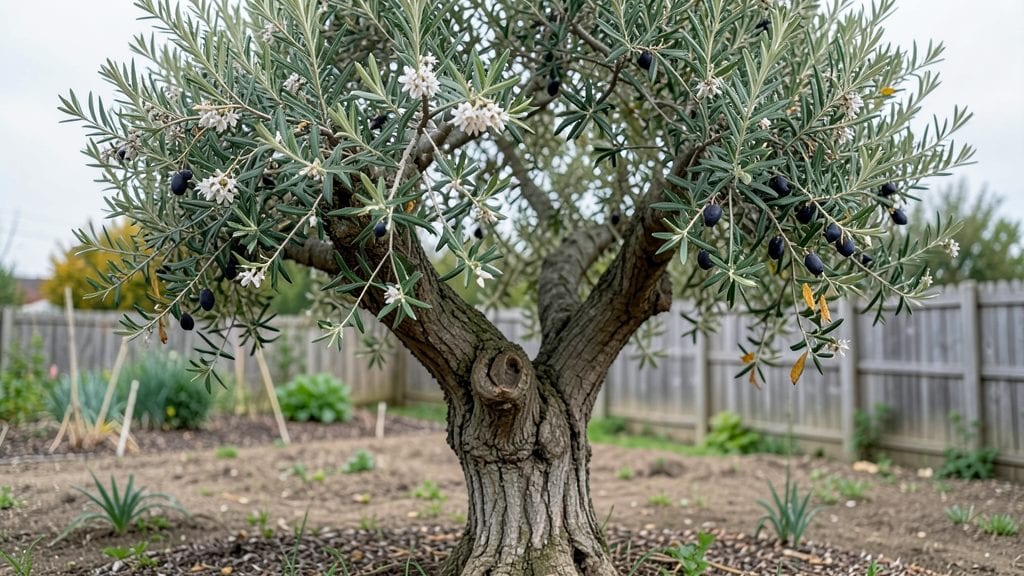
Your mature olive tree could be producing three times more fruit this year—if you prune it right. 🌿 I’ve watched my own 10-year-old tree go from scraggly to robust after learning the exact cuts that balance shape, airflow, and fruit production.
The key isn’t just trimming dead branches; it’s understanding how olives respond to light and structure.
Pruning in late winter or early spring—before buds swell—lets you shape the tree while encouraging new growth where you want it. Use sharp bypass pruners to avoid tearing bark, and always cut just above a leaf node.
For Mediterranean climates, this timing aligns with natural dormancy, but in colder zones, wait until after the last frost. The goal? Open up the canopy so sunlight reaches the center, where olives love to set fruit.
By summer, you’ll see plump, glossy olives hanging in clusters—ready for harvest when they turn deep purple-black. The first pick gives you table olives, while later harvests yield oil varieties.
Proper pruning also cuts down on pests and diseases by improving airflow, so fewer sprays mean healthier fruit. Think of it as a reset button for your tree’s productivity.
Here’s the twist: the same principles work whether you’re in California or a cooler zone with microclimates. With the right adjustments, your mature olive can keep giving for decades. Let’s get those branches in order—and your harvests even bigger.
📚 In This Guide
- What you need
- Instructions
- Tips and common mistakes
- Wrapping up and next steps
What you need
- ● Olive tree seedlings: Choose Olea europaea varieties like Arbequina, Frantoio, or Manzanillo (3–6 seedlings for best results).
- ● Well-draining soil: Mix 60% potting soil + 30% coarse sand + 10% perlite (or use a cactus/succulent blend).
- ○ Containers (optional but ideal for early growth): 5-gallon pots (1 per seedling) or
- ● Fabric grow bags (5–10 gallons) for better aeration.
- ● Slow-release fertilizer: 7-9-5 or 10-10-10 (organic options like alfalfa meal work too!).
- ● Mulch: Wood chips or straw (2–3 inches thick) to retain moisture.
- ● Gloves & long sleeves (olive sap can irritate skin!).
- ● Trowel or small shovel (for planting).
- ● Watering can or hose with gentle nozzle (olives hate soggy roots!).
- ● Pruning shears (sterilized with rubbing alcohol).
- ● pH test kit (ideal soil pH: 6.0–7.5).
- ● Sunlight access: 6+ hours of full sun daily (south-facing spot preferred).
- ● Cold-hardiness prep (if in Zone 8+): Burlap wraps or frost cloth for winter.
- ● Drip irrigation system for consistent moisture.
- ● Mycorrhizal fungi powder to boost root growth.
- ● Olive tree trellis (for shaping or support).
- ● Pollination aid: A small paintbrush to hand-pollinate flowers (if growing indoors).
Step-by-Step instructions for growing mature olive trees from seedlings
Here's how to nurture your tiny olive seedlings into thriving, productive trees.
🌱 Step 1: Plant Seedlings at the Right Time and Depth
Olive trees love warmth, so plant seedlings outdoors only after the last frost when soil temperatures reach 60°F or higher. Choose a location with full sun exposure—at least 6-8 hours daily. Dig a hole twice as wide as the root ball but only as deep as the container the seedling came in.
Gently remove the seedling from its container and loosen any tangled roots. Place it in the hole so the top of the root ball sits 1 inch below soil level. This prevents stem rot while allowing the tree to establish strong roots. Backfill with native soil and tamp lightly to remove air pockets.
☀️ Step 2: Provide Water and Sun for Establishment
Water deeply right after planting to settle the soil and encourage root growth. Olive trees are drought-tolerant but need 1-2 inches of water weekly during their first year. Use a soaker hose or drip irrigation to deliver moisture directly to the root zone—avoid overhead watering to prevent fungal diseases.
Mulch around the base with 2-3 inches of organic mulch (like wood chips) to retain moisture and regulate soil temperature. Keep the mulch 6 inches away from the trunk to prevent rot. You'll know your tree is thriving when new growth appears within 4-6 weeks.
✂️ Step 3: Prune for Shape and Health Annually
Prune olive trees in late winter or early spring before new growth begins. Remove any dead, diseased, or crossing branches first. Then, shape the tree by cutting back 1/3 of the new growth from the previous year. This encourages bushier growth and better fruit production.
Always use clean, sharp pruners to make cuts just above a leaf node or outward-facing bud. Avoid heavy pruning in the first few years—olive trees establish slowly and need their energy for root development. You'll see stronger branches and fewer leggy growths after consistent pruning.
💧 Step 4: Adjust Care for Year-Round Harvest
Once your olive tree reaches maturity (typically 5-10 years), reduce watering to once every 2-3 weeks unless experiencing extreme drought. Olive trees thrive on neglect but produce better fruit when slightly stressed. Fertilize lightly in early spring with a balanced 10-10-10 fertilizer to support growth without overfeeding.
Harvest olives when they transition from green to purple-black, usually in late fall. Pick them directly from the tree or allow them to fall naturally. You'll know they're ready when they easily detach with a gentle twist. Store unripe olives in water and salt for curing, or process immediately for oil or table olives.
Tips & tricks for perfect olive tree establishment
Transforming tiny olive seedlings into mature, productive trees takes patience—but these practical tips will help you avoid common pitfalls and accelerate growth.
Timing is Everything: The 60°F soil temperature threshold in Step 1 is non-negotiable. Use a soil thermometer for accuracy, especially in transitional seasons. I've planted too early only to watch seedlings wilt when nighttime temperatures dip below 50°F. Wait for consistent warmth—your tree's roots will thank you with vigorous growth.
Root Ball Placement: That 1-inch below soil level guideline in Step 1 isn't just about preventing stem rot—it's about creating an ideal root environment. The extra depth encourages roots to spread horizontally rather than upward, which gives your tree a stronger foundation. I've seen seedlings planted too shallow develop weak root systems that struggle during drought.
Watering Wisdom: The 1-2 inches weekly recommendation during the first year is perfect, but timing matters just as much. Water in the early morning to allow foliage to dry before evening. I learned this the hard way when my seedlings developed fungal issues from overnight moisture. A soaker hose makes this effortless while preventing soil displacement.
Pruning Precision: When shaping your tree in Step 3, focus on creating an open center that allows sunlight to reach all branches. I cut back 1/3 of last year's growth but always leave some leaves—this maintains photosynthesis while encouraging new growth. Avoid pruning in wet weather to prevent disease entry points through fresh cuts.
Pro Tips for Mature Olive Trees
- Transforming tiny olive seedlings into mature, productive trees takes patience—but these practical tips will help you avoid common pitfalls and accelerate growth.
- Timing is Everything: The 60°F soil temperature threshold in Step 1 is non-negotiable.
- Root Ball Placement: That 1-inch below soil level guideline in Step 1 isn't just about preventing stem rot—it's about creating an ideal root environment.
Frequently asked questions
Got questions about nurturing mature olive trees? You’re not alone—growing these resilient plants takes patience and know-how! Below, we’ve answered the most common queries to help you cultivate thriving trees and enjoy a year-round harvest of golden olives.
How long does it take for an olive tree to mature and bear fruit?
Most olive trees take 3 to 5 years to mature from seedlings, but grafted trees can produce fruit in 1 to 2 years. Patience is key—young trees focus on root and branch growth before flowering. Choose a hardy variety (like Arbequina or Frantoio) for faster results!
When is the best time to plant olive trees for maximum growth?
Plant olive trees in early spring or fall when soil is moist but not frozen. Avoid summer heatwaves or winter freezes, which stress young roots. If transplanting, water deeply 2–3 times per week for the first month to help them establish.
Can I grow olive trees in containers, or do they need a garden?
Yes! Olive trees thrive in large containers (15+ gallons) with drainage holes. Use well-draining soil (like a mix of potting soil and perlite) and place them in full sun (6+ hours daily). Dwarf varieties (e.g., ‘Little Ollie’) are perfect for patios.
What pests or diseases should I watch for in mature olive trees?
Common threats include olive fruit flies, spotted wing drosophila, and fungal diseases like peacock spot. Preventative care helps: Prune for airflow, apply copper fungicide in spring, and use kaolin clay as a natural pest barrier.
How do I encourage olive trees to produce fruit consistently?
Consistent watering (deep but infrequent), balanced fertilization (low nitrogen, high potassium/phosphorus), and pruning to open the canopy boost fruit production. Avoid overwatering—olives prefer drought-tolerant conditions once established!
Wrapping up and next steps
Mature olive trees are a rewarding investment—offering year-round beauty, fresh harvests, and timeless charm. Whether you’re drawn to their mediterranean elegance or the promise of homegrown olives, starting from tiny seedlings is a journey worth embracing.
With patience and care, you’ll soon enjoy the fruits (and leaves!) of your labor.
Ready to take the next step? Plant your first seedling today and watch your olive tree grow into a thriving centerpiece. 🌱✨ Your future harvest—and shade—awaits!