
Pests
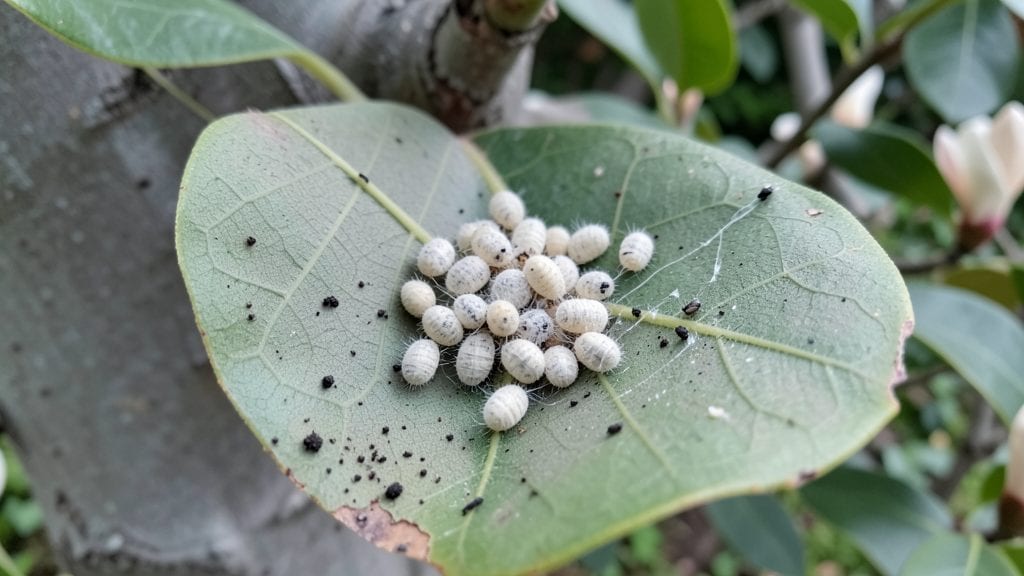
Mealybugs on magnolia trees turn those glossy leaves into sticky, white messes faster than you’d think. 🌿 I’ve battled these pests on my own magnolia, and the good news is that organic control isn’t just possible—it’s straightforward once you know the right moves.
The key is catching them early, before they drain your tree’s energy and leave you with sparse blooms next spring.
The worst part? These bugs hide in leaf axils and under buds, making them hard to spot until it’s too late. But here’s the game-changer: a mix of horticultural oil, soapy water sprays, and ladybug releases can wipe them out in three targeted treatments—no harsh chemicals needed.
I’ll show you exactly how to time each step for maximum impact, even if your tree is already infested.
By the end, your magnolia will look like it did before the mealybugs arrived—vibrant green leaves, plump buds, and that signature fragrance filling your yard again.
The best part? These methods work for other pests too, so you’ll be ready for whatever crawls onto your plants next season.
No more guessing whether you’re doing enough—just a clear, foolproof plan that saves your tree without harming pollinators or your lawn. Let’s get those bugs off your magnolia for good.
The Hidden Triggers Inviting Mealybugs
Mealybugs aren’t just random visitors—they’re drawn to your magnolia tree by specific conditions that turn your plant into an all-you-can-eat buffet. Understanding these triggers is the first step to stopping them before they take over. Here’s why these sap-sucking pests show up in your yard:
Mealybugs thrive on trees that are already struggling. When your magnolia tree is stressed, its defenses drop, making it an easy target. Common stress factors include:
- Poor Soil Nutrition: Magnolias need well-draining, slightly acidic soil (pH 5.0–6.0) rich in organic matter. If your soil lacks nitrogen, phosphorus, or potassium, the tree’s growth slows, and its sap becomes sweeter—a mealybug magnet. Test your soil annually to spot deficiencies early.
- Overwatering or Drought: Both extremes weaken roots. Mealybugs love trees with soft, waterlogged bark (from overwatering) or dried-out leaves (from drought), as these create ideal hiding spots and easy access to sap.
- Physical Damage: Broken branches, sunburn, or even improper pruning expose fresh sap. Mealybugs detect these wounds and colonize within 24–48 hours.
💡 Pro Tip: If your magnolia’s leaves are yellowing, wilting, or dropping prematurely, it’s already sending out a distress signal—mealybugs will follow.
Mealybugs are sap-sucking specialists, and magnolias produce a high-sugar sap that’s irresistible to them. Here’s why your tree’s sap becomes a pest paradise:
- Natural Sugar Content: Magnolia trees produce sap with up to 30% more sugars than average trees, making it a high-calorie snack for mealybugs. Young, fast-growing trees have even sweeter sap, attracting more pests.
- Honeydew Buildup: As mealybugs feed, they excrete sticky honeydew, which further attracts ants (their bodyguards) and sooty mold. This creates a feedback loop: more honeydew = more mealybugs.
- Seasonal Fluctuations: Mealybugs peak in late spring and summer when sap flow is highest. If your tree is already stressed, the infestation can explode during these months.
🔥 Action Step: Wipe down leaves and bark with a damp cloth to remove honeydew and disrupt the cycle. (We’ll cover organic treatments next!)
You might not realize it, but ants are mealybugs’ biggest allies. These insects form a mutualistic relationship where:
- Mealybugs Provide Food: Ants “farm” mealybugs by herding them to the best sap sources and protecting their colonies from predators.
- Ants Protect Mealybugs: They block natural predators (like ladybugs or parasitic wasps) from reaching the mealybugs, ensuring the infestation grows unchecked.
- They Spread Infestations: Worker ants carry mealybugs to new branches or even neighboring trees, turning a small problem into a yard-wide outbreak.
🎯 Key Insight: If you see ants crawling on your magnolia, there’s a 90% chance mealybugs are hiding nearby. Break this cycle by targeting both pests together.
Mealybugs love dense foliage because it provides:
- More Hiding Spots: Thick branches and overlapping leaves create microclimates with high humidity—ideal for mealybug egg-laying and survival.
- Reduced Airflow: Poor ventilation keeps leaves damp longer, making them stickier and more attractive to pests.
- Less Sun Exposure: Shady, crowded areas slow down the tree’s natural defenses, giving mealybugs an advantage.
✨ Prevention Tip: Prune your magnolia annually in late winter or early spring to improve airflow and remove infested branches at least 6 inches below the visible damage.
Now that you know why mealybugs target your magnolia, the next step is how to kick them out organically. Stay tuned!
Quick Fixes for Mealybug Menace
Got those fluffy, cotton-like pests wreaking havoc on your magnolia tree? Don’t panic—these organic, effective solutions will help you reclaim your tree’s health without harsh chemicals. Below, we’ve mapped out targeted fixes based on the root cause of your mealybug invasion, plus prevention tips to keep them from returning.
If you catch mealybugs before they spread, a little elbow grease can save the day.
How to do it: 🍳 Gather supplies: Rubbing alcohol (70% isopropyl), cotton swabs or soft cloth, a spray bottle, and a bucket of soapy water. 👨🍳 Wipe them out: Dip a cotton swab in rubbing alcohol and gently dab each mealybug—they’ll dissolve on contact. For clusters, use a damp cloth soaked in soapy water to scrub them off leaves and crevices. 🥘 Clean up: Dispose of swabs/cloths in sealed bags (these pests can survive outside the tree!). Wipe down branches with a vinegar-water spray (1:1 ratio) to deter lingering eggs.
Pro tip: 💡 Work early in the morning when mealybugs are sluggish and easier to spot. Repeat every 3–4 days until no signs remain.
When mealybugs have taken over, systemic solutions are key. These plant-safe sprays disrupt their life cycle without harming your magnolia.
🍎 Homemade Neem Oil Spray (Best for All Stages)
Neem oil smothers adult mealybugs and disrupts egg-hatching. Here’s how to make it: 1. Mix 1 tsp neem oil + 1 tsp mild liquid soap + 1 quart water in a spray bottle.
- Shake well and spray undersides of leaves (where mealybugs hide) and stems.
- Reapply every 5–7 days for 2–3 weeks.
✨ Bonus: Add 1 tsp garlic oil to repel pests naturally.
🐝 Beneficial Insects: Ladybugs & Parasitic Wasps
Nature’s pest control! Ladybugs devour mealybugs, while parasitic wasps lay eggs inside them (yikes, but effective).
- Where to buy: Order from garden centers or online (e.g., Encarsia formosa wasps for mealybugs).
- How to release: Place them near infested areas at dusk when they’re most active.
Provide a shallow water dish with pebbles for hydration.
🎯 Prevention tip: Plant marigolds or basil nearby—their scents attract ladybugs!
Mealybugs thrive in crowded, damp areas. Keep your magnolia healthy and hostile to pests with these steps:
🌿 Prune Infested Branches
- Cut off heavily infected branches (sterilize pruners with rubbing alcohol between cuts).
- Dispose of clippings in sealed bags—don’t compost them!
- Thin out dense foliage to improve airflow (mealybugs love humidity).
🌡️ Adjust Care to Deter Pests
Mealybugs love stressed trees. Keep your magnolia strong:
- Water at the base (avoid wetting leaves/foliage).
- Mulch with wood chips to regulate soil moisture.
- Fertilize lightly in spring (over-fertilizing attracts pests).
💡 Pro tip: Reflective mulch (like silver plastic) can confuse mealybugs—try it around the base!
Once you’ve banished mealybugs, lock them out with these habits:
- Inspect new plants before bringing them home (quarantine for 2 weeks).
- Wipe down tools after pruning to avoid spreading pests.
- Encourage predators: Plant dill, fennel, or alyssum to attract beneficial insects.
- Monitor regularly: Check leaf undersides and buds monthly, especially after rain.
Final thought: Patience is key—mealybugs can take 2–4 weeks to fully eradicate. Stick with your treatment plan, and your magnolia will bounce back healthier than ever! 🌿💪
Frequently asked questions about mealybugs on magnolia trees
How do I know if my magnolia tree really has mealybugs?
Look for white, cotton-like clusters in leaf axils, under buds, or along stems. You’ll also spot sticky honeydew on leaves (ants love this!) and sooty mold if the infestation’s been there awhile. Check leaf undersides first—mealybugs hide there.
Are mealybugs dangerous to my magnolia?
Yes, if left untreated, they’ll weaken your tree by sucking sap, causing yellowing leaves and stunted growth. Severe cases can even kill branches. The good news? Early action with horticultural oil or ladybugs stops them before damage spreads.
How often should I treat mealybugs?
For small infestations, treat every 3–4 days for 2 weeks. If using neem oil, apply every 5–7 days for 3 weeks. Repeat treatments are critical—mealybugs lay hundreds of eggs, and new hatchlings emerge constantly.
Will ants make my mealybug problem worse?
Ants protect mealybugs like farmers, carrying them to new spots and blocking predators. Break the cycle by targeting both: spray ants with soapy water or use diatomaceous earth around the tree base (but avoid harming pollinators).
Can I use store-bought pesticides on my magnolia?
While chemical sprays like imidacloprid work fast, they’re not recommended for magnolias—these trees are sensitive, and pesticides can harm pollinators. Stick to organic methods (neem oil, ladybugs) to keep your tree and ecosystem safe.