
Diseases
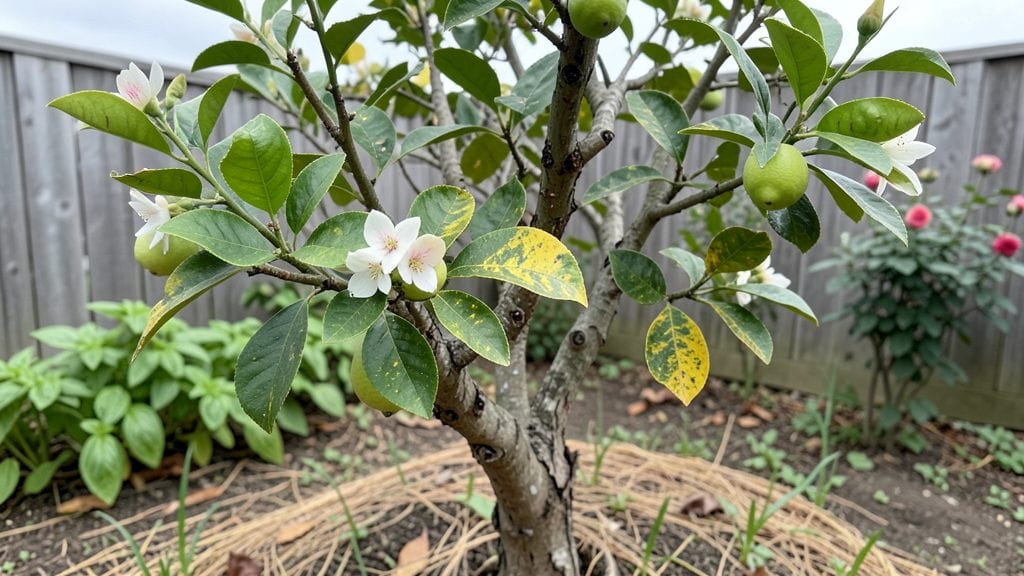
Identifying Meyer lemon tree diseases early—and spotting them in these Meyer lemon tree diseases pictures—can mean the difference between a thriving harvest and a ruined one. 🌱 I’ve seen citrus canker turn vibrant leaves into ragged, oily messes, and root rot creep in silently until the branches start drooping.
The key to saving your tree lies in recognizing these symptoms before they spread: crusty sores on leaves, sudden yellowing, or mushy stems.
Most problems start with poor drainage, overwatering, or even the wrong soil pH. Citrus canker thrives in humid conditions, while root rot loves soggy roots. The good news?
Both can be managed with the right tools—copper sprays for canker, improved drainage for rot, and a little elbow grease to prune infected areas. Prevention is easier than cleanup.
You’ll learn to spot the early warning signs—like tiny black specks on leaves or stems that ooze when touched—and how to treat them before they ruin your tree.
With the right approach, your Meyer lemon can bounce back stronger, producing sweeter fruit than ever. Let’s get your tree back to thriving.
Works for both container-grown and in-ground trees, and I’ll show you how to adapt treatments for different stages of infection. No guesswork—just clear steps to save your tree and keep those lemons coming.
Root Causes Behind Tree Stress
Meyer lemon trees, like all citrus varieties, are susceptible to diseases that often stem from underlying environmental or cultural stressors. Understanding why these issues arise is the first step in prevention and treatment.
Below, we break down the key factors that weaken your tree’s defenses, making it vulnerable to infections, pests, and decline.
Extreme or inconsistent environmental conditions disrupt the tree’s natural balance, weakening its immune response. Here’s how:
- Temperature Fluctuations Meyer lemons thrive in USDA Zones 9–11, but sudden cold snaps (<32°F) or heatwaves (>95°F) shock the tree. Cold damage disrupts cellular function, while excessive heat causes water stress and sunburn on leaves/fruit. Result: Stunted growth, yellowing leaves, and reduced disease resistance.
- Poor Drainage & Waterlogging Soggy roots from overwatering or compacted soil cut off oxygen, leading to root rot (often caused by Phytophthora fungi). Symptoms include wilting, leaf drop, and a foul smell at the base. Actionable fix: Amend soil with perlite or sand and ensure pots have drainage holes.
- Humidity & Poor Airflow High humidity (especially >80%) creates a breeding ground for fungal pathogens like Alternaria or Botrytis. Stagnant air in dense foliage traps moisture, accelerating leaf spot diseases. Pro tip: Prune for airflow and avoid overhead watering.
A Meyer lemon’s health hinges on soil quality. Deficiencies or toxicities open the door to diseases:
- Nitrogen Deficiency Yellowing leaves (chlorosis) signal low nitrogen, weakening the tree’s ability to fight infections. Why? Nitrogen fuels protein production, including enzymes that combat pathogens. Solution: Test soil pH (ideal: 6.0–7.0) and amend with compost or a balanced fertilizer (e.g., 10-10-10).
- Micronutrient Deficiencies Lack of iron, zinc, or manganese (common in alkaline soils) causes yellowing between leaf veins. These nutrients are critical for chlorophyll and disease resistance. Fix: Use chelated micronutrients or apply sulfur to lower pH.
- Over-Fertilization Excess salts or synthetic fertilizers burn roots, stressing the tree. Symptoms include leaf scorch and stunted growth. Prevent: Flush soil annually with water and use organic fertilizers like fish emulsion.
Pests and pathogens exploit stressed trees. Here’s how they gain the upper hand:
- Pest Damage Aphids, scale insects, and spider mites sap nutrients from leaves, leaving the tree vulnerable to secondary infections (e.g., sooty mold). Example: Scale insects secrete honeydew, a sugar-rich film that fosters fungal growth.
- Fungal & Bacterial Entry Points Wounds from pruning, hail, or physical damage create gateways for pathogens. Example: Citrus Canker (bacterial) thrives in moist, damaged bark. Prevent: Sterilize pruners with rubbing alcohol and seal cuts with pruning sealant.
- Viral Spread Viruses like Citrus Tristeza Virus (CTV) spread via infected grafting material or sap-sucking insects (e.g., aphids). Infected trees show stunted growth and dieback. No cure exists—prevent via: Buying certified disease-free nursery stock.
Key Takeaway: Most Meyer lemon diseases are opportunistic—they attack when the tree is already struggling. By addressing environmental, nutritional, and biological stressors proactively, you’ll fortify your tree’s natural defenses and minimize outbreaks.
How to Fix Meyer Lemon Tree Troubles
Once you’ve spotted the signs of disease in your Meyer lemon tree, acting fast can mean the difference between a healthy harvest and a sad goodbye to your citrus companion.
Below are practical, step-by-step solutions tailored to the most common issues—plus prevention tips to keep your tree thriving. Think of this as your citrus tree’s first-aid kit!
🔥 Step 1: Stop the Waterlogged Soil Root rot is often a death sentence if ignored, but you can still save your tree with proper care.
- 👨🍳 Remove the tree from its current pot or spot and inspect the roots. Healthy roots are firm and white; mushy, brown, or black roots are rotten.
- ✂️ Trim away all diseased roots with sterilized pruners (wipe with rubbing alcohol between cuts).
- 🌱 Repot in fresh, well-draining soil—mix cactus/succulent mix with perlite or pumice (50/50 ratio) to improve aeration.
💡 Pro Tip: If your tree is in the ground, amend the soil by digging in compost + coarse sand to improve drainage. Avoid replanting in the same spot until the soil has dried out completely.
🔪 Step 2: Fungicide Treatment
- Apply a copper-based fungicide (like Copper Soap) or hydrogen peroxide (3%) to the roots before repotting.
- 💧 Water lightly for the first week to avoid re-infecting the roots.
🌡️ Prevention:
- ⚠️ Never let the tree sit in soggy soil—Meyer lemons hate "wet feet." Use pots with drainage holes and a cache pot (tray under the pot) to catch excess water.
- 🎯 Water only when the top 1–2 inches of soil are dry—stick your finger in to check!
🍳 Step 1: Prune for Better Airflow Powdery mildew thrives in shady, humid conditions.
- ✂️ Trim back overcrowded or weak branches to improve airflow around the tree.
- 🌿 Remove heavily infected leaves and dispose of them in the trash (not compost).
💡 Pro Tip: Morning watering (not evening) helps leaves dry faster, reducing mildew risk.
🔥 Step 2: Fungal Spray Attack
- 🧴 Neem oil spray (1 tsp neem oil + 1 tsp mild soap + 1 quart water) – spray both sides of leaves until damp.
- ✨ Repeat every 7–10 days until the mildew disappears (usually 2–3 treatments).
- For severe cases, use a sulfur-based fungicide (follow label instructions).
🌡️ Prevention:
- 💪 Space trees properly (at least 6–8 feet apart if grown outdoors).
- 🎯 Avoid overhead watering—use a drip irrigation system or water at the base.
- 🌿 Keep the area under the tree clean—remove fallen leaves and debris.
🔪 Step 1: Manual Removal (Yes, Really!)
- 🧼 Dampen a soft cloth or cotton swab with rubbing alcohol (70% isopropyl).
- 👨🍳 Wipe off visible bugs—focus on leaf undersides, stems, and fruit.
- For mealybugs, a toothbrush dipped in soapy water can help dislodge them.
💡 Pro Tip: Ladybugs and lacewings are natural predators—encourage them by planting marigolds or dill nearby!
🔥 Step 2: Systemic Treatment
- 🍋 Horticultural oil spray (like Safer® Brand 3-in-1) – spray evenly and repeat in 5–7 days.
- For severe infestations, use imidacloprid (systemic insecticide)—soak the soil as directed.
🌡️ Prevention:
- 🎯 Inspect new plants before bringing them home—quarantine for a week if possible.
- 💪 Keep your tree healthy—stressed trees attract pests. Fertilize with citrus-specific food (low nitrogen) in spring.
🍳 Step 1: Prune & Sterilize
- ✂️ Cut out infected branches at least 6 inches below the lesion (the disease can lurk in the wood).
- 🔥 Sterilize pruners between cuts with bleach or rubbing alcohol.
- 🗑️ Bag and discard infected plant debris do not compost!
🔪 Step 2: Copper Spray Schedule
- 🧴 Apply copper fungicide (like Bonide Copper Fungicide) every 10–14 days for at least 3 months.
- 💧 Avoid spraying when rain is forecast—it washes off before it works.
🌡️ Prevention:
- ⚠️ Avoid overhead watering—use drip irrigation or water at the base.
- 🎯 Rotate fungicides if you’ve used copper before—try potassium bicarbonate next.
Even after treating diseases, strong tree care habits prevent future problems:
- 📊 Fertilize right: Use a balanced citrus fertilizer (6-6-6 or 8-3-9) only in spring—too much nitrogen = weak growth.
- 💪 Prune properly: Remove dead, crossing, or weak branches in late winter/early spring.
- 🌡️ Monitor temperature: Meyer lemons hate cold drafts—bring potted trees indoors if temps drop below 40°F (4°C).
🎯 Final Thought: Most Meyer lemon diseases are preventable with good hygiene, proper watering, and quick action. Spot a problem early? Treat it fast—your tree will thank you with juicy, sweet lemons all season! 🍋✨
Frequently asked questions
What are the most common signs of citrus canker on a Meyer lemon tree?
Look for small, raised lesions on leaves and stems that ooze yellowish liquid when touched. These spots often have a greasy texture and may develop a crusty border. Infected leaves may turn brown and drop prematurely, while fruit can develop scabby areas. Early detection is key—remove infected parts immediately and sterilize pruners with rubbing alcohol.
How can I tell if my Meyer lemon tree has root rot?
Check for yellowing leaves, stunted growth, and a foul smell at the base of the tree. Gently remove the tree from its pot (or dig around the roots if planted in ground) and look for mushy, blackened roots. Healthy roots should be firm and white. If you see these signs, repot in fresh, well-draining soil and trim away all diseased roots with sterilized tools.
Are there organic treatments for fungal diseases like powdery mildew?
Yes! Mix 1 teaspoon neem oil with 1 teaspoon mild soap and 1 quart water, then spray both sides of leaves until damp. Repeat every 7–10 days until the mildew disappears. For prevention, improve airflow by pruning dense branches and avoid overhead watering. Sulfur-based fungicides are also effective but should be used carefully in hot weather.
Can I save a severely infected Meyer lemon tree?
It depends on the disease and how quickly you act. For bacterial issues like citrus canker, prune infected areas immediately and apply copper fungicide. For root rot, repot in fresh soil and trim diseased roots. However, if the tree is already 90% infected or the trunk is rotting, it may be beyond saving. In such cases, focus on preventing the spread to nearby plants by sterilizing tools and removing debris.
How often should I inspect my Meyer lemon tree for diseases?
Check your tree weekly during growing seasons (spring and summer) and monthly in fall/winter. Pay special attention to new growth, undersides of leaves, and the base of the trunk. Early detection gives you the best chance of treating issues before they spread. Keep a small notebook to track changes over time—this helps identify patterns or worsening symptoms.