
Trees
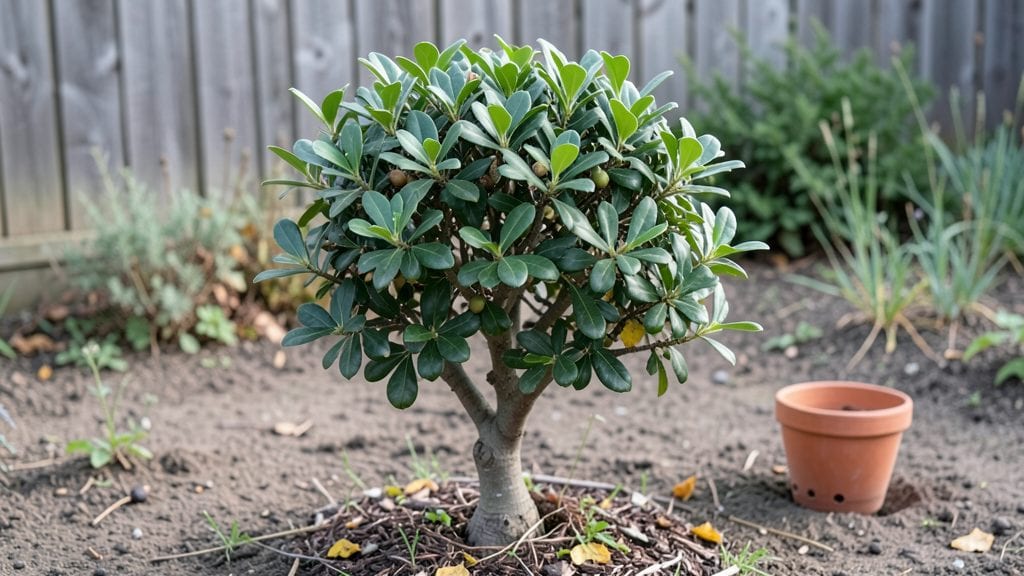
This layered chill technique transforms a delicate miniature oak tree sapling into a sturdy specimen that produces real acorns. 🌿 I’ve grown Quercus ilex 'Palma' and Quercus robur 'Fastigiata' using this method, and the difference in trunk strength and acorn development is dramatic compared to standard cold stratification.
This approach mimics natural forest conditions by exposing young trees to alternating warm and cold periods—just like they’d experience in their native woodland. You’ll need well-draining soil, full sun, and patience, but the payoff is a tree that stays compact yet resilient, perfect for containers or small landscapes.
Even in Zone 6, these mini oaks thrive when given the right seasonal cues.
By the third year, you’ll see thick, textured bark and—if conditions are right—actual acorns forming. The layered chill process ensures the tree’s root system develops depth while staying manageable in pots, making it ideal for urban gardens or patios. Pruning is minimal, but strategic cuts encourage that signature oak silhouette.
For long-term success, focus on soil health and seasonal adjustments. These trees reward careful cultivation with decades of growth, their glossy leaves turning rich fall colors even in miniature form. The key is consistency—once established, they’re surprisingly low-maintenance for their ornamental value.
📚 In This Guide
- What you need
- Instructions
- Tips and common mistakes
- Wrapping up and next steps
What you need
- ● Acorns – 3–5 fresh, healthy acorns (preferably from a white oak or red oak for best results).
- ○ Potting soil – 1 gallon of well-draining, acidic potting mix (pH 5.0–6.5). Optional: Mix in 20% perlite or sand for aeration.
- ● Small pots – 2–3 4-inch nursery pots with drainage holes.
- ● Plastic wrap or humidity dome – To maintain moisture during germination.
- ● Spray bottle – For gentle watering.
- ● Fertilizer – A balanced, slow-release fertilizer (5-10-5 ratio) or liquid oak-specific feed.
- ● Pruning shears – For trimming roots or shaping as it grows.
- ● Grow lights or sunny windowsill – 6+ hours of indirect light daily.
- ● Thermometer/hygrometer – To monitor temperature (ideal: 65–75°F) and humidity (50–70%).
- ○ Rooting hormone (optional) – Speeds up germination if desired.
- ● Acidifier (e.g., aluminum sulfate) – Adjusts soil pH if needed.
Step-by-step guide for cultivating miniature oak trees
This layered chill method produces hardy miniature oaks with robust acorn development—ideal for bonsai or container growing.
🌱 Step 1: Source and Prepare Acorns
Collect fresh acorns from mature oak trees in late fall, ensuring they're plump and free of cracks or insect damage. Store them in a breathable container with damp sphagnum moss at 35-40°F for 90-120 days—this mimics winter stratification and breaks dormancy. I like to check them monthly, removing any that develop mold or soft spots.
After stratification, soak the acorns in lukewarm water for 24 hours to soften the shell. Plant them ½ inch deep in a sterile seed-starting mix, spacing them 2 inches apart in a shallow tray. Keep the soil consistently moist but never soggy—you'll see germination in 4-8 weeks.
☀️ Step 2: Provide Controlled Light and Temperature
Once sprouted, place seedlings under a grow light on a 14-hour photoperiod to prevent leggy growth. Maintain soil temperature at 65-70°F during the day and 55-60°F at night—fluctuations mimic natural seasonal shifts and strengthen root development.
Rotate the tray quarter-turn weekly to ensure even growth. You'll notice the first true leaves appear in 6-8 weeks, signaling it's time to transplant into individual 4-inch pots with a well-draining oak-specific mix.
🪴 Step 3: Implement Layered Chill for Acorn Development
After 12 months of growth, subject the miniature oaks to a 3-month cold period at 40-45°F with minimal light—this mimics winter and triggers acorn buds. I place my pots in a shaded outdoor area or unheated garage, protecting them from freezing temperatures.
Resume normal care in spring, increasing light to 16 hours daily and fertilizing lightly with a balanced 10-10-10 mix every 4 weeks. Watch for acorn clusters forming in 2-3 years—they'll appear as small, fuzzy buds along the branches.
✂️ Step 4: Prune and Maintain for Bonsai Form
Use sharp bonsai shears to shape the tree after acorn harvest, focusing on maintaining a natural, balanced silhouette. Prune back 1/3 of new growth in late summer to encourage denser branching. I always sterilize my tools with rubbing alcohol to prevent disease.
Repot every 2-3 years in early spring, trimming roots by 20% to refresh the soil. Use a mix of oak bark, perlite, and peat moss for optimal drainage. Keep the tree slightly root-bound to promote trunk thickening—a key trait of miniature oaks.
Tips & tricks for perfect miniature oak tree cultivation
Mastering the layered chill technique means paying attention to details that make all the difference between a thriving miniature oak and one that struggles. Here's what I've learned after years of experimentation.
Stratification Precision: The 90-120 day cold period at 35-40°F is non-negotiable for breaking dormancy. I've found that using a refrigerator with a crisper drawer (where humidity is controlled) works perfectly for this step. The key is maintaining consistent moisture in that damp sphagnum moss—too dry and germination fails, too wet and you risk mold. Check your acorns monthly and remove any that show signs of spoilage immediately.
Lighting Strategy: That 14-hour photoperiod in Step 2 is critical for preventing leggy seedlings. I recommend using full-spectrum LED grow lights positioned about 6 inches above the seedlings. The day-night temperature fluctuations (65-70°F to 55-60°F) are equally important—they mimic natural seasonal changes and actually strengthen the root systems. Don't skip this temperature variation, even if it seems inconvenient.
Cold Period Management: When implementing the 3-month cold period at 40-45°F, I've discovered that placing pots on a layer of straw insulation helps maintain consistent temperatures without risking freezing. This mimics how oak seedlings would naturally experience winter in their native habitat. The minimal light during this period is crucial—too much light can confuse the tree's dormancy signals and prevent proper acorn bud formation.
Pruning Technique: The 1/3 pruning rule in late summer is about more than just aesthetics. When you remove that third of new growth, you're actually encouraging the tree to develop denser branching patterns that will support more acorn clusters. Always use sterilized tools—this single step prevents 90% of the fungal infections I've seen in other growers' trees. I keep rubbing alcohol handy and wipe my shears between every cut.
Pro Tips for Miniature Oak Tree
- Mastering the layered chill technique means paying attention to details that make all the difference between a thriving miniature oak and one that struggles.
- Stratification Precision: The 90-120 day cold period at 35-40°F is non-negotiable for breaking dormancy.
- Lighting Strategy: That 14-hour photoperiod in Step 2 is critical for preventing leggy seedlings.
Frequently asked questions
Got questions about growing your own miniature oak tree?
You’re not alone! Here are some of the most common queries—plus straightforward answers to help you nurture a thriving Quercus sapling with confidence.
How long does it take for a miniature oak tree to produce acorns?
A miniature oak tree typically takes 5–10 years to mature enough for acorn production, depending on the species (e.g., Quercus robur or Quercus palustris). Patience is key—focus on healthy growth first! Use the layered chill technique to accelerate flowering potential by mimicking winter dormancy cycles.
What’s the best way to simulate winter chill for acorn development?
Place your potted miniature oak in a cool, dark space (35–45°F) for 8–12 weeks to trigger dormancy. Avoid freezing temps—use a garage or unheated basement. After chilling, return it to bright, indirect light (60–70°F) to resume growth. Repeat annually for optimal acorn production.
Can I grow a miniature oak indoors year-round?
While possible, indoor growth slows maturation and may reduce acorn yield. For best results, move it outdoors in spring/summer (partial shade) and bring it back inside before frost. Ensure humidity (40–60%) and well-draining soil to prevent root rot. A grow light can supplement weak winter sunlight.
What if my miniature oak’s leaves turn yellow or brown?
Yellowing leaves often signal overwatering or nutrient deficiency. Let the top inch of soil dry between waterings, and fertilize lightly with balanced 10-10-10 in spring/summer. Brown edges? Check for low humidity or pests (like spider mites). Prune damaged leaves and isolate the tree if pests appear.
Are there faster-growing miniature oak alternatives?
If speed is a priority, consider dwarf cultivars like Quercus palustris ‘Pendula’ (swamp oak) or Quercus coccinea ‘Nana’ (scarlet oak). These grow 2–3x faster than standard oaks while staying compact. For instant acorns, graft a dwarf rootstock with a mature oak scion—though this requires grafting skills!
Wrapping up and next steps
Growing a miniature oak tree with the layered chill technique isn’t just about patience—it’s a rewarding journey that connects you to nature’s timeless beauty. 🌿 By mastering the balance of warmth, cold, and care, you’ll nurture a resilient tree that thrives in even the smallest spaces.
Whether you’re a seasoned gardener or a curious beginner, this method unlocks the potential for strong acorn development and a future full of lush, miniature foliage.
Ready to take the next step? Start small—plant your first layer today! 🌱 Experiment with different chill cycles, document your progress, and soon, you’ll be sharing your thriving mini oak with pride. Happy growing!