
Trees
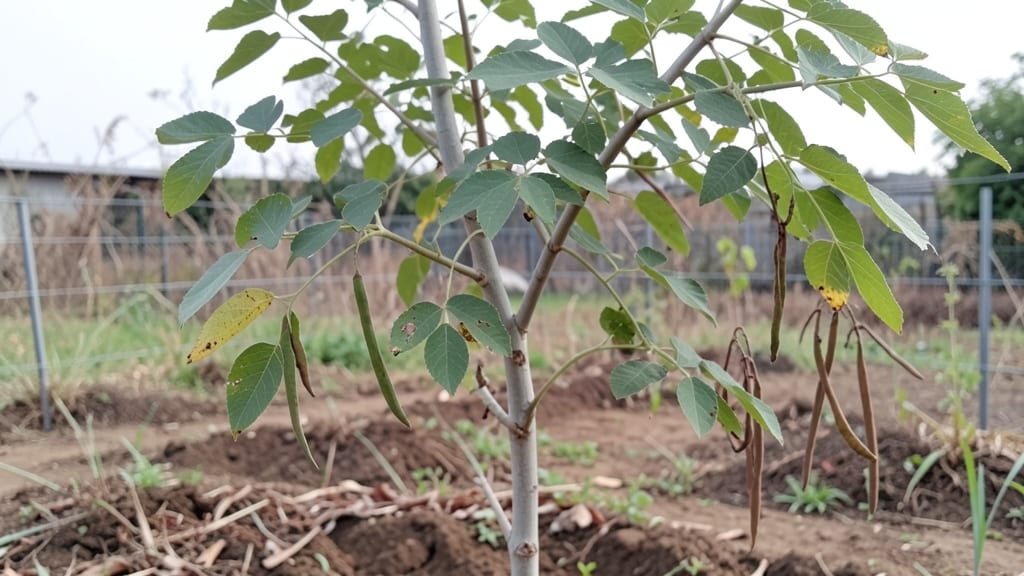
The identification of a moringa tree begins with those unmistakable feather-like leaves—so intricate they seem crafted by a botanist with a flair for perfection. 🌿 I’ve spent years growing Moringa oleifera, and the first thing that catches my eye... every spring is how the leaves grow in pairs along the stems—long, slender, and almost fern-like.
This isn’t just a pretty quirk; it’s your first clue that this isn’t just another fast-growing tree.
The seed pods are where things get really interesting. Young pods are green and twist like tiny corkscrews, while mature ones turn brown and split open to reveal seeds that look like tiny, flat beans.
If you’ve ever seen a tree with pods that look like they’re playing a game of hide-and-seek with their seeds, that’s your moringa. And here’s the kicker—these pods grow directly from the trunk and branches, not just the ends, which sets them apart from lookalikes like the drumstick tree.
Once you spot those leaves and pods, you’ll notice the tree’s fast growth—it can shoot up 6-10 feet in a single season if conditions are right. The bark starts smooth and gray but develops shallow grooves as it matures, giving it a textured look that’s easy to remember.
Misidentifying moringa often happens because people confuse it with other tropical trees, but those extra details—like the leaf arrangement and pod shape—make it unmistakable once you know what to look for.
Why does this matter? Because proper identification means you’ll know exactly how to harvest leaves for nutrition, prune for shape, or even spot pests early. A misidentified tree could mean wasted effort—or worse, accidentally introducing an invasive species to your garden.
Let’s break down the rest so you can spot yours with confidence.
Mistakes in Moringa Tree Identification
Identifying a moringa tree can be tricky, especially if you’re new to botany or unfamiliar with its distinct features. Misidentification often happens due to a mix of natural variations, environmental factors, and human error.
Below, we break down the most common reasons why people struggle to correctly recognize a moringa tree—and how to avoid these pitfalls.
The moringa tree (Moringa oleifera) is famous for its unique, fern-like leaves, but these can be easily confused with other fast-growing tropical plants. Here’s why:
- 🔍 Variations in Leaf Shape: Young moringa leaves are deeply lobed and feathery, while mature leaves may appear more elongated or less divided. If you’re only examining a single leaf, you might miss the classic "ferns-on-a-stem" pattern.
- 🌱 Seasonal Changes: During dry seasons, moringa leaves may shrink or curl, making them look less distinct. Conversely, in wet conditions, they can grow broader and less segmented.
- 🌳 Comparison with Similar Trees: Trees like the horse tamarind (Leucaena leucocephala) or neem (Azadirachta indica) have compound leaves that can be mistaken for moringa if you’re not paying attention to finer details like leaflet arrangement or vein structure.
💡 Pro Tip: Always examine multiple leaves along a branch—not just one. The moringa’s leaves grow in a pinnate (feather-like) pattern with 3–7 pairs of leaflets, each ending in a pointed tip.
Moringa’s long, slender seed pods are another dead giveaway, but they’re often overlooked or misidentified because they resemble pods from other leguminous trees. Here’s why the mix-up happens:
- 🥜 Size and Shape Variations: Moringa pods can range from 12–36 inches long, depending on the tree’s age and growing conditions. Younger pods are thinner and greener, while mature ones turn brown and woody—making them harder to spot if you’re only familiar with the dried, seed-filled version.
- 🌿 Early Pod Drop: In some climates, moringa pods mature quickly and fall to the ground before they’re fully brown. If you’re identifying a tree in its early fruiting stage, you might miss the pods entirely.
- 🌳 Similar-Looking Pods: Trees like the drumstick tree (another name for moringa) or even carob trees (Ceratonia siliqua) can have elongated pods that might fool the untrained eye. The key difference? Moringa pods have a three-winged structure when split open, while others are smooth or segmented differently.
💡 Pro Tip: Look for triangular, papery wings inside the pod when it’s dry. This is a signature trait of Moringa oleifera and sets it apart from lookalikes.
Moringa trees thrive in tropical and subtropical climates, but their appearance can shift based on where they’re grown. These environmental factors often lead to misidentification:
- 🌞 Sunlight Exposure: Trees grown in full sun develop denser, darker green foliage, while those in partial shade may have lighter, broader leaves. This can make them look like a different species entirely.
- 💧 Water Availability: Drought-stressed moringa trees may produce smaller leaves and fewer pods, making them harder to recognize. In contrast, well-watered trees grow lush and abundant.
- 🌍 Regional Varieties: Some moringa cultivars (like Moringa stenopetala in East Africa) have slightly different leaf shapes or pod sizes. If you’re unfamiliar with local variations, you might dismiss a moringa tree as something else.
💡 Pro Tip: When in doubt, check the bark and branch structure. Moringa trees have a light gray, smooth bark that develops shallow grooves as they age—a trait few imposters share.
The biggest mistake? Assuming a single trait (like leaf shape or pod color) is enough for identification. Moringa trees have a combination of features that must be considered together:
- ❌ Focusing Only on Leaves: Some people see the feathery leaves and think it’s a fern or another ornamental plant. But moringa leaves are alternate (not whorled like some ferns) and grow directly from the stem.
- ❌ Ignoring the Bark or Flowers: Moringa flowers are small, fragrant, and white—often overlooked unless you’re looking closely. The tree’s bark texture and branch angles also play a role in accurate ID.
- ❌ Seasonal Blind Spots: If you visit a moringa tree outside its flowering or pod-bearing season, you might miss critical clues. Always observe multiple parts of the tree at different times of year.
💡 Pro Tip: Use the "Three-Part Check" for moringa ID:
- Leaves: Pinnate, feathery, with 3–7 pairs of leaflets.
- Pods: Long, slender, with triangular wings when dry.
- Bark: Smooth, gray, and slightly grooved with age.
By understanding these common pitfalls, you’ll sharpen your ability to spot a moringa tree—even when it’s not putting on its most obvious features. Next time you’re in the field, take a closer look at the details, not just the big picture!
Quick Fixes for Moringa Tree Confusion
Got tangled up in misidentifying your moringa tree? Don’t worry—here’s how to clear the confusion with practical, step-by-step fixes. Whether you’re dealing with leaf shape mix-ups, seed pod mistakes, or general plant puzzles, these solutions will help you spot the real deal in no time.
Cause: Moringa leaves resemble other fast-growing trees (like Drumstick or Horse Gram), leading to confusion. Fix:
- 🌿 Compare Leaf Structure: Moringa leaves are fern-like with 3-7 leaflets, while Drumstick leaves are longer and more elongated (5-11 leaflets). Use a magnifying glass for close inspection.
- 🌱 Check the Stem: Moringa stems are hairy and green, while Drumstick stems are smooth and woody. Run your fingers along the stem for texture clues.
- 📸 Snap a Photo: Compare your plant’s leaves with online moringa leaf galleries (like this one) for side-by-side verification.
Prevention Tip: 💡 Grow a reference plant. If you’re new to moringa, plant a certified sapling from a nursery to compare against wild candidates.
Cause: Moringa seed pods resemble those of Neem or Bamboo in early stages, causing misidentification. Fix:
- 🌱 Observe Pod Shape: True moringa pods are long (10-30 cm), cylindrical, and slightly curved, while Neem pods are shorter and triangular. Measure with a ruler for accuracy.
- 🌱 Check Pod Texture: Moringa pods have a slightly fuzzy surface when young, turning smooth as they mature. Neem pods are smooth and hard from the start.
- 🌱 Test the Seed: Split open a pod—moringa seeds are flat and papery, while other tree seeds (like Acacia) are round and hard.
Prevention Tip: ✨ Harvest at the right time. Moringa pods are best picked when green and slightly soft (before they turn brown). Overripe pods lose nutritional value.
Cause: Young moringa trees can be mistaken for Mulberry or Silk Cotton due to similar early growth patterns. Fix:
- 🌱 Look for Tri-Forked Branches: Moringa saplings often sprout in a Y-shaped or tri-forked pattern—a key trait absent in other trees.
- 🌱 Examine Bark Texture: Young moringa bark is light green with fine hairs, while Mulberry bark is smooth and brown.
- 🌱 Smell the Leaves: Crush a leaf—moringa has a mild, earthy scent, whereas Mulberry leaves smell slightly sweet or bitter.
Prevention Tip: 🎯 Plant in controlled conditions. If growing moringa from seed, start indoors in pots to monitor early growth before transplanting.
| Mistake | Why It Happens | Quick Fix |
|---|---|---|
| Ignoring leaf arrangement | Leaflets can overlap or hide. | Count leaflets (moringa: 3-7). |
| Confusing pods with beans | Early pods resemble other legumes. | Check pod length (moringa: >10 cm). |
| Over-relying on color | Leaves change with seasons. | Use texture + shape as backup. |
| Skipping root inspection | Roots can reveal the species. | Dig gently—moringa roots are fibrous and white. |
Final Pro Tip: 🌿 When in doubt, consult a local botanist or agricultural extension office. They often have moringa samples or can verify your plant via photos. With these fixes, you’ll be identifying moringa trees like a pro in no time!
Frequently asked questions
How can I tell if a young moringa tree is different from a mature one?
Young moringa trees have hairy stems and smaller, more deeply lobed leaves that resemble ferns. As they mature, the leaves grow longer and less segmented, while the bark develops shallow grooves. Another clue: young trees often sprout in a Y-shaped or tri-forked pattern from the base.
What’s the easiest way to distinguish moringa pods from other tree pods?
Look for long, slender pods (10-30 cm) with triangular, papery wings when dry. Young pods are green and fuzzy, while mature ones turn brown and split open to reveal flat, bean-like seeds. Unlike neem or carob pods, moringa pods grow directly from the trunk and branches, not just the ends.
Can I identify moringa by its scent alone?
Yes! Crush a leaf—moringa has a mild, earthy aroma, while similar trees like mulberry smell slightly sweet or bitter. The scent is most noticeable in fresh leaves, especially when young. This trick works best when combined with visual checks like leaf shape and bark texture.
What’s the most common mistake when identifying moringa?
Focusing only on leaf shape without checking other traits. Many confuse moringa with drumstick trees or ferns because of the feathery leaves, but moringa’s alternate leaf arrangement (not whorled) and triangular pod wings are key differentiators. Always examine multiple parts of the tree!
How do I verify my plant is moringa if I only have a photo?
Check for these three key traits: pinnate leaves with 3-7 pairs of leaflets, long pods with winged seeds, and light gray, grooved bark. Compare your photo with verified moringa images from botanical databases or local agricultural extensions. Avoid relying on color alone—focus on structure and texture!