
Trees
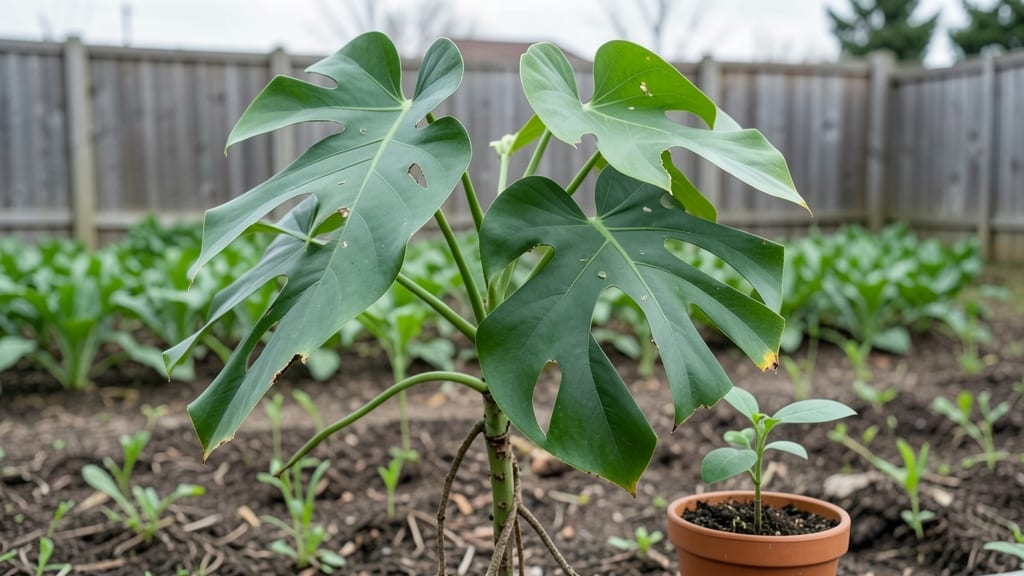
Transforming your yard into a lush tropical paradise starts with the right tropical tree types—like mango, palm, or avocado—that thrive in warm climates and bring year-round shade and privacy. 🌿 I’ve planted everything from towering coconut palms to delicate frangipani, and the key to success is matching your local climate to the tree’s needs.
Some handle drought like champs, while others crave humidity and struggle in dry heat.
The best tropical trees grow 10–30 feet tall and adapt to containers or large landscapes, depending on the variety. Mango trees need full sun and warm winters, while palms like the Areca or Kentia tolerate lower light and cooler temps.
Avocado trees, though frost-sensitive, reward patience with edible fruit and glossy leaves that shade your patio beautifully.
You’ll love the way these trees turn a plain yard into a vibrant escape—imagine morning coffee under a canopy of frangipani blooms or kids playing in the dappled shade of a towering coconut palm.
The trade-off? A little extra care for frost-sensitive species, but the payoff in lush foliage and exotic vibes is worth it.
Whether you’re in USDA Zones 9–11 or pushing the limits in Zone 8, I’ll help you pick the perfect match for your space and climate. Let’s get growing!
📚 In This Guide
- What you need
- Instructions
- Tips and common mistakes
- Wrapping up and next steps
What you need
- ● Tropical tree seedlings or saplings: 3–5 mature-sized plants (depending on desired coverage). Look for varieties like Albizia lebbeck (Silk Tree), Delonix regia (Flamboyant Tree), or Tabebuia rosea (Pink Trumpet Tree).
- ● High-quality potting soil or tropical blend: 5–10 bags (sterilized, well-draining, and rich in organic matter). Avoid regular garden soil—tropical trees need airy, moisture-retentive mixes!
- ● Organic mulch: 2–3 cubic yards (e.g., wood chips or pine straw) to retain moisture and regulate soil temperature.
- ● Fertilizer: Slow-release granular fertilizer (e.g., 10-10-10 NPK): 1–2 lbs per tree.
- ○ Citrus or tropical plant-specific fertilizer (optional but helpful for fast growth).
- ● Drip irrigation system or soaker hoses: 50–100 ft (adjust based on tree spacing). Tropical trees love consistent hydration!
- ● Pruning tools: Bypass pruners (for small branches).
- ● Loppers (for thicker branches).
- ● Hand saw (for larger cuts).
- ● Gloves and long sleeves: Protective gear to avoid thorns (e.g., Acacia or Mimosa varieties).
- ● Epsom salt: 1 lb (magnesium boost for vibrant foliage).
- ● Tree stakes and ties: 3–5 stakes per tree (for young, top-heavy species like Ceiba pentandra).
- ● Pest control: Neem oil or insecticidal soap (preventative measure for aphids or scale).
- ● Shade cloth: 30–50% coverage (for seedlings in hot climates).
- ● Decorative elements: Solar-powered lights or wind chimes to enhance your tropical oasis!
How to select and plant tropical trees for privacy and shade
Here’s how to choose and establish tropical trees that thrive year-round, offering both lush privacy and cooling shade.
🌿 Step 1: Choose Fast-Growing, Low-Maintenance Varieties
Start with tropical trees known for rapid growth and resilience. My top picks for privacy and shade include Mango (Mangifera indica), Avocado (Persea americana), Monstera deliciosa (Swiss Cheese Plant), and Pandanus (Screw Pine). These varieties tolerate humidity well and grow quickly—Mango and Avocado can reach 15-20 feet in 3-5 years, while Monstera climbs aggressively if given support.
Check your USDA Hardiness Zone—most tropical trees thrive in Zones 10-12. If you’re in a cooler climate, opt for container-grown varieties like Citrus (Orange or Lime) or Olive Trees, which can be moved indoors during winter. Avoid slow growers like Ficus elastica (Rubber Plant) if privacy is your goal.
☀️ Step 2: Plant in Well-Draining, Fertile Soil
Tropical trees hate soggy roots, so amend your soil with 3-4 inches of compost and 1 part perlite or sand to improve drainage. Dig a hole twice as wide as the root ball but only as deep—planting too deep suffocates roots. Gently loosen the root ball if it’s tightly bound, then place the tree in the hole and backfill with native soil mixed with compost.
Water deeply right after planting to settle the soil, then let it dry slightly before watering again. Tropical trees need consistent moisture, but their roots must breathe—water when the top 2 inches of soil feel dry. Mulch with 2-3 inches of organic mulch (like wood chips) to retain moisture and regulate soil temperature.
🪴 Step 3: Position for Sunlight and Wind Protection
Most tropical trees need full sun (6+ hours daily), but Monstera and Pandanus tolerate partial shade. Place them where they’ll get morning sun and afternoon shade if your climate is very hot. Avoid exposed areas—strong winds can damage young leaves, so plant near a fence or wall for windbreak.
If planting near a house, leave at least 10-15 feet of clearance—roots spread wider than the canopy. For container-grown trees, use pots 12+ inches deep with drainage holes and move them to a sheltered spot during storms. A south or west-facing location works best for maximum growth.
💧 Step 4: Fertilize and Prune for Healthy Growth
Feed tropical trees with a balanced, slow-release fertilizer (10-10-10) every 3-4 months during growing season (spring through fall). Water the soil first to prevent root burn. Young trees benefit from monthly liquid fertilizer (like fish emulsion) for extra nutrients. Watch for yellowing leaves—this signals overwatering or nutrient deficiency.
Prune lightly to shape the tree and encourage bushiness. Remove dead or crossing branches in early spring, and trim back leggy growth to promote denser foliage. For Monstera, prune vines that outgrow their support to redirect energy into leaf production. Always sterilize pruners with rubbing alcohol to prevent disease.
⏰ Step 5: Monitor for Pests and Seasonal Care
Tropical trees attract scale insects, spider mites, and aphids. Spray leaves with neem oil weekly if you spot pests—it’s organic and effective. Citrus trees are prone to root rot, so ensure drainage is excellent. In winter, reduce watering slightly unless you’re in a tropical climate, where trees stay active year-round.
If growing in containers, repot every 2-3 years into a slightly larger pot. Tropical trees love space—root-bound trees grow slower and drop leaves. Keep an eye on leaf color: dark green means healthy; pale or spotted leaves mean adjust water or light. With proper care, your tropical trees will provide year-round privacy and shade in just a few seasons.
Tips & tricks for perfect tropical tree planting
These simple tricks will help you establish tropical trees that grow faster and provide that lush privacy you're dreaming of.
Variety Matters: When selecting your tropical trees, consider their mature size and growth rate. Mango and avocado trees grow to 15-20 feet in just 3-5 years, making them excellent privacy screens. For faster vertical growth, choose Monstera deliciosa—it climbs aggressively if given a trellis or sturdy support. If you're in a cooler climate, container-grown citrus trees like oranges or limes can be moved indoors during winter, extending their growing season.
Soil Preparation: The key to healthy tropical trees is well-draining soil. Don't skip the 3-4 inches of compost and 1 part perlite or sand when amending your soil. I've learned the hard way that soggy roots lead to root rot—always dig a hole twice as wide as the root ball but only as deep. This prevents suffocating the roots while allowing room for expansion. Remember to loosen tightly bound root balls before planting.
Watering Wisdom: Tropical trees need consistent moisture, but their roots must breathe. After planting, water deeply to settle the soil, then let it dry slightly before watering again. The top 2 inches of soil should feel dry before you water—this prevents both underwatering and overwatering. Adding 2-3 inches of organic mulch helps retain moisture and regulates soil temperature, reducing the frequency of watering needed.
Sunlight Strategy: Most tropical trees thrive in full sun (6+ hours daily), but Monstera and Pandanus tolerate partial shade. If your climate is very hot, position your trees to get morning sun and afternoon shade. This balance prevents leaf scorch while still promoting healthy growth. For container-grown trees, a south or west-facing location works best to maximize sunlight exposure.
Pro Tips for Tropical Tree Types
- These simple tricks will help you establish tropical trees that grow faster and provide that lush privacy you're dreaming of.
- Variety Matters: When selecting your tropical trees, consider their mature size and growth rate.
- Soil Preparation: The key to healthy tropical trees is well-draining soil.
Frequently asked questions
Got questions about tropical trees? You’re not alone! Here are some of the most common queries—and their answers—to help you choose the perfect shade and privacy solution for your space.
What are the fastest-growing tropical trees for quick privacy?
If you need fast results, opt for Leucaena leucocephala (Leucaena) or Albizia lebbeck (Silk Tree). Both grow 3–6 feet per year and thrive in warm climates. For smaller spaces, Schefflera actinophylla (Umbrella Tree) is a compact but rapid grower.
How much water do tropical trees really need?
Most tropical trees prefer consistent moisture but avoid soggy soil. Water deeply 1–2 times per week during dry spells, and more in extreme heat. Mulch around the base to retain humidity—just don’t overdo it—as some varieties (like Ficus elastica) can rot in waterlogged conditions.
Can tropical trees survive in cooler climates?
Most tropical trees won’t tolerate frost, but a few hardy options like Musa basjoo (Hardy Banana) or Cordyline australis (Cabbage Palm) can handle brief dips below freezing. For colder areas, consider container-grown tropicals and bring them indoors during winter.
Are there low-maintenance tropical trees for beginners?
Start with Dracaena marginata (Dragon Tree) or Ficus benjamina (Weeping Fig)—both are drought-tolerant and adaptable. Hibiscus rosa-sinensis is also beginner-friendly if you’re okay with occasional pruning to encourage blooms.
Why is my tropical tree dropping leaves?
Leaf drop is usually a sign of stress—check for underwatering, overwatering, or sudden temperature changes. Move your tree to indirect light if it’s sunburned, and ensure proper drainage. Fertilize lightly (once every 2–3 months) to avoid nutrient shock.
Wrapping up and next steps
From the towering majesty of the Mahogany to the vibrant blooms of the Frangipani, tropical trees bring unmatched beauty, shade, and privacy to any landscape. Whether you’re dreaming of a lush, year-round green escape or simply love exotic foliage, these varieties offer endless possibilities for your outdoor space. 🌿
Ready to transform your garden? Start by researching the best tropical trees for your climate and soil, then take the first step—plant a seedling or sapling today! With the right care, you’ll soon enjoy the serene, sun-drenched haven you’ve always wanted.