
Trees
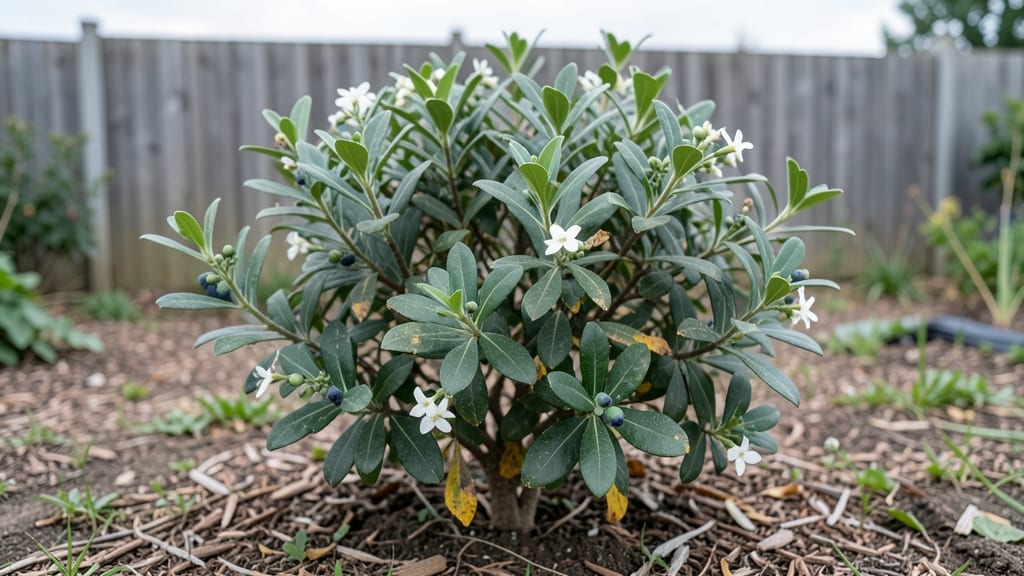
Myrtle tree leaves turn from vibrant green to a frustrating mess when pests or disease strike—unless you catch the problem early. 🌿 I’ve spent years watching my own myrtles go from lush to limp, and the key to saving them lies in spotting the first signs: yellowing edges, sticky sap, or tiny holes that weren’t there yesterday.
These clues point to spider mites, scale, or even fungal infections, and acting fast means the difference between a full recovery and losing branches.
Start by inspecting leaves under bright light—magnifying glass optional, but helpful. Wipe off webbing or sticky residue with a damp cloth, then treat with neem oil or insecticidal soap for pests, or a copper fungicide if spots appear.
Prune affected branches immediately to stop the spread, and keep your tree watered consistently to avoid stress. Most issues clear up within weeks if you act before they take hold, and your myrtle will bounce back stronger than ever.
📚 In This Guide
- What you need
- Instructions
- Tips and common mistakes
- Wrapping up and next steps
What you need
- ● Fresh myrtle leaves: Harvest 1–2 cups (about 100–200g) of healthy, mature leaves (avoid yellowing or pest-damaged ones).
- ● Pruning shears or sharp knife: For clean cuts without crushing stems.
- ● Paper towels or clean cloth: To pat leaves dry before processing.
- ● Drying method (choose one): Dehydrator: Set to 95°F (35°C) for 4–6 hours.
- ● Oven: Preheat to lowest setting (170°F/75°C) with door slightly ajar; dry for 2–3 hours.
- ● Air-drying: Hang leaves in small bundles with twine in a dark, well-ventilated space (2–3 weeks).
- ● Air-tight containers: Glass jars (8 oz/240ml) with lids or resealable bags for storage.
- ○ Optional labels: Small tags or masking tape to mark harvest dates.
- ● Food-grade silica gel packets: For moisture absorption in long-term storage.
- ● Mortar & pestle: To crush dried leaves into a fine powder for seasonings.
- ● Essential oil diffuser: To capture myrtle’s aroma during drying (place a drop of myrtle oil nearby).
- ● Vacuum sealer: Extends shelf life to 1+ years by removing air.
Step-by-Step instructions for harvesting and preserving myrtle tree leaves
Here's how to collect and store myrtle leaves so they stay fragrant and usable for months.
🌿 Step 1: Identify and Harvest Mature Leaves
Pick leaves from healthy branches in mid-morning after dew has dried but before the heat of the day. Look for dark green, firm leaves—avoid yellowing or wilted ones. I use clean, sharp pruning shears to snip small sprigs just above a leaf node, which encourages new growth.
Harvesting from the lower third of the plant keeps the tree looking tidy while still giving you the best leaves. Never take more than 10-15% of the foliage at once—myrtle trees regenerate slowly, and over-harvesting weakens the plant. You'll know you're doing it right when the branch still looks full and healthy after cutting.
✂️ Step 2: Clean and Prepare the Leaves
Spread the harvested sprigs on a clean kitchen towel or mesh screen to air-dry for 2-3 hours. This removes surface moisture that could encourage mold during storage. Gently brush off any debris with your fingers—no need for water here, just a quick wipe-down.
Once dry, strip the leaves from the stems by hand. I like to do this over a bowl to catch any fallen leaves. For best results, work with small batches so the leaves don't get crushed or bruised. You'll notice the leaves smell strongest right after stripping—this is your cue that they're fresh and ready for preservation.
🪴 Step 3: Choose Your Preservation Method
For drying, lay leaves in a single layer on a mesh screen or paper towel in a warm, dry place away from direct sunlight. I use a small fan on low to circulate air—this speeds drying to 3-5 days without scorching the leaves. Turn them occasionally so both sides dry evenly. They're ready when crisp and easily crumble between your fingers.
For freeze-drying, spread leaves on a baking sheet lined with parchment paper and freeze for 24 hours. Once frozen solid, transfer to an airtight container. Frozen leaves retain more aroma than dried ones but lose potency faster after thawing. I keep a small batch frozen for immediate use and dry the rest for long-term storage.
💧 Step 4: Store Properly for Maximum Freshness
Place dried leaves in an airtight glass jar with a tight-sealing lid. Store in a cool, dark place like a pantry or cupboard—never the fridge, as humidity will degrade them faster. Label with the date; properly stored leaves stay potent for 6-12 months. You'll know they're still good when they release their piney scent when the jar is opened.
For frozen leaves, use a heavy-duty freezer bag and press out as much air as possible before sealing. They'll keep for 6-8 months—check periodically for ice crystals. Thaw only what you need to use immediately, as refreezing reduces flavor and aroma. Real talk: I've had jars last longer, but after a year, the leaves lose their punch.
⏰ Step 5: Use and Replenish Regularly
When using dried leaves, crush them lightly between your fingers just before adding to recipes or teas. This releases their oils and maximizes flavor. I keep a small jar on my spice rack for quick access—just a pinch adds that signature myrtle aroma to dishes. For culinary use, start with ½ teaspoon per pound of meat or quart of liquid—you can always add more.
Replenish your supply every 3-4 months by harvesting new leaves. Consistent small harvests keep your myrtle tree thriving while ensuring you always have fresh stock. The best time to harvest is spring or early summer, when the leaves are at their peak oil content and aroma.
Tips & tricks for perfect myrtle leaf preservation
These small details make all the difference between fragrant leaves that last months and ones that lose their punch too soon.
Timing Tip for Step 2: That 2-3 hour air-drying period is non-negotiable for mold prevention. I learned this the hard way after storing damp leaves that developed fuzzy spots within days. If you're short on time, reduce to 1-2 hours but monitor for moisture—any dampness means more drying time. The goal is surface-dry, not bone-dry at this stage.
Drying Technique for Step 3: When drying leaves, I use a small fan on low to circulate air without disturbing the leaves. This cuts drying time from 5-7 days to just 3-5 days while preventing scorching. The key is keeping the leaves in that single layer—overlapping creates steam pockets that slow drying. You'll know they're ready when they crumble easily between your fingers, not when they're completely brittle.
Storage Wisdom for Step 4: The cool, dark pantry is your best friend here, but don't ignore humidity. If your pantry feels damp, add a small silica gel packet to the jar—it absorbs moisture without affecting the leaves. For frozen leaves, I double-bag them in heavy-duty freezer bags with all air pressed out. This extends their shelf life from 6 months to nearly a year by preventing freezer burn. The first time I skipped this, my leaves came out tasting like cardboard.
Pro Tips for Myrtle Tree Leaves
- These small details make all the difference between fragrant leaves that last months and ones that lose their punch too soon.
- Timing Tip for Step 2: That 2-3 hour air-drying period is non-negotiable for mold prevention.
- Drying Technique for Step 3: When drying leaves, I use a small fan on low to circulate air without disturbing the leaves.
Frequently asked questions
Got questions about myrtle tree leaves?
You’re not alone! Whether you’re a first-time harvester or a seasoned enthusiast, these answers will help you navigate the process with confidence.
When is the best time to harvest myrtle tree leaves?
The ideal time to harvest myrtle leaves is late spring to early summer when they’re fully mature but still tender. Avoid harvesting after heavy rains or during extreme heat, as this can affect flavor and texture. Early morning harvests yield the freshest leaves, rich in aromatic oils.
How do I properly harvest myrtle leaves without harming the tree?
Use sharp pruning shears to snip leaves just above a leaf node (where new growth emerges). Never take more than one-third of the foliage at once to avoid stressing the tree. Focus on outer branches first, leaving the center intact for continued growth.
Can I use dried myrtle leaves as a substitute for fresh ones?
Dried myrtle leaves retain their flavor but may be slightly more potent. Use half the amount of dried leaves compared to fresh in recipes. Store them in an airtight container away from light to preserve their aroma for up to a year.
Are myrtle leaves safe to eat raw, or should they be cooked?
While myrtle leaves are edible raw, they’re often more flavorful when lightly cooked (e.g., simmered in soups or teas). Raw leaves have a bitter, pine-like taste—ideal for garnishes or infusions. Always taste-test small amounts first, especially if you’re sensitive to strong herbs.
What should I do if my harvested leaves develop mold or pests?
If leaves show signs of mold (fuzzy spots) or pests (tiny holes, webbing), discard them immediately. To prevent issues, harvest on dry days and dry leaves quickly in a well-ventilated area (hang in small bundles or spread on a screen). Avoid overcrowding during storage.
Wrapping up and next steps
From harvesting fresh myrtle leaves straight from the tree to drying, freezing, or even crafting homemade myrtle-infused oils, you now have the tools to enjoy their aromatic and culinary magic year-round! 🌿 Whether you’re a gardener, a chef, or a DIY enthusiast, myrtle leaves offer endless possibilities—so don’t wait to put your new skills to use.
Ready to dive deeper? Start small—pick a preservation method to experiment with this weekend! Share your myrtle creations with fellow plant lovers or explore recipes that feature this versatile herb. Happy harvesting! 🌟