
Trees
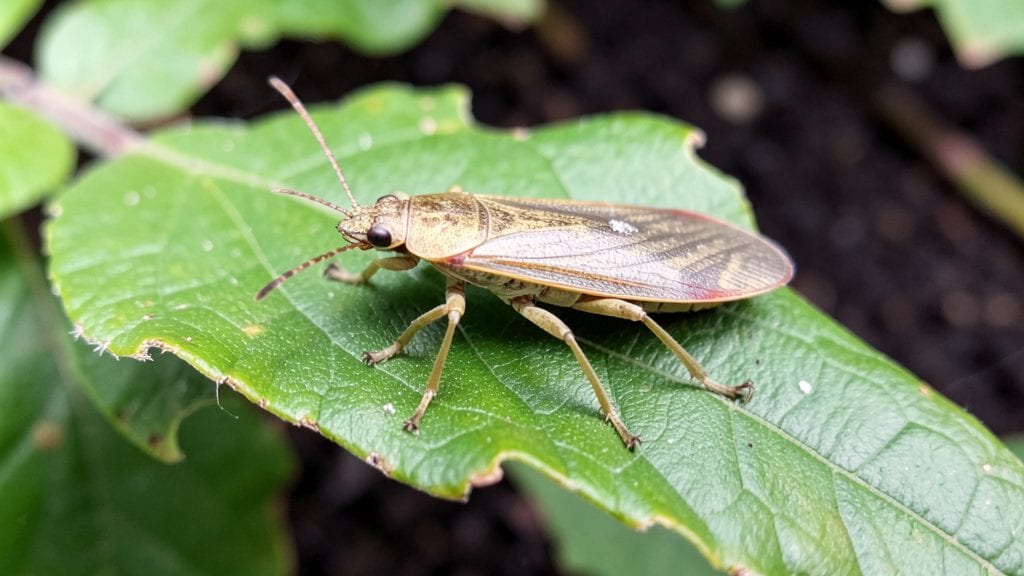
Dealing with oak tree bugs can turn your 🌳 majestic oak into a pest magnet if you don’t act fast.
Oak trees are majestic and long-lived, but they’re also a magnet for pests that can weaken their health—or even kill them if left untreated. From tiny aphids to destructive borers, identifying oak tree bugs early is the key to saving your tree before damage becomes irreversible.
If you’ve noticed wilting leaves, sawdust-like frass, or sticky honeydew on your oak, you’re not alone. These signs often mean an infestation is already underway, and without quick action, the pests can spread fast.
In this guide, I’ll walk you through the most common oak tree bugs, how to spot them, and the best ways to treat and prevent them—so your tree stays strong and healthy for decades to come.
12 Most common oak tree bugs and how to spot them
Oak trees are a staple in many landscapes, but their thick leaves and sturdy branches make them prime targets for a variety of pests. Knowing how to identify these oak tree bugs early can save your tree from severe damage.
Look for signs like chewed leaves, sticky honeydew, or sawdust-like frass—these are red flags that your oak is under attack. Some pests, like gypsy moths, can defoliate an entire tree in weeks, while others, such as scale insects, slowly drain nutrients over time.
Many of these pests thrive in warm, dry conditions, so monitoring your oak during late spring and summer is critical. Early detection often means the difference between a quick treatment and a full-blown infestation.
Below, we’ll cover the most common oak tree bugs, their telltale signs, and how to confirm their presence before damage spreads.
🌳
One of the first steps in identifying oak tree bugs is examining the leaves and bark closely. For example, gypsy moth caterpillars leave behind white, hairy larvae and completely stripped branches, while scale insects create a sticky residue called honeydew that drips onto the ground below.
If you notice black sooty mold growing on the honeydew, this is a clear sign of a scale infestation.
Another key indicator is the presence of frass, which looks like sawdust and often collects near borer holes in the bark. The two-lined chestnut borer, for instance, creates
Natural and chemical treatments for oak tree bug infestations
When oak tree bugs strike, your first instinct might be to reach for the strongest chemical spray—but that’s not always the best choice. Mild infestations often respond well to natural treatments, while severe cases may require chemical intervention.
The key is matching the treatment to the pest type and damage level to protect both your tree and the environment.
Before treating, assess the severity of the infestation. A few aphids on new leaves? A horticultural soap spray may suffice.
But if you spot borer holes or wilting branches, you’ll need a stronger approach. Neem oil and beneficial nematodes work for soft-bodied pests, while systemic insecticides penetrate wood to tackle borers and grubs.
Natural Treatments for Oak Tree Bugs
Pros
- Safe for environment: No toxic residues
- Non-toxic to pets: Gentle on soil and wildlife
- Cost-effective: Household items or garden store basics
- Prevents resistance: Rotates pest vulnerabilities
Cons
- Slower action: Requires repeated applications
- Limited to soft pests: Ineffective for borers or grubs
- Weather-dependent: Rain washes away treatments
Chemical Treatments for Oak Tree Bugs
Pros
- Fast-acting: Stops infestations quickly
- Targets deep pests: Effective for borers and grubs
- Long-lasting: Systemic options persist in tree
Cons
- Toxic to pets/wildlife: Requires caution
- Environmental risk: Can harm beneficial insects
- Regulatory limits: Some require professional application
For natural treatments, start with a neem oil spray (1 tsp per quart of water) applied in the early morning to avoid harming bees.
Reapply every 7-10 days until pests disappear. Horticultural soap (2.5 tbsp per gallon) works well for aphids and mites, but avoid using it on hot days to prevent leaf burn.
When natural methods fail, consider systemic insecticides like imidacloprid for borers or carbaryl for caterpillars. Always follow label instructions and wear protective gear. For young trees, a soil drench with beneficial nematodes can target grubs without harming the foliage.
Monitor your tree’s response after treatment. If pests return within 2-4 weeks, the infestation may be more severe than initially thought. In such cases, consult a certified arborist to assess whether professional-grade chemicals or mechanical removal (like pruning infested branches) is needed.
Remember, prevention is easier than cure. After treating, focus on tree health—water deeply, mulch properly, and prune to improve airflow. A healthy oak tree is far less attractive to pests than a stressed one. 🌳