
Diseases
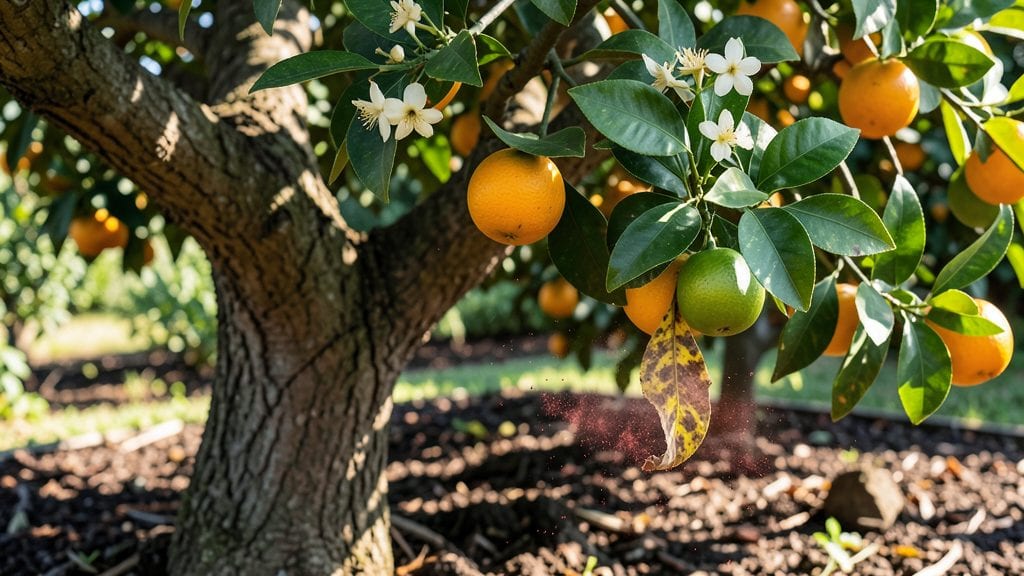
Identifying orange tree diseases early—like the telltale signs in these orange tree diseases images—can save your harvest before they ruin your tree. 🌱 I’ve seen citrus canker turn vibrant leaves into crinkled, oily messes overnight—and the first sign is often a tiny, water-soaked spot that looks like a raindrop.
That’s why I created this visual guide: to help you catch problems before they spread.
The most common culprits—citrus greening, root rot, and fungal infections—each leave distinct clues if you know where to look. Greening disease, for example, starts with blotchy yellow leaves and stunted fruit that never ripens, while root rot shows up as wilting even when the soil’s damp.
These diseases don’t just weaken trees; they can kill them in as little as a season if ignored.
With the right images and a quick checklist, you’ll learn to spot symptoms faster than I did after losing my first Meyer lemon tree. We’ll cover what causes each disease, how to confirm your diagnosis, and the first steps to stop it—so your tree stays healthy and productive.
Let’s get started with the visual guide that’ll change how you inspect your citrus.
This isn’t just about identifying problems—it’s about giving your orange tree the best shot at recovery. Whether you’re dealing with a backyard citrus grove or a single potted tree, these visual tools will help you act before the damage becomes permanent.
Think of it as your early-warning system for citrus health.
Root Causes of Orange Tree Ailments
Orange trees, like all plants, are susceptible to diseases due to a mix of biological, environmental, and human-related factors. Understanding these causes helps you take proactive steps to protect your citrus grove.
Below, we break down the why behind the most common orange tree diseases—so you can prevent them before they strike.
Diseases often start with microscopic invaders that exploit weak spots in your tree’s defenses.
- Fungal infections (e.g., Phytophthora root rot, citrus scab) thrive in moist, warm conditions. Fungi spread via spores carried by wind, water, or contaminated tools.
Overhead irrigation or poor drainage creates the perfect breeding ground, allowing fungal hyphae to penetrate leaves, bark, or roots. - Bacterial diseases (like citrus canker) enter through wounds—think pruning cuts, hail damage, or even insect bites.
Once inside, bacteria multiply rapidly, clogging plant tissues and triggering oozing lesions or leaf spots. - Viruses (such as tristeza virus) are sneaky hitchhikers, often spread by infected grafting material or sap-sucking insects like aphids. They hijack the tree’s cellular machinery, stunting growth or causing dieback.
💡 Pro Tip: Sanitize pruning tools with 70% isopropyl alcohol between cuts to prevent bacterial spread. Avoid overhead watering to limit fungal spores.
Extreme or inconsistent conditions weaken orange trees, making them vulnerable to disease.
- Temperature swings (freezing nights or scorching days) shock the tree’s metabolism. Cold stress can kill bark cells, creating entry points for pathogens.
Meanwhile, heat stress (above 90°F/32°C) reduces photosynthesis, leaving the tree energy-depleted and prone to fungal infections like melanose. - Poor drainage or overwatering drowns roots, starving them of oxygen and inviting root rot (Phytophthora species).
Conversely, drought stress weakens the tree’s immune response, making it an easy target for pests and diseases. - High humidity (above 80%) creates a damp, sticky environment where fungal spores germinate quickly. Citrus trees in shaded or poorly ventilated areas are especially at risk for anthracnose or brown rot.
🌡️ Actionable Fix: Mulch with wood chips to regulate soil temperature and moisture. Ensure proper drainage with raised beds or sand amendments if your soil is clay-heavy.
Mistakes in care—from soil management to pruning—can turn a healthy orange tree into a disease magnet.
- Improper pruning removes protective bark layers, inviting bacterial infections like citrus bacterial spot. Always use clean, sharp tools and prune during the dormant season (late winter). - Over-fertilizing with nitrogen promotes lush, tender growth that’s susceptible to pests and fungal diseases.
A balanced NPK ratio (e.g., 6-6-6) supports resilience without overfeeding. - Using contaminated soil or compost introduces pathogens directly to the roots.
Always sterilize soil with heat or solarization before planting, and avoid compost from unknown sources. - Ignoring pest control lets insects like citrus leaf miners or scale weaken the tree. Their damage creates wounds where diseases like greasy spot can take hold.
✨ Expert Hack: Test your soil every 2–3 years to adjust pH (ideal: 6.0–7.0) and nutrient levels. Acidic soil (below 5.5) encourages fungal growth.
Some diseases don’t just happen—they’re delivered by insects acting as disease couriers.
- Aphids, whiteflies, and psyllids feed on sap and excrete honeydew, a sugary residue that fosters sooty mold (a black fungal growth). They also transmit viruses like citrus variegated chlorosis. - Citrus leaf miners (larvae of Phyllocnistis citrella) burrow into leaves, creating wounds where bacterial canker can enter.
Their frass (poop) further clogs stomata, reducing the tree’s ability to fight off pathogens. - Scale insects pierce bark and phloem, weakening the tree and leaving it open to fungal infections like melanose or stem-end rot.
🔥 Prevention Tip: Introduce beneficial insects (ladybugs, lacewings) or use neem oil sprays to control pests before they become a problem.
📊 Key Takeaway: Most orange tree diseases are opportunistic—they exploit stress, poor practices, or environmental conditions. By addressing these root causes, you can dramatically reduce outbreaks and keep your trees thriving. 🍊💪
Quick Fixes for Common Orange Tree Ailments
Reviving your orange tree starts with identifying the problem—and acting fast! Below are practical, step-by-step solutions for the most common diseases, along with prevention tips to keep your citrus thriving.
Whether it’s fungal infections, bacterial blights, or pest-related damage, these fixes are designed to be easy to follow and highly effective when applied early.
Fungal infections like citrus scab, anthracnose, or root rot thrive in damp conditions. Here’s how to treat and prevent them:
🔥 Treat Citrus Scab & Anthracnose
- Prune Infected Branches 🪓
- Use sterilized pruners (wipe with rubbing alcohol) to cut off yellowing, spotted, or mushy leaves/fruit.
- Dispose of clippings in the trash (not compost)—do not leave them near the tree.
- Apply Fungicide 🛡️
- Spray with a copper-based fungicide (like Copper Soap or Cheshunt Compound) every 7–14 days during wet seasons.
- For organic options, mix 1 tsp baking soda + 1 quart water + a few drops of dish soap (reapply weekly).
- Improve Airflow & Drainage 💨
- Thin out dense foliage to reduce humidity around the tree.
- Ensure the soil has good drainage—amend heavy clay with compost or perlite.
🌡️ Fix Root Rot (Overwatering’s Silent Killer)
- Stop Watering Immediately ⏰
- Let the soil dry out completely before watering again. Stick your finger 2–3 inches deep—if it’s soggy, wait.
- Repot or Loosen Compacted Soil 🏗️
- If potted, repot in fresh, well-draining soil (use a mix of potting soil + sand/perlite).
- For in-ground trees, aerate the soil with a garden fork to improve oxygen flow.
- Fungicide Soil Drench 💧
- Mix 1 tbsp hydrogen peroxide (3%) per gallon of water and pour it around the roots.
- Repeat once a week for 3 weeks.
💡 Prevention Tip: Water deeply but infrequently—orange trees prefer dry feet! Mulch with wood chips to retain moisture without suffocating roots.
Bacterial infections like citrus bacterial spot or canker spread quickly. Isolate infected trees and act aggressively:
🍳 Treat Bacterial Spot & Canker
- Remove All Infected Parts 🧹
- Cut out blackened, oozing, or cracked branches with sterilized tools.
- Burn or trash infected debris—do not compost.
- Spray Copper Bactericide 🛡️
- Use copper hydroxide or oxychloride (e.g., Kocide) every 10–14 days during rainy seasons.
- For organic control, spray a mix of 1 tbsp neem oil + 1 tsp soap per gallon of water.
- Sanitize the Tree & Tools 🧼
- Wipe the trunk and branches with a 10% bleach solution (1 part bleach to 9 parts water).
- Sterilize pruners between cuts with rubbing alcohol.
✨ Prevention Tip: Avoid overhead watering—use drip irrigation or water at the base of the tree in the morning.
Pests like aphids, scale, or citrus leaf miners weaken trees, making them susceptible to disease. Here’s how to evict them for good:
👨🍳 Eliminate Aphids & Scale
- Blast Off with Water 💦
- Spray the tree forcefully with water (from a hose) to knock off soft-bodied pests like aphids.
- Neem Oil or Insecticidal Soap 🌿
- Mix 1 tbsp neem oil + 1 tsp mild soap per quart of water and spray every 5–7 days until pests vanish.
- For scale insects, scrape off clusters with a soft brush after spraying.
- Introduce Beneficial Insects 🐞
- Release ladybugs or lacewings (available at garden centers) to naturally control aphids.
🔪 Stop Citrus Leaf Miners
- Handpick Larvae 👆
- Look for white, serpentine tunnels in leaves—pick them off and drop them in soapy water.
- Spinosad Spray 🛡️
- Use organic spinosad (e.g., Captain Jack’s) every 7–10 days until infestation stops.
🎯 Prevention Tip: Inspect new plants before bringing them home—quarantine for 2 weeks to spot hidden pests.
A healthy orange tree resists diseases better. Boost its immunity with these easy maintenance steps:
| Task | How to Do It | When to Do It |
|---|---|---|
| Fertilize | Use citrus-specific fertilizer (high in nitrogen, potassium, and micronutrients). | Spring & early fall |
| Mulch | Apply 2–3 inches of wood chips, keeping mulch 6 inches from the trunk. | Spring (after pruning) |
| Prune for Light | Remove crossing or dense branches to improve airflow. | Late winter/early spring |
| Monitor Soil pH | Test soil—citrus loves pH 6.0–7.0. Amend with lime (if too acidic). | Every 2–3 years |
💡 Pro Tip: Rotate fungicides/pesticides to prevent resistance—never use the same product repeatedly without a break.
Final Reminder: The key to saving your orange tree is early action. The moment you spot unusual spots, wilting, or pests, isolate the tree, prune aggressively, and apply treatments.
With consistent care, your citrus will bounce back stronger—and you’ll be rewarded with juicy, disease-free oranges! 🍊🌟
Frequently asked questions about orange tree diseases
How can I tell if my orange tree has a fungal disease just by looking at it?
Check for dark, velvety spots on leaves (anthracnose) or raised, scabby bumps (citrus scab). Fungal diseases often appear as yellowing, curling leaves or blackened fruit. Root rot shows up as sudden wilting even when soil feels damp—dig carefully to inspect roots for brown, mushy areas.
What’s the difference between citrus greening and regular yellow leaves?
Citrus greening (HLB) causes uneven yellowing where veins stay green, while regular nutrient deficiency turns leaves uniformly pale. The fruit also stays small, hard, and bitter—never ripens properly. Test for greening by checking if leaves have a mottled pattern with green veins.
Can I save my orange tree if it already has root rot?
Early-stage root rot is treatable! Stop watering immediately and repot in fresh, well-draining soil (mix potting soil with perlite). Use a hydrogen peroxide drench (1 tbsp per gallon of water) weekly for 3 weeks. If roots are 90%+ decayed, the tree may not recover—replace it to prevent soil contamination.
Why does my orange tree keep getting bacterial canker even after treatments?
Bacterial canker thrives in warm, wet conditions and spreads through contaminated tools or wind. Always sterilize pruners with rubbing alcohol, avoid overhead watering, and remove all infected branches (don’t compost them!). Rotate copper-based bactericides to prevent resistance.
How do I know if my orange tree’s spots are from disease or just sunburn?
Sunburn spots are dry, papery, and white/brown on leaf edges, while disease spots are often oily, wet-looking, or raised. Check the underside of leaves—disease spots may have fuzzy mold (fungal) or oozing pus (bacterial). Sunburn happens on exposed sides; diseases attack randomly.