
Plants
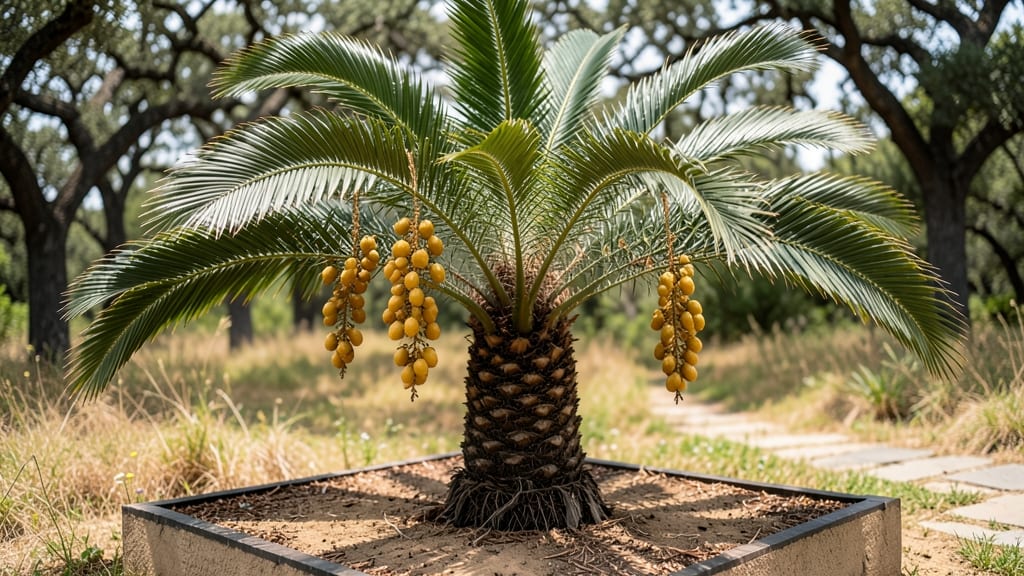
Palm tree fruit identification can transform your backyard’s unknown pods into a rewarding find—or shield you from a dangerous mistake. 🌿 I’ve spent years sorting through palm fruits, from the familiar coconut to the lesser-known pejibaye, and the differences aren’t always obvious until you know what to look for.
A single wrong pick could mean stomach trouble or worse, but recognizing just a few key traits makes the rest straightforward.
The real game-changer is focusing on three simple clues: size, shape, and texture. Coconuts have that iconic fibrous husk and hard shell, while dates are plump and sweet when ripe. Some palms, like the sago, produce inedible berries that look harmless but pack a punch—literally.
Knowing these details means you’ll spot edible varieties in seconds and avoid the ones that should stay on the tree.
By the end of this guide, you’ll confidently match fruits to their palms and know exactly when to harvest. Imagine plucking a perfectly ripe coconut from your own tree—or recognizing the telltale signs of a date palm’s sweet harvest season.
The key is in the details, and once you’ve got them, palm fruits become an exciting part of your garden’s story.
Whether you’re in Florida’s heat or a California coastal climate, these tips work anywhere palms grow. Start with the basics, then expand your collection—your garden (and taste buds) will thank you.
Factors Behind Fruit Confusion
Identifying palm tree fruits can feel like solving a botanical puzzle—especially when similar-looking varieties grow in the same region. But why do these mix-ups happen so often? The answer lies in a mix of natural biology, human perception, and even environmental tricks.
Let’s break down the key reasons behind the confusion, so you can spot the differences like a pro.
Many palm fruits share deceptive similarities in shape, color, or texture, making them hard to distinguish at first glance. For example:
- Color mimicry: Some fruits, like the coconut (white husk) and sapodilla (brown, leathery skin), both start off in earthy tones but mature differently. Without knowing their growth stages, they can look nearly identical.
- Shape deception: The date palm fruit and palmyra palm fruit both grow in clusters, but dates are plump and fleshy, while palmyra fruits are harder and more fibrous—traits that are easy to overlook from a distance.
- Size variations: Even within the same species (e.g., peach palm), fruits can shrink or swell based on soil quality, leading to inconsistent sizing that blurs identification lines.
Pro tip: 🔍 Examine the base and stem—many palms have unique attachment points or leaf scars that reveal their true identity.
When multiple palm species thrive in the same climate—like in tropical regions—their fruits can cross-pollinate or hybridize, creating "in-between" varieties that defy easy classification. Here’s how it plays out:
| Scenario | Example | Why It Confuses |
|---|---|---|
| Native vs. invasive species | Coconut palm (Cocos nucifera) vs. Chinese fan palm (Livistona chinensis) | Both grow in coastal areas, but only coconuts produce edible "fruit" (the seed + husk). The fan palm’s fruit is small, hard, and inedible—easy to mislabel if you’re not familiar with both. |
| Hybrid seeds | Calamansi × lime hybrids | These citrusy palm fruits (like Citrus × latifolia) can resemble key limes or kumquats but have unique genetic markers. Without DNA testing, they’re often lumped into the "exotic citrus" category. |
| Cultural naming chaos | "Palm apple" (Borassus flabellifer) vs. real apples | In some regions, any round, sweet fruit from a palm is called a "palm apple," even if it’s unrelated to the Borassus species. This leads to misleading common names that muddy identification. |
Pro tip: 🌎 Check local botanical databases—many regions have "folk names" that don’t match scientific classifications. For example, the sugar palm (Arenga pinnata) is called "gulung" in Indonesia but "wild date" in Malaysia.
Palm fruits don’t stay the same from bloom to harvest. Their appearance shifts dramatically due to:
- Color shifts:
- The jackfruit (Artocarpus heterophyllus) starts green, turns yellow, then browns—each stage could be mistaken for a different fruit entirely.
- Dates go from red to amber to deep brown as they ripen. An unripe date might look like a palmyra fruit or even a fig.
- Texture transformations:
- Young coconuts have a soft, green husk, while mature ones harden into the iconic brown shell. A novice might confuse a young coconut for a breadfruit (which is entirely different).
- Sapodilla fruits firm up as they ripen, going from squishy to rock-hard—making them feel like a persimmon or mango at different stages.
- Fruit drop timing:
- Some palms (like oil palms) drop fruits prematurely if stressed, leading to shriveled or malformed specimens that don’t match standard guides.
Pro tip: ⏳ Track the fruit’s lifecycle—take photos weekly! Documenting changes in color, size, and smell (e.g., fermented vs. sweet) is the fastest way to nail identification.
Even with perfect specimens, how we learn about palm fruits can create confusion:
- Over-reliance on images:
- Stock photos often show idealized versions of fruits—like perfectly round coconuts or flawless dates—when real-world examples vary wildly.
- Close-up shots might hide key details (e.g., peach palm seeds vs. soursop seeds look identical in some angles).
- Vague descriptions:
- Terms like "small," "round," or "tropical" are useless without context. A 1-inch "small" fruit could be a palm catkin or a mini coconut.
- Taste isn’t always reliable—some bitter palm fruits (like unripe sapodilla) can be mistaken for spoiled mangoes.
- Language barriers:
- Translated guides might use the wrong scientific names (e.g., Cocos nucifera vs. Cocos nucifera var. typica), leading to endless debates over "what’s really a coconut."
Pro tip: 📚 Cross-reference with scientific keys—use resources like the World Agroforestry Centre’s palm database to verify names and traits.
By understanding these root causes, you’ll start noticing the subtle clues that separate a coconut from a palmyra or a date from a jackfruit. The next step? Putting that knowledge into action with our visual identification guide!
Quick Fixes for Palm Fruit Confusion
Struggling to tell a coconut from a date palm fruit or a palm cabbage from a palm flower spike? Don’t worry—even seasoned gardeners mix them up!
Below, we’ve broken down the most common palm tree fruit identification challenges and paired them with practical solutions, so you can confidently spot the difference in seconds.
Problem: Some palm fruits look similar but have completely different uses—some are edible, while others are toxic or purely decorative.
How to Fix It:
- 🔍 Step 1: Check the Palm Type First Start by identifying the palm tree species (e.g., coconut, date, or sago palm). Each has distinct fruit shapes and growth patterns.
- Coconut palms (Cocos nucifera) – Round, hard-shelled nuts with three "eyes" (germination pores).
- Date palms (Phoenix dactylifera) – Small, oval, and clusters of sweet, fleshy fruits.
- Sago palms (Cycas revoluta) – Not true palms! Their "fruits" are actually seeds (toxic if ingested).
- 🍽️ Step 2: Taste Test (Safely!) If unsure, cut open a small sample (wear gloves!) and look for:
- Edible signs: Sweet, fibrous flesh (dates), creamy white "meat" (coconut), or nutty flavor (macadamia-like palms).
- Toxic signs: Bitter taste, red sap, or hard, starchy pits (like cycads—deadly if eaten).
- 📸 Pro Tip: Snap a photo and compare it to a palm fruit identification chart (like the one in this guide!). Apps like PictureThis or PlantNet can also help.
Prevention: ✅ Label your palms when planting to avoid mix-ups. ✅ Avoid touching unknown sap—some palms (like Manila palms) have irritating resins. ✅ Research before eating—even "safe" palms like peach palms can cause stomach upset if overconsumed.
Problem: Palm flower spikes (inflorescences) often resemble young fruits, leading to harvesting mistakes.
How to Fix It:
- 🌸 Step 1: Observe the Growth Stage
- Flowers: Usually yellow, orange, or white, dangling in clusters. They smell sweet when fresh.
- Fruits: Start as small, hard bumps that gradually swell. They may change color (green → brown/red).
- ⏳ Step 2: Track the Timeline
- Most palm flowers wilt and drop within 2–4 weeks unless pollinated.
- Fruits take months to mature (e.g., coconuts: 6–12 months, dates: 4–6 months).
- 🔥 Quick Test: Gently pluck a sample. If it’s soft and crumbly, it’s a flower. If it’s firm with a pit, it’s a fruit.
Prevention: ✅ Mark immature fruits with a soft tie or tag to monitor progress. ✅ Avoid pruning flower spikes unless diseased—many palms self-pollinate from their own flowers!
Problem: The same palm species can produce different-looking fruits based on climate, soil, or age.
How to Fix It:
- 🌍 Step 1: Compare Local Samples
- Young vs. Mature Fruits: A young coconut is green and spongy; a mature one is brown and hard.
- Drought vs. Well-Watered: Stressed palms may produce smaller, misshapen fruits.
- 📊 Step 2: Use a Key Identification Table
| Fruit Feature | Coconut | Date Palm | Palm Cabbage (Sugar Palm) |
|---|---|---|---|
| Shape | Round, oval | Oval, clustered | Spiky, fibrous |
| Shell Texture | Hard, fibrous husk | Thin, leathery skin | None (edible "cabbage" base) |
| Edible Part | White "meat" + water | Sweet pulp | Starchy core (like artichoke) |
- 🌡️ Pro Tip: Temperature affects ripening! Fruits in cooler climates may stay green longer.
Prevention: ✅ Keep a garden journal noting fruit development stages. ✅ Consult local palm growers—they’ll know regional quirks!
Problem: Some non-palm plants mimic palm fruits, leading to poisoning risks.
How to Fix It:
- 🚫 Step 1: Spot the Red Flags
- Cycas (Sago "Palm") Seeds: Round, bright red aril (the fleshy coating)—highly toxic.
- Castor Bean Pods: Spiky, green-brown pods with shiny black seeds (contains ricin—deadly).
- Ackee (West African Palm Fruit): Legal in Jamaica but toxic if unripe (causes "Jamaican vomiting sickness").
- 🛡️ Step 2: When in Doubt, Throw It Out! If a fruit has:
- Bright red/orange sap
- Milky latex
- Unusual, strong odor Do not eat it!
Prevention: ✅ Wear gloves when handling unknown plants. ✅ Teach kids that "all palm fruits aren’t safe"—just like mushrooms!
- 📏 Measure It: Use a ruler—coconuts are 10–12" long, while dates are 1–2".
- 🔦 Shine a Light: Hold the fruit up to sunlight—some pits cast shadows (helps see internal structure).
- 📱 Use AI Apps: Google Lens or LeafSnap can ID fruits in seconds!
Remember: The more you handle palm fruits, the easier identification gets. Start with one type, master its traits, then expand! 🌴✨
Frequently asked questions
How can I tell if a palm fruit is edible or poisonous?
Look for three key clues: shape, sap color, and growth pattern. Edible options like coconuts have fibrous husks and three germination pores ("eyes"), while toxic varieties (such as sago palm seeds) often feature bright red arils or milky sap. When in doubt, cross-reference with a local botanical guide or use an app like PlantNet to verify before consuming.
Why do some palm fruits change color as they ripen?
Color shifts signal ripeness through natural chemical changes. For example, dates turn from red to amber as sugars develop, while coconuts harden from green to brown as their shells mature. These transformations help attract pollinators or animals for seed dispersal. Tracking these stages weekly with photos is the best way to monitor progress.
Can I grow a palm tree from its fruit?
Only certain palm fruits can sprout—like coconuts (remove the husk and plant the seed) or peach palms (extract the seed from the fleshy pulp). Most edible varieties (dates, sapodillas) won’t grow from fruit. For best results, plant seeds in well-draining soil and maintain 75–85°F temperatures. Patience is key: some palms take 2–5 years to produce fruit.
What’s the difference between a palm fruit and a palm flower?
Flowers are usually soft, fragrant clusters that wilt in 2–4 weeks, while fruits start as small bumps that harden over months. A quick test: pluck a sample—flowers crumble easily, while fruits have a firm pit. Avoid pruning flower spikes unless diseased, as many palms self-pollinate from their own blooms.
Are there any palm fruits that grow in temperate climates?
Yes! Hardy varieties like the windmill palm (Trachycarpus fortunei) produce small, inedible fruits in USDA zones 7–10, while Mexican fan palms (Washingtonia) yield ornamental seed clusters. For edible options, focus on tropical regions—most commercial palms (dates, coconuts) thrive in 80°F+ year-round.