
Lawn
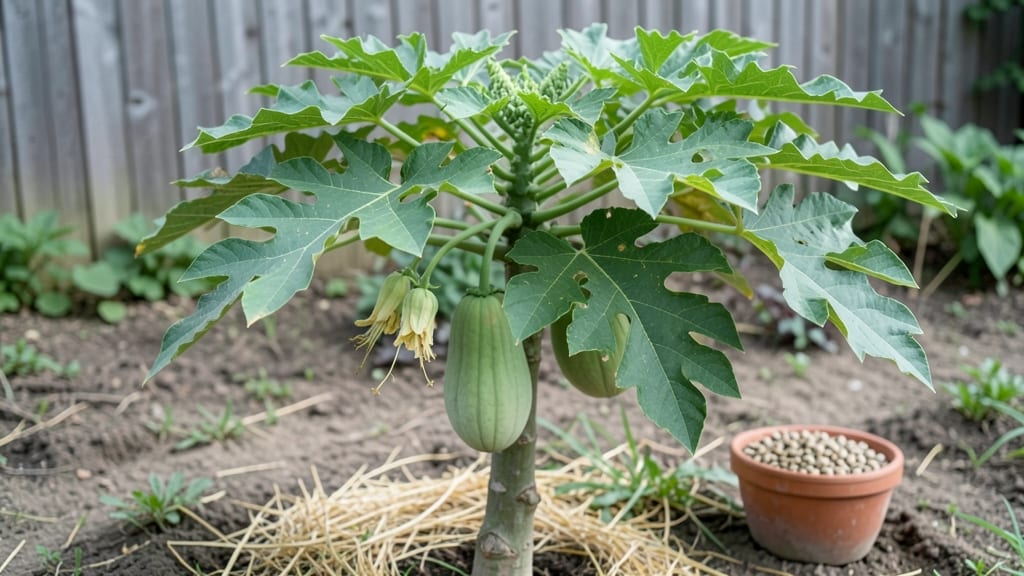
Growing papaya trees from seed unlocks a tropical harvest right on your windowsill or patio. 🌱 I’ve turned those tiny black seeds into lush, fruit-bearing plants—no greenhouse needed. The key is patience, warmth, and mimicking their rainforest roots.
You’ll need a warm spot (75–85°F), moist seed-starting mix, and a clear plastic bag to trap humidity. Germination takes 2–4 weeks, but once those first leaves appear, growth is shockingly fast. Most beginners struggle with transplant shock, but I’ll show you how to move seedlings without stunting their progress.
By month three, you’ll have a 2–3 foot plant with broad, glossy leaves—proof that tropical fruit isn’t just for Hawaii. The real magic happens when flowers form (male and female on separate plants), leading to those sweet, orange fruits in 12–18 months.
Perfect for warm climates or indoor growers with bright light. Even in cooler zones, you can overwinter seedlings and move them outside when temperatures rise. Let’s get those seeds sprouting!
📚 In This Guide
- What you need
- Instructions
- Tips and common mistakes
- Wrapping up and next steps
What you need
- ● Papaya seeds: 3–5 fresh, plump seeds (harvested from a ripe papaya or purchased from a reputable supplier). Pro tip: 💡 Soak seeds in warm water for 24 hours to speed up germination!
- ● Potting mix: 1–2 gallons of well-draining, sterile potting soil (mix 60% peat moss or coco coir with 40% perlite or vermiculite for aeration).
- ● Seed-starting trays or small pots: 3–5 biodegradable pots (3–4 inches in diameter) or a seed tray with individual cells.
- ● Plastic wrap or humidity dome: To create a mini greenhouse effect and retain moisture.
- ● Spray bottle: For gentle watering to avoid disturbing seeds.
- ● Grow lights or sunny windowsill: A south-facing window or a 12–14 hour daily light source (LED grow lights work great).
- ● Fertilizer: A balanced, water-soluble fertilizer (5-5-5 or 10-10-10 NPK ratio) for seedlings.
- ● Watering can or spray bottle: With a fine mist setting to avoid overwatering.
- ● Pruning shears or scissors: For trimming excess seed stalks or transplanting.
- ● pH testing kit: To ensure soil pH is between 6.0–7.0 (ideal for papaya).
- ○ Fungicide (optional): Like neem oil or copper-based spray to prevent damping-off disease.
- ● Larger container (5+ gallons): For transplanting seedlings once they’re 6+ inches tall.
- ● Trellis or support stake: If growing indoors long-term (papayas can get heavy!).
- ○ Heat mat (optional): For colder climates to keep soil temps above 70°F (21°C) during germination.
Step-by-Step instructions for germinating and growing papaya seeds indoors
Here’s how to coax those tiny seeds into vigorous seedlings ready for transplanting in just a few weeks.
🌱 Step 1: Extract and Prepare the Seeds
Cut open a ripe papaya and scoop out the black, gelatinous seed mass. Rinse it thoroughly under lukewarm water to remove the mucilage—this sticky coating slows germination. Spread the seeds on a paper towel and let them air-dry for 24 hours to prevent rot.
Once dry, place them in a small container with a damp paper towel. Fold the towel over the seeds and store it in a warm, dark place (75-85°F), like the top of your fridge. Check daily—keep the towel moist but not soggy. You’ll see tiny white roots emerge in 3-7 days.
💧 Step 2: Plant the Germinated Seeds
Fill a 4-inch diameter pot with moistened, well-draining potting mix (avoid garden soil—it’s too dense). Plant each seedling ½ inch deep, spacing them 2 inches apart to prevent overcrowding. Gently press the soil around the roots to secure them without compacting.
Place the pot in a warm, humid environment—like a greenhouse or under a plastic dome—until sprouts appear. Water lightly from the bottom to avoid disturbing the delicate roots. Within 10-14 days, you’ll see the first true leaves unfold, signaling healthy growth.
☀️ Step 3: Provide Light and Humidity for Seedling Strength
Move the seedlings to a location with bright, indirect light (no direct sun yet—they’re too tender). A south-facing window or grow light works best. Rotate the pot quarter-turn daily to prevent leggy growth toward the light source.
Maintain high humidity by misting the leaves twice daily or placing a tray of water nearby. Papaya seedlings thrive in 70-80% humidity. Watch for yellowing leaves—a sign of overwatering or poor drainage. Adjust watering so the top inch of soil feels dry to the touch before the next watering.
🪴 Step 4: Transplant and Harden Off for Outdoor Readiness
After 4-6 weeks, when seedlings have 3-4 sets of leaves, transplant them into 6-inch pots with fresh potting mix. Bury the stem up to the first set of leaves—this encourages stronger root growth. Water thoroughly after transplanting to settle the soil.
Begin hardening off by placing the seedlings outside in partial shade for 1 hour daily, gradually increasing exposure over 10-14 days. By the time they’re ready for the garden, they’ll tolerate full sun and outdoor conditions without shock. Choose a spot with 6+ hours of sunlight and well-draining soil.
Tips & tricks for growing papaya trees from seeds
Transforming those tiny papaya seeds into thriving plants requires patience and precision—but these insider tricks will help you skip the common pitfalls and maximize your success rate.
Germination Environment: That 24-hour drying period is critical for preventing rot, but don't rush it. Place your seeds on a paper towel in a single layer—crowding them can create uneven drying. For the warm, dark environment (75-85°F), I've found that a sealed plastic container with a damp towel inside the fridge door works perfectly, maintaining consistent humidity without requiring extra equipment. The key is keeping the towel moist but not dripping—think of it like wringing out a sponge until just damp.
Light Transition Strategy: When moving seedlings to bright, indirect light in Step 3, I recommend a gradual transition over 3-4 days rather than all at once. Start with 2 hours of indirect light, then increase by 1 hour daily. This prevents the seedlings from getting sunburned, which can happen even with indirect light if they're not acclimated. Rotate your pots daily as instructed, but mark the pot with an "X" to track which side faces which direction—this prevents confusion when you rotate.
Humidity Hack: Maintaining 70-80% humidity is easier than you think. After misting twice daily, place your seedlings on a tray filled with pebbles and water (just below the pebble level). The evaporating water creates a natural humidity dome around your plants. For extra insurance, cover the pot with a clear plastic bag secured with rubber bands—just remove it for 10 minutes daily to prevent mold buildup. This method works especially well if you don't have a greenhouse.
Transplanting Timing: The 4-6 week mark for transplanting is ideal, but watch for these signs instead of relying solely on time: when your seedlings develop their 3rd set of true leaves (not the initial seed leaves) and the stem feels sturdy when gently touched. At this stage, the roots will have developed enough to handle the 6-inch pots. When burying the stem up to the first set of leaves, use your finger to create a small trench—this prevents soil from compacting around the delicate stem during watering.
Pro Tips for Papaya Tree Seed
- Transforming those tiny papaya seeds into thriving plants requires patience and precision—but these insider tricks will help you skip the common pitfalls and maximize your success rate.
- Germination Environment: That 24-hour drying period is critical for preventing rot, but don't rush it.
- Light Transition Strategy: When moving seedlings to bright, indirect light in Step 3, I recommend a gradual transition over 3-4 days rather than all at once.
Frequently asked questions
Got questions about growing papaya trees from seed? You’re not alone—this tropical fruit’s journey from tiny seed to lush tree can feel mysterious! Below, we’ve rounded up the most common queries to help you grow with confidence.
How long does it take for a papaya seed to sprout?
A papaya seed typically sprouts within 7–21 days if kept warm (70–90°F) and moist. Soak seeds overnight before planting to speed up germination. Patience is key—some seeds may take longer, especially in cooler climates. Pro tip: Use a heat mat if your home runs chilly!
Can I grow a papaya tree indoors?
Papaya trees thrive indoors with bright, indirect light (south-facing window or grow lights) and warm temperatures. Use a large pot (10+ inches) with drainage holes. Just be ready to move it outdoors once it’s 1–2 feet tall—papayas crave sunlight and space. Warning: They can get leggy without enough light!
How do I know if my papaya seed is viable?
Test viability by placing seeds in a glass of water:
- Floats: Likely dead—discard.
- Sinks: Still alive! Plant it ASAP.
What’s the fastest way to grow a papaya tree?
For a 3-month head start, try these hacks:
- Use a germination station (warm, humid environment).
- Transplant seedlings into well-draining potting mix with compost.
- Fertilize lightly with balanced fertilizer (10-10-10) every 4–6 weeks.
- Move outdoors after last frost (or under grow lights year-round).
Why isn’t my papaya seedling growing?
Common culprits:
- Not enough light: Stretch those leaves? Move it closer to a window or add grow lights.
- Overwatering: Papayas hate soggy roots. Let soil dry slightly between waterings.
- Cold drafts: Keep temps above 60°F—chilly air stunts growth.
- Nutrient deficiency: Yellow leaves? Add a diluted fish emulsion or compost tea.
Can I grow a papaya tree from store-bought fruit?
Yes! Just ensure the papaya is ripe and organic (non-organic seeds may be treated to prevent sprouting). Scoop out seeds, rinse them, and dry for a day before planting. Bonus: Hybrid store-bought papayas may not produce true-to-type fruit, but they’ll still grow into beautiful trees! →
Wrapping up and next steps
Growing a papaya tree from seed is a rewarding journey that brings the tropics to your backyard in just three months! 🌱 With the right soil, warmth, and care, you’ll soon enjoy fresh, sweet papayas straight from your own tree.
Whether you’re a beginner or a seasoned gardener, this guide makes it simple—so roll up your sleeves and get planting!
Ready to take the next step? Start by planting your seeds today and watch your tropical paradise grow. Share your progress with fellow gardeners or experiment with different varieties—happy growing! 🌴✨