
Blooming
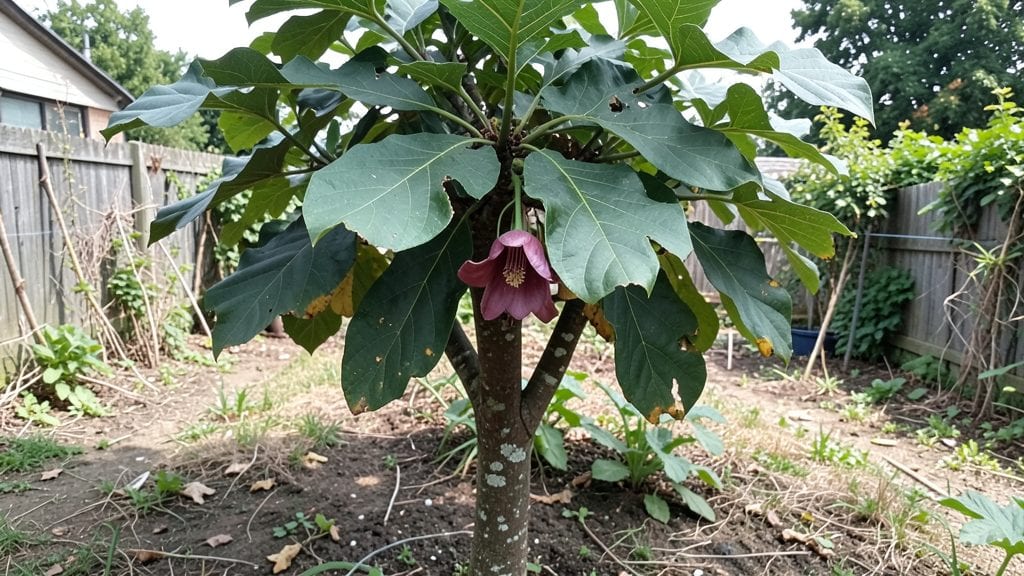
Paw paw tree blooms transform your yard into a fragrant spring paradise—if you know the secrets. 🌿 These rare, tropical-looking flowers appear in late April to May, but only if your tree gets the right care.
I’ve watched my paw paws go from bare branches to a canopy of maroon and white blossoms in just three years, and it all comes down to sunlight, pruning timing, and a little patience.
The key to those showstopping blooms? Full sun to partial shade and well-drained soil rich in organic matter. Paw paws hate soggy roots, so raised beds or mounded soil help in wet climates. Prune in late winter to open the canopy—this lets sunlight reach the center where flowers form.
And here’s the kicker: young trees (under 5 years) often bloom less because they’re still growing roots. That’s why I focus on feeding them compost every spring.
When the flowers arrive, you’ll smell something like a mix of banana and bubblegum—trust me, it’s unforgettable. The blooms last 7 to 10 days, but the real magic happens when bees and flies pollinate them.
If you want fruit later, hand-pollinate with a paintbrush if your tree is isolated. Even a few ripe paw paws are worth the effort, and the tree’s glossy leaves stay lush all summer.
Northern gardeners (zones 5-7) should plant near a south-facing wall to extend the growing season. Southern growers can push them into zone 8, but avoid heatwaves during bloom. The first year after planting, I skip heavy pruning—let the tree establish itself.
By year three, you’ll see those fragrant blooms if you’ve given it the right conditions. Here’s how to make it happen.
📚 In This Guide
- What you need
- Instructions
- Tips and common mistakes
- Wrapping up and next steps
What you need
- ● Paw paw seeds (20–50, fresh or pre-soaked for faster germination) OR a 1–3-year-old sapling (from a nursery or trusted source).
- ● Well-draining soil mix: 60% topsoil
- ● 30% compost
- ● 10% perlite or sand (for aeration)
- ● Garden space with: Full sun to partial shade (6+ hours of sunlight daily)
- ● Space for mature tree (30–50 feet wide, 20–40 feet tall)
- ● Watering can or hose (with adjustable nozzle for gentle watering).
- ● Mulch (2–3 inches of wood chips or straw to retain moisture).
- ● Garden trowel (for planting seeds/saplings).
- ● Pruning shears (sterilized, for shaping young trees).
- ● pH test kit (ideal soil pH: 6.0–7.0; amend with lime or sulfur if needed).
- ● Fertilizer (balanced 10-10-10 or organic options like compost tea).
- ○ Row cover or shade cloth (optional, for young seedlings in hot climates).
- ● Pest deterrents (neem oil or insecticidal soap for early signs of aphids or scale).
Step-by-Step guide to encouraging paw paw tree blooms
Here's how to coax those fragrant spring blooms from your young paw paw trees.
🌱 Step 1: Plant in the Right Location
Paw paw trees thrive in full sun to partial shade, with at least 6 hours of direct sunlight daily. I always choose a spot with morning sun and afternoon shade to prevent leaf scorch, especially in hot climates. The soil should drain well but retain moisture—paw paws hate soggy roots.
Dig a hole twice as wide as the root ball but only as deep. Place the tree so the top of the root ball sits 1 inch above ground level. Backfill with native soil mixed with compost, tamping gently to eliminate air pockets. Water deeply immediately after planting to settle the soil around the roots.
☀️ Step 2: Provide Consistent Watering
Young paw paw trees need 1-2 inches of water weekly, more during dry spells. I check soil moisture by sticking my finger 2 inches deep—if it feels dry, it's time to water. Deep watering encourages strong root development, which is crucial for future blooms.
Use a soaker hose or drip irrigation to deliver water slowly at the base. Avoid overhead watering, which can spread fungal diseases. Mulch around the base with 2-3 inches of organic mulch to retain moisture and regulate soil temperature.
🌿 Step 3: Fertilize for Healthy Growth
In early spring, apply a balanced 10-10-10 fertilizer around the drip line, keeping it 6 inches away from the trunk. Paw paws respond well to organic options like composted manure or worm castings. I avoid high-nitrogen fertilizers—they promote leafy growth at the expense of flowers.
Reapply fertilizer in late spring if new growth appears weak. Always water the area thoroughly before and after applying fertilizer to prevent root burn. By summer, your tree should show vigorous new shoots, a sign it's storing energy for future blooms.
✂️ Step 4: Prune Strategically
Prune in late winter or early spring before new growth begins. Remove any dead, diseased, or crossing branches first. Then, thin out crowded branches to improve airflow—this reduces humidity around foliage, which prevents fungal issues that can stress the tree.
For shaping, I focus on opening the canopy to let sunlight reach the center. Paw paws produce flowers on new wood, so avoid heavy pruning that removes too many growth points. Leave at least 3-4 strong branches to ensure next year's blooms.
🌸 Step 5: Encourage First Blooms
By year three, your paw paw should start producing buds. To support blooming, I ensure the tree gets enough sunlight and nutrients. If flowers appear but don't open, check for pests like sawfly larvae—they can devour buds before they bloom.
Handpick any damaged buds and treat the tree with neem oil if needed. Once blooms open, they'll fill your garden with a tropical fragrance. Thin out excess flowers if needed—this directs the tree's energy toward producing larger, more flavorful fruit.
Tips & tricks for perfect paw paw tree blooms
Here's what nobody tells you about getting those fragrant paw paw blooms—these tricks make all the difference.
Location is Everything: I learned this the hard way after planting in full afternoon sun—my first tree got leaf scorch. For that perfect morning sun and afternoon shade balance, look for spots near deciduous trees that provide natural shade during peak heat. Also, avoid low spots where water pools after rain—paw paws absolutely hate soggy roots. Test your spot by digging a hole and checking drainage: if water doesn't drain within 2 hours, find another location.
Watering Wisdom: Those 1-2 inches of water weekly are crucial, but timing matters just as much. Water in the morning so leaves have time to dry, preventing fungal issues. I use a rain gauge to track rainfall—if we get 1.5 inches naturally, I skip the weekly watering that week. For new trees, consider installing a simple drip irrigation system on a timer for consistent moisture without the risk of overhead watering.
Fertilizer Strategy: That balanced 10-10-10 fertilizer is perfect, but timing is everything. Apply it when you see new shoots in early spring—this signals the tree to focus on flower development rather than just leaf growth. I've found that side-dressing with compost in late summer gives an extra nutrient boost for next year's blooms. And remember: less is more with paw paws—over-fertilizing can actually reduce flowering.
Pruning Secrets: When you're pruning those crowded branches in Step 4, focus on creating an open vase shape. This isn't just about aesthetics—it lets sunlight reach the center where many flowers develop. I always leave at least 3-4 strong branches as instructed, but I make sure they're evenly spaced around the tree. Also, prune on a dry day when branches are less likely to spread diseases.
Pro Tips for Paw Paw Tree Blooms
- Here's what nobody tells you about getting those fragrant paw paw blooms—these tricks make all the difference.
- Location is Everything: I learned this the hard way after planting in full afternoon sun—my first tree got leaf scorch.
- Watering Wisdom: Those 1-2 inches of water weekly are crucial, but timing matters just as much.
Frequently asked questions
Got questions about paw paw tree blooms? You’re not alone! Here are the most common queries—plus quick answers to help you get the most out of your fragrant spring canopy.
When do paw paw trees typically bloom?
Paw paw trees usually bloom in late spring to early summer (May–June in most regions), though timing depends on climate. The fragrant, maroon flowers appear before the leaves, creating a stunning display. In colder zones, blooms may arrive slightly later—patience pays off!
How long does it take for a paw paw tree to bloom after planting?
With ideal care, you can expect first blooms in 3–5 years from seed or 1–2 years from grafted nursery trees. Young trees prioritize root/leaf growth, so avoid heavy pruning. Fertilize lightly in spring with compost or a balanced 10-10-10 blend for faster results.
Why aren’t my paw paw flowers attracting pollinators?
Paw paw blooms rely on carpenter bees and flies—not honeybees. If pollinators are scarce, try planting near native wildflowers or installing a small water source nearby. Avoid pesticides, as they harm beneficial insects. Hand-pollination (gently shaking branches) can also help if blooms are plentiful but fruit is sparse.
Can I grow paw paw trees in containers?
Paw paws thrive in large containers (15+ gallons) for 2–3 years, but they’re not long-term pot plants. Use well-draining soil with compost and replant outdoors when roots fill the container. Containers dry out faster—water deeply 2–3x weekly in summer. A south-facing spot with afternoon shade works best.
Do paw paw blooms survive frost?
New blooms are frost-sensitive—late frosts (<32°F) can damage or kill flowers before they open. Plant in a sheltered microclimate (e.g., near a south-facing wall) or choose cold-hardy cultivars like ‘Sunflower.’ Mulch heavily in fall to protect roots. If frost hits, cover young trees with frost cloth at night.
What if my paw paw tree isn’t blooming at all?
Check these fixes:
- Age: Trees under 3 years may not bloom yet.
- Light: Paw paws need full sun (6+ hours)—move to a sunnier spot if shaded.
- Soil: Amend heavy clay with compost for better drainage.
- Pruning: Avoid cutting back in late winter—bloom buds form on old wood.
Wrapping up and next steps
Watching a paw paw tree bloom in just three years is a rewarding journey—full of fragrant blossoms, lush foliage, and the promise of delicious fruit! 🌸 With the right care, patience, and a little know-how, you can transform your garden into a fragrant spring paradise.
Now that you’re equipped with the essentials, why not plant your first sapling today? Start small, nurture it with love, and soon, you’ll be enjoying the sweet scent of spring in your own backyard.
Pro tip: Share your progress with fellow gardening enthusiasts—every bloom is a celebration! 🌱