
Leaf Blower
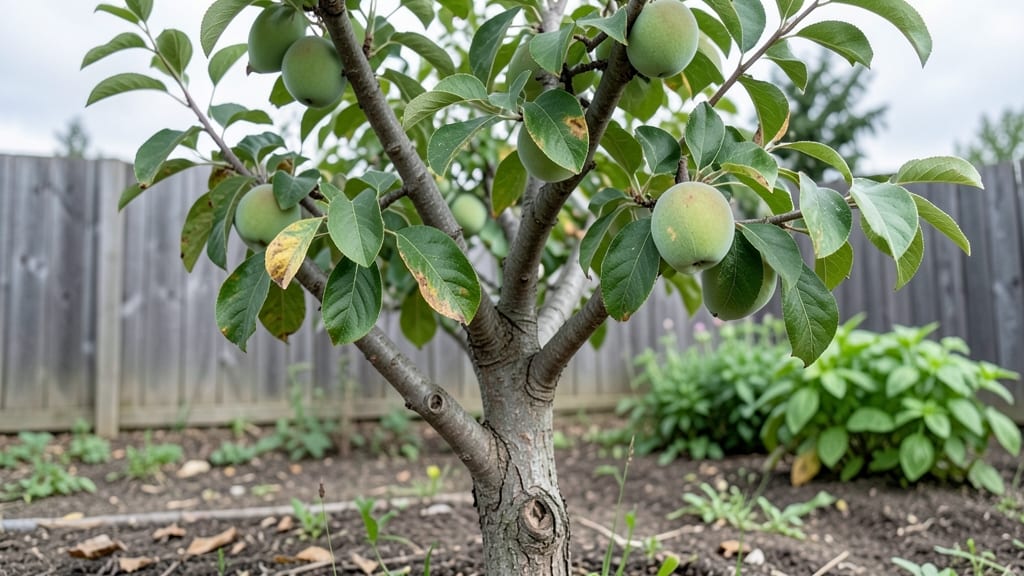
Peach tree curly leaf fungus turns your tree’s leaves into twisted, leathery messes that look like they belong in a horror movie—not your backyard. 🌿 I’ve seen this ugly fungus ruin what should be the star of summer, and the good news is it’s beatable with the right moves.
The secret? Spotting it early and acting fast before it spreads.
This fungus thrives when peach trees get stressed—too much shade, poor airflow, or last year’s infected leaves still hanging around. My worst outbreak happened after I ignored a few curled leaves, thinking they’d just "grow out of it."
Spoiler: they didn’t. The key is pruning out infected branches, cleaning up fallen leaves, and giving your tree room to breathe.
By mid-summer, you’ll see new growth pushing through, smooth and healthy, with no more curled edges. The trees stay productive, the fruit quality improves, and you avoid the heartbreak of watching a favorite tree decline. It’s all about timing, tools, and a little elbow grease.
Works for home gardeners in zones 5-9, whether you’ve got one peach tree or a whole orchard. Let’s get your tree back to its lush, disease-free glory—starting with the first step.
How fungal pathogens take hold
If your peach tree’s leaves are curling, twisting, or developing unsightly yellow patches, Taphrina deformans—the fungus behind peach leaf curl—is likely the culprit. 🌿🍑 This persistent pathogen thrives under specific conditions, turning vibrant foliage into a gnarled mess.
Understanding why this happens is the first step to stopping it in its tracks. Let’s break down the key factors that create the perfect storm for fungal infection.
The fungus Taphrina deformans primarily infects peach trees in late fall or winter when the tree is dormant. During this time, the fungal spores (called ascospores) are released from infected leaves that remain on the tree or fallen debris.
If heavy rains or prolonged dampness occur during dormancy—especially between October and February—these spores splash onto new growth as buds begin to swell.
Why does this matter? The fungus needs free moisture to germinate and penetrate tender, emerging leaves. A single rainstorm during this critical window can lead to widespread infection. Even light morning dew in combination with high humidity can create the ideal environment for spores to land and take hold.
Key takeaway: The fungus can’t infect a healthy, fully grown leaf—it targets new growth as it emerges in early spring. That’s why timing is everything.
Peach trees naturally shed old leaves in autumn, but if infected leaves aren’t removed, they become a spore factory over winter. The fungus overwinters in these leaves, producing ascospores that are ready to infect the tree the following spring.
Here’s how it works:
- Fungal spores mature in the infected leaf tissue during cold, wet conditions.
- When temperatures rise in late winter or early spring, the spores are ejected into the air (sometimes with enough force to travel several feet).
- They land on newly forming buds and leaves, germinating within 24–48 hours if moisture is present.
If you’ve ever noticed thickened, curled leaves in late spring, those are the direct result of spores from last year’s infected foliage. The cycle repeats unless you break it.
The fungus Taphrina deformans has a sweet spot for infection: cool to moderate temperatures (40–60°F or 4–15°C) combined with high humidity. If your region experiences:
- Mild winters (above freezing) that allow buds to swell early.
- Wet springs with frequent rain or fog during bud break.
…the fungus gets a head start on infecting the tree before it can develop resistance. In contrast, hot, dry springs (above 70°F or 21°C) can slow the fungus down, but they don’t eliminate it—spores may still linger in debris until conditions improve.
Pro tip: If your area has a history of wet springs, consider preventative treatments (like copper fungicides) before bud break to stay ahead of the fungus.
A healthy peach tree has natural defenses, but stress makes it vulnerable to fungal attacks. Common stressors that weaken trees include:
| Stressor | How It Helps the Fungus |
|---|---|
| 🌱 Nutrient deficiencies (e.g., nitrogen, potassium, or zinc) | Weak growth = thinner leaves = easier entry for spores. |
| 💧 Overwatering or poor drainage | Soggy roots = stressed tree = less energy for disease resistance. |
| ☀️ Sunburn or environmental stress (e.g., sudden heat waves) | Damaged leaves provide entry points for fungal spores. |
| 🐛 Pest damage (e.g., aphids, mites, or borers) | Pests create wounds, and fungal spores hitchhike on their movement. |
Even pruning wounds that aren’t properly sealed can become gateways for infection. If your tree is already struggling, it’s far more likely to succumb to peach leaf curl.
Remember: The fungus doesn’t discriminate—it targets any peach tree, but a well-cared-for tree has a much better chance of fighting back. The next section will cover how to identify an infection before it spreads uncontrollably.
How to Treat and Prevent Fungal Spread
Fungal infections like peach tree curly leaf disease can be frustrating, but with the right approach, you can restore your tree’s health and prevent future outbreaks. Below are practical, step-by-step solutions tailored to the root causes—whether it’s fungal buildup, poor airflow, or weak tree defenses.
Cause: Fungal spores thrive on diseased foliage, spreading to healthy parts of the tree. Fix:
- 🍳 Collect and destroy infected leaves—do not compost them. Instead, burn them (if local laws allow) or seal them in a plastic bag for trash pickup.
- 👨🍳 Prune infected branches with sterilized pruners (wipe with rubbing alcohol between cuts). Remove all curled, discolored, or spotted leaves.
- 🥘 Time it right: Do this in early morning or late afternoon when humidity is lower to minimize spore release.
Cause: Dense foliage and poor airflow trap humidity, creating ideal conditions for fungal growth. Fix:
- ✨ Thin out the canopy by selectively pruning branches to allow sunlight and airflow to reach the center of the tree.
- 🎯 Space trees properly—peach trees need 8–10 feet between them to prevent overcrowding.
- 💡 Use a fan (if practical) to circulate air around the tree during humid periods, especially after rain.
Cause: Existing fungal spores or reinfection from soil/nearby plants. Fix:
- 🔪 Choose the right fungicide:
- Preventative: Use a copper-based fungicide (like copper sulfate) or neem oil spray (natural option) before symptoms appear.
- Treatment: For active infections, switch to a systemic fungicide (e.g., myclobutanil or propiconazole), which absorbs into the tree’s system.
- ⏰ Timing is key:
- Spring (before buds swell) and early summer (after harvest) are critical application windows.
- Reapply every 2–4 weeks during wet seasons or if rain occurs within 24 hours of spraying.
Cause: Weak trees (due to poor nutrition, stress, or drought) are more susceptible. Fix: - 📊 Fertilize properly: - Test soil pH (ideal: 6.0–7.0 for peach trees).
Amend with lime if too acidic or sulfur if too alkaline. - Use a balanced fertilizer (e.g., 10-10-10) in early spring and late summer to boost vigor. - 💪 Water deeply but wisely: - Avoid overhead watering (use drip irrigation or soaker hoses) to keep leaves dry. - Water at the base in the early morning to allow foliage to dry quickly. - 🍎 Mulch correctly: - Apply 2–4 inches of organic mulch (wood chips, straw) around the base, but keep it 6 inches away from the trunk to prevent rot.
- 🌿 Clean up debris annually—remove fallen leaves, fruit mummies, and old mulch where fungi hide.
- 🔄 Rotate fungicides if using chemical treatments to prevent resistance.
- 🌱 Plant resistant varieties—some peach cultivars (like ‘Redhaven’ or ‘Elberta’) are less prone to fungal diseases.
- 🐝 Encourage beneficial insects (ladybugs, lacewings) that prey on fungal vectors like aphids.
Pro Tip: 💡 Monitor your tree weekly during peak fungal season (spring to early summer). Early action is the best defense! If the problem persists after 2–3 months, consult a local arborist for a soil/fungal test.
Frequently asked questions
How can I tell if my peach tree has curly leaf fungus?
Look for thickened, leathery leaves that curl upward along the edges, often with a yellowish or brownish hue. Infected leaves may also appear puckered or distorted compared to healthy foliage. Check the new growth in spring—this is when symptoms first appear. The fungus causes leaves to twist and become stiff, unlike normal leaf movement.
Is curly leaf fungus harmful to my peach tree's fruit?
While the fungus primarily attacks leaves, severe infections can weaken the tree and reduce fruit quality or yield. The tree may produce smaller, less flavorful peaches if it’s struggling to recover. However, the fungus doesn’t directly infect the fruit, so you won’t see rot or spots on the peaches themselves. Focus on treating the leaves to restore the tree’s health.
Can I use home remedies to treat peach tree curly leaf fungus?
Yes! Neem oil (1 tablespoon per gallon of water) or a baking soda spray (1 tablespoon baking soda + 1 teaspoon dish soap per gallon of water) can help as a preventative or early treatment. Spray the undersides of leaves thoroughly, especially in early spring before buds swell. For active infections, combine these with copper fungicides for better results.
How often should I prune my peach tree to prevent fungal spread?
Prune once in late winter (before buds swell) and again after harvest to remove infected branches and improve airflow. Sterilize your pruners with rubbing alcohol between cuts. Focus on thinning the canopy—aim for 6–8 feet of space between branches to reduce humidity buildup. This keeps the tree open and airy, discouraging fungal growth.
Will my peach tree recover if I treat the fungus late in the season?
Late-season treatment won’t reverse existing leaf damage, but it can prevent further spread and help the tree recover for next year. Focus on removing infected leaves, applying fungicide, and improving tree health through fertilization and watering. The tree may still produce fruit, but early intervention in spring yields the best results.