
Diseases
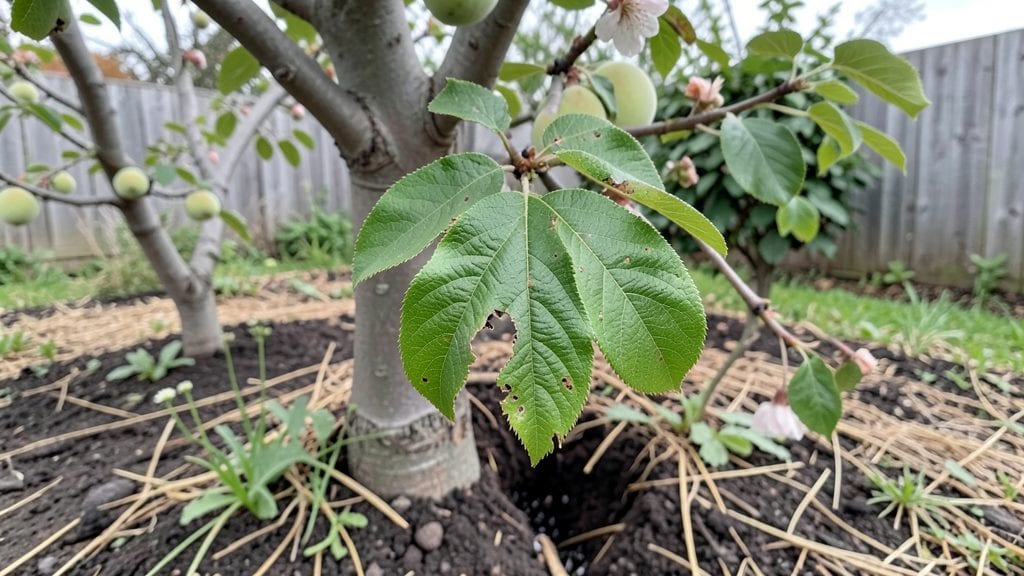
One of the most devastating peach tree diseases, leaf curl, can transform your spring blossoms into a crimson nightmare before they even bloom—🌸 I’ve seen orchards ruined by this fungal infection—Taphrina deformans—where once-lush canopies become brittle, curled messes that drop fruit before harvest.
The damage starts in winter, but symptoms scream for attention in early spring.
This isn’t just ugly—it’s a productivity killer. Infected trees produce smaller fruit, thinner skins, and often fail to bear at all. The red-purple puckered leaves? That’s the fungus’s calling card, spreading through spores that hitch rides on wind and rain.
Worse, it hides in dormant buds until warm weather wakes it up. Pruning alone won’t fix it—you need a multi-step attack plan.
Here’s the good news: you can stop it cold. Start with cleanup in late winter (remove all infected leaves and branches), then apply copper fungicide before buds swell. Resistant varieties like ‘Redhaven’ or ‘Elberta’ can save your backbreaking work.
I’ve saved my own trees this way—now my peaches ripen sweet and plump instead of shriveled and bitter.
Seasonal timing is everything—miss the dormant season window, and you’re fighting uphill. But get ahead of it, and you’ll protect your tree’s future. Let’s turn those curled leaves into history, not headlines.
The Hidden Triggers Behind Leaf Curl
Peach tree leaf curl isn’t just a random blight—it’s a response to specific environmental and biological stressors. Understanding these triggers is the first step to preventing or managing the issue before it spreads. Let’s break down the real culprits behind this frustrating disease.
The primary cause of peach tree leaf curl is the Taphrina deformans fungus, a microscopic pathogen that lies dormant in infected leaves, buds, or bark during winter. Here’s how it works:
- Cold, Wet Conditions: The fungus thrives in moist, chilly climates (ideal temperatures: 40–50°F).
Rain or snow during late winter/early spring (just before bud break) activates spores, allowing them to infect new growth. - Bud Infection: As buds swell in spring, fungal spores germinate and penetrate tender tissues, distorting leaves into thick, curled, and often reddish or purple patches. - Survival Strategy: Unlike many fungi, Taphrina deformans doesn’t produce visible spores in the air—it relies on physical contact with infected plant material.
This makes it harder to detect but easier to control with sanitation.
💡 Pro Tip: If your region has winter rains followed by a warm snap, your peach tree is at high risk. Monitor buds closely in February–March for early signs.
A weak or stressed peach tree is like an open invitation for Taphrina deformans. Common stressors include:
- Nutrient Deficiencies: Low zinc, nitrogen, or potassium weakens cell walls, making leaves more susceptible to fungal invasion. Yellowing leaves or stunted growth? That’s a red flag. - Water Stress: Overwatering (leading to root rot) or drought both impair the tree’s ability to fight off pathogens.
Aim for deep, infrequent watering (1–2 inches per week) to keep roots healthy. - Physical Damage: Pruning wounds, hail, or pest damage (like borers) create entry points for spores.
Always sterilize tools with rubbing alcohol and make clean cuts. - Crowded Plantings: Poor airflow from overcrowded trees or nearby debris traps moisture, creating a fungal paradise. Prune for open canopies and remove fallen leaves promptly.
✨ Quick Fix: Apply a balanced fertilizer (10-10-10) in early spring and mulch with wood chips (not fresh bark) to retain moisture without suffocating roots.
Fungal spores can hitchhike on gardening tools, clothing, or even your shoes. Here’s how it happens:
- Tool Transmission: Pruning shears, saws, or rakes contaminated with old spores can transfer the fungus to healthy trees.
Always clean tools with bleach (1 part bleach to 9 parts water) between uses. - Infected Plant Debris: Leaving fallen leaves, mummified fruit, or curled foliage on the ground provides a breeding ground for spores.
Remove and dispose of infected material in the trash (not compost). - Nearby Hosts: Peach leaf curl can also infect plums, nectarines, and apricots. If neighboring trees are infected, spores may jump via wind or splashing water.
🔥 Prevention Hack: After pruning, soak tools in a 10% bleach solution for 10 minutes, then rinse and dry. For severe cases, consider copper-based fungicides as a preventive spray.
Mother Nature plays a huge role in leaf curl severity. Watch for these conditions:
| Weather Factor | Risk Level | Why It Matters |
|---|---|---|
| Late Winter Rains | ⚠️ High | Spores activate and infect buds before leaves emerge. |
| Warm, Wet Springs | ⚠️ High | Ideal for fungal growth; spores spread rapidly. |
| Dry, Windy Summers | ⚠️ Low | Reduces humidity, slowing spore development (but doesn’t eliminate the fungus). |
| Frost Followed by Thaw | ⚠️ High | Sudden temperature swings stress trees, making them vulnerable. |
🌡️ Climate Alert: If your area has more than 50 rainy days between December and April, leaf curl is likely a recurring issue. Consider fungicide sprays in high-risk years.
Even well-meaning gardeners can accidentally worsen leaf curl by: - Skipping dormant-season sprays (the best time to treat is before buds swell). - Using contaminated compost (spores can survive in organic matter). - Ignoring early symptoms (curled leaves in late winter?
It’s already too late for that season—plan for next year).
🎯 Golden Rule: Prevention is cheaper than cure. A single copper fungicide spray in late winter can stop 90% of infections before they start.
Fixing Peach Tree Leaf Curl: Step-by-Step Solutions
Peach trees suffering from leaf curl don’t have to be a lost cause! With the right approach, you can restore your tree’s health and prevent future outbreaks.
Below, we’ve mapped out practical solutions for each cause of leaf curl, along with prevention tips to keep your tree thriving. Let’s get started!
🔥 Step 1: Prune Infected Branches Immediately Remove and dispose of (do not compost!) severely curled, thickened, or discolored leaves and branches. This stops the fungus from spreading to healthy parts of the tree. Pro Tip: Sterilize your pruners with rubbing alcohol or a 10% bleach solution between cuts to avoid cross-contamination. ✨
🍳 Step 2: Apply Fungicide at the Right Time The best defense is preventive fungicide treatment in late fall or early winter (before buds swell) and early spring (just as buds begin to open).
- Copper-based fungicides (like Bordeaux mixture) are highly effective against fungal leaf curl.
- Sulfur-based sprays can also work but may require multiple applications.
- Organic option: Use neem oil (mix 1 tbsp per gallon of water + a drop of dish soap as an emulsifier) and spray thoroughly.
👨🍳 Step 3: Improve Air Circulation & Tree Health Fungal diseases thrive in humid, crowded conditions. To reduce risk:
- Thin out dense branches to allow sunlight and airflow.
- Water at the base (avoid wetting leaves) to minimize moisture on foliage.
- Mulch properly (2–4 inches of organic mulch, keeping it 6 inches away from the trunk).
⏰ Step 4: Monitor & Retreat as Needed Check your tree weekly during spring bud break. If new curls appear, reapply fungicide every 2–3 weeks until the threat passes.
🔪 Step 1: Remove Infected Leaves & Sterilize Tools Bacterial leaf curl spreads quickly. Burn or trash all infected leaves and branches—do not compost. Sterilize pruners between cuts with bleach or a pressure washer.
💡 Step 2: Use Copper-Based Bactericides Since bacteria are harder to kill than fungi, copper fungicides (like Copper Sulfate) are your best bet. Apply every 10–14 days during active growth (spring to early summer).
🌡️ Step 3: Boost Tree Resilience Healthy trees fight infections better. Ensure your peach tree gets:
- Balanced fertilization (avoid excess nitrogen, which weakens defenses).
- Proper watering (deep, infrequent watering to prevent stress).
- Regular pruning to remove dead or weak wood.
🎯 Step 4: Consider Tree Removal for Severe Cases If multiple trees in your orchard are infected, the bacteria may be systemic. In this case, removing the tree and replacing it with a resistant variety (like ‘Redhaven’ or ‘Elberta’) may be necessary.
💡 Long-Term Prevention Tips: ✅ Buy resistant varieties – Some peach cultivars (e.g., ‘Contender’, ‘Reliance’) are bred to tolerate leaf curl better. ✅ Dormant season care – Apply lime sulfur spray in late winter to kill overwintering fungal spores. ✅ Sanitize tools & equipment – Clean pruners, saws, and ladders between uses to prevent disease spread. ✅ Avoid overhead irrigation – Water at the base to keep leaves dry. ✅ Test soil pH – Aim for 6.0–7.0; fungal diseases thrive in acidic soil (add lime if needed).
Final Thought: 🌟 With early action and consistent care, your peach tree can bounce back from leaf curl—and even outperform last year’s harvest! Stay vigilant, and your tree will thank you with juicy, disease-free fruit in no time.
Frequently asked questions about peach tree leaf issues
What are the first signs of peach tree leaf curl disease?
Look for thick, puckered leaves in late winter or early spring that turn reddish-purple. The curled edges and distorted shape are classic symptoms of Taphrina deformans. These leaves often appear before normal foliage emerges, making them easy to spot if you check your tree in February or March.
Can I still harvest fruit from a tree with leaf curl?
Yes, but expect smaller, lower-quality fruit. While leaf curl doesn't directly kill the tree, it weakens growth and reduces harvest size. Severely infected trees may produce thinner-skinned, misshapen peaches. The key is to treat the disease before bud break to protect next year's crop.
How do I tell if my peach tree has leaf curl or just nutrient deficiency?
Leaf curl has distinct curled, leathery leaves with reddish-purple hues, while deficiencies cause uniform yellowing (chlorosis) or browning. Check for curled leaves before bud break—that's when leaf curl shows up. Nutrient issues appear later and affect all leaves evenly.
Is there an organic way to prevent leaf curl?
Yes! Start with copper fungicide sprays (like Bordeaux mixture) in late winter before buds swell. For organic options, try neem oil (1 tbsp per gallon) or baking soda spray (1 tsp baking soda + 1 quart water + drop of soap). Remove all infected leaves and sterilize tools with rubbing alcohol.
Will pruning alone fix leaf curl?
No, pruning removes infected parts but won't stop the fungus. You must combine it with fungicide treatments (copper-based) and proper sanitation. The best approach is dormant-season sprays followed by spring pruning of severely infected branches.