
Diseases
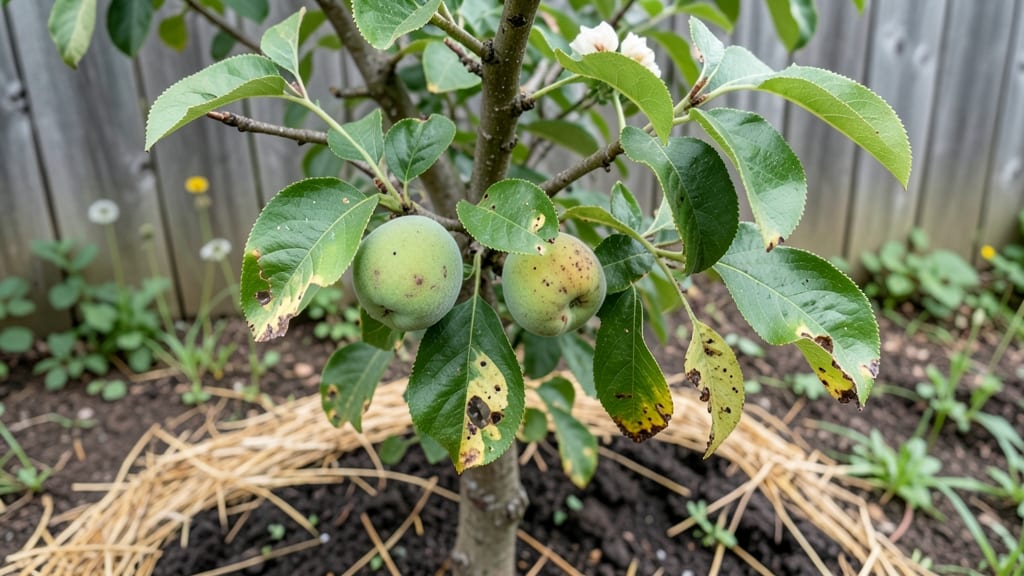
Peach tree diseases in leaves start small but spread fast—if you don’t catch them early. 🌿 I’ve seen healthy trees turn into skeletal shadows in just a few weeks, all because someone ignored the first signs of brown rot or leaf curl.
The key is spotting those early symptoms before they become a full-blown crisis.
Most peach tree leaf diseases—like bacterial spot or fungal infections—love warm, wet weather. That’s why you’ll often see dark spots, curled edges, or yellowing leaves right after spring rains. The good news?
These problems are fixable, especially if you act fast with the right treatments. I’ll walk you through the most common issues and how to tackle them without harsh chemicals.
By the time you finish reading, you’ll know exactly what to look for—from tiny specks to large patches—and how to treat them before they ruin your harvest. You’ll also learn simple preventive steps that keep your tree thriving year after year. Let’s get your peach tree back to its best.
Whether you’re dealing with a young tree or a mature one, these strategies work for any peach variety. The sooner you act, the easier it is to save your tree—and your fruit. Here’s how to stop the damage in its tracks.
What triggers leaf troubles
Peach trees are stunning when healthy, but their leaves can quickly become a canvas of distress—spotted, curled, or discolored—if the wrong conditions align. Understanding the root causes of these issues helps you act fast and save your tree.
Below, we break down the science behind why peach tree leaves develop diseases, from microscopic invaders to environmental stress.
Fungi are the #1 culprit behind peach tree leaf diseases, thriving in warm, humid conditions. These organisms release spores that land on leaves, where they germinate and penetrate tissues. Once inside, they disrupt cell function, causing:
- Brown spot disease (Alternaria): Fungal spores overwinter in infected debris, then splash onto fresh leaves during rain. High humidity (above 75%) accelerates spore germination, leading to concentric rings of brown lesions.
- Leaf curl (Taphrina deformans): This fungus infects buds in early spring, causing distorted, thickened leaves. It spreads via windborne spores and thrives in cool, wet springs (50–60°F).
- Powdery mildew (Podosphaera): Unlike other fungi, this one grows on the leaf surface, creating a white, powdery film. It loves shady, crowded conditions with poor airflow, where leaves stay damp for long periods.
🔬 Why it happens: Fungi exploit weak spots in leaves—like wounds from pruning or hail—then multiply rapidly when moisture lingers. Overhead watering or dense canopies trap water, turning leaves into fungal buffets.
Some leaf diseases don’t act alone—they hitch rides on pests that chew, suck, or spread fungal spores. Common pests that team up with diseases include:
- Japanese beetles: Their feeding scars create entry points for bacterial spot (Xanthomonas), which causes water-soaked lesions that ooze yellow fluid.
- Aphids: These sap-suckers excrete honeydew, a sticky residue that fosters sooty mold—a black fungal growth on leaves. Sooty mold blocks sunlight, weakening the tree.
- Peach tree borers: Larvae burrow into bark, stressing the tree and making it more susceptible to fungal infections like canker diseases.
🔬 Why it happens: Pests don’t just damage leaves—they disrupt the tree’s natural defenses. When a tree is already stressed (from drought or poor nutrition), its immune response weakens, making it an easy target for secondary infections.
Peach trees are tough, but extreme or inconsistent weather throws their biology off balance. Here’s how climate factors create disease-friendly conditions:
| Weather Factor | How It Causes Problems | Diseases It Triggers |
|---|---|---|
| 🌧️ Excessive Rain | Washes away protective wax coatings on leaves, leaving them vulnerable. Prolonged leaf wetness (10+ hours) allows fungal spores to germinate. | Brown rot, bacterial spot, leaf spot |
| ☀️🔥 Heatwaves + Low Humidity | Dries out leaves, creating stress cracks where fungi (like powdery mildew) can invade. Also weakens the tree’s ability to fight off pathogens. | Powdery mildew, scab |
| 🌬️ High Winds | Physically damages leaves, creating wounds. Also spreads fungal spores (e.g., leaf curl) over long distances. | Leaf curl, anthracnose |
| ❄️ Late Frosts | Delays bud break, keeping leaves damp longer. Cold stress weakens new growth, making it prime for bacterial infections. | Bacterial leaf spot, silver leaf |
💡 Pro Tip: Mulching (3–4 inches of organic material) helps regulate soil temperature and moisture, reducing stress-related disease outbreaks. Avoid mulching too close to the trunk—this traps moisture and encourages fungal growth.
A peach tree’s ability to fight disease starts with its overall health. When basic needs aren’t met, leaves become easy targets. Common weaknesses include:
- Nutrient deficiencies: Lack of zinc, nitrogen, or potassium stunts growth, making leaves thin and prone to tearing. Zinc deficiency, for example, causes little leaf syndrome, which stresses trees and invites fungal infections.
- Water stress: Overwatering leads to root rot, while underwatering causes wilting and nutrient uptake issues. Both scenarios weaken the tree’s immune response.
- Improper pruning: Cutting too late in the season (after buds swell) or using dirty tools spreads bacterial canker. Poor airflow from overcrowded branches traps moisture, perfect for fungal growth.
- Soil compaction: Roots struggle to absorb water and nutrients, leading to chlorotic (yellowing) leaves that can’t photosynthesize efficiently—making the tree more susceptible to disease.
🔬 Why it happens: A healthy tree’s leaves have thicker cuticles and antimicrobial compounds that repel pathogens. When the tree is malnourished or stressed, these defenses break down, leaving leaves defenseless.
🎯 Key Takeaway: Most peach tree leaf diseases are opportunistic—they exploit weaknesses caused by fungi, pests, weather, or poor care. The good news? Preventing these triggers (proper pruning, pest control, and balanced care) can drastically reduce outbreaks before they start.
Fixing peach tree leaf troubles
When your peach tree’s leaves start showing signs of distress—whether it’s yellowing, spots, curling, or premature drop-off—acting fast can save your harvest. Below, we break down targeted solutions for the most common peach tree leaf diseases, from quick fixes to long-term prevention.
Think of this as your emergency repair kit for ailing foliage!
Cause: Alternaria or Cercospora fungi thrive in warm, wet conditions. Fix It:
- 🔥 Prune & Remove: Cut off infected leaves (sterilize pruners with rubbing alcohol) and dispose of them in the trash—not the compost!
- 🍳 Fungicide Spray: Apply a copper-based fungicide (like Copper Soap) or a baking soda spray (1 tsp baking soda + 1 quart water + a drop of dish soap) every 7–10 days during wet spells.
- 🌡️ Improve Airflow: Thin out dense branches to reduce humidity near leaves. Space trees 15–20 feet apart if replanting.
💡 Prevention Tip: Water trees early in the morning so leaves dry by evening. Avoid overhead irrigation.
Cause: Viruses (like Peach Leaf Curl Virus) or fungal infections (e.g., Taphrina deformans) distort leaves into thick, curled messes. Fix It:
- 👨🍳 Dormant Spray: In late fall or winter, spray lime sulfur (1–2%) or a copper fungicide to kill fungal spores before buds swell. Do this before leaves emerge!
- ⏰ Remove & Burn: If leaves are already curled, prune and destroy them immediately to stop spread.
- ✨ Resistant Varieties: If leaf curl is recurrent, consider disease-resistant peach cultivars like 'Redhaven' or 'Elberta'.
💡 Prevention Tip: Sterilize pruning tools between cuts to avoid transferring viruses.
Cause: Podosphaera oxyacanthae fungus loves shady, humid spots and coats leaves in white powder. Fix It:
- 🔪 Scrub Off: Use a soft brush dipped in soapy water to gently remove mildew from leaves (do this on cloudy days to avoid leaf burn).
- 🥘 Neem Oil Spray: Mix 1 tbsp neem oil + 1 tsp mild soap + 1 quart water. Spray undersides of leaves (where mildew hides) every 5–7 days.
- 🌞 Boost Sunlight: Thin tree canopies or nearby structures to increase airflow and sunlight penetration.
💡 Prevention Tip: Mulch with gravel or straw (not wood chips) to keep soil dry and discourage fungal growth.
Cause: Xanthomonas bacteria create oily, water-soaked spots that expand and drop leaves prematurely. Fix It:
- 🔪 Prune & Sterilize: Remove infected leaves and branches immediately. Never compost them!
- 🍳 Copper Bactericide: Use a fixed copper fungicide (like Kocide) every 10–14 days during wet weather.
- 🌡️ Adjust Watering: Water at the base (not overhead) and avoid late-day irrigation to keep leaves dry.
💡 Prevention Tip: Rotate copper-based sprays with streptomycin (a bacterial antibiotic) if spots persist, but use sparingly to avoid resistance.
Even without a diagnosed disease, these steps keep peach tree leaves lush and resilient: - 📊 Soil Test: Ensure pH is between 6.0–7.0.
Amend soil with compost or sulfur if needed. - 💪 Fertilize Right: Use a balanced 10-10-10 fertilizer in early spring, then switch to low-nitrogen, high-potassium (like 5-10-10) in summer to strengthen leaves. - 🥗 Pest Patrol: Watch for aphids or mites (common leaf sap-suckers) and blast them off with a strong water spray or introduce ladybugs.
Pro Tip: When in doubt, snapshot and compare your tree’s symptoms to online databases like the Penn State Plant Disease Diagnostic Tool. Early action is your best defense!
Frequently asked questions
Why do my peach tree leaves suddenly turn brown in patches?
Brown patches on peach leaves are often caused by Alternaria leaf spot or bacterial spot, both of which thrive in warm, wet weather. These diseases create small brown spots with yellow halos that expand over time. The key is to prune infected leaves immediately and apply a copper fungicide to prevent spread.
Can I still save my peach tree if leaves are already curled?
Leaf curl is usually caused by the fungus Taphrina deformans and is most treatable when caught early. For existing infections, prune and destroy curled leaves, then apply a lime sulfur spray during dormancy (late fall/winter) to kill fungal spores before next season’s growth.
What’s the fastest way to stop powdery mildew on peach leaves?
Powdery mildew spreads quickly but responds well to neem oil sprays (1 tbsp neem oil + 1 quart water + mild soap). Spray the undersides of leaves every 5–7 days, and improve airflow by thinning dense branches. Avoid overhead watering to keep leaves dry.
Are chemical treatments safe for peaches if I eat the fruit?
Most copper-based fungicides and neem oil are organic-approved and safe when used as directed. Always follow label instructions, especially the harvest interval (e.g., wait 14 days before picking fruit after spraying). For edible trees, prioritize preventive care like proper pruning and soil health.
How can I tell if my peach tree’s leaf problems are from disease or pests?
Diseases often cause spots, curling, or powdery coatings, while pests leave holes, chewed edges, or sticky residue (honeydew). Check leaf undersides for mites or aphids. If you see webs or skeletonized leaves, pests are likely; if not, focus on fungal/bacterial treatments.