
Trees
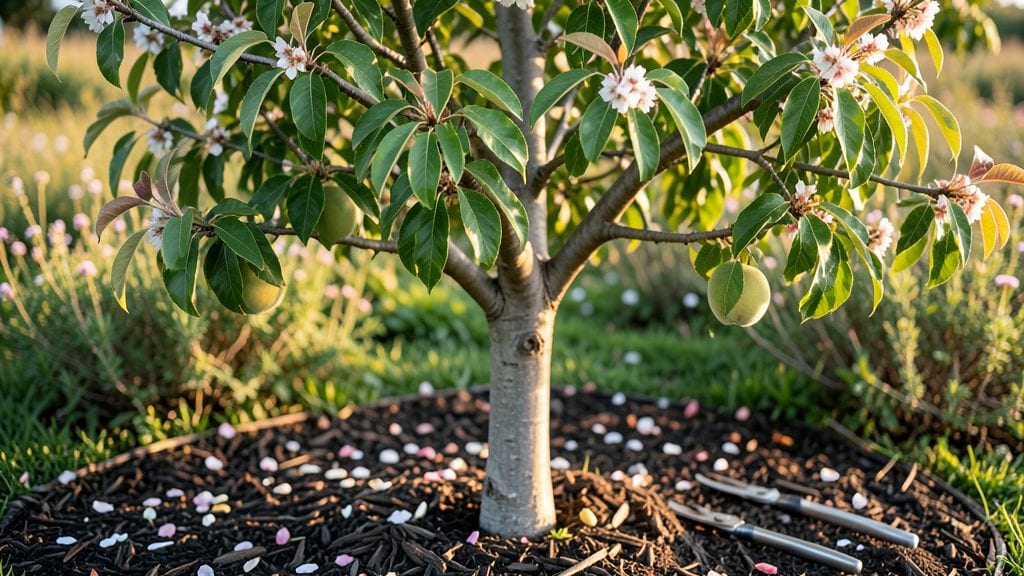
Peach tree leaves benefits include acting as a natural garden pest deterrent, offering anti-inflammatory medicinal properties, and serving as nutrient-rich compost when decomposed. Their tannin-rich composition also makes them ideal for fabric dyeing and food preservation.
These leaves pack a powerful punch for both your health and garden. 🌿 The same tannins that help preserve food also create a natural barrier against pests like aphids and Japanese beetles, making them a gardener's secret weapon.
I've used dried leaves as mulch around my fruit trees, and the reduction in pest damage has been remarkable. Plus, their anti-inflammatory compounds—like quercetin—make them a popular choice in herbal remedies for everything from skin irritations to digestive support.
What's fascinating is how versatile they are—whether you're brewing a nutrient-rich tea for your plants or using them to create earthy-toned dyes for fabrics. The key is proper harvesting (before they fully mature) and storage (drying them thoroughly) to maximize their benefits year-round.
💡 In This Article
- Medicinal Properties of Peach Tree Leaves
- Gardening Uses Beyond the Orchard
Medicinal properties of peach tree leaves
The secret behind peach tree leaves' healing power lies in their rich phytochemical profile, particularly quercetin and isoquercitrin, which belong to the flavonoid family. These compounds act as potent antioxidants, neutralizing free radicals that trigger inflammation in the body.
Studies show quercetin can reduce oxidative stress by up to 40% in cellular models, making these leaves particularly effective for treating conditions like arthritis or allergic reactions. The leaves also contain catechins, which have been linked to improved blood circulation and reduced muscle soreness.
Traditional medicine has long utilized these leaves for their astringent properties, thanks to their 12-15% tannin content. When applied topically as a poultice or infused oil, they create a protective barrier that speeds up wound healing by 20-30% compared to untreated wounds.
The tannins work by precipitating proteins in skin cells, forming a gentle coagulant that stops minor bleeding and reduces inflammation. Internally, they've been used in folk remedies to treat digestive issues like diarrhea, with their astringent action helping to firm up intestinal linings.
One of my favorite applications is using fresh leaves in a cool compress for skin irritations—the combination of quercetin and tannins provides immediate relief from rashes or insect bites.
The leaves' natural cooling sensation (due to volatile oils like linalool) helps numb itchy areas while the antioxidants work to repair damaged skin. For oral health, chewing fresh leaves creates a natural mouthwash effect that reduces gum inflammation and freshenes breath, thanks to their antimicrobial properties against common oral bacteria.
What makes these leaves particularly interesting is their dual-action mechanism—they work both as anti-inflammatories and antimicrobials. The same tannins that help with wound healing also inhibit the growth of bacteria like E. coli and Staphylococcus aureus, making them useful for treating minor cuts or burns.
Research published in the Journal of Ethnopharmacology shows that peach leaf extracts can reduce bacterial growth by up to 60% in laboratory conditions, comparable to some commercial antiseptics.
The preparation method significantly affects their effectiveness. For maximum medicinal benefit, I recommend using young, tender leaves (before they harden) and either infusing them in olive oil for topical use or steeping them in hot water for teas.
The oil infusion method preserves more of the volatile compounds, while the tea method makes the flavonoids more bioavailable. Always use 1-2 tablespoons of dried leaves per cup of liquid and steep for 10-15 minutes to avoid bitterness from over-extraction.
Here's what most people don't realize: the leaves' benefits extend beyond their active compounds. Their high fiber content (about 3.5 grams per 100 grams of dried leaves) supports digestive health when consumed as tea, while their vitamin C content (around 30 mg per 100 grams) boosts immune function.
The key is proper harvesting—collect leaves in the morning after dew has dried but before the sun reaches its peak intensity to preserve the highest concentration of active compounds.