
Diseases
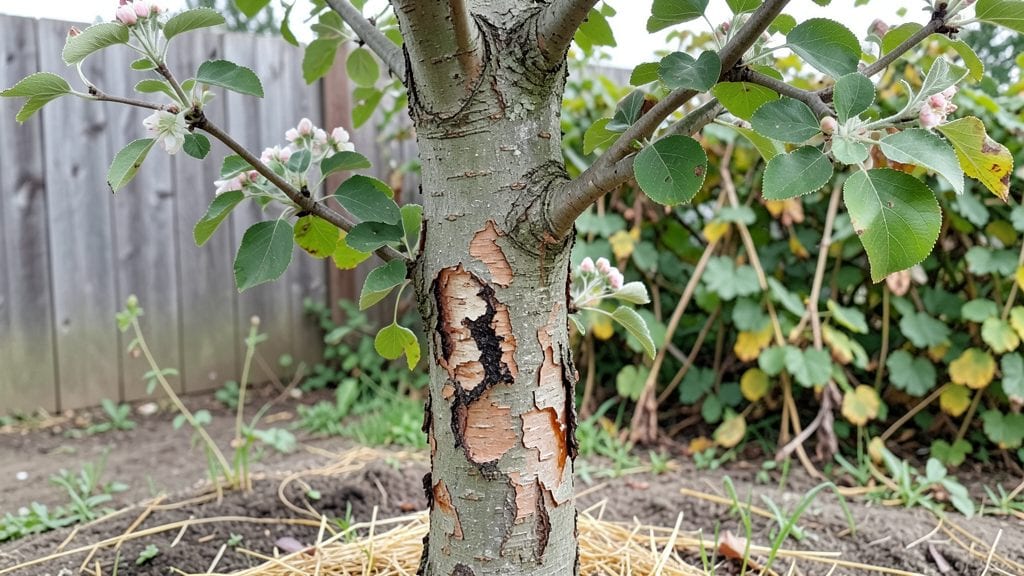
That sudden peeling tree bark disease—whether from drought, fungi, or beetles—isn’t just an eyesore; it’s your tree’s silent SOS. 🌳 beneath the surface. The good news? Most cases are fixable with the right approach, and catching it early means your tree stands a much better chance of staying healthy.
Peeling bark often hides deeper issues: fungal infections like anthracnose, microbial cankers, or even environmental stress from improper watering. I learned the hard way that ignoring it leads to weakened wood, entry points for pests, and—worst of all—a tree that slowly declines.
The key is acting fast: prune damaged areas, apply targeted fungicides, and adjust care to reduce stress. It’s not rocket science, but it does require attention to detail.
You’ll see the difference within weeks—new growth filling in bare spots, bark stabilizing, and your tree looking like its old, vibrant self again. The secret? Combining quick fixes with long-term prevention, like proper mulching and regular inspections.
Think of it as giving your tree a second chance, and with the right care, it’ll thrive for years to come.
For stubborn cases or large trees, don’t hesitate to call an arborist. But for most backyard trees, this guide gives you everything you need to turn things around—no guesswork, just actionable steps. Let’s get that bark back in shape.
Root Causes Behind Bark Peeling
When your tree’s bark starts peeling like an overripe banana, it’s rarely a coincidence—it’s a distress signal from the tree itself. Understanding the why behind this issue is the first step to saving your tree from further damage.
Below, we break down the most common culprits, from environmental stressors to microbial invaders, and explain how they trigger bark peeling in trees.
Trees are resilient, but sudden swings in temperature—whether from scorching heat or freezing cold—can cause their bark to split and peel. Here’s how it happens:
- Heat Stress: Prolonged exposure to high temperatures (especially above 90°F/32°C) dries out the outer bark layers. The inner bark, still moist, expands while the outer layer contracts, creating stress cracks. This is common in birch, sycamore, and beech trees.
- Freeze-Thaw Cycles: Winter’s harshness takes a toll when water trapped in bark freezes and expands, then thaws and contracts. This repeated stress weakens the bark’s integrity, leading to peeling. Maple and cherry trees are particularly vulnerable.
- Sun Scald: In winter, the sun can heat the south or west side of a tree while the rest remains frozen. This uneven warming causes the bark to crack and peel, often exposing the cambium layer (the tree’s growth engine).
💡 Pro Tip: Mulch around the tree’s base to insulate roots and bark from extreme temps. Water trees deeply before winter to prevent moisture loss.
Not all peeling bark is harmless—some of the most damaging causes are pathogenic microbes that invade the tree’s defenses. These infections don’t just peel bark; they can kill the tree if untreated.
| Pathogen | How It Causes Peeling | Tree Types Affected |
|---|---|---|
| Canker Diseases (e.g., Nectria canker, Valsa canker) | Fungi enter through wounds (like pruning cuts) and create sunken, oozing cankers. As the infection spreads, the bark peels back in strips, revealing discolored, dying tissue. | Apple, pear, willow, and shade trees |
| Silver Leaf Fungus (Chondrostereum purpureum) | This fungus clogs the tree’s vascular system, turning leaves silvery and causing the bark to peel and slough off in large patches. It’s often fatal. | Stone fruits (plums, cherries), roses, and some hardwoods |
| Bacterial Leaf Scorch (Xylella fastidiosa) | While primarily a leaf disease, advanced infections can cause bark to split and peel as the bacteria disrupt water transport, leading to stress and death. | Oak, elm, sycamore, and peach trees |
🔥 Warning Sign: If you see oozing sap, dark streaks under the bark, or a foul odor, the tree is likely infected. Act fast—prune infected branches 12 inches below the canker and sterilize tools with rubbing alcohol.
Some pests don’t just live in bark—they devour it. When insects burrow into the cambium or phloem, they create pathways for disease and physical damage that leads to peeling.
- Bark Beetles (e.g., Dendroctonus species): These beetles tunnel under the bark, disrupting the tree’s nutrient flow. As they multiply, the bark peels and falls off in large sections. Pine, spruce, and fir trees are high-risk.
- Scale Insects: While they feed on sap, their honeydew attracts sooty mold, which darkens the bark and weakens it over time. Chronic infestations can cause flaking and peeling, especially in fruit trees and ornamentals.
- Sirex Woodwasps: These wasps lay eggs in dying or stressed trees, and their larvae bore into the wood. The stress from their activity causes the bark to crack and peel prematurely.
👨🍳 Action Step: Look for tiny holes, sawdust-like frass, or resin bleeds—signs of pests. Treat with systemic insecticides (like imidacloprid) or introduce natural predators like parasitic wasps.
Sometimes, peeling bark is a self-inflicted wound. Human (or animal) activity can strip bark and trigger peeling through:
- Improper Pruning: Cutting too close to the trunk or leaving jagged edges creates entry points for pathogens. The tree’s response? Peeling and callousing as it tries to heal.
- Lawn Equipment Trauma: Mowers, trimmers, or even dog nails can gouge bark, leading to slow peeling over months.
- Animal Rubbing: Deer, rabbits, or even birds may scratch bark while marking territory, causing striping and peeling.
✨ Prevention Tip: Prune in late winter/early spring when trees are dormant. Use clean, sharp tools and make cuts at a 45-degree angle just outside the branch collar.
Peeling bark is rarely a standalone issue—it’s a symptom of deeper stress.
By identifying the root cause, you can target the right treatment and give your tree the best shot at recovery. Next up: Learn how to diagnose whether your tree’s peeling is harmless or a red flag for emergency care.
Fixing Damaged Tree Bark Naturally
Peeling or flaking tree bark isn’t just an eyesore—it can signal deeper issues like fungal infections, pest infestations, or environmental stress. The good news? Most cases are treatable with the right approach.
Below, we’ll map the most common causes to practical, step-by-step solutions, plus prevention tips to keep your trees thriving.
Fungi thrive in damp, shaded conditions, causing bark to peel, discolor, or ooze sap. If you spot sunken lesions, powdery growth, or mushroom-like structures at the base, act fast.
🔥 Step 1: Prune for Airflow
- 👨🍳 Remove infected branches 6–12 inches below the damage using sterilized pruners (wipe with rubbing alcohol between cuts).
- 🌿 Thin dense foliage to improve sunlight penetration—fungi love shade and moisture.
🍳 Step 2: Apply Fungicide
- 💡 Choose a copper-based or neem oil fungicide (both are organic and effective).
- 🥘 Spray in the early morning when humidity is high (but avoid rain for 24 hours).
- ⏰ Reapply every 2–4 weeks until new bark forms (usually 1–2 growing seasons).
🔪 Step 3: Protect the Wound
- 🎯 Seal pruning cuts with tree wound paint (optional but helpful for large wounds).
- ✨ Mulch properly: Keep mulch 3–4 inches deep but 6 inches away from the trunk to prevent moisture buildup.
If bark peels to reveal tiny holes, sawdust-like frass, or sticky honeydew, pests are likely the culprits.
🔥 Step 1: Disrupt Their Life Cycle
- 👨🍳 Handpick large pests (like bark beetles) with gloves and drop them in soapy water.
- 🌿 Install pheromone traps (available at garden centers) to catch adult beetles before they lay eggs.
🍳 Step 2: Use Targeted Sprays
- 💡 For soft-bodied pests (scale, mealybugs): Spray with horticultural oil (dormant season) or insecticidal soap.
- 🥘 For borers: Inject systemic insecticide (like imidacloprid) into the tree’s vascular system (hire a pro if unsure).
- ⏰ Time it right: Treat spring or fall when pests are most vulnerable.
🔪 Step 3: Encourage Natural Predators
- 🎯 Plant companion species like ladybugs or parasitic wasps (sold at nurseries).
- ✨ Avoid broad-spectrum pesticides—they kill beneficial insects too.
Sudden temperature swings, poor pruning, or harsh sunlight can cause bark to split, peel, or blister.
🔥 Step 1: Shield the Tree
- 👨🍳 Wrap young or thin-barked trees (like birch or cherry) with tree wrap in winter to prevent frost cracks.
- 🌿 Install shade cloth (30–50% coverage) if sun scald is the issue.
🍳 Step 2: Adjust Watering Practices
- 💡 Deep watering (1–2 inches per week) prevents moisture stress.
- 🥘 Avoid overhead watering—keep the trunk dry to deter fungal growth.
- ⏰ Water in the morning so bark has time to dry.
🔪 Step 3: Prune Correctly
- 🎯 Cut at a 45-degree angle just outside the branch collar (never leave stubs).
- ✨ Prune in late winter/early spring (avoid summer stress).
- 🌡️ Never remove more than 25% of the canopy in one season.
If the tree shows:
- Large, oozing cankers (sign of advanced rot).
- Wilted leaves + peeling bark (possible vascular disease).
- Structural weakness (risk of falling branches).
💡 Pro Tip: A certified arborist can diagnose hidden issues (like Dutch elm disease) and prescribe injections or soil treatments.
| Action | How to Do It | Best Time |
|---|---|---|
| Inspect regularly | Check bark, leaves, and soil monthly. | Spring & Fall |
| Mulch properly | 3–4" deep, 6" from trunk. | Early Spring |
| Water deeply | 1–2" per week; avoid wetting bark. | Growing Season |
| Prune strategically | Remove deadwood; avoid heavy cuts. | Late Winter |
| Fertilize lightly | Use slow-release, balanced fertilizer. | Early Spring |
🌟 Final Thought: Most peeling bark issues are reversible with early action. Start with one solution (like fungicide or pruning), monitor progress, and adjust as needed. Healthy bark = a happy, resilient tree! 🌳💚
Frequently asked questions
Why does my tree's bark peel in strips instead of flaking evenly?
Uneven peeling in strips often signals fungal cankers (like Nectria or Valsa) or bacterial infections. These pathogens create sunken, oozing lesions that force bark to peel back as the tree tries to isolate the damage. Check for dark streaks under the bark—if you see them, act fast with pruning and copper fungicide.
Can I save a tree with completely peeled bark?
It depends! If the cambium layer (green, living tissue under bark) is exposed, the tree may recover with proper care. Prune damaged areas, apply fungicide, and monitor for new growth. However, if the trunk shows large cankers or structural weakness, consult an arborist—the damage may be irreversible.
Is peeling bark always a sign of disease?
Not always! Some trees naturally shed bark (like birch or sycamore) as they grow. Look for healthy new bark forming underneath. True disease shows discoloration, oozing sap, or fungal growth. If your tree is otherwise thriving, it’s likely just normal shedding.
How do I tell if my tree has bark beetles vs. a fungal infection?
Bark beetles leave tiny exit holes (like BB pellets) and sawdust-like frass near the base, while fungi create sunken, oozing cankers with powdery spores. For beetles, use pheromone traps; for fungi, prune infected branches and apply copper fungicide. Both require different treatments!
Will sealing peeled bark with paint or caulk help?
No—sealing peeled bark traps moisture and worsens rot. Let the tree heal naturally by pruning damaged areas and keeping the trunk dry. Only use tree wound paint on large pruning cuts (not peeled sections) to protect against sun and pests.