
Trees
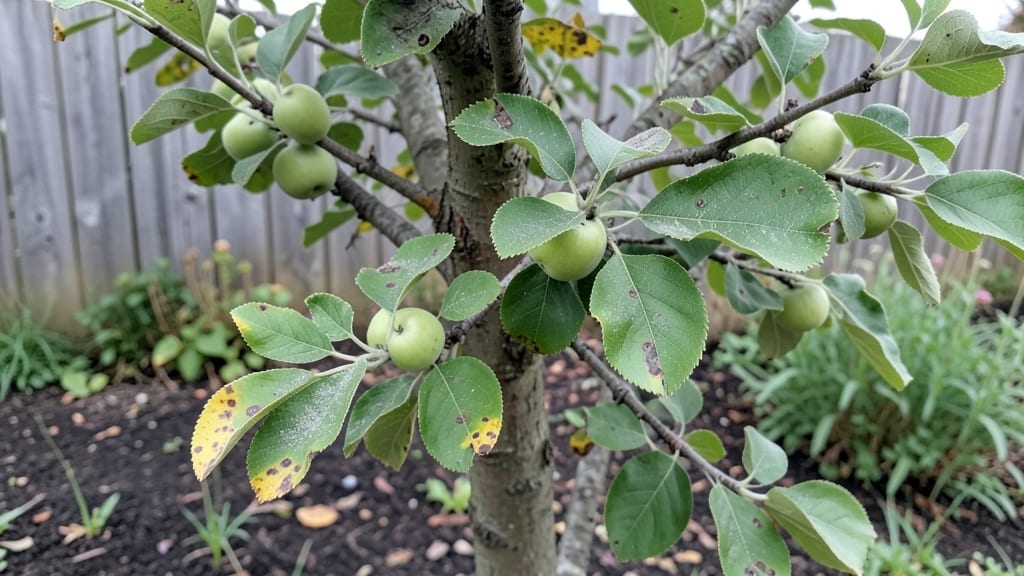
These pictures of diseased apple tree leaves—speckled brown spots or fuzzy white patches—aren’t just cosmetic; they’re early warnings of apple scab, powdery mildew, or fire blight. 🌿 I’ve seen healthy trees turn into sad shadows in just a few weeks when these diseases go unchecked.
Most gardeners spot the damage too late because symptoms start small—tiny black dots on undersides of leaves or powdery coatings that look like dust. The key is catching these early, when a simple copper spray or neem oil can save your harvest instead of drastic pruning.
My own tree went from struggling to thriving after I learned these visual clues.
You’ll recognize the exact patterns in the images we’ll cover, plus how to tell them apart. Apple scab leaves curl like burnt edges, mildew coats leaves like flour dust, and fire blight creates blackened, dead branches. Each needs a different fix, but all respond best when you act fast.
This isn’t just about saving leaves—it’s about keeping your tree productive for years. With the right tools and timing, you can stop diseases before they spread. Let’s turn those warning signs into action steps before your tree’s health takes a hit.
Root Causes Behind Leaf Damage
When your apple tree’s leaves start showing distress—whether through spots, discoloration, or unsightly blemishes—it’s rarely a coincidence. These symptoms are your tree’s way of signaling trouble, often tied to biological, environmental, or even human-related factors.
Understanding why these issues arise is the first step to saving your orchard. Below, we break down the most common culprits and the science behind them.
Fungi are the #1 cause of diseased apple tree leaves, thriving in moist, warm conditions. These microscopic organisms latch onto leaves, stems, or fruit, feeding on nutrients and releasing toxins that trigger visible symptoms.Key fungal offenders:
- Apple Scab (Venturia inaequalis): Causes olive-green, velvety spots that turn dark and crusty. Spores spread via wind and rain, especially in spring.
- Powdery Mildew (Podosphaera leucotricha): Leaves develop a white, powdery coating, reducing photosynthesis. It loves humid, shaded areas.
- Black Rot (Botryosphaeria obtusa): Produces dark, circular lesions with a "target-like" pattern, often appearing in wet seasons.
💡 Pro Tip: Fungal spores often overwinter in fallen leaves or bark, so cleanup is critical. Remove and destroy infected debris in fall to break the cycle.
Insects don’t just eat leaves—they inject saliva, introduce bacteria, or leave behind sticky honeydew that fosters sooty mold. Some pests, like mites, are so tiny you might not see them until the damage is done.Notorious leaf pests:
| Pest | Symptoms | Why It Happens |
|---|---|---|
| Apple Aphids | Curled, yellowed leaves; sticky residue (honeydew) | These sap-suckers cluster on new growth, weakening the tree and spreading viral diseases. |
| Spider Mites | Fine webbing; stippled, bronze-colored leaves | Drought stress makes trees more susceptible—mites thrive in hot, dry conditions and pierce cells to drain nutrients. |
| Coddling Moth Larvae | Ragged holes in leaves; fruit damage | Larvae feed on leaves and fruit, often hiding in rolled-up leaf edges or fruit wounds. |
🔥 Warning: Overwatering can attract soft-bodied pests like aphids. Aim for deep, infrequent watering to promote root health and resilience.
Leaves aren’t just reacting to pathogens—they’re also sensitive to their surroundings. Extreme weather, poor soil, or even human activities can trigger distress signals.Common environmental triggers:
- Nutrient Deficiencies: Yellowing between leaf veins (chlorosis) often signals iron or magnesium deficiency, common in alkaline soils.
- Water Stress:
- Overwatering: Leads to root rot and fungal growth (e.g., Phytophthora).
- Underwatering: Causes leaf scorch (brown edges) and makes trees vulnerable to mites.
- Temperature Swings: Sudden frosts or heatwaves can cause sunscald (white/yellow patches) or cold injury (blackened tips).
- Pollution or Herbicide Drift: Chemical exposure (e.g., from nearby lawn treatments) can mimic disease symptoms like bleaching or stippling.
🌡️ Actionable Fix: Test your soil’s pH and nutrient levels. Apple trees prefer slightly acidic soil (pH 6.0–6.5). Amend with compost or sulfur if needed.
Sometimes, the "cure" becomes the problem. Overuse of pesticides, fungicides, or even well-meaning fertilizers can harm leaves directly or disrupt the tree’s natural defenses.How chemicals cause damage:
- Fungicide Burn: Copper-based sprays or sulfur can scorch leaves if applied in high heat or humidity.
- Pesticide Resistance: Repeated use of the same chemical trains pests to develop resistance, leading to worse infestations.
- Nitrogen Overload: Too much synthetic nitrogen promotes rapid, weak growth, making leaves soft targets for pests/disease.
✨ Smart Swap: Rotate organic and synthetic treatments (e.g., neem oil + horticultural oil) to reduce resistance and minimize harm.
Fixing Your Apple Tree’s Ailing Leaves
Seeing spotted, curled, or discolored apple tree leaves can be heartbreaking—but the good news is that most issues are treatable with the right approach. Below, we’ve mapped out practical solutions for common diseases, pests, and environmental stressors, along with prevention tips to keep your tree thriving. Act fast, and your apple tree can bounce back!
🔥 Remove Infected Foliage Immediately
Fungal spores spread like wildfire in damp conditions. Prune and dispose of heavily infected leaves (don’t compost them—bag and trash them). Focus on removing leaves with:
- White powdery coatings (powdery mildew)
- Dark, crusty spots (apple scab)
- Shriveled, blackened patches (black rot)
🍳 Apply Fungicide at the Right Time
Prevention is key! Use copper-based fungicides or neem oil as a natural option. Timing matters:
- Early spring (before buds swell) – Spray to prevent spores from taking hold.
- After rain or high humidity – Fungi love moisture, so reapply if it rains within 24 hours.
Pro Tip: 💡 Mix 1 tbsp baking soda + 1 tsp dish soap + 1 quart water for a DIY fungicide (test on a small leaf first!).
🌡️ Improve Air Circulation & Sunlight
Fungi thrive in shady, crowded spaces. Thin out branches to allow airflow, and consider:
- Pruning only during dry weather (avoid wet tools).
- Planting sun-loving companions (like lavender or marigolds) nearby to deter fungi.
👨🍳 Blast Off Pests with Water or Soap Spray
For aphids or mites, a strong spray from the hose (or a 1 tsp mild soap + 1 quart water solution) can knock them off. Repeat every 3–5 days until gone.
🔪 Use Organic or Chemical Barriers
For codling moths (those sneaky fruit borers), try:
- Pheromone traps – Place them in early spring to disrupt mating.
- Kaolin clay – A natural mineral that coats leaves and deters pests (apply when buds are still tight).
- Insecticidal soap or horticultural oil – Spray before pests appear for prevention.
🎯 Monitor & Act Early
Check the undersides of leaves weekly for eggs or webbing. Remove damaged fruit immediately—infested apples spread codling moth larvae.
📊 Test Your Soil & Amend as Needed
Yellow leaves (especially between veins) often signal iron or nitrogen deficiency. Get a soil test from a local extension office, then:
- Add compost or well-rotted manure to improve organic matter.
- Use a balanced fertilizer (10-10-10) in early spring.
- For iron deficiency, apply chelated iron (follow package rates).
🥗 Water Deeply & Consistently
Apple trees hate wet feet but also drought stress. Water deeply 1–2 times per week (more in extreme heat) and mulch 3 inches thick around the base (but not touching the trunk).
✨ Boost with Micronutrients
If leaves are purple or red (phosphorus deficiency), try a bone meal application. For general health, foliar spray with seaweed extract can help.
An ounce of prevention saves a pound of cure! Follow these year-round habits to protect your apple tree:
- 🌡️ Sanitize Tools – Wipe pruners with rubbing alcohol between cuts to prevent disease spread.
- 🍂 Clean Up Debris – Rake and remove fallen leaves in late fall/winter to starve overwintering pests.
- 🌧️ Improve Drainage – If your tree sits in a low spot, create a swale or raised bed to prevent waterlogging.
- 🐝 Support Beneficial Insects – Plant dill, yarrow, or clover nearby to attract ladybugs and lacewings (natural pest predators).
- 📅 Follow a Spray Schedule – Even if your tree looks healthy, apply preventive fungicides in early spring and after rain.
With these steps, your apple tree should regain its lush, disease-free foliage in no time. Keep an eye out for early signs, act quickly, and your tree will reward you with plenty of juicy apples for years to come! 🍏🌟
Frequently asked questions
How can I tell if my apple tree leaves show early signs of disease?
Look for tiny dark spots (apple scab), white powdery coatings (powdery mildew), or blackened edges (fire blight). Check leaf undersides first—many diseases start there. Compare with healthy leaves to spot differences early.
Are these leaf diseases contagious to other trees in my yard?
Yes, many fungal diseases like apple scab and powdery mildew spread via spores carried by wind or rain. Isolate infected trees temporarily and clean up fallen leaves to prevent cross-contamination with nearby fruit trees.
What’s the fastest way to stop powdery mildew from spreading?
Prune infected leaves immediately and apply a baking soda spray (1 tbsp + 1 tsp soap + 1 quart water) every 7-10 days. Improve airflow by thinning branches—this cuts humidity where mildew thrives.
Can I still harvest fruit from a tree with diseased leaves?
It depends: If only leaves are infected (like powdery mildew), fruit may still be safe to eat. But with diseases like fire blight, remove all fruit from infected branches. When in doubt, wash fruit thoroughly before eating.
Will removing all diseased leaves kill my apple tree?
No—removing only heavily infected leaves actually helps the tree focus energy on healthy growth. Just avoid over-pruning (never remove more than 25% of foliage at once). The key is balance, not drastic cuts.