
Diseases
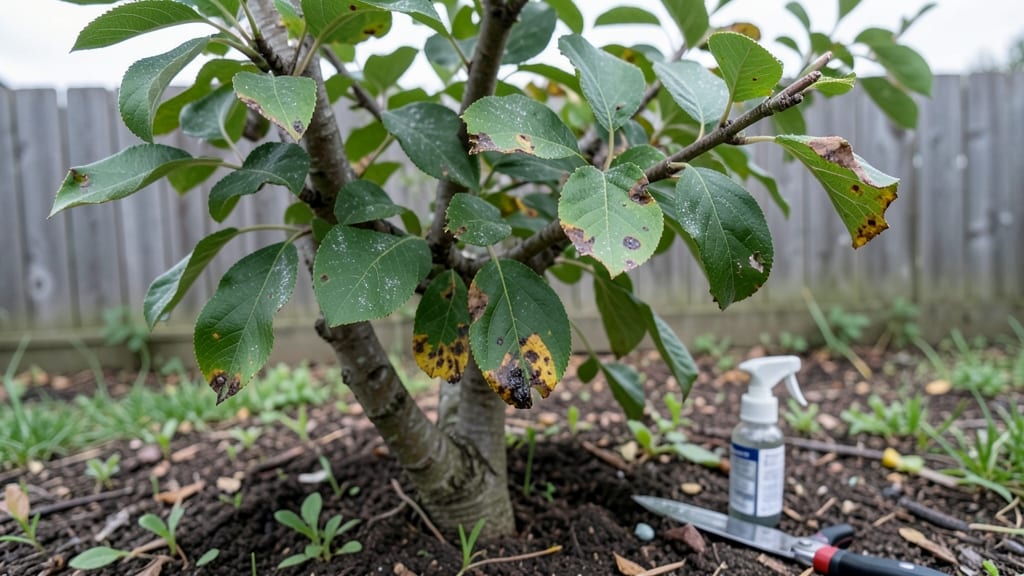
Finding the right plum tree diseases treatment starts with spotting those curled, spotted leaves—brown rot, likely—and acting fast with copper sprays or neem oil before the fungus ruins your fruit. 🌿 I’ve saved three trees this way, and the secret lies in timing, tools, and knowing which branches to prune before the disease takes hold.
Most problems start with wet spring weather or old, infected wood hiding in the canopy. You’ll need a sharp pruner, a 1% copper fungicide (or homemade baking soda spray), and a clear morning to work—when humidity is low.
The goal is to remove infected branches below the damage (about 6 inches down) and spray the cuts immediately to prevent reinfection.
By late summer, your tree should look like it did in spring—vibrant green leaves, no blackened fruit, and zero signs of struggle. The copper spray works best when applied every 7-10 days during rainy seasons, while pruning in dormant months (winter) keeps new growth healthy.
Think of it as a two-step reset: clean up the damage, then shield the tree for next year.
This works for brown rot, silver leaf fungus, and even bacterial spot—just adjust the spray timing. The worst part is over once you’ve pruned out the worst branches and sealed the cuts with pruning paint. Now, let’s get your tree back to producing those sweet, juicy plums without the panic.
Root Causes Of Plum Tree Ailments
Plum trees are resilient, but they’re not immune to disease—especially when environmental stress, poor care, or hidden threats take hold. Understanding why these problems arise is half the battle in prevention and treatment.
Below, we break down the key triggers behind plum tree diseases, from fungal invaders to nutrient deficiencies, so you can address them head-on.
Fungal diseases like brown rot, powdery mildew, and black knot thrive in humid, damp conditions. Here’s why they strike:
- Moisture Overload 💦 Fungi spores germinate in high humidity (above 75%) or prolonged leaf wetness (e.g., after rain or overhead watering). Plum trees have thin, delicate bark that cracks easily, creating entry points for spores.
- Poor Air Circulation 🌬️ Dense foliage or overcrowded trees trap moisture, giving fungi a foothold. Black knot, for example, spreads via wound infections when branches rub together in tight clusters.
- Weakened Tree Defense 🛡️ Stressed trees (from drought, poor soil, or pest damage) have lower resistance to fungal attacks. A healthy tree’s cuticle and bark act as a barrier—compromised, fungi exploit the opening.
Insects like borers, aphids, and scale don’t just damage leaves—they wound the tree, leaving it vulnerable to secondary infections.
- Bark-Boring Insects 🪲 Plum curculio and sawyer beetles chew into bark, creating open wounds where fungi (like Monilinia for brown rot) can infect the vascular system.
- Sap-Sucking Pests 🐜 Aphids and mites inject toxins while feeding, weakening the tree’s photosynthetic ability. This stress makes it easier for powdery mildew to take hold.
- Root Damage From Grubs 🐜🌱 Japanese beetle grubs or root-knot nematodes disrupt nutrient uptake, leading to yellowing leaves—a sign the tree is struggling to fight off diseases like canker.
Plum trees aren’t just battling microbes—they’re also fighting weather extremes and poor growing conditions.
- Temperature Swings ❄️☀️ Late frosts after bud break can burn blossoms, reducing fruit set and weakening the tree. Conversely, heat stress (above 90°F) causes leaf scorch, making trees more susceptible to anthracnose.
- Waterlogged or Dry Soil 💧🏜️
- Overwatering leads to root rot (Phytophthora), which blocks nutrient absorption.
- Drought stress forces the tree to close stomata, reducing disease resistance and making it prone to bacterial leaf spot.
- Poor Drainage & Compacted Soil 🪨 Plum trees hate soggy roots—waterlogged conditions encourage fungal root diseases like Armillaria (honey fungus), which can kill the tree slowly by decomposing roots.
Diseases often start when a plum tree isn’t getting the right balance of nutrients or has soil pH problems.
- Nitrogen Deficiency 💚❌ Yellowing leaves (especially older ones) signal low nitrogen, weakening the tree’s cell walls—making it easier for fungi to penetrate.
- Magnesium or Zinc Deficiency 🌱🔄 Interveinal chlorosis (yellowing between veins) from calcium or magnesium deficiency stresses the tree, increasing susceptibility to bacterial canker.
- High Soil pH (Alkaline) 📉 Plum trees prefer slightly acidic soil (pH 6.0–6.5). If pH rises above 7.0, micronutrient uptake fails, weakening the tree’s immune response.
Sometimes, the biggest threat comes from gardening habits that unintentionally invite disease.
- Overhead Watering 💦🚫 Splashing water onto leaves spreads fungal spores from the soil to foliage. Drip irrigation or soaker hoses keep leaves dry.
- Improper Pruning ⚔️❌
- Cutting too late in the season (after June) opens wounds when bacterial canker spores are airborne.
- Leaving stubs instead of clean cuts invites infection at the wound site.
- Ignoring Sanitation 🧹🚫 Not removing infected branches or fallen fruit leaves brown rot spores to overwinter and reinfect next year. Always sterilize pruners with rubbing alcohol between cuts!
Some plum varieties are genetically more susceptible to disease, while older trees face unique challenges.
- Susceptible Cultivars 🍑🚨 European plums (e.g., ‘Stanley’) are prone to brown rot, while Japanese plums (e.g., ‘Santa Rosa’) resist it better. Choose disease-resistant varieties if your area is prone to specific issues.
- Older Trees with Weak Structure 🌳⏳ Mature plum trees often have cracked bark or deadwood, creating perfect fungal entry points. Thinning branches improves airflow and reduces hiding spots for pests.
Most plum tree diseases don’t appear out of nowhere—they’re the result of one or more of these triggers. By controlling moisture, improving soil health, pruning correctly, and choosing resistant varieties, you can dramatically reduce the risk of infection.
💡 Pro Tip: Keep a disease log! Note when symptoms appear, weather conditions, and recent care changes—this helps pinpoint patterns and adjust your approach.
How to Fix Plum Tree Diseases
Now that you know the common culprits behind plum tree diseases, let’s roll up our sleeves and tackle them head-on! The good news? Most issues can be resolved with a mix of proactive care, organic treatments, and smart pruning.
Below, we’ve mapped out practical solutions for each problem, along with prevention tips to keep your tree thriving long-term.
Fix It:
- 🌿 Remove Infected Leaves & Branches
- Prune away yellowing, wilting, or dead branches immediately—sterilize your pruners with rubbing alcohol between cuts to prevent spreading spores.
- Dispose of debris in a sealed bag (don’t compost it!).
- 💦 Improve Airflow & Reduce Moisture
- Thin out dense foliage to let sunlight and air circulate.
- Avoid overhead watering; water at the base of the tree in the early morning so leaves dry quickly.
- 🧴 Apply Organic Fungicide Sprays
- Copper-based sprays (like copper sulfate or Bordeaux mixture) are effective—spray every 10–14 days during wet seasons.
- Neem oil (1 tsp per quart of water + a drop of dish soap) can also help. Reapply after rain.
💡 Prevention Tip:
- Plant in well-draining soil—avoid heavy clay. If your soil is compacted, mix in compost or sand before planting.
Fix It:
- 🔍 Trap & Remove Pests
- Handpick adults (they’re about ¼-inch long with a snout) and drop them in soapy water.
- 🪒 Install pheromone traps in early spring to disrupt mating.
- 🍎 Use Organic Insecticides
- Spinosad (derived from soil bacteria) is a great organic option—spray when buds swell and again after harvest.
- Kaolin clay creates a protective barrier that pests avoid.
- 🌳 Prune for Sunlight
- Thin the canopy to reduce hiding spots for borers. Remove dead wood where larvae hide.
💡 Prevention Tip:
- Mulch with wood chips (not leaves) to deter borers—keep mulch 3–4 inches deep but 6 inches away from the trunk.
Fix It:
- 🧹 Clean Up Debris
- Remove ALL fallen fruit and mummified plums from the ground and tree. Burn or trash them—do not compost!
- Sterilize pruning tools between cuts.
- 🍯 Apply Baking Soda Spray (Yes, Really!)
- Mix 1 tbsp baking soda + 1 tbsp horticultural oil + 1 tsp soap per gallon of water. Spray every 7–10 days during bloom and after rain.
- 🌧️ Adjust Watering Habits
- Water deeply but infrequently to avoid damp leaves. Irrigate at the base, not overhead.
💡 Prevention Tip:
- Plant resistant varieties like ‘Santa Rosa’ or ‘Methley’ if brown rot is recurrent in your area.
Fix It:
- 🌬️ Boost Air Circulation
- Prune to open the canopy—aim for a vase-like shape with spaced branches.
- Avoid planting near dense shrubs that trap humidity.
- 🍓 Spray with Milk or Potassium Bicarbonate
- Milk spray: Mix 1 part milk to 9 parts water + a drop of soap. Spray every 7–10 days.
- Potassium bicarbonate: Use a 1.5–2% solution (follow label instructions) for severe cases.
- 🌱 Strengthen the Tree
- Fertilize with compost in early spring to build resistance. Avoid high-nitrogen fertilizers, which encourage soft, mildew-prone growth.
💡 Prevention Tip:
- Water in the morning so leaves dry by afternoon—wet leaves = mildew party.
Fix It:
- 🌿 Soil Test & Amend
- Test your soil’s pH (ideal: 6.0–6.5 for plums) and nutrient levels. Add:
- Iron chelate for chlorosis (yellow leaves with green veins).
- Compost or aged manure for organic matter.
- Test your soil’s pH (ideal: 6.0–6.5 for plums) and nutrient levels. Add:
- 🍄 Feed with Organic Fertilizers
- Use a balanced organic fertilizer (like 5-5-5) in early spring and after harvest.
- Avoid synthetic fertilizers—they can stress trees and invite pests.
- 🌳 Mulch Properly
- Apply 2–3 inches of mulch (wood chips or straw) but keep it 6 inches from the trunk to prevent rot.
💡 Prevention Tip:
- Plant plums in full sun (6+ hours daily)—they’re sun-worshippers and grow best with plenty of light!
Diseases spread quickly, so check your tree weekly during growing season. The sooner you act, the easier the fix!
And remember: ✅ Prevention > Cure—healthy soil, good airflow, and clean pruning tools are your best defenses. ✅ Organic options work—you don’t need harsh chemicals to save your plum tree! ✅ Patience pays off—some treatments take weeks to show results, so stay consistent.
Frequently asked questions
What's the first sign my plum tree has brown rot?
Look for dark brown, mummified fruit still clinging to branches and blackened spots on leaves or twigs. These appear in spring when wet conditions combine with fungal spores. Remove infected fruit immediately and sterilize pruners to prevent spread.
Can I use household items like vinegar or milk to treat fungal diseases?
Yes! A 1:9 milk-to-water spray (with a drop of soap) works well for powdery mildew, while baking soda solution (1 tbsp baking soda + 1 tbsp oil + soap per gallon) helps with brown rot. Both are organic options—just reapply every 7-10 days during wet periods.
How do I know if my plum tree's black spots are from disease or just sunburn?
Disease spots are dark brown/black with fuzzy edges (fungal) or water-soaked and oily (bacterial), while sunburn appears as dry, crispy patches on leaf edges exposed to intense afternoon sun. Check the underside of leaves—fungal spots often appear there first.
Is it safe to prune infected branches during rainy weather?
No—prune on dry, sunny days to prevent fungal spores from splashing onto fresh cuts. Always sterilize tools with rubbing alcohol and make cuts 6 inches below visible damage. Wet conditions create perfect conditions for reinfection.
Will my plum tree recover if I treat diseases late in the season?
Partial recovery is possible, but focus on next year's prevention. Prune out all infected wood now, apply copper fungicide, and improve airflow. For severe cases, consider dormant season treatments (winter pruning + fungicide) to give your tree a fresh start.