
Container Gardens
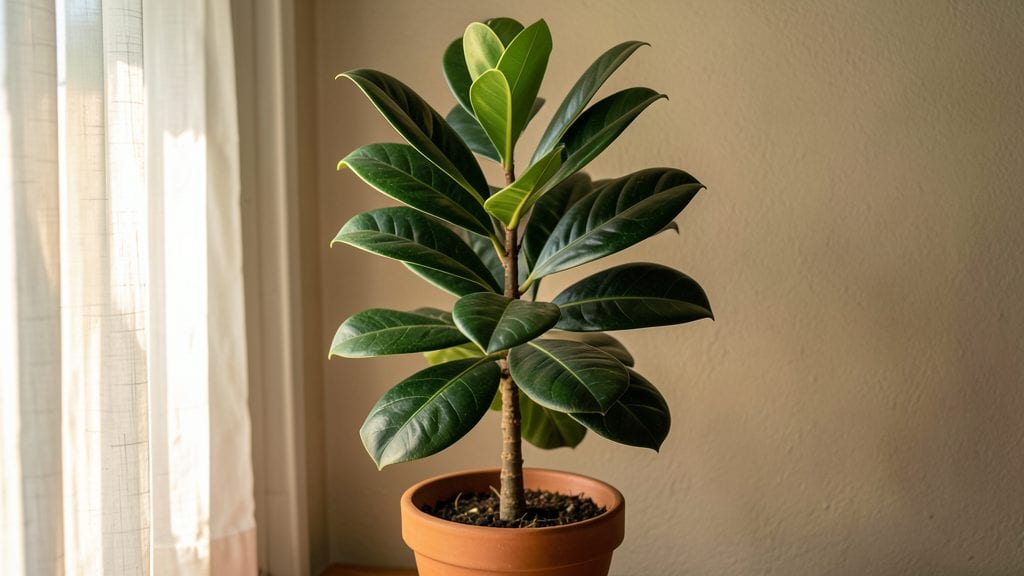
Growing potted live trees lets you create a lush privacy screen anywhere—balcony, patio, or even indoors. 🌿 My first attempt with a dwarf Japanese maple taught me that the right species, soil, and sunlight make all the difference.
The key isn’t just picking a pretty tree; it’s matching its needs to your space. Some thrive in full sun, others prefer shade, and drainage makes or breaks long-term success.
Start with containers that match the tree’s mature size—10-15 gallons for small varieties, 20+ gallons for larger ones. Use a well-draining mix with 30% perlite or sand to prevent root rot, and always check the bottom of the pot for drainage holes.
Watering’s tricky: too much drowns roots, too little stresses the tree. Stick your finger 2 inches deep—if it’s dry, water until it drains freely.
You’ll see steady growth with proper care, and the best part? These trees stay compact enough for containers while still offering year-round greenery. A well-placed potted tree blocks noise, softens views, and adds value to small spaces.
The trade-off? Repotting every 2-3 years keeps roots healthy and growth strong. Indoor trees need extra light and humidity, while outdoor ones handle seasonal shifts with ease.
Common challenges like root-bound issues or yellowing leaves have simple fixes—root pruning during repotting and adjusting watering based on leaf color. With the right species and care, your potted trees will outlast temporary screens and become a permanent feature. Let’s get those containers planted!
Root Bound Issues Explained
Understanding why potted live trees struggle—or even fail—often starts with their roots. When a tree is confined to a container, its root system faces physical and biological constraints that can stifle growth or trigger stress. Here’s a breakdown of the most common root-related causes and why they happen:
Potted trees are vulnerable to root binding, where roots grow in a tight circle or spiral, circling the pot’s interior like a corkscrew. This happens because: - Natural growth patterns are restricted: In the wild, roots spread outward and downward to access nutrients and water.
In a pot, they have no choice but to loop back toward the center, creating a dense, tangled mass. - Nutrient and oxygen depletion: As roots crowd, they compete aggressively for water and minerals.
The center of the root ball may become anaerobic (oxygen-starved), leading to root suffocation—a condition where roots can’t breathe and begin to rot. - Physical stress: Bound roots can’t absorb water efficiently, causing drought stress even when the soil appears moist.
This triggers wilting, yellowing leaves, or premature leaf drop, especially in heat.
Actionable fix: Repot into a container 2–3 times larger in diameter every 2–3 years, using a well-draining potting mix. Gently tease out circling roots during transplanting to encourage outward growth.
Containers are notorious for holding excess water, which is deadly for roots. Here’s why: - Compacted soil: Heavy or clay-based potting mixes don’t drain well, trapping water at the bottom of the pot.
Roots at the lowest level drown while upper roots suffer from dehydration. - Lack of aeration: Waterlogged soil displaces oxygen, forcing roots to switch to anaerobic respiration—a slow, inefficient process that produces toxic byproducts like ethanol, which poisons the tree. - Fungal infections: Stagnant water breeds root rot pathogens (e.g., Phytophthora or Pythium), which attack weakened roots, cutting off the tree’s water and nutrient supply.
Actionable fix:
- Use a fast-draining mix (e.g., 60% inorganic matter like perlite/pumice + 40% organic, such as bark or compost).
- Add 1–2 drainage holes if the pot lacks them (or use a cache pot—a decorative outer pot with a removable inner one).
- Water only when the top 1–2 inches of soil are dry, and empty saucers after watering to prevent soggy roots.
The pot itself can be a silent killer. Here’s how: - Heat retention: Dark-colored or thick plastic/ceramic pots absorb and radiate heat, raising soil temperatures to dangerous levels (above 90°F/32°C).
Roots cook in extreme heat, losing membrane integrity and dying. - Cold shock: Uninsulated pots in winter can freeze roots, causing cellular damage and disrupting water uptake.
Even a single freeze-thaw cycle can kill a tree’s root system. - Material reactions: Cheap plastic pots may leach chemicals over time, while untreated wood can rot, introducing mold and bacteria into the root zone.
Actionable fix:
- Choose light-colored or insulated pots (e.g., fiberglass, glazed ceramic, or double-walled containers).
- In winter, wrap pots in burlap or use tree blankets to moderate temperatures.
- Avoid metal pots unless lined with a protective barrier (e.g., plastic liner).
Ironically, too much pot can cause problems if the soil isn’t refreshed. Here’s why: - Nutrient depletion: Potted trees exhaust nutrients faster than in-ground trees.
After 1–2 years, nitrogen, phosphorus, and micronutrients (like iron or magnesium) become scarce, leading to: - Chlorosis (yellowing leaves) from iron deficiency. - Stunted growth due to phosphorus shortages. - Weak stems from calcium or potassium deficits. - Soil compaction: Over time, organic matter breaks down, leaving a dense, clay-like substrate that repels water and suffocates roots.
Actionable fix:
- Fertilize regularly with a slow-release granular fertilizer (e.g., Osmocote) or liquid feed (like fish emulsion) every 4–6 weeks in growing season.
- Top-dress with compost annually to replenish organic matter.
- Repot every 2–3 years with fresh, nutrient-rich soil.
Containers concentrate pests and pathogens, turning a small pot into a hotspot for infestations.
Common culprits: - Root-knot nematodes: Microscopic worms that burrow into roots, causing galls (lumpy growths) that block water and nutrient flow. - Fungal pathogens: Armillaria (honey fungus) or Verticillium wilt thrive in damp, crowded roots, severing vascular tissue and killing the tree from the roots up. - Insect larvae: Grubs (e.g., Japanese beetle larvae) chew through roots, turning them into a mushy, decaying mess.
Actionable fix:
- Inspect roots during repotting for signs of pests (e.g., galls, frass, or fungal mycelium).
- Sterilize pots between uses with a 10% bleach solution or baking in the oven (200°F/93°C for 30 minutes).
- Use beneficial nematodes (e.g., Steinernema) to combat root-knot nematodes in organic systems.
Revive & Prevent Potted Tree Struggles
Potted live trees bring beauty and privacy to your space—but when they struggle, it’s easy to feel frustrated. The good news? Most issues have simple fixes, and a few proactive steps can keep your container-grown greenery thriving all year.
Below, we’ll tackle the most common problems with clear, actionable solutions and prevention tips to keep your trees lush and healthy.
Yellow or wilted leaves are often a cry for help from your tree. The fix depends on whether it’s drowning in moisture or parched.
💦 Overwatering Fix (Root Rot Prevention)
- Step 1: Check the Soil 👨🍳 – Stick your finger 2–3 inches into the soil. If it’s soggy, your tree is getting too much water.
- Step 2: Let It Dry Out ⏰ – Pause watering for a few days.
Place the pot in a shaded spot to slow evaporation. - Step 3: Improve Drainage 🔧 – If the pot lacks drainage holes, transfer the tree to one with holes or add a layer of gravel at the bottom.
For severe cases, repot into fresh, well-draining soil. - Prevention Tip: 🌡️ Water only when the top 1–2 inches of soil feel dry. In winter, reduce watering by half—container soil stays moist longer.
💧 Underwatering Fix (Reviving Thirsty Roots)
- Step 1: Deep Watering 💦 – Water thoroughly until it drains from the bottom.
Repeat every 5–7 days (adjust for climate). - Step 2: Mulch for Moisture 🌿 – Add 1–2 inches of organic mulch (like bark chips) around the base to retain moisture. - Step 3: Adjust Pot Size 📏 – If the tree is in a small pot, consider upgrading to a larger container (12–18 inches for mature trees) to hold more soil and water. - Prevention Tip: 🎯 Use a moisture meter or the "squeeze test" (gently press soil—if it crumbles, it’s dry).
Brown, brittle leaves often mean your tree is either too dry or under attack. Here’s how to bring it back to life.
🌬️ Low Humidity Fix
- Step 1: Mist the Leaves 💦 – Use a spray bottle to mist foliage daily, especially in dry indoor or urban settings.
- Step 2: Group Pots Together 🏡 – Place trees near each other to create a microclimate with higher humidity.
- Step 3: Use a Peat Moss Top-Dressing 🌱 – Sprinkle a thin layer of peat moss over the soil to slow moisture loss.
- Prevention Tip: 💡 In winter, use a humidifier nearby or place pots on a tray of pebbles with water (ensure the pot isn’t sitting in water).
🐜 Pest Control for Brown Spots
- Step 1: Inspect for Pests 🔍 – Check leaves and stems for spider mites, aphids, or scale.
Look for sticky residue (honeydew) or tiny webs. - Step 2: Treat with Neem Oil 🌿 – Mix 1 tsp neem oil with 1 quart of water and spray affected areas.
Repeat every 5–7 days. - Step 3: Prune Damaged Leaves ✂️ – Snip off brown or infested leaves with clean scissors to prevent spread. - Prevention Tip: ✨ Inspect new plants before bringing them home. Quarantine them for a week to catch pests early.
If your tree isn’t growing as expected, it might need a nutrient boost or more space to stretch its roots.
🍽️ Fertilizer Fix for Slow Growth
- Step 1: Test Soil pH 📊 – Use a soil test kit to check if the pH is balanced (ideal: 6.0–7.0 for most trees).
Adjust with lime (for acidic soil) or sulfur (for alkaline soil). - Step 2: Feed with Slow-Release Fertilizer 💪 – Apply a balanced, slow-release fertilizer (like 10-10-10) in early spring and midsummer.
Follow package instructions. - Step 3: Use Organic Amendments 🥗 – Mix compost or worm castings into the top 2 inches of soil for a natural nutrient boost. - Prevention Tip: 🌱 Feed container trees every 4–6 weeks during growing season (spring–fall). Avoid fertilizing in winter.
🌳 Root-Bound Solution
- Step 1: Check for Circling Roots 🔍 – Gently remove the top layer of soil.
If roots are circling tightly or emerging from drainage holes, it’s time to repot. - Step 2: Repot into a Larger Container 📏 – Choose a pot 2–3 inches wider in diameter.
Use fresh, well-draining potting mix. - Step 3: Prune Roots Gently ✂️ – Trim any excessively long or circling roots with clean shears before repotting. - Prevention Tip: 🎯 Repot every 2–3 years or when roots fill the pot. Use a pot with drainage holes to prevent root suffocation.
Cold snaps can shock potted trees, but with the right care, they’ll bounce back in spring.
🔥 Cold Damage Recovery
- Step 1: Protect from Frost ❄️ – Move pots to a sheltered location (like a garage or under an eave) before temperatures drop below 30°F.
- Step 2: Wrap the Pot 🧥 – Use bubble wrap or burlap around the pot to insulate roots.
Avoid plastic directly on leaves. - Step 3: Water Sparingly 💧 – Reduce watering in winter, but don’t let soil dry out completely. Use room-temperature water. - Prevention Tip: 🌡️ Choose cold-hardy species (like Japanese maples or dwarf conifers) if you live in a harsh climate.
🌱 Dormancy Care
- Step 1: Reduce Fertilizer 🚫 – Stop fertilizing in late fall and resume in early spring.
- Step 2: Prune in Late Winter ✂️ – Trim dead or weak branches after the coldest months (but before new growth starts).
- Prevention Tip: 💡 Mulch heavily around the base of the pot to protect roots from freezing temperatures.
With these targeted fixes, your potted live trees will regain their vigor—and with a little prevention, they’ll stay healthy and lush for years to come. 🌿✨
Frequently asked questions
What are the best container-grown trees for small spaces?
Dwarf varieties like Japanese maples, olive trees, or Italian stone pines thrive in containers. These stay compact (typically under 6 feet tall) while offering year-round greenery. For faster privacy, opt for 10-15 gallon containers with evergreen varieties like boxwoods or dwarf Leyland cypress.
How often should I repot my container tree?
Repot every 2-3 years or when roots circle the pot. Use a container 2-3 inches wider than the current one and refresh the soil mix. Prune 1/3 of circling roots during repotting to encourage outward growth.
Can I grow potted trees indoors year-round?
Yes, but choose light-loving varieties like Boston ferns or dwarf citrus. Place near south-facing windows or use grow lights for 12-14 hours daily. Maintain 50-60% humidity with pebble trays or humidifiers—indoor air is often too dry.
Why are my potted tree leaves turning yellow?
Yellow leaves usually signal overwatering or nutrient deficiency. Check soil moisture—if soggy, reduce watering. For yellowing between veins, test soil pH (ideal: 6.0-7.0) and fertilize with iron-rich amendments if needed.
How do I winterize potted trees for cold climates?
Move containers to sheltered areas before 30°F temps. Wrap pots in burlap and add mulch around the base. Reduce watering by 50% and avoid fertilizing until spring. For extreme cold (-10°F), use tree blankets or move indoors temporarily.