
Trees
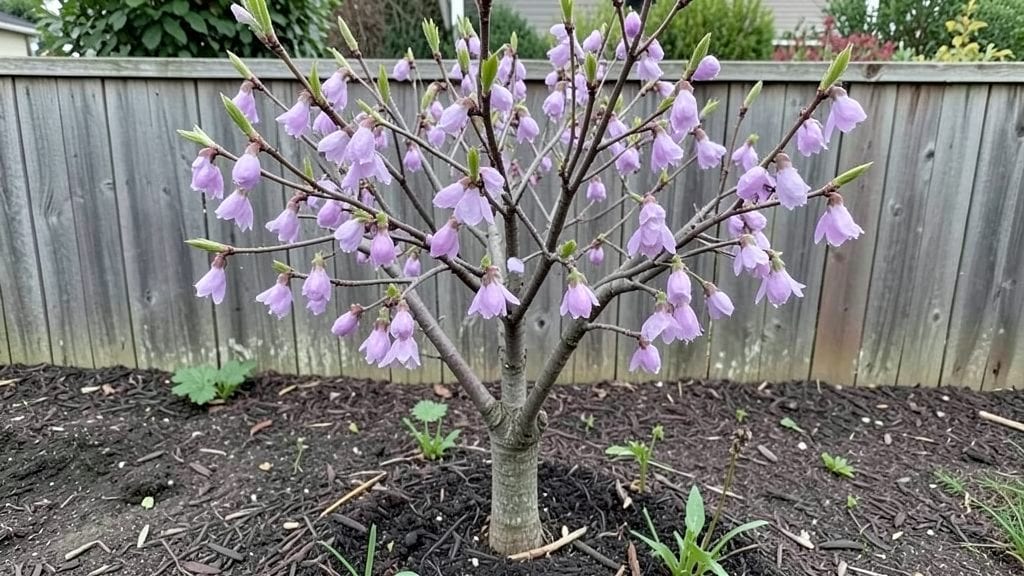
Finding the prettiest flowering trees transforms your yard into a living postcard that neighbors envy. 🌸 I planted a Japanese cherry last spring, and its pink blossoms now steal the show every April—until the crape myrtle takes over in summer with its lavender spikes.
These trees aren’t just pretty; they’re the backbone of a garden that feels like a storybook all year.
The best part? You don’t need a sprawling estate to make it work. A dogwood in the front yard frames your porch with white blooms in spring, while a magnolia in the backyard adds drama with its glossy leaves and fragrant flowers.
Smaller spaces? Try a serviceberry—its white blossoms turn to edible berries, and it fits neatly in tight corners. These trees thrive in different climates, from coastal zones to inland heat, so your region isn’t an excuse.
Imagine waking up to dogwood pinks peeking through your kitchen window, then strolling past crape myrtle lavender on your way to the mailbox. By autumn, the serviceberry berries feed birds while adding a pop of color, and the Japanese maple’s fiery red leaves take center stage.
It’s not just about flowers—it’s about layering beauty through every season, creating a yard that feels like a sanctuary.
Here’s the secret: pair your flowering trees with complementary plants—azaleas under a cherry, hostas near a magnolia for shade, or salvias at the base of a crape myrtle.
The right placement turns a good tree into a showstopper. Let’s make your yard the talk of the neighborhood—one bloom at a time.
📚 In This Guide
- What you need
- Instructions
- Tips and common mistakes
- Wrapping up and next steps
What you need
- ● Flowering tree saplings (1–3, depending on desired coverage): Choose from varieties like Crabapple (Malus spp.), Dogwood (Cornus florida), Magnolia (Magnolia grandiflora), or Japanese Cherry (Prunus serrulata).
- ● Size: 1–3 gallon pots (young trees) or balled-and-burlapped (B&B) for mature trees.
- ● High-quality potting soil or native soil mix (5–10 bags, ~40 lbs each).
- ● Organic compost or mulch (1–2 bags, ~2–3 cubic feet).
- ● Slow-release fertilizer (e.g., 10-10-10 or tree-specific blend, 1–2 lbs).
- ● Tree stakes & garden ties (2–4 stakes per tree, 3–4 ft tall).
- ● Shovel or spade (for digging holes, 12–18 inches wide/deep).
- ● Garden trowel (for finer adjustments).
- ● Wheelbarrow or bucket (for soil/mulch transport).
- ● Pruning shears (for shaping or trimming dead branches).
- ● Watering can or hose with spray nozzle (gentle watering is key!).
- ○ Gloves & knee pads (optional but highly recommended!).
- ● ✅ Sunlight assessment: Confirm your tree’s sunlight needs (full sun, partial shade, etc.).
- ● ✅ Soil test: Check pH (most flowering trees prefer 6.0–7.0).
- ● ✅ Local climate check: Ensure your tree is hardy for your USDA zone (e.g., Zone 5–9 for Dogwood).
- ● ✅ Space planning: Measure mature tree width (e.g., 20–40 ft for Magnolias).
- ● Timing matters! Plant in early spring or fall for best root establishment. ⏰
- ● Call before you dig—avoid underground utilities! 📞
- ● Test-drainage: Dig a hole, fill with water, and wait 30 mins to check for soggy spots. 💧
How to select and plant the prettiest flowering trees for season-long color
Here's how to choose and plant showstopping trees that deliver blooms from spring through fall.
🌱 Step 1: Choose Trees with Extended Bloom Periods
Look for varieties known for prolonged flowering seasons. Japanese cherry (Prunus serrulata) offers delicate pink blooms in spring, while crape myrtle (Lagerstroemia) delivers summer-to-fall color in shades from white to deep purple. For year-round interest, consider serviceberry (Amelanchier), which produces white spring flowers, summer berries, and fiery fall foliage.
Check the mature height and spread of each tree—most flowering varieties reach 15-30 feet tall and wide. Plant smaller varieties like weeping cherry (Prunus subhirtella) for compact spaces, or larger specimens like magnolia (Magnolia grandiflora) as statement pieces. Always verify your hardiness zone matches the tree's requirements to ensure reliable blooming each season.
☀️ Step 2: Select the Perfect Planting Location
Most flowering trees thrive in full sun (6-8 hours daily), but some like dogwood (Cornus florida) tolerate partial shade. Observe your yard's sunlight patterns—morning sun with afternoon shade often works best for heat-sensitive varieties. Avoid low-lying areas where cold air settles, as many flowering trees suffer winter damage from frost pockets.
Consider the tree's mature size when choosing a spot. Plant at least 15-20 feet from structures to allow for proper air circulation and future growth. Dig a hole twice as wide as the root ball but no deeper—this encourages outward root growth rather than downward restriction.
🪴 Step 3: Plant with Proper Spacing and Soil Preparation
Amend the native soil with 2-3 inches of organic compost mixed into the bottom of the planting hole. This improves drainage and provides essential nutrients for early root establishment. For clay soils, add a handful of perlite to the backfill mix to prevent compaction around the roots.
Remove the tree from its container and gently loosen any circling roots with your fingers. Place the tree in the hole so the top of the root ball sits 1-2 inches above ground level—this prevents stem rot from sitting water. Backfill with native soil mixed with compost, tamping lightly every 6 inches to eliminate air pockets.
💧 Step 4: Water Deeply and Establish a Care Routine
Water immediately after planting, applying 10-15 gallons to thoroughly saturate the root zone. Mulch with 2-3 inches of wood chips within the drip line (the area where water naturally falls), keeping mulch 6 inches away from the trunk to prevent rot. This conserves moisture and regulates soil temperature.
Young trees need deep watering once weekly during the first growing season, providing 15-20 gallons per watering. You'll know the roots are established when the tree shows consistent new growth and the soil remains moist 6 inches below the surface between waterings. Avoid overhead watering during bloom to prevent petal damage and fungal diseases.
✂️ Step 5: Prune for Health and Enhanced Blooming
Prune flowering trees in late winter or early spring before new growth begins. Remove dead, diseased, or crossing branches first, then thin the canopy to improve air circulation. For spring-blooming trees like lilac (Syringa), prune immediately after flowering to maintain shape without sacrificing next year's blooms.
Never remove more than 25% of the canopy in a single pruning session. Use clean, sharp tools to make cuts just outside the branch collar—the swollen area where the branch meets the trunk. This ensures proper healing and prevents unsightly stubs that can invite pests and diseases.
Tips & tricks for perfect season-long flowering trees
Transforming your yard into a year-round floral masterpiece starts with these expert insights that go beyond basic planting techniques.
Species Selection Strategy: When choosing your flowering trees, prioritize varieties with staggered bloom times—this ensures continuous color from spring through fall. For example, pair early spring bloomers like Japanese cherry with summer crape myrtle and fall serviceberry. I always verify each tree's hardiness zone compatibility to avoid disappointment, especially when investing in premium specimens like magnolias that can cost hundreds. Consider the mature height (15-30 feet) when planning your landscape layout to prevent future overcrowding issues.
Soil Preparation Secret: The 2-3 inches of organic compost you mix into the planting hole isn't just about nutrients—it's about creating the right texture for root establishment. For clay-heavy soils, I add perlite to prevent compaction that can strangle young roots. The key is to create a loose, well-draining medium that mimics the tree's natural growing conditions. Remember to place the root ball just 1-2 inches above ground level—this prevents stem rot while allowing proper drainage.
Watering Wisdom: That initial 10-15 gallons of water after planting isn't just about hydration—it's about settling the soil around the roots. I always water deeply at planting time to eliminate air pockets that can form during backfilling. For the first year, maintain that weekly deep watering (15-20 gallons each time) to encourage strong root development. The 6-inch mulch layer isn't decorative—it's a moisture regulator that keeps soil temperatures stable and reduces evaporation.
Pruning Precision: Timing is everything when pruning flowering trees. Late winter/early spring pruning (before new growth) stimulates fresh blooms, but wait until after flowering for spring-bloomers like lilacs. I never cut more than 25% of the canopy at once—this prevents shock and maintains the tree's natural shape. The branch collar is your guide: make clean cuts just outside this swollen area to ensure proper healing and prevent disease entry points.
Pro Tips for Prettiest Flowering Trees
- Transforming your yard into a year-round floral masterpiece starts with these expert insights that go beyond basic planting techniques.
- Species Selection Strategy: When choosing your flowering trees, prioritize varieties with staggered bloom times—this ensures continuous color from spring through fall.
- Soil Preparation Secret: The 2-3 inches of organic compost you mix into the planting hole isn't just about nutrients—it's about creating the right texture for root establishment.
Frequently asked questions
Got questions about choosing, planting, or caring for the prettiest flowering trees? You’re not alone! Here are answers to the most common queries to help you pick the perfect blooms for your yard.
What’s the easiest flowering tree to grow for beginners?
Start with Crabapple trees or Japanese cherry trees—they’re hardy, low-maintenance, and burst with color. For fast growth, Bradford pear is a top pick, though it needs pruning to stay healthy. Pro tip: Check your USDA zone to ensure the tree thrives in your climate!
When is the best time to plant flowering trees?
Late fall or early spring (before buds swell) is ideal. This gives roots time to establish before extreme weather. Avoid planting in summer heat or winter freezes—stress = slower growth. If you must plant in summer, water deeply 2–3 times a week!
Can flowering trees survive in small yards or containers?
Yes! Dwarf varieties like Dwarf Korean Lilac or Patio Pink Dogwood thrive in containers (use pots ≥18 inches wide). For small yards, opt for multi-stemmed trees (e.g., Weeping Cherry) or prune standard trees to fit. Just ensure they get 6+ hours of sunlight daily.
Do flowering trees attract bees or pests? How do I protect them?
Most flowering trees do attract pollinators—great for gardens! To deter pests like aphids or borers:
- Spray neem oil (organic) on leaves.
- Encourage ladybugs (natural predators).
- Prune infested branches promptly.
Bonus: Plant marigolds nearby—they repel pests naturally!
Which flowering trees handle cold winters best?
For zones 3–5, try Serviceberry, Redbud, or Magnolia (e.g., Star Magnolia). These tough beauties bloom early and tolerate temps down to -30°F. Avoid tropical species like Fringe Tree—they’ll struggle below zone 6!
How do I extend a flowering tree’s bloom time?
Choose reblooming varieties like Crape Myrtle or Hydrangea Tree. For extra color:
- Fertilize with low-nitrogen, high-phosphorus mix in early spring.
- Water deeply during droughts (but avoid soggy soil).
- Prune after blooming to encourage new growth.
Pro move: Plant sequential bloomers (e.g., Cherry + Dogwood) for year-round interest!
Wrapping up and next steps
Transforming your outdoor space into a vibrant, year-round paradise is easier than you think! The prettiest flowering trees don’t just add beauty—they bring life, charm, and a touch of nature’s magic to any yard.
Whether you’re drawn to the delicate blooms of the Japanese Cherry or the bold splashes of a Crape Myrtle, there’s a perfect pick for every season and style.
Ready to plant your dream tree? Start by researching your local climate, soil type, and sunlight exposure—then pick the one that speaks to your heart! 🌸 With the right care, your garden will soon be the envy of the neighborhood.