
Pruning
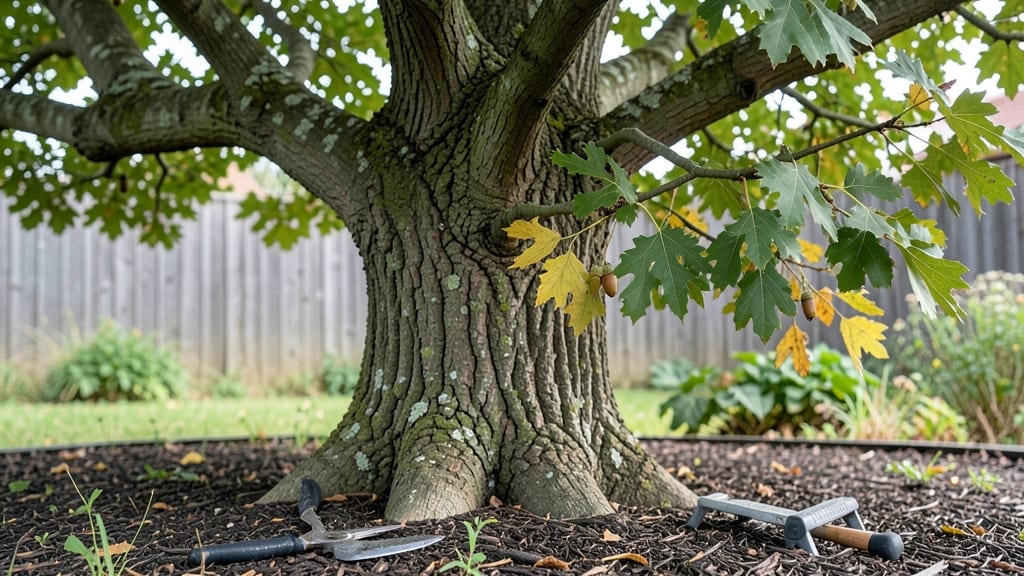
Pruning mature trees isn't just about cutting branches—it’s about extending their lifespan and keeping your property safe. 🌳 I’ve seen too many trees lose years of health from improper pruning, so I developed a system that works for oaks, maples, and fruit trees alike.
The key? Timing, technique, and knowing when to step back.
You’ll need sharp tools (a pruning saw, loppers, and gloves), a clear plan for structural cuts, and patience. Most people rush the job, but mature trees respond best to gradual shaping—especially in late winter or early spring when they’re dormant.
Avoid heavy pruning during sap flow or extreme weather, or you risk stressing the tree for years.
By the end of this, your tree will have stronger branches, fewer disease risks, and a shape that supports its natural growth. The long-term payoff? Trees that stand taller, produce more fruit (if applicable), and avoid becoming storm hazards. Let’s get started with the right cuts.
This works for shade trees, fruit trees, and even large ornamentals—just adjust the timing based on your climate zone. The goal is always the same: healthier trees that last decades.
📚 In This Guide
- What you need
- Instructions
- Tips and common mistakes
- Wrapping up and next steps
What you need
- ● Pruning saw: A curved-tooth saw (8–12" blade) for cutting thick branches (2–6" diameter). Example: Felco F-2 or Bahco Laplander.
- ● Loppers: Bypass loppers (18–24" handles) for branches ½–2" in diameter. Example: Corona or Fiskars.
- ● Pruning shears: Bypass shears (6–8" blades) for small twigs (¼" diameter). Example: Felco F-21.
- ● Pole saw or pruning pole: Extendable saw (10–16 ft) for high branches. Example: Fiskars X27.
- ● Safety gear: Gloves (cut-resistant, e.g., Mechanix or PIP)
- ● Safety glasses with side shields
- ● Hard hat (if working near power lines or heavy branches)
- ● Steel-toe or composite-toe boots
- ● Hearing protection (if using a chainsaw)
- ● Climbing gear (if needed): Harness (rated for arborist use, e.g., Petzl or Black Diamond)
- ● Climbing spikes or spikes with soft tips (for bark protection)
- ● Rope (static, ½" diameter) and carabiners
- ● Chainsaw: For large branches (>6" diameter). Example: Husqvarna or Stihl (with sharp chain and safety features).
- ● Tree wound dressing: Not recommended for most trees, but if used, opt for pruning sealant (e.g., Tanglefoot Tree Wound Pruning Seal).
- ● Extension ladder or lift: Sturdy, 30–40 ft ladder (e.g., aluminum or fiberglass) or a cherry picker for tall trees.
- ● Disinfectant: 70% isopropyl alcohol or bleach solution (1:10 ratio) to clean tools between cuts and prevent disease spread.
- ● First-aid kit: Include bandages, antiseptic wipes, and a tourniquet for emergencies.
- ● Weather check: Prune on a dry, calm day (avoid wind or rain).
- ● Tree health assessment: Inspect the tree for disease, pests, or structural weaknesses before cutting.
- ● Local regulations: Check if your area requires a permit for large tree removal or has protected species.
- ● Professional help: Hire an ISA-certified arborist if the tree is near power lines, over 30 ft tall, or has complex issues.
Step-by-Step instructions for pruning mature trees
Here's my battle-tested approach to pruning that keeps trees healthy and your property safe.
✂️ Step 1: Assess the Tree and Plan Your Cuts
Start by examining the tree for dead, diseased, or crossing branches—these are your top priorities. I use a simple system: mark branches that grow toward the center of the tree or rub against others, as these create weak points. Look for branches with diameters larger than 2 inches—these require special care and may need professional attention.
Check for signs of disease like fungal growth, discolored bark, or oozing sap. These branches should be removed immediately to prevent spread. Use a permanent marker to label branches you'll cut later—this keeps you organized and prevents accidental over-pruning. I always work from the top down, removing larger branches first to avoid damaging the tree's structure.
🪴 Step 2: Gather Tools and Safety Gear
You'll need a few essential tools: a sharp pruning saw for thick branches, loppers for medium-sized cuts, and hand pruners for smaller branches. Safety gear is non-negotiable—wear gloves, eye protection, and sturdy boots. I also bring a ladder or extension pole for higher branches, but never climb unless absolutely necessary.
Check your tools before starting. A dull saw or blunted pruners make cuts jagged and can damage the tree. Sharpen blades if needed, and oil moving parts to keep everything running smoothly. I like to carry a small first-aid kit too—tree work can be unpredictable, and a splinter or minor cut happens faster than you think.
☀️ Step 3: Make Clean, Strategic Cuts
For branches larger than 2 inches in diameter, make the first cut about 12-18 inches from the trunk on the underside of the branch. This reduces the weight of the remaining limb, making the final cut easier and safer. The second cut should be just outside the branch collar—the swollen area where the branch meets the trunk. Never cut flush with the trunk, as this can introduce disease.
For smaller branches, cut just outside the branch collar at a 45-degree angle if needed, but always leave the collar intact. This ensures the tree can seal the wound properly. I avoid cutting into the trunk itself unless removing a large branch—even small wounds can invite pests and disease. After each cut, step back to check the tree's balance and structure.
🌿 Step 4: Clean Up and Monitor the Tree
Remove all cut branches and debris from the area to prevent pests or disease from taking hold. I like to dispose of larger branches immediately—leaving them under the tree creates a breeding ground for fungi. Once finished, inspect the tree for any remaining issues, like weak crotches or overly dense growth, which may need future attention.
Water the tree deeply after pruning to help it recover. Monitor it over the next few weeks for signs of stress, like wilting leaves or oozing sap. If you notice anything unusual, act quickly—catching problems early makes all the difference. I also take a photo of the tree before and after pruning to track its progress over time.
⏰ Step 5: Schedule Seasonal Maintenance
Prune most trees during their dormant season—late fall or winter—for best results. However, removing dead or diseased branches can be done anytime. Avoid heavy pruning in late summer or early fall, as this can stimulate new growth that won't harden off before winter. I mark my calendar to revisit the tree every 2-3 years, adjusting as needed based on its growth and health.
Keep an eye out for new growth patterns after pruning. A well-pruned tree should have an open canopy that allows light to reach the lower branches, promoting healthier foliage. If you're unsure about any cuts, don't hesitate to consult a certified arborist—they can provide expert guidance and ensure your tree stays in top shape for years to come.
Tips & tricks for pruning mature trees
Pruning mature trees properly can make all the difference between a healthy, thriving specimen and one that's stressed or even dangerous. Here are my go-to strategies that have saved countless trees from unnecessary damage.
Branch Size Matters: When dealing with branches larger than 2 inches in diameter (as mentioned in Step 1), remember that these cuts require special attention. I've seen too many people make the mistake of cutting too close to the trunk—always leave that branch collar intact. This collar is like the tree's natural bandage, helping it heal properly after the cut. If you're unsure about a large branch, it's better to call an arborist than risk damaging the tree's structure.
Safety First, Always: In Step 2, we talk about safety gear, but I can't emphasize enough how critical this is. I once had a branch snap back unexpectedly and hit me in the face—thankfully, I was wearing safety glasses. Always wear gloves to protect your hands from splinters and sharp tools, and consider using a helmet if you're working near large branches. A small first-aid kit is also a must-have for any tree-pruning session. Between us, I've had to use mine more times than I'd like to admit!
Clean Cuts Create Healthy Trees: The 12-18 inch distance for your first cut on larger branches (Step 3) is non-negotiable for safety. I've seen people try to cut too close to the trunk, which can cause the remaining branch to tear and create a much larger wound. After making your first cut, step back and assess the branch's weight—it should feel manageable before you make that final cut. And remember, that 45-degree angle for smaller branches isn't just for looks; it helps water run off the cut properly, preventing rot.
Seasonal Wisdom: While Step 5 mentions dormant season pruning, I've learned that timing can vary by tree type. For example, flowering trees should be pruned right after they bloom, while fruit trees often benefit from summer pruning. Always research your specific tree species before scheduling your pruning. And if you're unsure about the best time, late winter is usually a safe bet for most trees—just be prepared for some sap flow as the tree wakes up from dormancy.
Pro Tips for Pruning Mature Trees
- Pruning mature trees properly can make all the difference between a healthy, thriving specimen and one that's stressed or even dangerous.
- Branch Size Matters: When dealing with branches larger than 2 inches in diameter (as mentioned in Step 1), remember that these cuts require special attention.
- Safety First, Always: In Step 2, we talk about safety gear, but I can't emphasize enough how critical this is.
Frequently asked questions
Got questions about pruning mature trees? You’re not alone—this task can feel overwhelming, but the right knowledge makes all the difference. Below, we tackle the most common concerns, from timing and tools to safety and long-term benefits. Let’s dive in!
When is the best time of year to prune mature trees?
The ideal window is late winter to early spring (just before buds swell), but never prune during frost or extreme weather. Summer pruning is possible for safety hazards (like dead branches), but avoid heavy cuts—focus on shaping and removing only what’s necessary. Always check local guidelines, as some regions restrict pruning during nesting seasons (e.g., spring for birds).
How do I safely remove large branches from a mature tree?
Safety first! Use a rope-and-pulley system (or hire a pro) for branches over 3 inches thick. Wear gloves, eye protection, and a harness if climbing. Start cuts on the underside of the branch (about 12 inches from the trunk) to control the fall, then make a top cut just outside the branch collar. Never work alone—have a spotter nearby and keep bystanders at least 30 feet away.
Can I prune a mature tree myself, or should I hire a professional?
DIY pruning works for minor tasks (deadwood, small branches), but mature trees often need specialized tools, height access, and expertise. Hire a certified arborist if:
- Branches are over 50 feet tall or near power lines.
- The tree is diseased, hollow, or structurally weak.
- You’re unsure about branch unions or pruning cuts.
What if I prune too much? Will my tree die?
Over-pruning (removing >25% of the canopy) stresses trees, making them vulnerable to disease, pests, or even death. Signs of over-pruning include excessive leaf drop, stunted growth, or oozing sap. To recover, reduce future cuts, water deeply, and fertilize (if soil is poor). For severe cases, consult an arborist—they can create a gradual pruning plan to restore balance.
How much does professional pruning cost for a mature tree?
Costs vary widely based on tree size, location, and complexity:
Service
Estimated Cost
Small tree (under 30 ft)
$150–$400
Medium tree (30–60 ft)
$400–$1,200
Large tree (60+ ft) or emergency removal
$1,200–$3,500+
Get multiple quotes and ask about cleanup fees (often extra). Investing in proper pruning now can save thousands in storm damage or tree removal later!
Wrapping up and next steps
Pruning mature trees isn’t just about aesthetics—it’s a year-round commitment to their health, safety, and longevity. By following proper techniques, timing, and safety measures, you’ll ensure your trees thrive while minimizing risks. Now’s the time to roll up your sleeves!
Ready to take action? Start by assessing your trees and gathering the right tools. For complex pruning or large trees, consider consulting a certified arborist. Your trees—and your peace of mind—will thank you! 🌳✨