
Pruning
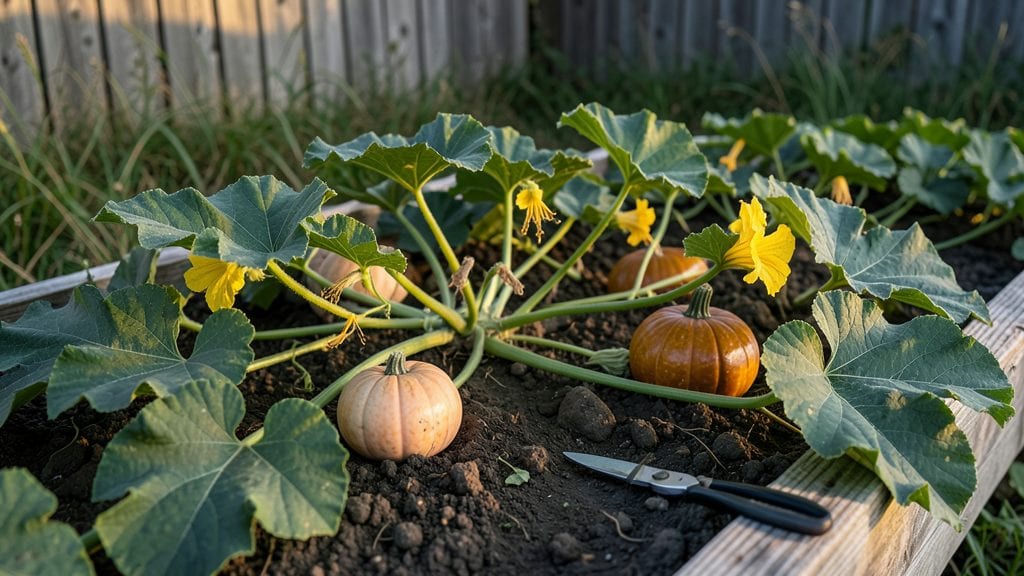
Those wild pumpkin tree branches sprawling everywhere? Prune them right, and you’ll transform tangled vines into a productive, fruit-filled garden. 🌱 The secret isn’t just cutting back—it’s guiding growth toward stronger stems, better airflow, and more pumpkins. Most gardeners either prune too late or too aggressively, and both approaches backfire.
Start by removing weak or crossing stems at the base when vines are just 3–4 feet tall. Keep 2–3 of the strongest main runners, and trim side shoots to leave just 12–18 inches of growth.
This might seem harsh, but it forces energy into fewer, healthier vines that produce bigger pumpkins. I’ve seen yields double after switching to this method.
You’ll notice fewer yellowing leaves, better air circulation, and pumpkins that stay cleaner and grow larger. The key is timing—prune in the morning on a dry day to let wounds heal faster. Within weeks, your vines will look more structured, and the fruit will start filling out properly.
Works for all pumpkin varieties, from small sugar pumpkins to giant Atlantic Giants. The same principles apply whether you’re growing in a raised bed or sprawling across a fence. Let’s get those vines under control before they take over the garden!
📚 In This Guide
- What you need
- Instructions
- Tips and common mistakes
- Wrapping up and next steps
What you need
- ● Pruning shears: Bypass pruners (sharp, clean, and sterilized with rubbing alcohol or bleach to prevent disease). Size: 6–8 inches for precision cuts.
- ● Gloves: Heavy-duty gardening gloves (nitrile-coated for grip and protection from thorns or sap).
- ● Disinfectant: 10% bleach solution (1 part bleach to 9 parts water) or 70% isopropyl alcohol for sterilizing tools between cuts.
- ● Twine or plant ties: 3–4 feet of soft garden twine (for staking or training vines).
- ● Stakes or trellis: 4–6 wooden stakes (5–6 feet tall) or a sturdy trellis frame (for vertical growth).
- ● Pumpkin seeds or seedlings: If starting fresh, choose vining varieties like ‘Jack Be Little’ or ‘Cinderella’ for manageable branches.
- ● Hand pruners: For larger branches (up to 1-inch thick).
- ● Loppers: For thick, woody stems (if your pumpkin plant is mature).
- ● Mulch: Straw or shredded leaves to retain moisture and suppress weeds around the base.
- ● Fertilizer: Balanced 10-10-10 or compost (apply after pruning to avoid stressing the plant).
- ● Spray bottle: For misting cuts with water to prevent shock (especially in hot climates).
Instructions for pruning pumpkin tree branches
Here’s how to shape your pumpkin vines for stronger growth and bigger fruit—no guesswork involved.
✂️ Step 1: Identify and Remove Weak or Diseased Branches
Start by inspecting the entire plant for branches that are yellowing, wilted, or showing signs of rot or pests. These are the first to go—they drain energy from your pumpkins. Use clean, sharp pruning shears to cut these branches back to the main stem, making cuts at a 45-degree angle just above a leaf node. This prevents water from pooling and encourages faster healing.
I always prune in the morning when the plant is hydrated and the air is cool. This reduces stress on the plant and gives it time to recover before the heat of the day. If you spot any mushy or discolored stems, don’t hesitate—remove them immediately. Pumpkins are heavy feeders, and dead branches just slow them down.
✂️ Step 2: Thin Out Crowded Vines for Better Airflow
Pumpkin vines spread wide and thick, but too much foliage blocks sunlight and air circulation. Focus on the main stem and primary branches—these are the powerhouses for fruit production. Remove any secondary vines that are growing directly off the main stem, leaving only the strongest, healthiest ones. Aim to space branches about 12-18 inches apart to give each vine room to grow.
Here’s the thing—don’t overdo it. You want enough leaves to feed the pumpkins, but not so many that they shade each other. Watch for vines that are growing toward the center of the plant; these are competing for light and should be pruned back. A good rule of thumb: if a vine isn’t producing a flower or fruit within the first 4-6 weeks, it’s safe to remove it.
✂️ Step 3: Prune Back Overly Long or Leggy Vines
Leggy vines—those that stretch too far without much leaf growth—are a sign your pumpkin isn’t getting enough light or nutrients. To fix this, trim back the tips of the longest vines by about 1/3 of their length. This encourages the plant to bush out and produce more side shoots, which will eventually bear fruit. Make your cuts just above a leaf node where new growth can sprout.
Timing matters here. Do this pruning in the early morning when the plant is still cool and hydrated. Avoid pruning late in the day, as it can stress the plant and leave it vulnerable to pests. After trimming, give the plant a light watering to help it recover. You’ll notice new growth within 7-10 days, so keep an eye out for those fresh leaves popping up.
✂️ Step 4: Encourage Fruit Production by Pruning Flowers
This might sound counterintuitive, but pruning some of the flowers can actually help your pumpkins grow bigger. If your plant is producing more flowers than it can support, focus on keeping the first 3-4 flowers on each main vine. Remove the rest by gently twisting them off in the morning when they’re still damp with dew. This redirects the plant’s energy toward fewer, larger fruits.
Pay attention to the size of the flowers—small, weak blooms are less likely to develop into healthy pumpkins. You’ll know you’re on the right track when you see the remaining flowers growing larger and the vines thickening. After pruning, keep the soil moist but not soggy. Pumpkins need consistent water to develop properly, so aim to water deeply 2-3 times per week unless you’re in a very dry climate.
⏰ Step 5: Monitor and Adjust Through the Season
Pumpkin vines grow fast, so check them weekly for new growth, pests, or diseases. If you notice any yellowing leaves or wilting vines, act quickly—prune back affected areas immediately. As the season progresses, you may need to trim back any vines that are growing too close to the ground, as this can lead to rot or pests.
Here’s a pro tip: if your pumpkins start to look uneven or lopsided, it’s often a sign of uneven sunlight. Rotate the plant quarter-turns every few days to ensure all sides get equal exposure. By late summer, you should see strong, healthy vines with a few well-placed pumpkins. Keep pruning lightly to maintain airflow and prevent disease until the first frost.
Tips & tricks for pruning pumpkin tree branches
A few key strategies will help you maintain a healthy pumpkin vine that produces bigger, stronger fruit without stressing the plant.
Timing is Everything: The morning after a light watering is the absolute best time to prune—this is when the plant is fully hydrated and can handle the stress. I've learned this the hard way after seeing plants wilt dramatically when pruned in the afternoon heat. If you must prune later, do it in the evening and water thoroughly afterward to help recovery. The early morning window gives the plant the entire day to heal before nightfall.
Tool Preparation Matters: Always sterilize your pruning shears with rubbing alcohol before and after use to prevent spreading disease between plants. I keep a small bottle of alcohol in my gardening toolkit for this exact purpose. Make sure your blades are sharp—dull shears crush stems instead of making clean cuts, which invites infection. A clean, sharp cut at a 45-degree angle just above a leaf node (as mentioned in Step 1) makes all the difference in how quickly the plant recovers.
Visual Cues for Healthy Growth: When pruning back leggy vines in Step 3, look for new growth within 7-10 days as your success indicator. Healthy new shoots should appear green and firm, not yellow or limp. If you don't see new growth after two weeks, your plant might need more nutrients—consider a balanced fertilizer at this point. The key visual is seeing those fresh leaves popping up along the main stem, which means your pruning is working!
Seasonal Adjustments: As you monitor weekly in Step 5, pay special attention to how your pumpkins are developing. If you notice vines growing toward the center of the plant (creating that "competition for light" situation), prune them back immediately. This isn't just about aesthetics—it's about directing the plant's energy toward producing fewer but larger, healthier fruits. The quarter-turn rotation every few days helps prevent this uneven growth pattern from developing in the first place.
Pro Tips for Pumpkin Tree Branches
- A few key strategies will help you maintain a healthy pumpkin vine that produces bigger, stronger fruit without stressing the plant.
- Timing is Everything: The morning after a light watering is the absolute best time to prune—this is when the plant is fully hydrated and can handle the stress.
- Tool Preparation Matters: Always sterilize your pruning shears with rubbing alcohol before and after use to prevent spreading disease between plants.
Frequently asked questions
Got questions about pruning pumpkin tree branches? You’re not alone! Here are some common queries—and their answers—to help you keep your vine thriving.
How do I know when to prune my pumpkin tree branches?
Prune your pumpkin vines early in the season (when they’re 3–4 feet tall) to encourage bushier growth. Avoid heavy pruning after flowering, as it can reduce fruit production. Focus on removing weak or diseased stems first!
Can I prune pumpkin vines too much?
Yes! Over-pruning can stress the plant, leading to fewer fruits. Aim to remove no more than 25–30% of the vine’s total growth at once. Prioritize dead, damaged, or crossing branches over aggressive thinning.
What should I do with the cut branches after pruning?
Toss pruned branches in the compost pile (if disease-free) or dispose of them in yard waste. Never compost diseased branches—burn or trash them to prevent spreading pests. Clean pruners with rubbing alcohol between cuts!
Are there alternatives to pruning pumpkin vines?
If pruning feels overwhelming, try training vines instead! Use trellises or cages to guide growth upward, reducing sprawl. This method still improves airflow and fruit accessibility without heavy cutting.
Why aren’t my pumpkins growing after pruning?
Check for these issues:
- Underwatering – Pumpkins need 1–2 inches of water weekly.
- Poor soil – Amend with compost for nutrients.
- Overcrowding – Space vines 3–5 feet apart.
Wrapping up and next steps
Transforming your pumpkin vine into a thriving, fruit-bearing tree isn’t just about patience—it’s about strategic care.
By mastering the art of pruning those sprawling branches, you’ll unlock a bountiful harvest while keeping your plant strong and healthy. 🌱✨ Whether you’re a seasoned gardener or a curious beginner, every snip brings you closer to that perfect pumpkin patch.
Ready to take the next step? Start small:
- Grab your pruners and revisit this guide before your next pruning session.
- Experiment with a single branch to build confidence.
- Document your progress—you’ll be amazed at the transformation!