
Pests and Diseases
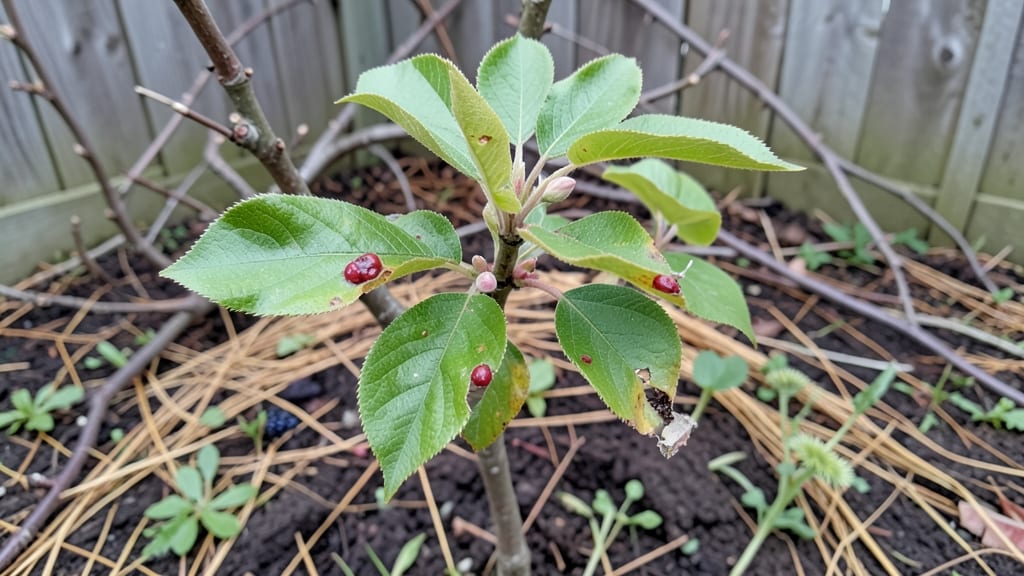
Red bumps on tree leaves are almost never a good sign—but they’re often fixable before they spread. 🌿 I’ve seen everything from oak apples to tiny red mites, and the key is acting fast before the infestation takes over.
These bumps, called galls, aren’t just unsightly; they can stress your tree and attract pests if left untreated.
The culprits are usually gall wasps, mites, or even fungal infections—each leaves behind a different texture and size. Oak trees get those classic round galls, while mites create tiny red spots that spread rapidly.
The good news? Most galls don’t kill the tree, but they weaken it over time. Early action means healthier leaves and fewer pests next season.
You’ll learn to identify the exact type of gall by its shape and location, then use simple organic sprays or pruning to remove them. No harsh chemicals needed—just targeted solutions that work within weeks.
By the end, your tree’s leaves will look fresh again, and you’ll know exactly what to watch for next time.
This works for oaks, maples, willows, and even fruit trees—just adjust the timing based on your tree’s growth cycle. Let’s get those leaves back to normal without harming the tree or your yard.
Underlying Causes Explained
When you spot red bumps forming on tree leaves, it’s rarely a coincidence—these growths are usually a plant’s dramatic response to an invader or environmental stress. While some may seem harmless, they can signal serious health issues for your tree if left unchecked.
Below, we break down the most common culprits behind these unsightly (but often fascinating) leaf deformities.
Galls are abnormal plant growths caused by insects, mites, bacteria, fungi, or even nematodes. These pests don’t just land on leaves—they hijack the tree’s cells to create a protected nursery for their offspring. The red color often comes from increased sap production or nutrient buildup in the affected area.
- Leaf Gall Mites (Eriophyidae family):
These microscopic mites inject saliva into leaf tissue, triggering cells to multiply uncontrollably. The result? Tiny, red, wart-like bumps (often called rust mites or blister galls). Common on oaks, roses, and fruit trees, they thrive in dry, hot conditions.
- Sawfly Larvae (Cynipidae):
Female sawflies lay eggs in leaf tissue, and the larvae burrow inside, causing round, red, or pink galls (think oak apple galls or rose bedeguar galls). These galls can persist for years, even after the larvae pupate and emerge.
- Fungal Infections (e.g., Taphrina species):
Some fungi, like Taphrina deformans, infect young leaves, causing them to thicken and develop reddish, crusty bumps. This is common in peach and plum trees (peach leaf curl) and spreads via spores in wet springs.
💡 Pro Tip: Galls are rarely fatal to mature trees, but severe infestations can weaken growth or reduce fruit production. If you see new galls appearing yearly or large clusters, intervention may be needed.
Extreme temperatures—whether scorching summer heat or a sudden late frost—can cause leaves to overcompensate by producing abnormal growths. These bumps aren’t galls but rather stress-induced calluses or anthocyanin buildup (the pigment that gives them a red hue).
- Heat Stress:
Prolonged exposure to 90°F+ temperatures can disrupt cell division, leading to hard, red, raised spots on leaves. Trees like maples and birches are prone to this, especially if they’re also water-stressed.
- Cold Injury:
Late spring frosts (<32°F) can damage emerging leaves, causing them to thicken and develop red, scab-like bumps. This is common in stone fruits (peaches, cherries) and grapes.
- Sunburn:
Young, tender leaves exposed to intense afternoon sun (especially after transplanting) may develop reddish, blistered patches. This is often seen on evergreens like junipers.
🌡️ Quick Fix: If environmental stress is the cause, focus on watering deeply (1–2 inches per week) and providing shade cloth for young trees during heatwaves. Mulch helps insulate roots from temperature swings.
While galls are usually caused by pests, excessive nitrogen or deficiencies in micronutrients can make leaves more susceptible to gall formers—or even trigger nutritional galls themselves. Here’s how:
- Over-Fertilization (Especially Nitrogen):
Too much nitrogen (N) promotes soft, lush growth that attracts gall mites and sawflies. It can also cause leaves to develop red, spongy bumps as cells grow erratically.
- Boron or Zinc Deficiency:
These micronutrients are critical for cell wall formation. A deficiency can lead to deformed, red-tinged leaves with bumpy, uneven surfaces, mimicking gall damage. Common in apple, pear, and citrus trees.
- Iron Chlorosis (Red Leaves with Yellow Veins):
In alkaline soils, iron becomes unavailable, causing leaves to produce red anthocyanins as a stress response. While not bumps per se, the thickened, puckered leaf edges can resemble gall damage.
💡 Soil Test First: Before treating, test your soil’s pH and nutrient levels. A balanced fertilizer (e.g., 10-10-10) or chelated micronutrients can prevent stress-related bumps.
Next, we’ll dive into how to identify these red bumps—and whether they’re a sign of a minor annoyance or a full-blown tree health crisis. Keep reading →
Quick Fixes for Leaf Bumps
Got those pesky red bumps marring your tree’s leaves? Don’t panic—most gall issues are treatable with a mix of organic care, proper pruning, and proactive prevention. Below, we’ve mapped out targeted solutions based on the most common causes, so you can restore your tree’s health without harsh chemicals. 🌿✨
If powdery mildew or rust fungi are to blame, act fast to stop the spread.
🍳 Step 1: Remove Infected Leaves
- How: Snip off heavily bumpy leaves with clean sterilized pruners (wipe with rubbing alcohol between cuts).
- Why: Prevents spores from lingering and reinfecting other leaves.
- Pro Tip: 💡 Bag and dispose of pruned leaves in the trash—not the compost—to avoid spreading spores.
👨🍳 Step 2: Boost Airflow
- How: Thin out dense foliage to improve circulation around the tree.
- Why: Fungi thrive in damp, shaded conditions. More airflow = fewer fungal hotspots.
🥘 Step 3: Apply Organic Fungicides
- Options:
- Neem oil spray (1 tsp neem oil + 1 quart water + a drop of dish soap; spray every 7–10 days).
- Baking soda solution (1 tbsp baking soda + 1 quart water + a few drops of soap; spray leaves).
- Copper fungicide (follow label instructions for organic versions).
- When: Apply in the evening to avoid burning leaves in sunlight.
⏰ Prevention Checklist
✅ Water at the base (avoid overhead spraying). ✅ Mulch properly (2–4 inches of organic mulch, keeping it 3 inches away from the trunk). ✅ Clean up fallen leaves regularly to remove fungal spores.
Galls caused by mites, aphids, or sawflies require a different approach—focus on disrupting their life cycle.
🔪 Step 1: Blast Off Pests
- How: Use a strong stream of water (from a hose) to knock off aphids or mites.
- Alternative: Insecticidal soap (spray directly on galls; repeat every 5–7 days).
- For sawfly galls: Prune and destroy heavily infested branches (they won’t regrow).
🌡️ Step 2: Introduce Beneficial Predators
- Ladybugs, lacewings, or parasitic wasps (like Aphidius colemani) eat gall-causing insects.
- Where to buy: Local garden centers or online (check for native species to your region).
🎯 Step 3: Use Horticultural Oil
- How: Apply dormant oil (in late winter/early spring) to suffocate overwintering eggs.
- Reapply: After rain or if new galls appear.
✨ Prevention Tips
💡 Plant companion plants like garlic, chives, or marigolds near your tree—they repel many gall-causing insects. 💡 Avoid over-fertilizing—soft new growth attracts pests!
If red bumps stem from iron, zinc, or magnesium deficiencies, the fix is simpler: balance the soil.
🍎 Step 1: Test Your Soil
- How: Use a DIY soil test kit (available at garden centers) or send a sample to a local extension office.
- What to look for: pH levels (ideal: 6.0–7.0 for most trees) and nutrient deficiencies.
📊 Step 2: Amend the Soil
| Deficiency | Symptoms | Fix |
|---|---|---|
| Iron | Yellow leaves with red veins | Apply chelated iron or compost tea. |
| Zinc | Stunted growth, small leaves | Sprinkle zinc sulfate (1 tsp/gallon water). |
| Magnesium | Yellow patches between veins | Work in Epsom salt (1 tbsp/gallon water). |
💪 Step 3: Mulch for Long-Term Health
- How: Spread 3–4 inches of compost or well-rotted manure around the tree’s drip line (not the trunk).
- Why: Improves microorganisms that help roots absorb nutrients.
If galls spread rapidly, the tree looks weakened, or you’re unsure of the cause, consult an arborist or local cooperative extension service. Some galls (like those from woolly aphids) can signal deeper issues needing expert care.
Remember: Consistency is key! Most gall problems improve within 4–8 weeks of treatment—stick with it, and your tree will bounce back healthier than ever. 🌳💚
Frequently asked questions
Are red bumps on tree leaves always harmful?
Not necessarily! Many red bumps are caused by harmless gall wasps or mites that rarely kill mature trees. However, if the bumps spread rapidly, cover large areas, or appear yearly, they may weaken the tree over time. Focus on removal if they’re unsightly or affecting fruit production.
How can I tell if red bumps are from pests vs. environmental stress?
Pest-related bumps (like gall wasp galls) are usually round, hard, and persistent even after the pests leave. Stress-induced bumps (from heat or cold) are often softer, redder, and appear suddenly during extreme weather. Check for other signs like yellowing leaves or stunted growth to confirm.
Will pruning infected leaves help, or should I remove whole branches?
Start by pruning only heavily infested leaves—this prevents spores from spreading. If galls cover an entire branch, remove it entirely (sterilize tools with rubbing alcohol first). For fungal issues, dispose of pruned material in the trash, not compost, to stop reinfection.
Can I use store-bought insecticides, or should I stick to organic methods?
Organic methods (neem oil, insecticidal soap, or horticultural oil) are safer for the tree and beneficial insects. Chemical insecticides may kill helpful predators and disrupt ecosystems. If galls persist, consult a local extension service for targeted organic solutions.
How long until I see results after treating red bumps?
With consistent care, you’ll notice improvements in 4–8 weeks. Fungal issues respond faster (2–3 weeks) with fungicides, while pest-related galls may take longer since they’re tied to the pest’s life cycle. Monitor progress and reapply treatments as needed.