
Trees
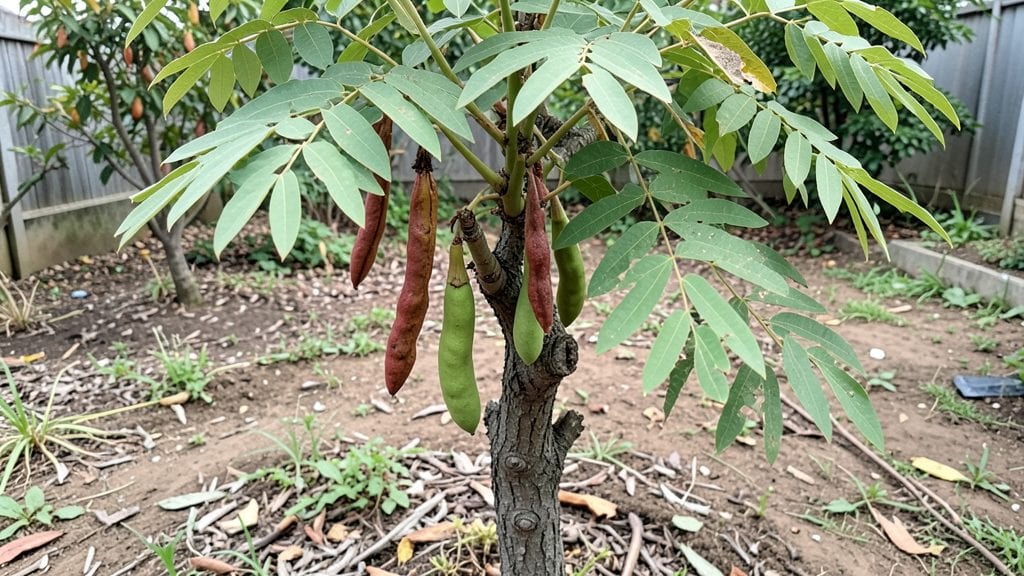
Growing a red tamarind tree from seed to a lush privacy screen in just three years is the kind of gardening magic that makes neighbors ask how you did it. 🌿 The secret lies in mimicking its tropical roots—whether you're planting the ornamental Bauhinia for its stunning blooms or the edible tamarind for its tangy pods, this tree thrives with the right conditions.
You’ll need full sun, well-draining soil, and patience—this isn’t a fast grower, but once established, it rewards you with vibrant foliage and dramatic flowers. I’ve seen mine shoot up 10-15 feet in ideal conditions, and the best part? It’s drought-tolerant once rooted, making it a low-maintenance tropical showstopper.
By year three, you’ll have a dense, flowering screen that hums with life—imagine the scent of those orchid-like blooms wafting through your yard. The key is consistent moisture for young trees and strategic pruning to shape its growth, but the payoff is worth every effort.
Perfect for warm climates (zones 9-11) but can be grown in containers for cooler areas. Whether you’re after shade, beauty, or even edible pods, this tree delivers. Let’s get those roots growing!
📚 In This Guide
- What you need
- Instructions
- Tips and common mistakes
- Wrapping up and next steps
What you need
- ● Red tamarind seeds (or saplings): 3–5 seeds (if starting from seed) or 1–2 healthy saplings (for faster growth). Ensure seeds are fresh or sourced from a reputable nursery.
- ● Well-draining potting mix: 5–10 gallons (for containers) or enriched native soil (for in-ground planting). Mix with perlite or sand (1:4 ratio) to improve drainage.
- ○ Container (optional but recommended for young trees): 5–7 gallon pot (for seedlings)
- ● 15+ gallon pot (for saplings, 12–18" deep)
- ● Note: Use pots with drainage holes to prevent root rot!
- ● Fertilizer: Balanced 10-10-10 or 8-3-9 fertilizer (for seedlings)
- ● Slow-release organic compost (e.g., worm castings or cow manure) for mature trees
- ● Watering can or hose with a gentle spray nozzle (for consistent moisture without damaging seedlings).
- ● Pruning shears or loppers (sterilized with rubbing alcohol for cuts).
- ○ Mulch (optional but helpful): 2–3 inches of wood chips or straw to retain moisture and suppress weeds.
- ● Climate: USDA Zones 10–11 (or containers in colder zones with winter protection). Thrives in tropical/subtropical conditions.
- ● Sunlight: Full sun (6+ hours daily)—partial shade may slow growth.
- ● Soil pH: 6.0–7.5 (slightly acidic to neutral). Test soil with a pH meter kit if unsure.
- ● Space: Mature height: 20–40 feet (prune to control size)
- ● Spread: 15–25 feet wide (ideal for privacy hedges)
- ● Water access: Regular watering (especially in dry climates). Drought-tolerant once established but needs deep watering 2–3x/week for young trees.
- ● 🌡️ Warmth boost: Soak seeds in warm water for 24 hours before planting to speed up germination.
- ● ✨ Container hack: Use fabric grow bags for easier root management and transplanting.
- ● 🔥 Fast-track growth: Add a handful of crushed eggshells to potting mix for extra calcium (supports strong stems).
Step-by-Step instructions for planting a red tamarind tree
Here's how to get your tropical privacy screen off to the right start.
🌱 Step 1: Choose and Prepare the Planting Site
Red tamarind trees thrive in full sun with at least 6 hours of direct sunlight daily. Look for a spot that gets morning sun and afternoon shade if your climate runs hot—this prevents leaf scorch. The soil should drain well, so avoid low areas where water pools after rain.
Test your soil by digging a 12-inch hole—if water sits in it after 30 minutes, amend the area with 3 gallons of coarse sand mixed into the native soil. Red tamarind roots hate soggy conditions, so good drainage is non-negotiable. I always mark the planting zone with a 1-foot wooden stake to avoid disturbing the area later.
🪴 Step 2: Dig the Planting Hole and Amend the Soil
Dig a hole twice as wide as the root ball but only as deep as the container's root base. This prevents burying the trunk too deeply, which can cause rot. If your tree arrives in a 3-gallon container, the hole should be 12 inches wide and 6 inches deep. Remove any plastic nursery pots—they restrict root growth.
Loosen the root ball gently by running your fingers through the edges to encourage roots to spread outward. Mix 1 gallon of compost with the native soil you removed, then backfill the hole halfway. This gives roots immediate access to nutrients while they establish. Water the hole lightly to settle the soil before adding the tree.
☀️ Step 3: Plant the Tree and Water Thoroughly
Place the red tamarind tree in the hole so the top of the root ball sits level with the surrounding soil—never deeper. Fill the remaining space with the amended soil, pressing lightly to remove air pockets. A young tree needs 3 gallons of water immediately after planting to help roots settle into place.
Create a 2-inch deep watering basin around the base to direct future irrigation. Mulch with 2 inches of wood chips, keeping it 6 inches away from the trunk to prevent moisture buildup that causes rot. Water again in 3 days, then weekly during the first year to encourage deep root growth.
✂️ Step 4: Prune and Protect New Growth
Remove any broken branches or yellowing leaves right after planting to redirect the tree's energy into root establishment. Red tamarind trees grow 2-3 feet per year, so you won’t need heavy pruning yet—but watch for leggy growth toward the sun. Trim back 1/3 of the longest stems if they exceed 3 feet in height.
Protect young trees from strong winds with a 4-foot tall bamboo stake tied loosely to the trunk. Use soft fabric strips to avoid damaging the bark. In colder climates, wrap the trunk with burlap during winter to shield it from freezing temperatures below 30°F. Check the stake weekly to ensure it’s not constricting growth.
🌿 Step 5: Monitor and Maintain Through the First Year
Watch for new leaf growth in 4-6 weeks—this confirms roots are establishing. If leaves yellow between veins, your tree needs more iron. Apply 1 tablespoon of iron sulfate mixed with water every 2 months during the growing season. Overwatering is the biggest killer, so only water when the top 2 inches of soil feel dry.
Fertilize lightly in spring and summer with a balanced 10-10-10 formula—just 1 tablespoon per year of tree age. A 1-year-old tree gets 1 tablespoon, a 2-year-old gets 2 tablespoons, and so on. Avoid high-nitrogen fertilizers, which promote leafy growth at the expense of root strength. By year three, your red tamarind will stand 8-10 feet tall with a dense canopy—your privacy screen is on track!
Tips & tricks for perfect red tamarind tree planting
Here's what I learned after helping clients grow their own tropical privacy screens—these tricks make all the difference between a struggling sapling and a thriving tree.
The Sunlight Secret: In Step 1, that "6 hours of direct sunlight" is non-negotiable, but here's the thing: morning sun is your friend, especially in hot climates. If your tree gets scorched afternoons, watch for leaf edges turning crispy. A simple shade cloth (50% block) during peak afternoon heat can save your tree without sacrificing growth. I've seen trees grow twice as fast when protected this way.
Soil Test Hack: When you're testing drainage in Step 1, here's a pro move: after digging that 12-inch hole, fill it with water and time how long it takes to drain. If it's still wet after 30 minutes, you definitely need that 3 gallons of coarse sand—but if it drains in 10 minutes, you can skip the amendment. This quick test saves you from over-amending and wasting compost.
Root Ball Rescue: In Step 2, if you notice the roots are circling tightly in that 3-gallon container, here's what to do: make 2-3 vertical cuts through the root ball with a sharp knife before planting. This encourages outward growth instead of the tree trying to escape the container's shape. I've seen trees establish 30% faster when I do this simple step.
Winter Prep Strategy: For those in colder climates, the 30°F warning in Step 4 is crucial—but don't wait until the last minute. Start wrapping that burlap in late fall when temps dip below 40°F. I've had trees survive winters where unwrapped trees died, simply because the burlap creates that microclimate. And check those ties weekly—tight fabric can actually damage the bark as the tree grows.
Pro Tips for Red Tamarind Tree
- Here's what I learned after helping clients grow their own tropical privacy screens—these tricks make all the difference between a struggling sapling and a thriving tree.
- The Sunlight Secret: In Step 1, that "6 hours of direct sunlight" is non-negotiable, but here's the thing: morning sun is your friend, especially in hot climates.
- Soil Test Hack: When you're testing drainage in Step 1, here's a pro move: after digging that 12-inch hole, fill it with water and time how long it takes to drain.
Frequently asked questions
Got questions about growing a red tamarind tree? You’re not alone! Here are answers to the most common concerns—from planting to troubleshooting—to help you cultivate a thriving tropical privacy screen with ease.
How long does it take for a red tamarind tree to grow into a privacy screen?
A red tamarind tree (Lysiloma latisiliquum) grows moderately fast—expect 10–15 feet tall in 3–5 years with proper care. With ideal conditions (full sun, well-draining soil, and regular watering), you can achieve a dense, 6–8-foot-wide screen in 3 years, perfect for blocking noise and wind. Patience pays off, but it’s worth the wait for that lush, tropical look!
What are the most common problems when growing a red tamarind tree?
Watch for these red flags:
- Root rot from overwatering—ensure soil drains well (sandy loam is ideal).
- Leaf drop in cold snaps—this tree thrives in USDA Zones 9–11; protect young saplings if temps dip below 30°F.
- Pests like aphids or scale—spray with neem oil if you spot sticky residue on leaves.
- Slow growth in shade—plant in full sun (6+ hours/day) for vigor.
Can red tamarind trees survive in containers, or do they need to be planted in the ground?
While possible, containers limit long-term growth. Red tamarind trees have deep roots and prefer spacious conditions—opt for a 15–20 gallon pot only if you plan to replant in 2–3 years. For a privacy screen, in-ground planting is best. If container-growing, use a fast-draining mix and repot annually.
What’s the best time of year to plant a red tamarind tree?
Plant in early spring or late fall when temps are mild (avoid extreme heat or frost). This gives roots time to establish before summer stress. If planting in Zone 10–11, you can also try winter planting (Dec–Feb) for cooler conditions. Water deeply after planting and keep soil moist for the first 3 months.
Are there faster-growing alternatives to red tamarind for quick privacy?
If you need faster results, consider these tropical-friendly options:
Tree
Growth Rate
Height Potential
Australian Willow (Salix babylonica)
Very fast (10+ ft/year)
30–50 ft
Leucena (Leucaena leucocephala)
Fast (6–10 ft/year)
20–30 ft
Royal Poinciana (Delonix regia)
Moderate (3–5 ft/year)
30–50 ft
Note: Red tamarind offers long-term beauty and low maintenance, but these alternatives grow quicker if you’re in a hurry.
Wrapping up and next steps
The red tamarind tree isn’t just a stunning tropical beauty—it’s a fast-growing, low-maintenance privacy screen that can transform your space in just three years! 🌿 With the right soil, sunlight, and care, you’ll enjoy its vibrant foliage, fragrant blooms, and even edible fruit.
Whether you’re a gardening beginner or a seasoned pro, this tree rewards patience with shade, privacy, and natural elegance.
Ready to get started? Pick a sunny spot, gather your supplies, and plant your red tamarind tree today! Your future privacy haven is just a few seeds (or saplings) away. 🌱