
Blooming
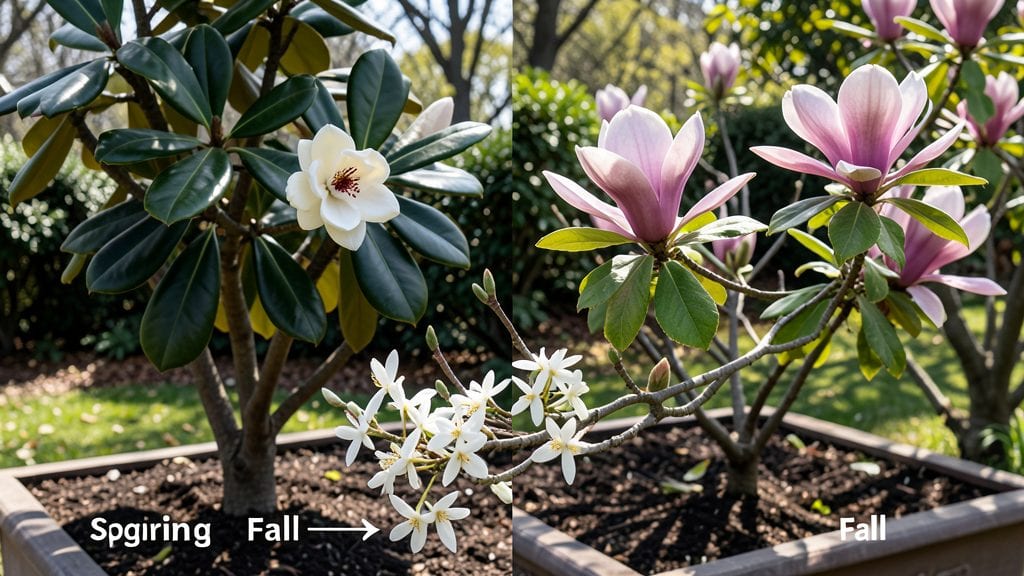
Magnolia trees don't bloom twice a year under normal conditions, but some evergreen varieties like Magnolia grandiflora may occasionally produce secondary blooms when given perfect growing conditions. Most deciduous types, including Magnolia stellata, follow strict seasonal cues for their single annual flowering.
Most magnolias are hardwired to bloom just once yearly, with spring or early summer being the prime window. 🌸 The exceptions—like the evergreen Magnolia grandiflora—might surprise you with extra flowers if temperatures stay mild and moisture levels are ideal, but this isn't guaranteed.
Deciduous varieties like Magnolia stellata are even more predictable, relying on precise temperature shifts to trigger their blooms. What's fascinating is how regional growing zones (USDA 6-10) can nudge some varieties toward occasional reblooming if summer heat lingers without extreme drought.
For those hoping to coax a second bloom, proper care makes a difference.
Pruning right after the first flush, using high-phosphorus fertilizers, and maintaining consistent moisture can sometimes encourage late-season flowers—but don't expect miracles. 🌿 Even the most pampered magnolia will resist breaking its natural rhythm unless you're dealing with a rare, hybrid variety bred specifically for extended blooming.
💡 In This Article
- Magnolia Flowering Cycles by Species and Climate
- Encouraging Secondary Magnolia Blooms: Pruning and Care Tips
Magnolia flowering cycles by species and climate
Deciduous magnolias like Magnolia stellata (star magnolia) follow a strict seasonal rhythm, triggered by chilling hours (300-600 hours below 45°F) during winter and precise temperature shifts in early spring.
These trees bloom for just 3-7 days in late winter or early spring, producing their signature fragrant flowers before leaves emerge. The process relies on hormonal cues that reset annually, making secondary blooms biologically unlikely without artificial intervention.
Evergreen varieties such as Magnolia grandiflora (southern magnolia) operate differently—they can produce sporadic secondary blooms when summer temperatures stay between 75-85°F with consistent moisture. Unlike deciduous types, evergreens don't require dormancy periods, allowing them to respond to extended warm seasons.
In USDA Zone 8-10, these trees might surprise gardeners with late-season flowers, though the blooms are typically smaller and less abundant than their spring counterparts.
Light exposure plays a critical role: Magnolia 'Jane' (a hybrid) and Magnolia soulangeana (saucer magnolia) thrive in full sun but can produce occasional secondary blooms if given 6+ hours of direct sunlight daily combined with balanced fertilizer (high in phosphorus).
The key difference is that these hybrids have been selectively bred to tolerate warmer climates, making them more flexible than wild types.
Climate matters more than you'd think. In USDA Zone 6-7, most magnolias bloom just once because cold snaps trigger dormancy. However, in Zone 9-10, where winters are mild, evergreens may attempt reblooming if summer heat persists without drought stress.
The trade-off? Frequent secondary blooms can deplete the tree's energy, potentially reducing flower size or overall health over time.
Here's what most gardeners miss: The first bloom of deciduous magnolias requires 2-3 years of establishment after planting before the tree has enough energy to flower.
Evergreens mature faster but still need 3-5 years before showing reliable blooming patterns. This delayed maturity explains why young magnolias—even in perfect conditions—often skip blooming entirely.
For those chasing double blooms, focus on Magnolia 'Black Tulip' or Magnolia 'Elizabeth', two hybrids known for occasional late-season flowers when summer stays warm.
These varieties push the natural limits but still require consistent care—think deep watering (1-1.5 inches per week) and mulching to retain moisture during dry spells.